Watch me flow
Do you feel me?
Can you hear me now?
Objectively Speaking
Hint Hint
It's What!
200
This four-chambered organ is responsible for supplying blood through the body
What is the heart
200
This is the sensation of the heart's pumping action as blood flows through the arteries
What is the Pulse
200
Often referred to as the “lub” this is the first heart sound as the mitral and tricuspid valves snap shut
What is S1
200
Includes assessment of the pulse, blood pressure, extremities, neck vessels, and precordium
What is the cardiovascular assessment
200
The low-pressure system
What is venous blood flow
200
Show here is an indication of fluid retention 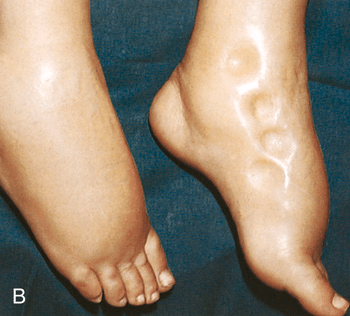
What is pitting edema
400
Two large veins that carry deoxygenated blood from the body back to the heart
What is the Vena Cava
400
For most adults, a normal resting heart rate is between __ and __
What is 60 – 100 beats per minute
400
An additional heart sound heard after the second heart sound (S2) that can indicate heart failure
What is S3
400
When performing this assessment you may need a tape measure, tourniquet, stethoscope, and doppler
What is the peripheral vascular assessment
400
3 sets of these that are a key part of the lymphatic system
What are tonsils
Also the spleen and thymus
400
Identified here as numbers 7 & 8
what is the superior and inferior vena cava
400
Oxygenated blood returns to the left atrium from this structure
What are the pulmonary Veins
400
Located at the left midclavicular line along the fourth/fifth intercostal space this is also referred to as the point of maximum impulse (PMI)
what is the Apical pulse
400
This is a roaring, marching sound heard when utilizing a Doppler probe
What is Venous flow
400
A 2 month old child has a resting heart rate between ___ and ___
What is 100-220 beats per minute
400
A key system that returns fluid from the tissues, facilitates hormonal distribution, and keeps infections in check
What is the lymphatic system
400
Pictured here thes are the sounds of the heart beat better know as
What is S1 and S2
S1 occurs at the beginning of systole, and S2 occurs at the beginning of Diastole
600
Located between the right atrium and the right ventricle
What is the Tricuspid (AV) Valve
600
Be sure to only feel one at a time, ignoring this rule can lead to
What is the carotid arteries
600
Abnormal sounds are described according to their timing, quality, pitch, and location.
What are Murmurs
600
Seen as normal on a 3+ scale in both the radial pulses
What is 2+
600
After oxygentation, blood returns to the ___ from the ___
What is the left atrium from the pulmonary veins
600
Pictured here in green, this is an important organ in the lymphatic system
What is the thymus gland
800
These are the four structures within the heart that regulate the flow of blood through the heart and body
What are the Valves: Tricuspid valve, pulmonic valve, mitral valve, aortic valve
(try pulling my aorta)
800
This can occur bilaterally in pregnancy, with heart failure, diabetic neuropathy, & hepatic cirrhosis
What is Bilateral Edema
800
As a result of stenosis in the carotid arteries, this is the sound of turbulent flow
What are bruits
800
Unilateral swelling, pain, redness, and inflammation can result from this
What is a DVT
800
To feel this, have your healthy adult patient exhale and hold their breath
what is the apical pulse
800
Characterized as aching, heaviness in the calf, fatigability, burning
What are superficial varicose veins