Carrying Capacity
Limiting Factors
Predators/Prey
rAnDoM
Organization/Carrying Capacity
Energy Flow
100
What do we call the dotted line labeled "D" 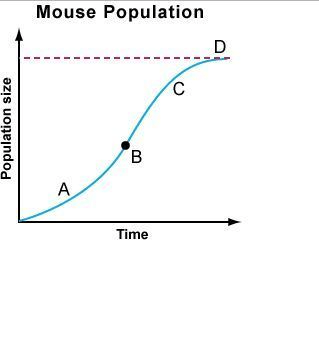 Public
Carrying Capacity
100
What is a "limiting factor"?
Something that limits the species of a population in an ecosystem
100
Which species increases first?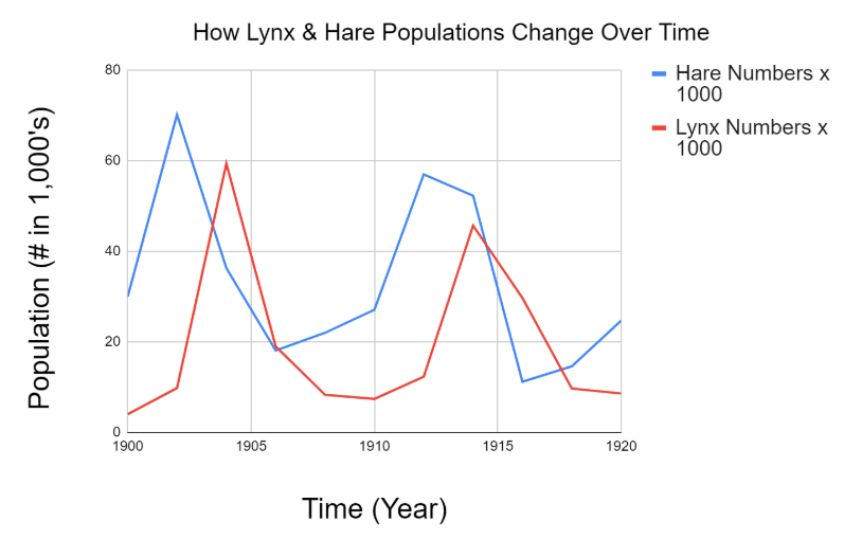
The hare
100
List at least 1 advantage to solitary (alone) behavior?
More resources, less disease, less fighting
100
A group of individuals of the same species.
What is in a population?
100
an organism that uses light energy to power chemical reactions.
What is a producer?
200
Define "Carrying Capacity"
the maximum number of individuals of a population that the environment can support is the...
200
Give at least 2 examples of a BIOTIC limiting factor.
Disease (bacteria), food availability, predators, etc.
200
True or False: there are more lynx than hares.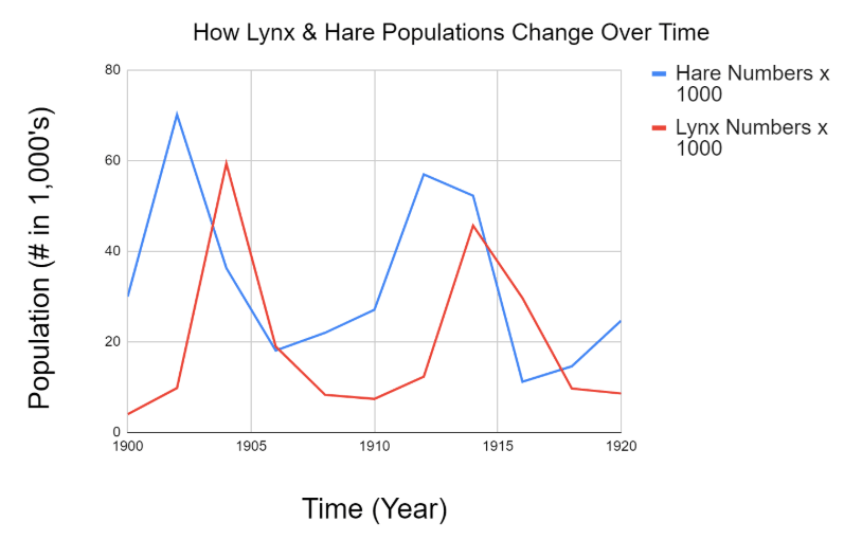
False - there are more hares in the ecosystem
200
List at least 2 advantages to living in a group?
Protection from predators, teamwork in hunting or in finding food, easier access to mates, thermoregulation (heat)
200
Biotic factors are living organisms and Abiotic factors are non-living factors in an ecosystem.
What is the difference between biotic and abiotic factors?
200
A Heterotroph that eats plants and animals.
secondary producer
300
What causes a population to level off and have logistic growth like in the graph shown below? (i.e. why can't a population just keep growing and growing?) 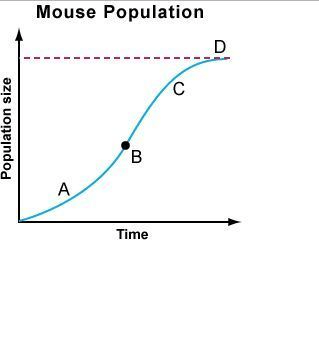
Limiting Factors
300
Give at least 2 examples of ABIOTIC limiting factors
drought, severe winter, natural disaster, virus-caused diseases, etc.
300
Why does the predator population lag behind the prey population? (i.e. predators increase AFTER the prey increase)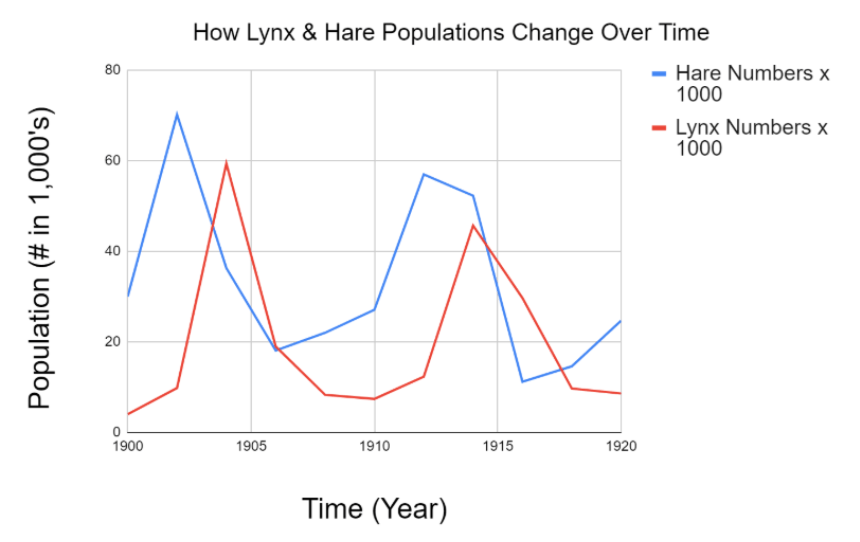
The prey is the food for the predator, so the increase in the prey means an increase in food for the predator. So, the predator population can grow.
300
List at least 2 disadvantages to living in a group?
Diseases spread more easily, resource competition, fighting, harder to hunt (because more easily spotted)
300
Study of interactions between different organisms in an ecosystem.
What is ecology ?
300
a heterotroph that eats dead organisms.
a decomposer
400
What is the carrying capacity? 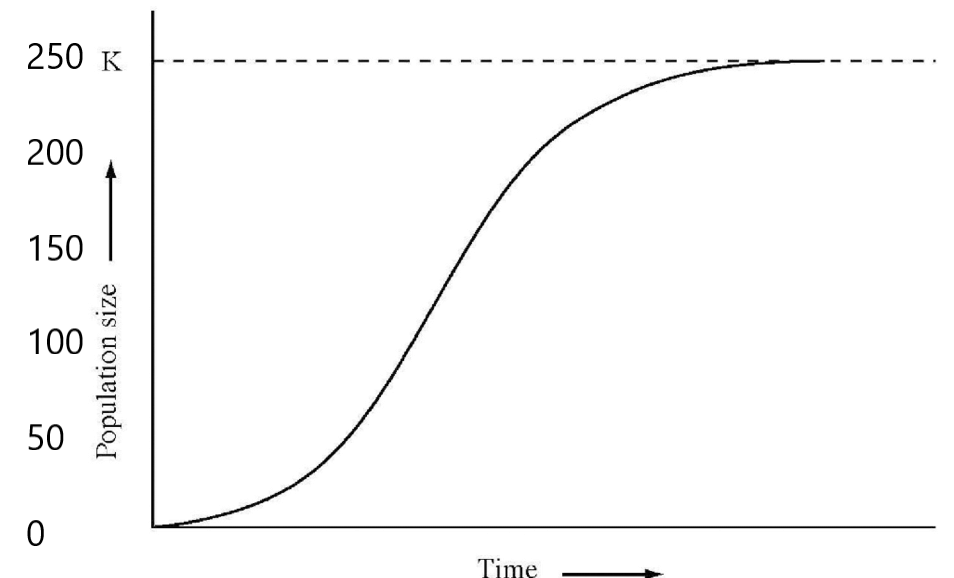
about 250
400
In a forest ecosystem, which of the following is the best example of a limiting factor for a rabbit population?
a. the robin (bird) population
b. amount of grass/flowers available
c. the amount of sunlight
d. rabbits have no limiting factors
b. amount of grass/flowers available
400
Why does the hare population decrease?
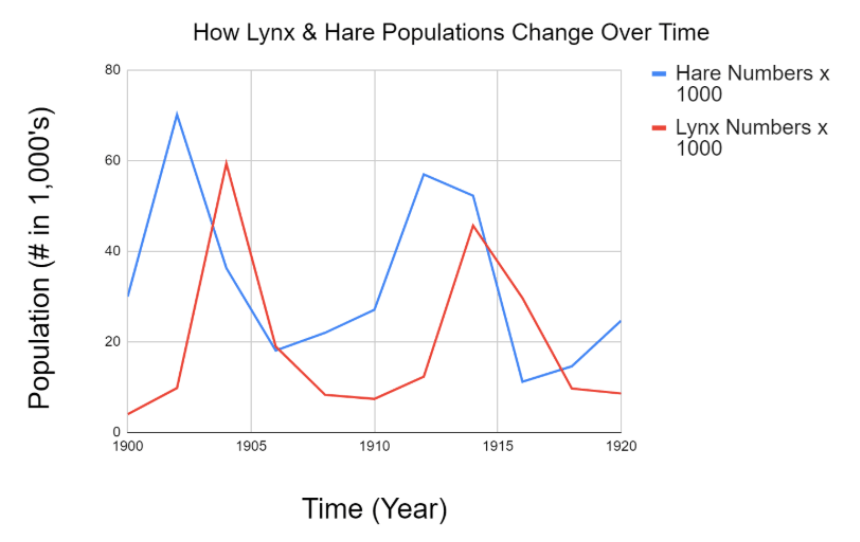
There are more predators at that time, so they are getting eaten more
400
What sets the carrying capacity? (hint - the hands in this picture)
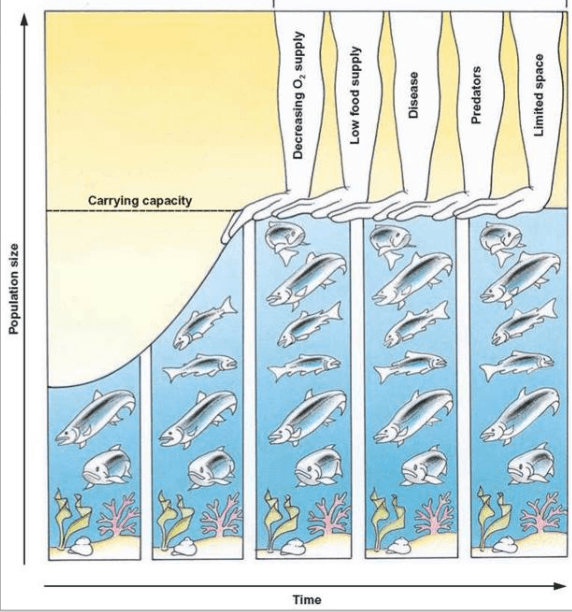
Limiting Factors
400
Aquatic and Terrestrial
What is 2 types of biomes?
400
Describe what a food chain represents.
A food chain shows how each living thing gets food, and how nutrients and energy are passed from creature to creature.
500
Which of the following might cause the carrying capacity of this rabbit population to DECREASE?
a. increase in food for a few years
b. fewer predators
c. harsh winters for a few years
d. more resources available in the ecosystem
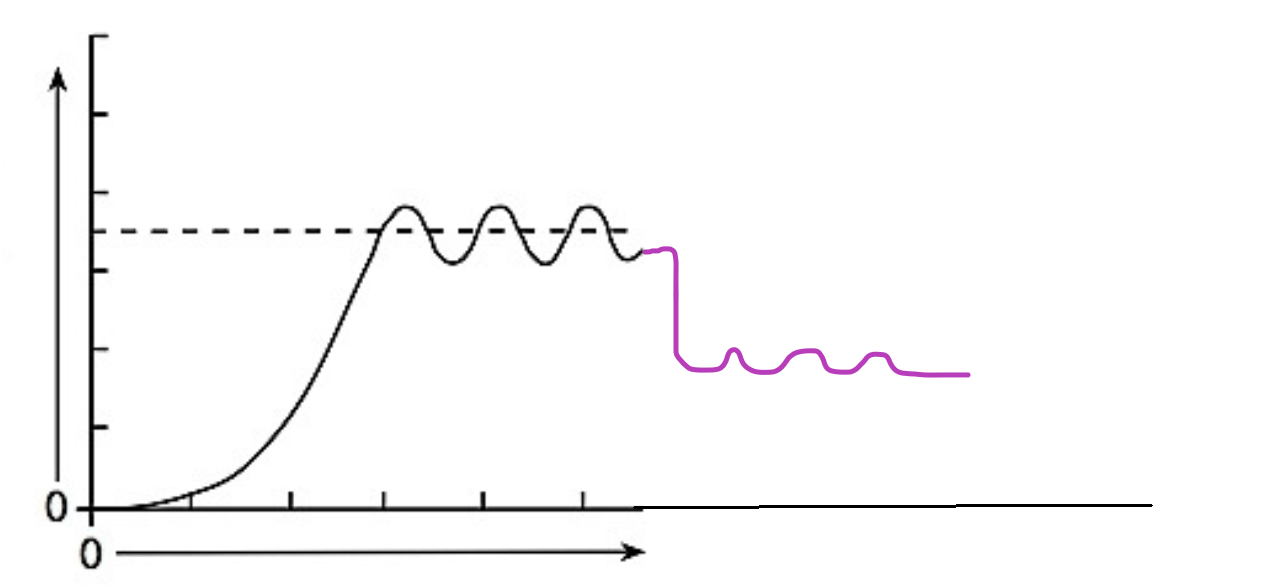
c. harsh winters for a few years
500
Based on this graph, what is the limiting factor for the hare population? 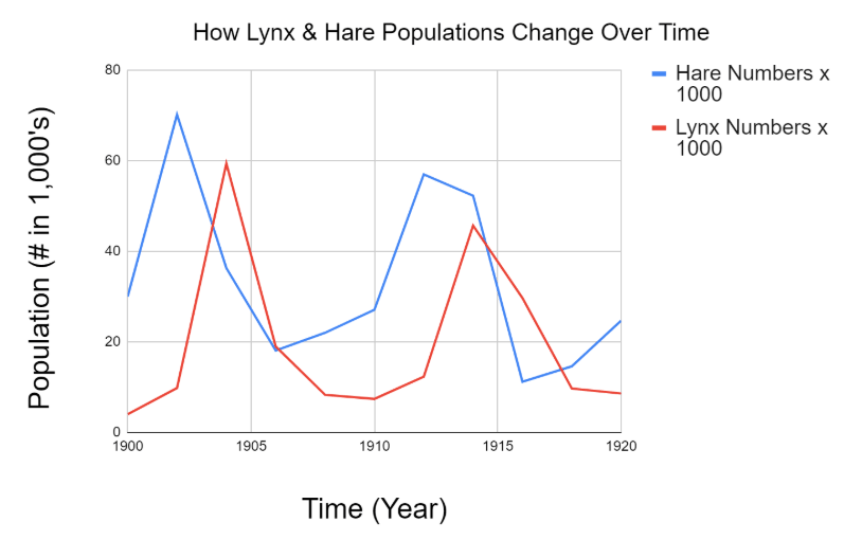
the lynx population
(just like what we saw with the ecological pyramids, there are more primary consumers like the hare than there are top predators like the lynx)
500
What is the limiting factor for the lynx? 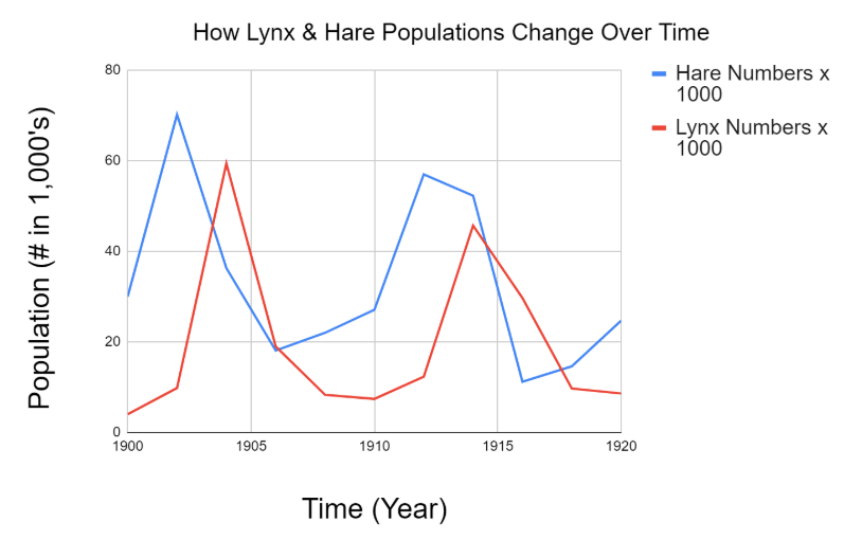
The hare
500
True or False: If two species compete for the same resources (eat the same food, live in the same area, etc.), then they will each have lower carrying capacities compared to if they lived alone.
True!
500
Organism, Population, Community, Ecosystem, Biome, Biosphere.
What are the levels of organization?
500
an organism that eats only secondary consumers
tertiary consumer