Earth, Moon & Sun
Rocks, Landforms & Changes
Water Cycle & Weather
Light, Energy & Matter
Physical Properties & Scientific Investigations
100
Which movement of Earth causes day and night?
Earth rotating on its axis.
100
What process breaks rocks into smaller pieces?
Weathering
100
What process happens when liquid water turns into water vapor?
Evaporation
100
What happens to light when it hits a mirror?
Reflection
100
What property compares how much mass is in a given space?
Density
200
Draw what a new moon is?
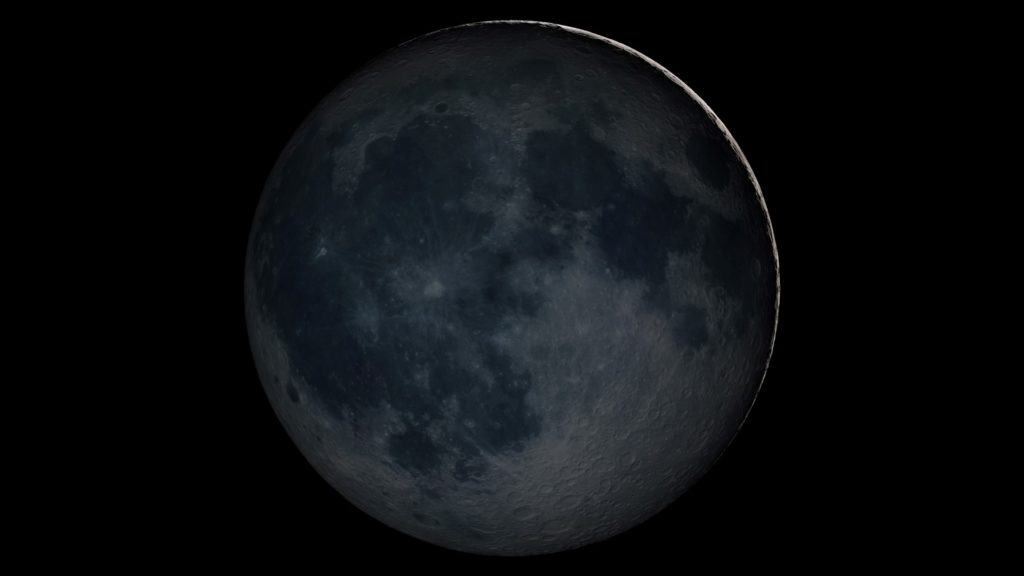
200
Which process moves sediment from one place to another?
Erosion
200
What process causes water vapor to change back into liquid water?
Condensation
200
Which object BEST reflects light: a mirror or a piece of black paper?
A mirror
200
What variable is changed on purpose in an investigation?
Independent variable
300
The picture shows the position of the Sun at 7:00 a.m.

Which direction is the Sun most likely rising from?
East
300
When a river slows down, what happens to the sediment it carries?
It is deposited
300
What provides the energy that allows water to evaporate?
Sun
300
Why does a lightbulb not turn on when a switch is open?
The circuit is incomplete
300
What variable is measured or observed?
Dependent variable
400
If it is noon, where would the Sun MOST likely be in the sky?
High overhead (near the middle of the sky)
400
What is the process of the creation of a sedimentary rock in order?
weathering, erosion, deposition, compaction, cementation
400
Why does water collect on the outside of a cold glass?
Condensation
400
How does light travel?
In a straight line
400
What variables are kept the same during an experiment?
Controlled variables
500
What causes shadows to move throughout the day, and how long does this movement take to repeat?
Shadows move because Earth rotates on its axis, and this cycle repeats every 24 hours.
500
How are the following landforms created:
Sand Dune
U-shape Valley
Delta
Sand dune: Wind
U-shape Valley: Ice/Glacier
Delta: Water (slow moving)
500
What is the difference between weather and climate?
Weather is short term and climate is long term
500
Why does a black T-shirt feel warmer than a white T-shirt on a sunny day?
Because black absorbs more light energy, while white reflects lights most light.
500
If an object floats, how does its density compare to water?
Less dense