GO
BEARS
MAROON
AND
BLACK
100
Q3: List the correct order of planets when listed from the greatest gravitational pull to the least?
Planet Mass (1024kg)
Venus 4.87
Earth 5.97
Jupiter 1898.00
Neptune 102.00
Q3: C. Jupiter → Neptune → Earth → Venus
100
Q8: The picture below shows the Sun, Earth, and the Moon.
Why are people on Earth able to see the Moon?
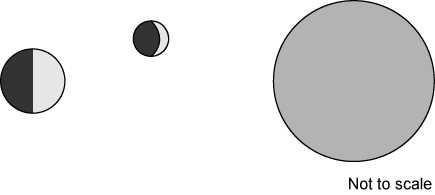
Q8: A.
The Moon orbits Earth and reflects light from the Sun back to Earth.
100
Q15: Which description best represents heat flow and movement in Earth's mantle?
Q15:
D. When magma is heated, it becomes less dense and rises. When magma is cooled, it becomes more dense and sinks.
100
Q30:
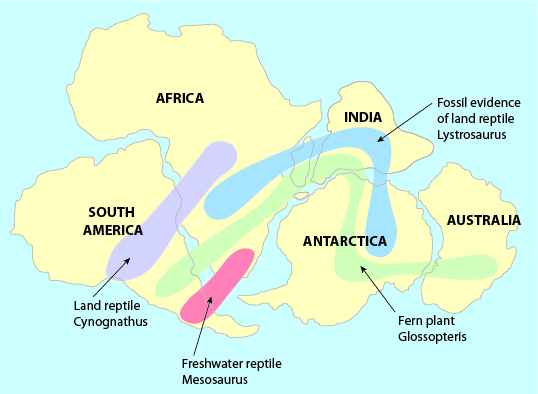
Q30:
A. The five continents were once connected.
AND
D. Glossopteris fossils were found on all continents.
100
Q23: The picture shows the Marble Canyon, a section of the Grand Canyon.
What formed this canyon?
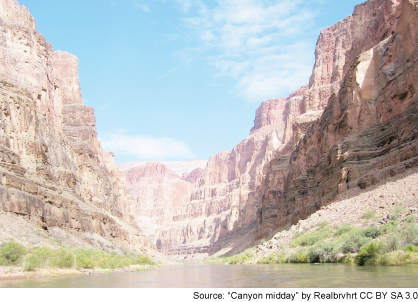
Q23:
A. the rushing movement of water from a river over millions of years, showing evidence of one way Earth's landscape has naturally evolved
200
Q4.
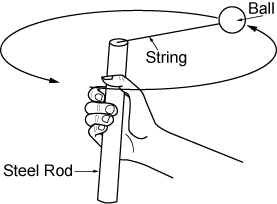
Which of the model components illustrates the effect of gravity?
Q4:
B. the string
200
Q9:
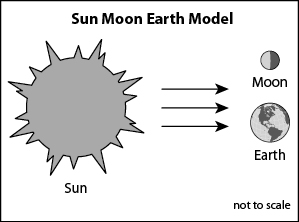
How could this model be altered to correctly illustrate a lunar eclipse?
Q9.
The Moon should be moved to the right of the Earth, directly in line with the Sun’s rays.
200
Q14:
The list describes one of Earth's layers.
- Composed of iron and nickel
- Contains both liquid and solid parts
- Extremely hot
What is the list describing?
Q14:
A. the core, because strong pressure and temperature create both liquid and solid parts.
200
Q19: Which two rocks in the table would be classified as metamorphic rocks?
Q19:
D. Gneiss
F. Slate
200
Q24: Adrian is making a model to show how burning coal and other fossil fuels pollutes the air and can cause acid rain. In the model, she wants to show what would most likely happen to rocks and the surface of the Earth if humans continue to pollute the air by burning fossil fuels. Which of the following should she show in her model?
Q24:
B. Acid in rain chemically weathering rocks, speeding up the process of erosion on the surface of Earth.
300
Q5.
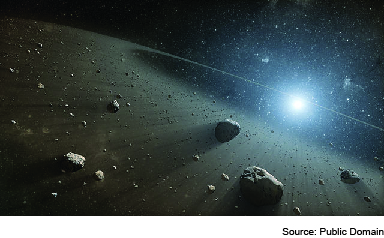
Which objects most likely make up the ring in this picture?
Q5:
B. asteroids
300
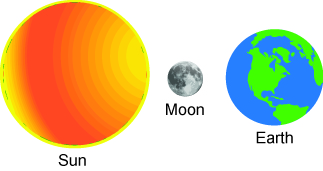
Q10. Draw a solar eclipse.
Q10: C.
300
Q16:
Ms. Johnson is teaching her students the differences between rocks and minerals. Which table should Ms. Johnson use to best show the differences? (ABCD?)
Q16: D.
Rock Mineral
No definite shape Definite shape
Must be formed Occurs naturally in nature
Can be made of many minerals Made of one or more elements
300
Q20: Justin noticed several cracks in the sidewalk. Weeds were growing through them, causing the cracks to expand. What process is this?
Q20: D. Weathering
300
Q25. Which table matches each kind of plate movement to the landform that it most likely creates? (ABCD?)
Q25: B.
Plate Movement Landform
Createdcontinental plates collide mountain
continental plates separate rift valley
oceanic plates collide trench
oceanic plates separate mid-ocean ridge
oceanic and continental plates collide volcano
400
Q6. While gazing through a telescope, Elexi noticed a bright spot moving fast through the sky. On closer examination, she observed that the spot was followed by a stream of dust. Elexi most likely observed
Q5: B. Comet
400
Q11: What would most likely happen if Earth were not tilted on its axis?
Q11:
A. There would be no seasons on Earth.
400
Q17. What is the Mohs hardness scale used to figure out?
Q17.
D. which minerals can scratch other minerals
400
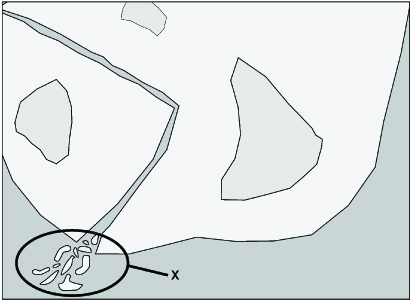
Q22: The diagram shows a geographic feature.
Based on the diagram, structure X is
Q22:
A. a delta that is changing due to sediment deposits from ocean currents.
400
Q26. Three geographic and scientific observations are listed below.
I. The continents fit together
II. Similar fossils are found on separate continents
III. Different types of geographical landforms are found all over the world
Which of these observations supports the theory of continental drift?
Q26: B. I and II
500
Q7: The picture below shows Earth and the Moon, with positions Q, R, and S.
If the Sun's rays are coming directly from either position Q or S, select two phases that the Moon could be
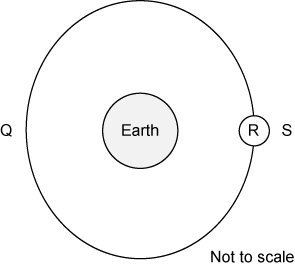
Q7:
A. Full moon
D. New moon
500
Q29: A student is designing an investigation that will model the formation of soil. Why is it important that the student include organic material as a component of the investigation?
Q29:
D. Organic material will be decomposed by fungi and bacteria and eventually form humus. Humus contains nutrients that plants need to live
500
Q13.
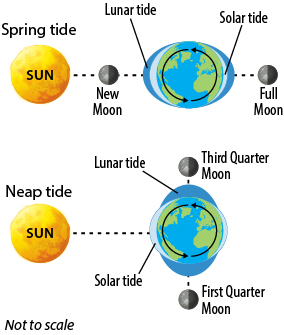
Which two factors cause these ocean tides?
Q13:
C. the Sun's gravitational force
D. the Moon's gravitational force
500
Q21. The diagram models a rock before and after undergoing some process.
Which process is most likely modeled by the diagram?
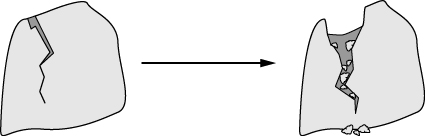
Q21:
A. Water weathering the rock, settling in the crack and freezing, then breaking the rock as it expands.
500
Q28: The diagram shows different soil layers.
Which layer most likely contains the most rocks and the least amount of organic matter?
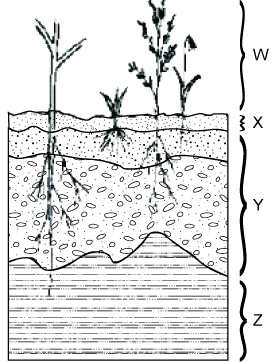
Q28:
D. Layer Z