Cell Cycle
General Mitosis
More Mitosis!
Cell Division
DNA Replication
100
Cell division is also known as
Mitosis.
100
How many phases make up mitosis?
4
100
During _____________ the chromosomes are pulled to opposite ends of the cell.

Telophase
100
Cell division allows an organism to create more of itself without a partner or other gametes. This is called what?
Reproduction (asexual)
100
The enzyme that unzips the DNA double helix
Helicase
200
This is the longest phase in the cell cycle.
Interphase
200
During _____________, the spindle fibers start to pull the chromosomes apart.

Anaphase?
200
Name the phases of the cell cycle in order.
Interphase, prophase, metaphase, anaphase, telophase, cytokinesis
200
This phase of the interphase where the cell prepares for cell division by replicating its DNA
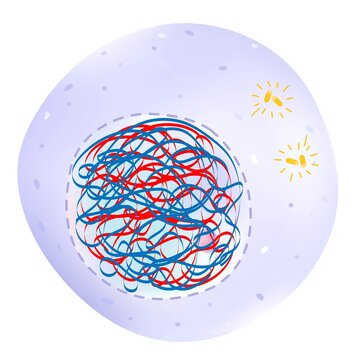
S Phase
200
The enzyme that builds complementary DNA bases.
DNA Polymerase
300
The cell cycle results in two genetically _________ daughter cells.
identical
300
During __________, the DNA condenses into chromosomes.
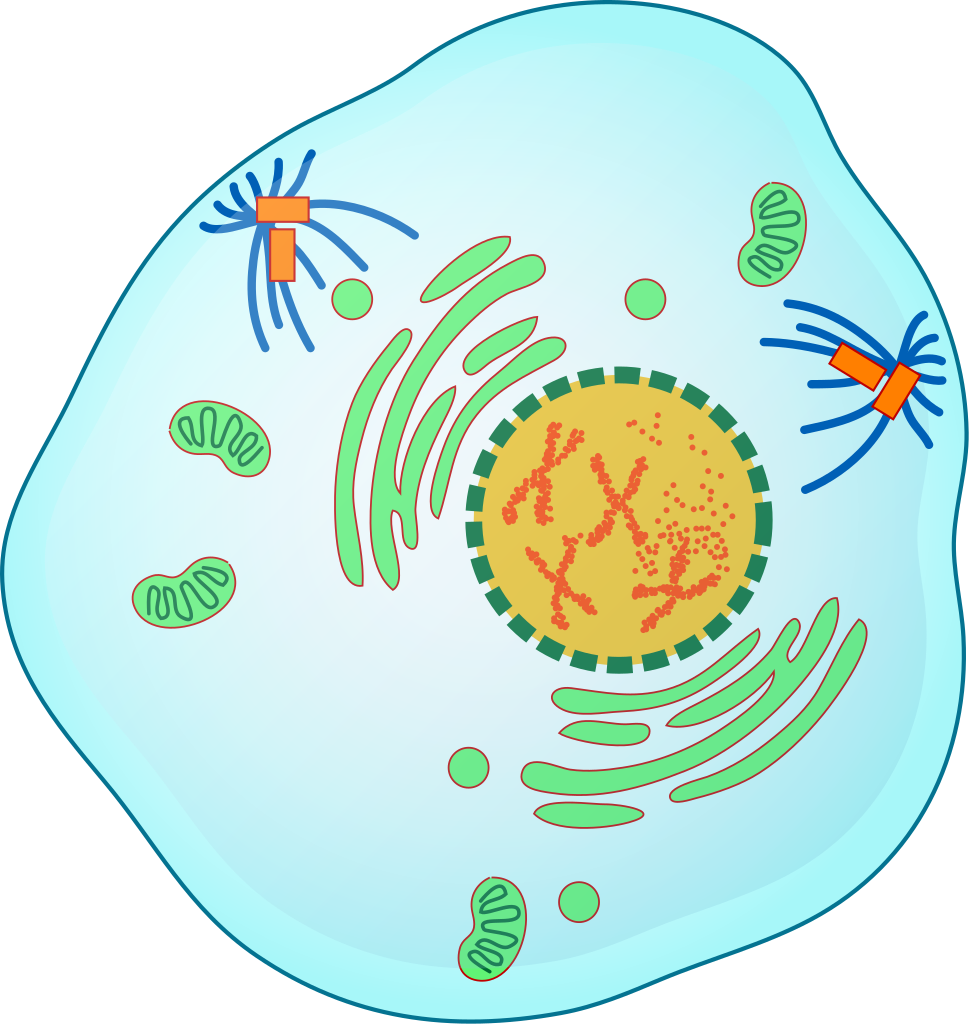
Prophase
300
True or false: metaphase comes after prophase.
What is true?
300
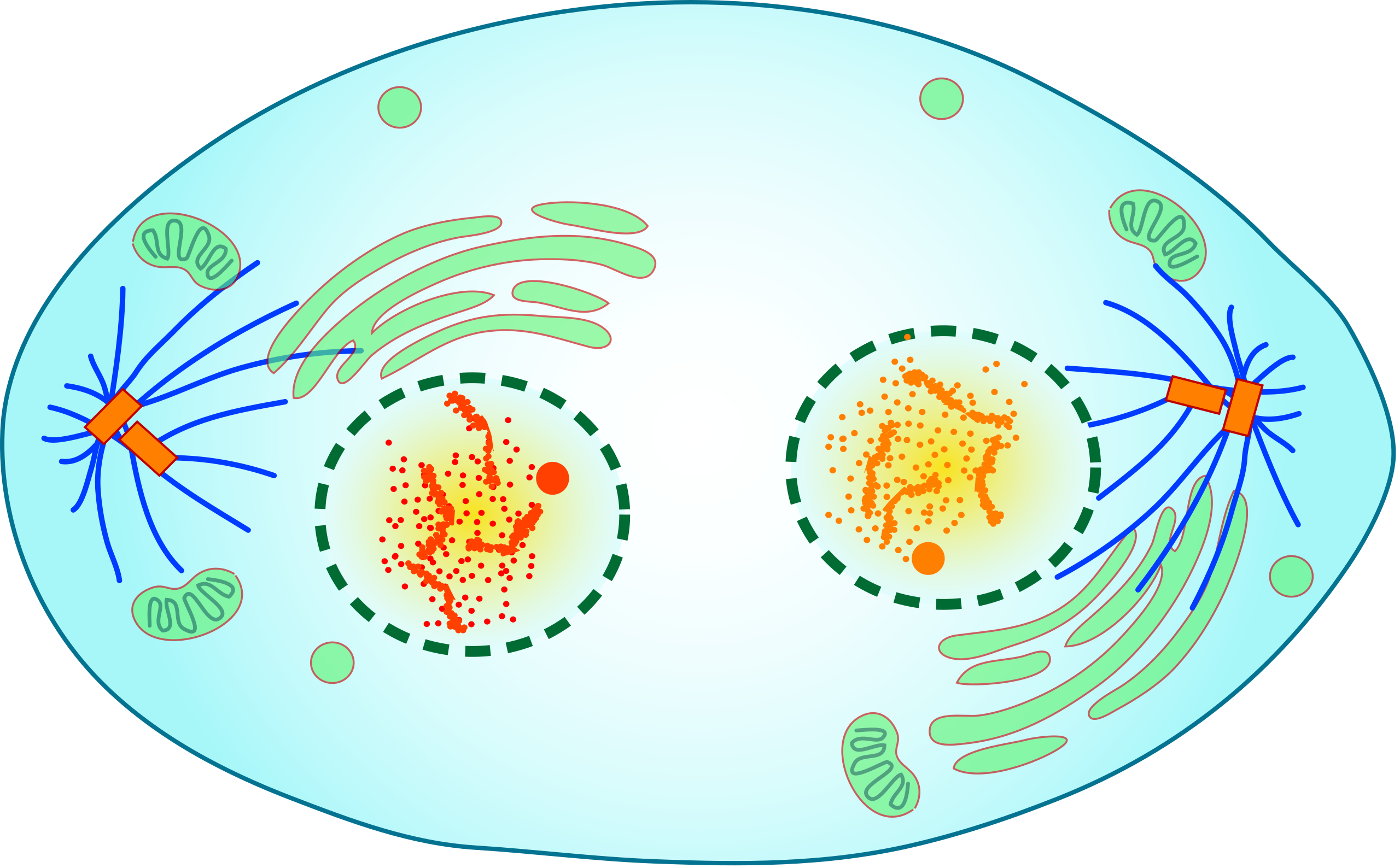
During telophase, this happens.
There are "two" nuclei forming at opposite ends of the cell.
300
What enzyme is responsible for helping DNA polymerase by telling it where to build with primer?
Primase
400
The part of the cell cycle where the cell grows, copies the DNA and organelles, and prepares to divide is called the ________________.
Interphase?
400
During ____________, the chromosomes line up along the center of the cell.

Metaphase?
400
During metaphase, the chromosomes do this.
What is line up along the center?
400
True or false: The centrioles are the "rope" that pulls the chromosomes and spindle is the anchor. They both work to help with cell division.
False
400
What is the enzyme that finishes DNA Replication by gluing together fragments of DNA
Ligase
500
Put the following stages of cell cycle in order.
3,6,1,4,2,5
500
List the phases of mitosis in order.
Prophase, Metaphase, Anaphase, Telophase
500
During prophase, this happens.
What is DNA condenses into chromosomes.
500
If a cell divides without stopping at checkpoints or skipping checkpoints it can possibly result in _______.
Cancer
500
Write the complementary DNA bases that would be across from A C T G C T A C on a DNA strand.
T G A C G A T G