Cell Structure and Function 1
Cell Structure and Function 2
Cell Structure and Function 3
Cell Structure and Function 4
Cell Structure and Function 5
300
Protective phospholipid layer ALL cells have
Cell Membrane
300
This type of cell has a cell wall, a large central vacuole and chloroplasts
plant cell
300
How does the shape of the plant cell differ from an animal cell?
Plant cells have a more rigid rectangular shape.
300
Makes Protein; ALL cells have these
Ribosome
300
Cell’s control center, holds DNA
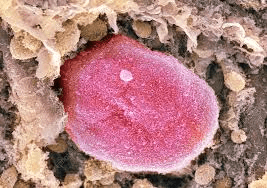
Nucleus
300
Rigid outer layer that for protection & support in plant cells.
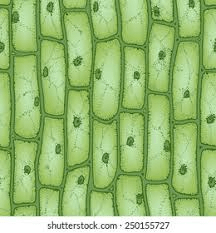
Cell Wall
300
Found only in PLANT cells. Performs photosynthesis.
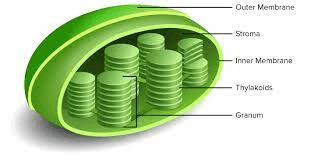
Chloroplast.
300
Converts food into energy during cellular respiration.
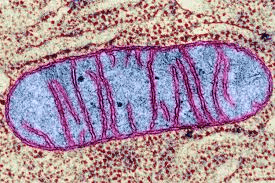
Mitochondria
300
Breaks down food, recycles worn-out cell parts, destroys germs
Lysosomes
300
Fluid that fills up the space inside the cell.
Cytoplasm
400
Stores food, water, and waste; extra large in plant cells
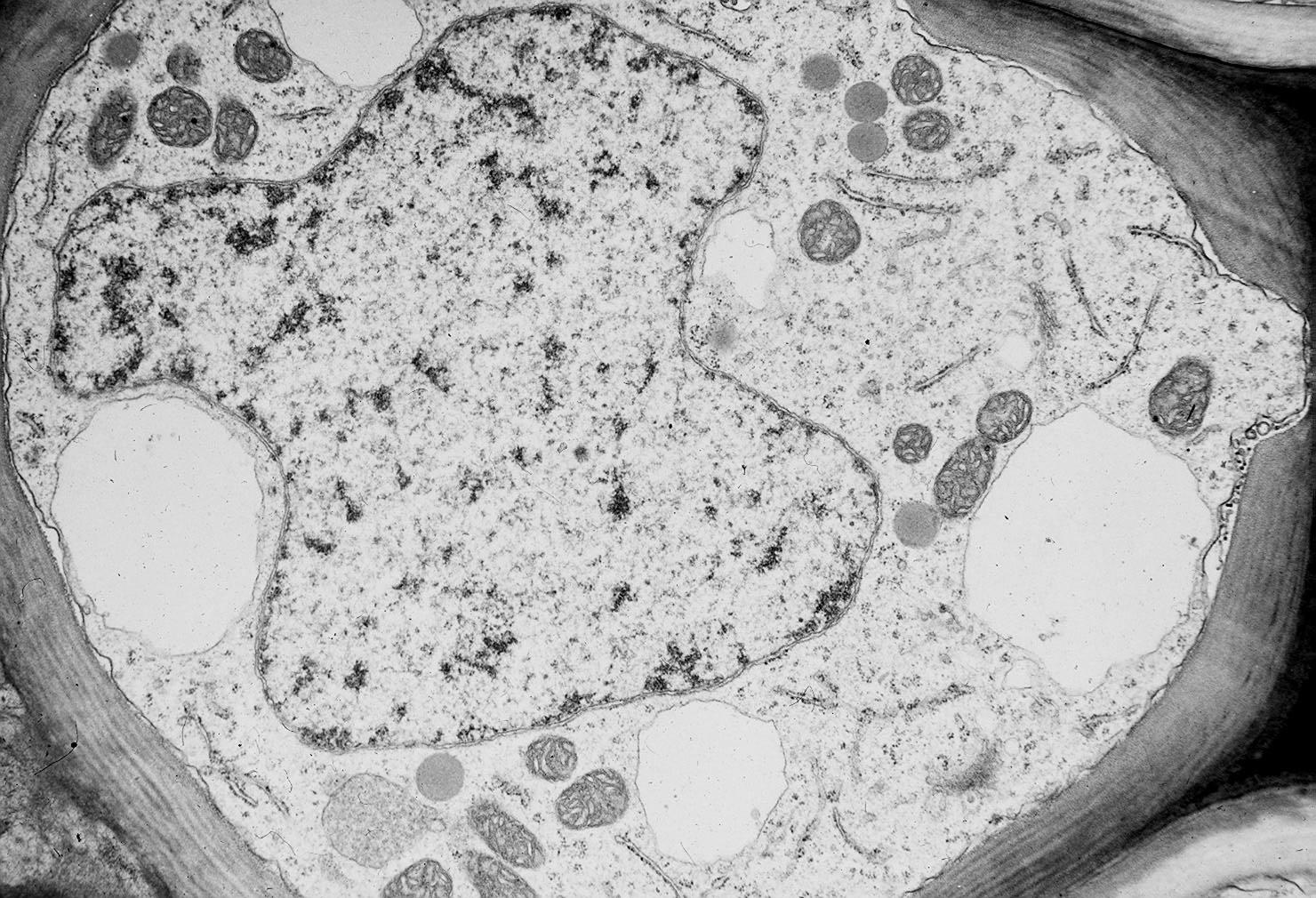
Vacuole
400
Hair-like structure that functions in movement.
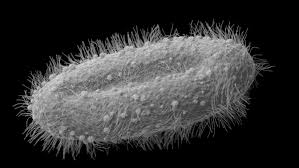
Cilia or Flagella
400
Packages molecules to be transported out of the cell.
Golgi Apparatus
400
A tool used to view cells.
Microscope
400
Coded instructions for reproducing & controlling cell
Chromatin, chromosomes.
400
Web of proteins that gives shape & support to cell
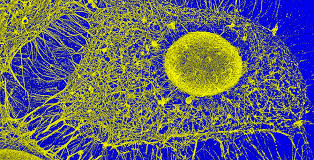
Cytoskeleton
400
Does not have ribosomes on it; Makes and stores lipids and transports them
Smooth Endoplasmic Reticulum
400
What structures are found in plant cells that are not found in animal cells?
cell wall and chloroplasts
400
Tightly coiled DNA in the nucleus during cell division.
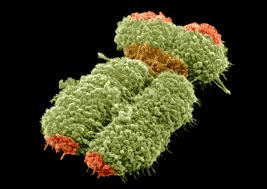
Chromosomes
400
This green pigment in chloroplasts that absorbs solar energy. 
Chlorophyll
500
Does a prokaryote cell has a nucleus?
no
500
What organelle is this?
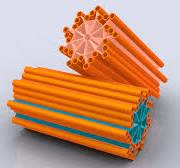
Centrioles
500
Transports materials inside the cell

Vesicles
500
Not actually an organelle, but is a jelly-like substance that supports the organelles.
Cytoplasm
cyto - "cell"
-plasm - "something molded or formed", "the substance of a cell"
500
5 organelles shared by plants & animals.
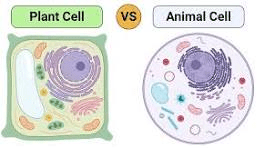
cell membrane, nucleus, cytoplasm, mitochondria, endoplasmic reticulum, ribosomes, Golgi apparatus, and vacuoles