Cells 101
Plant vs. Animal Cells
Cell Parts & Functions
Microscopes & Tools
Microorganisms: Helpful or Harmful
Claims, Evidence & Scenarios
100
What are cells?
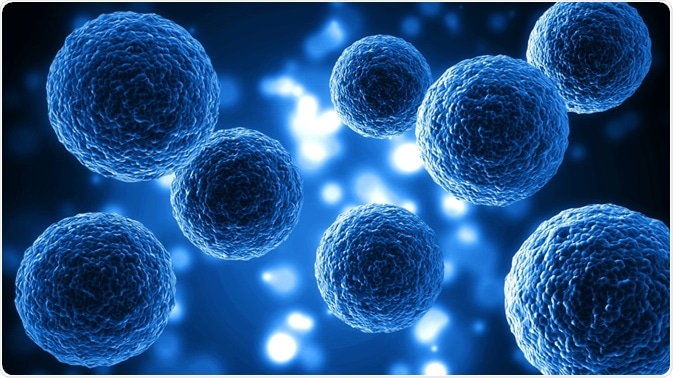
the basic building blocks of all living things.
100
This structure is found in plant cells but NOT animal cells.

cell wall
100
This organelle is known as the “control center” of the cell.
nucleus
100
This tool is BEST for seeing organisms too small to be seen with the naked eye.
a microscope
100
Organisms so small they can only be seen with microscopes are called ________.
microorganisms
100
Which structure is responsible for controlling cell growth and containing genetic information?
nucleus
200
What is unicellular?
** HINT**
What does uni mean?
An organism made of only one cell
200
These two structures help plant cells make food and stay rigid.
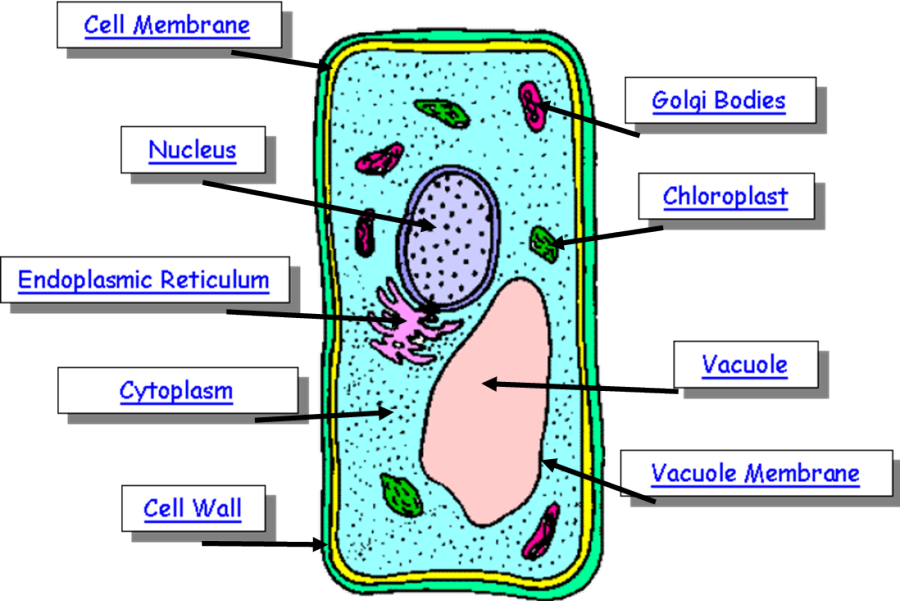
chloroplasts and cell wall
200
This jelly-like substance holds the organelles in place.
cytoplasm
200
Why is a microscope better than a magnifying glass for viewing cells?
A microscope shows structures inside cells that are too small to see.
200
This type of bacteria helps make yogurt and aids digestion.
Lactobacillus
200
A strawberry grows mold after being left out. What caused this change?
:max_bytes(150000):strip_icc()/is-It-dafe-to-eat-strawberries-w-fluffy-white-stuff-on-them-1e8627762b6b42bf8418ecbb4415303c.jpg)
Harmful microorganisms caused decay.
300
Robert Hooke discovered cells when he looked at a thin slice of cork using this tool.
What tool did he use?

A microscope
300
Which two structures are found in BOTH plant and animal cells?
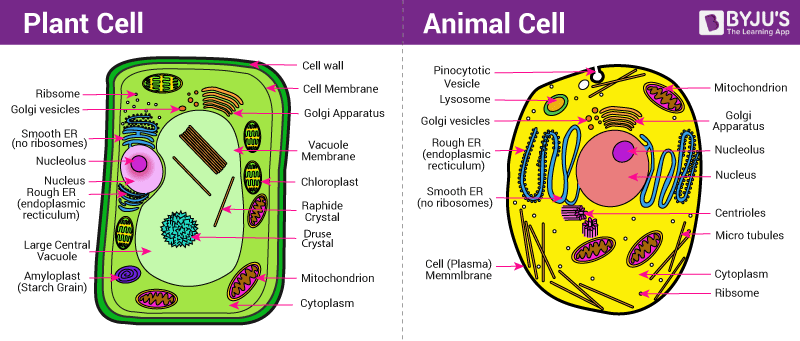
nucleus and cell membrane
300
This structure controls what enters and leaves the cell.
cell membrane
300
Which argument BEST supports the claim that microscopes are valuable tools for scientists?
All matter has parts that are too small to be seen without magnifying them.
300
Which is NOT a benefit of bacteria?
HiNT * Look at picture * 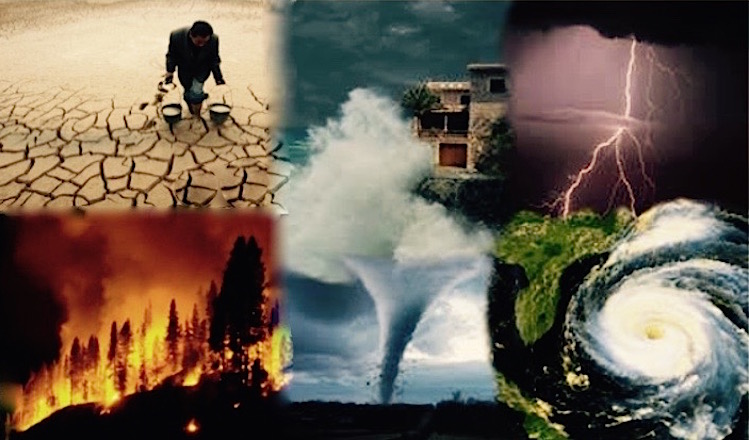
Helping protect humans from harsh weather.
300
Which evidence shows bacteria act as decomposers in the environment?

Bacteria breaking down dead plants or animals.
400
Explain why tissues, organs, and organ systems depend on cells to function properly.
Cells form tissues, tissues form organs, and organs work together in systems to perform life functions.
400
Animal cells are more flexible than plant cells. What structure causes this difference?
** HINT **
What's the difference on the outer layer?
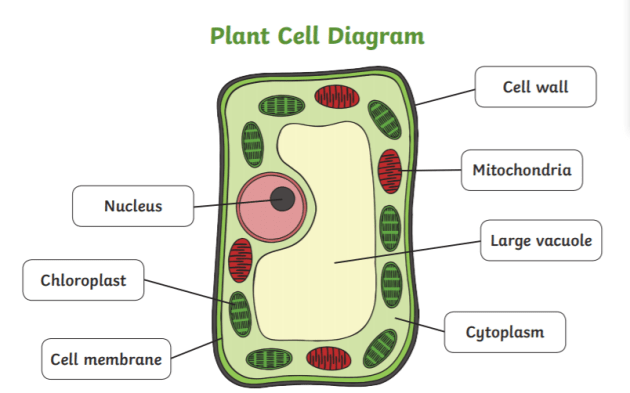
plants cells have a cell wall
400
Match the organelle to its city analogy:
• Mayor / City Hall
* HINT * think about the most important organelle*
nucleus
400
A student wants to study blood cells. Which tool should they use and why?
A microscope, because blood cells are too small to see without magnification.
400
E. coli lives in the human body but can cause illness if uncontrolled. What does this show?

Some microorganisms can be both helpful and harmful.
400
A student claims bacteria are helpful. Give ONE piece of evidence that supports this claim.
HINT** peep the picture
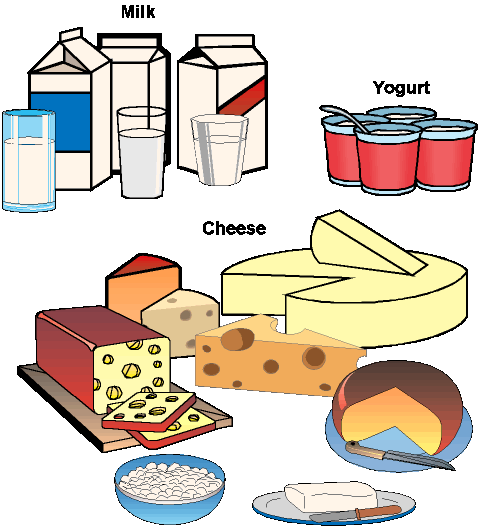
Some bacteria help with digestion or make foods like yogurt and cheese.
500
Which claim is best supported by the discovery of cells?
Living organisms are made of tiny individual units.
500
A student draws a plant cell without chloroplasts. What important function is missing?
The ability to make food using sunlight.
500
If the nucleus of a cell is damaged, what would MOST likely happen to the cell?
The cell would lose control and would not be able to function properly.
500
A student uses a microscope but cannot see details clearly. What is the MOST likely mistake?
HINT** You look through the eyepiece and use the what to SEE the organism?
They are not using the correct focus or magnification.
500
Which evidence BEST supports the claim that some microorganisms are harmful?
Harmful microorganisms can cause food to decay and make people sick.
500
Which claim is BEST supported by evidence from microorganisms found on unwashed hands?
Harmful bacteria can spread and increase the chance of getting sick.