Dracula's favorite topic
More Respiration, Less Perspiration
Do mussels have muscles?
Dem bones, dem bones, dem-skin & bones....
Weird & Wacky
100
The thing in blood that makes it red.
Hemogoblin....or globin.
100
This is the major breathing muscle, and it contracts when you inhale. (No, it's not lungs, which are not muscles)
The diaphragm.
What's up with that 'g' stuck in there???
100
Muscles that you can control by thinking about what you want them to do.
Voluntary.
Boss those muscles around!
100
This type of bone is longer than it is wide, but is not flat.
Long Bone.
Dem bones, dem bones, dem..loooong bones.
100
What thing does Adipose tissue store? (Hint, it's not Cheesey Dibbles)
Phat!
(or fat)
200
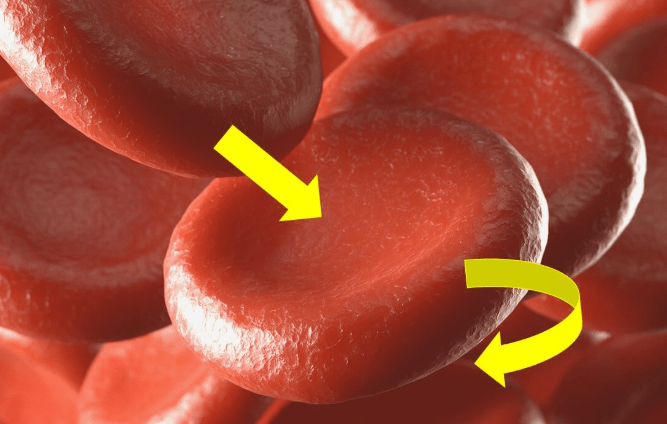
Which of these describes the shape of a red blood cell:
A. Biconcave
B. Basophilic
C. Biconvex
D. None of these
A. Biconcave
200
If you have more alveoli, you'll have:
A. More red blood cells
B. More oxygen getting to the lungs
C. More white blood cells
D. Less oxygen getting to the lungs
B. More oxygen getting to the lungs
Alveoli provide more surface area for oxygen, which means better breathing
200
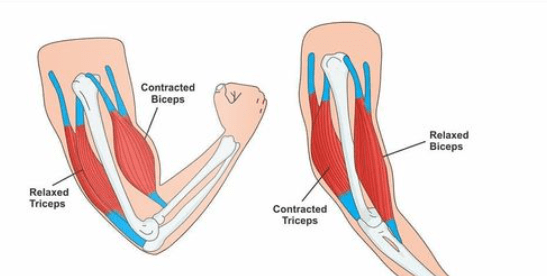
This is what you call two muscles that work in opposite ways:
A. Intermediate
B. Protaganists
C. Brachii
D. Antagonists
D. Antagonists
Skeletal muscles always have antagonists so we can move around. When one gets shorter, the other gets longer.
200
When a blood vessel breaks & the surrounding area is flooded with blood is called:
A. Hematoma
B. Epiphysel
C. Medullary rupture
D.
A. Hematoma
A bruise usually involves damage to skin and tissue in the body which results in swelling and skin discoloration. A hematoma is caused by damage to the blood vessels, which causes blood to pool in the affected area.
200
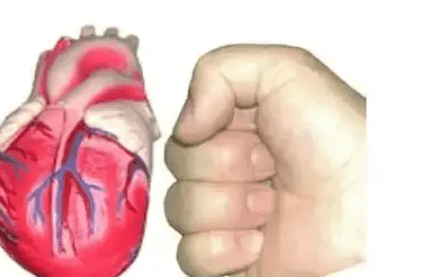
What is the average size of your heart?
About the size of your closed fist
300
Which of these is responsible for clotting your blood:
A. Platelets
B. Neutrophils
C. Lymphocytes
D. Adipose cells
A. Platelets
(We would have accepted platterlets)
300
The motion of a substance from an area where there is a lot of that substance to an area where there is less of that substance is called:
A. Diffusion
B. Defraction
C. Gradient
D. Glucosalation
A. Diffusion
Yay, you got it right!

300
Myofibrils are made of:
A. Two different proteins
B. All three macronutrients
C. Three kinds of pepper jelly
D. Four different carbohydrates
A. Two different proteins
(Have I had my fiber today???)
300
These guys will break down the bone if needed, such as when the body is running low on calcium. Who are they?
A. Osteoblasts
B. Osteomilitis
C. Osteoclasts
D. Osteocytes
C. Osteoclasts
*Remember, your the osteos have a 'blast' building your bones, and the osteocytes hang out at the 'site' to keep an eye on things.
300
How many bones does an adult have?
A. 206
B. 270
C. 312
D. 370
A. 206
Babies have around 270, but they fuse together while growing up.

400
Which of the following is NOT a function of the blood:
A. Carries Oxygen to tissues
B. Fights foreign agents in the body
C. Regulates body temperature
D. Picks up CO2 and delivers to the lungs
C. Regulate body temperature
Your Hypothalamus does that, and your body fat helps regulate as well.

400
This is an important structure that's perched ontop of the larynx (voicebox) & keeps food and water from sneaking into your trachea/ airway.
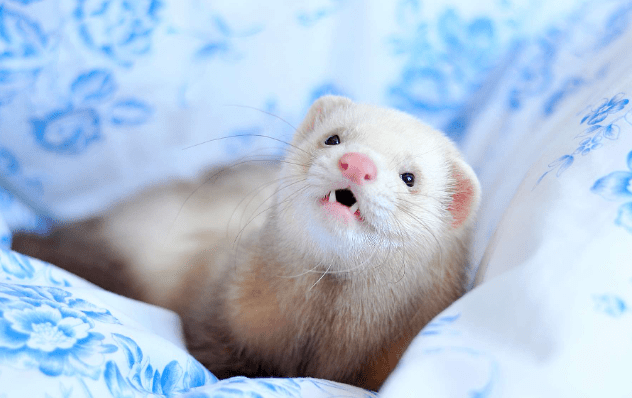
The Epiglottis, which hopefully you will name your first-born child after. Or at least a pet ferret.
400
Which chamber does oxygentated blood enter in the heart?
A. The left atrium
B. The right atrium
C. The left ventricle
D. The right ventricle
A. The left atrium *remember an atrium can be a gathering place.
The oxygentated blood gathers in the atrium, and then is shoved into a ventricle. Think of an atrium getting too crowded, and you leave it to get some better ventillation.
400
What part of the bone does hemopoiesis?
A. The Callus
B. Yellow bone marrow
C. Red bone marrow
D. Ossification Chamber
C. Red bone marrow
What's a skeleton's favorite winter drink???
400
This fluid defys the normal pattern of a liquid. It lubricates the joints, helps protect the joints from smashing into each other by stiffening on impact, and donates nutrients to your cartilage.
What is it called???
Synovial fluid.
(Gatorade of the joints)
500
The process by which blood cells are made. (The exact name!)
Hemopoiesis.
Aren't you glad you didn't have to spell it?
500
The maximum volume of air that can be inhaled or exhaled. (Exact wording!)
Vital Capacity.
500
Where does the oxygenated blood go to once it leaves the left ventricle? (Need exact name)
The aorta
It's the super highway for the oxygenated blood, and feeds Oxy. blood into all arteries- but the pulmonary artieries.
500
The process of forming bone tissue is called this:
Ossification

500
This is the condition where the skin turns blue:
A. Tinea versicolor
B. Methemoglobinemia
C. Azure Roseace
D. Cyan Keritosis
B. Methemoglobinemia (met-he-mah-glo-ba-nee-me-uh)
No worries if you couldn't pronounce it, it's a doozy.