Nationalist Movements and Post-Independence Struggles
Post-Independence Leadership and Economic Development
Iran and South Africa's Unique Revolutions
South Africa's Transition and Political Changes
Economic and Social Challenges in Postcolonial Nations
100
Which groups were primarily mobilized during the nationalist movements in Africa, the Middle East, and Asia?
Peasants and working-class individuals.
100
What political strategy did many emerging nations in Africa, the Middle East, and Asia pursue after independence?
Charismatic populism, military rule, and state-led economic programs.
100
Which country faced delayed liberation and required a unique revolution distinct from traditional decolonization?
Iran
100
Which South African leader's reforms contributed to the dismantling of apartheid?
F. W. de Klerk.
100
What key factor worsened economic development in many postcolonial nations after independence?
Economic Underdevelopment
200
What was one major issue that leaders faced after independence?
Internal social and ethnic divisions.
200
Which country's leader, Kwame Nkrumah, attempted to implement socialist policies after independence?
Ghana.
200
Who led the 1979 religious revolution in Iran?
Ayatollah Khomeini.
200
What was the outcome of South Africa's 1994 democratic elections?
Nelson Mandela became South Africa's first black president.
200
How did rapid population growth impact the infrastructure of postcolonial nations?
Many nations lacked the industrial infrastructure to support growing urban populations.
300
What aspect of colonial borders contributed to political instability in many postcolonial nations?
Former colonial boundaries were often arbitrarily drawn, intensifying ethnic and religious rivalries.
300
What undermined Nkrumah's socialist policies in Ghana?

Economic difficulties, political opposition, and declining cocoa prices.
300
What type of regime did Khomeini establish in Iran after the 1979 revolution?
A theocratic regime.
300
What type of government did South Africa move toward after the end of apartheid?
Hint: A system where multiple groups with diverse interests influence government decisions
Pluralist democracy.
300
What was one cultural challenge that exacerbated population issues in postcolonial nations?
Hint: Was caused by opposition rooted in religious, cultural, or ethical beliefs
Resistance to birth control and cultural norms favoring large families.
400
What was a significant demographic challenge faced by postcolonial nations after independence?
Population explosions, as healthcare improvements reduced death rates without a corresponding decline in birth rates.
400
Which Egyptian leader implemented land reforms and expanded state control over industry after independence?
Gamal Abdel Nasser.
400
What was a major challenge faced by Iran after the revolution?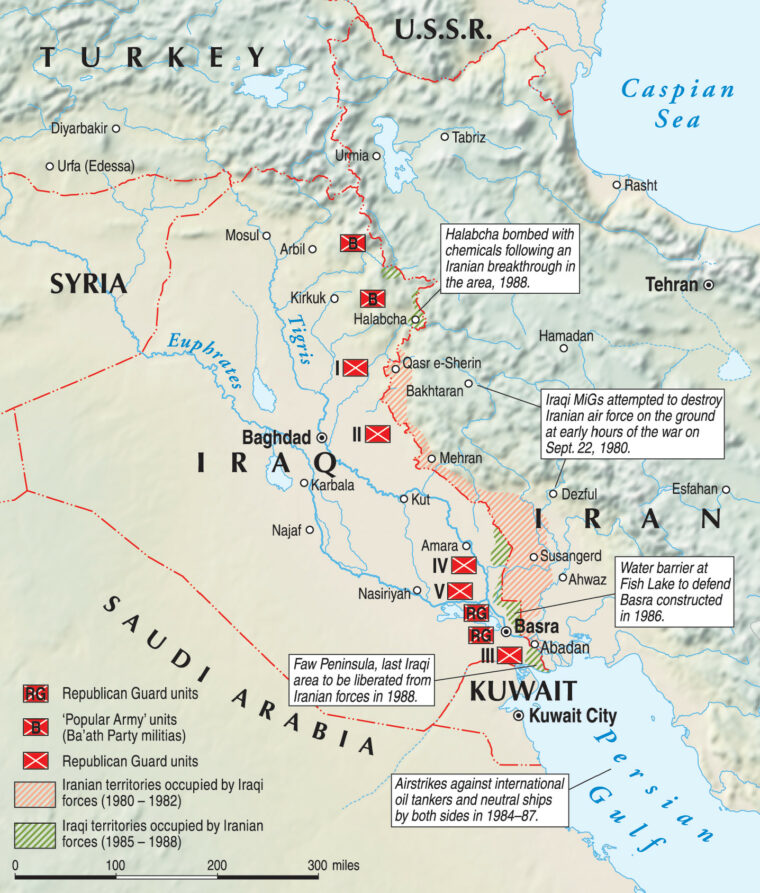
Iran-Iraq War
400
What international action intensified resistance to apartheid in the 1980s?
International sanctions.
400
What issue arose in urban areas due to migration from rural regions?
Overpopulation/inadequate services/social unrest.
500
How did the rapid population growth impact urban areas in the postcolonial world?

It led to overpopulation, inadequate services, and social unrest, complicating governance and economic development.
500
What did Nasser's successors, including Anwar Sadat, shift towards after his rule?
Privatization and pro-Western policies.
500
Which South African policy institutionalized racial segregation and economic dominance by the white minority?
Apartheid
500
Despite the end of apartheid, what ongoing issues did South Africa face?
Ethnic tensions and economic inequality.
500
African, Middle Eastern, and Asian leaders often blame this term for continuing the effects of colonialism and keeping former colonies in an unfair economic situation.
neocolonial economy