Vocab
Pre-Civil War
Civil War 1
Civil War 2
Post-Civil War
X-Factor
100
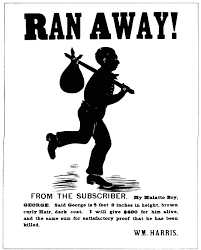 a person who flees or tries to escape (for example, from slavery)
Fugitive
100
What compromise said that slaves were not considered to be an entire person?
3/5ths Compromise
100
The primary economic activity of the South was manufacturing. True or False?
False
(It was agriculture)
100
What was the significance of the Battle of Bull Run?
It proved that a quick victory was impossible.
100
the United States as one nation united under a single government. During the Civil War, this came to mean the government and armies of the North.
the Union
100
Who killed Abraham Lincoln?
John Wilkes Booth
200
an order issued by President Lincoln on January 1, 1863, declaring slaves in the Confederate states to be free
The Emancipation Proclamation
200
The number of Representatives for the House of Representatives that each state gets is based on __________________.
the population of the state.
200
When the Civil War began, what was Abraham Lincoln's main goal?
To preserve the Union
200
Which of these was the greatest cause of death in the Civil War?
Disease (from infections to wounds)
200
The era following the Civil War is known as?
Reconstruction
200
What was the event called where pro and anti slavery forces met and fought, causing over 50 deaths?

Bleeding Kansas
300
a way of reaching agreement in which each person or group gives up something that was wanted in order to end an argument or dispute
compromise
300
What compromise admitted Maine as a free state?
The Missouri Compromise
300
What was the first state to secede from the United States, also home to the first event of the Civil War called what?
South Carolina; Fort Sumter
300
What was the bloodiest day of the Civil War?
Antietam
300
“During Reconstruction, disagreements arose over how the South should be rebuilt and what rights formerly enslaved people should receive.”
Which choice best summarizes the passage?
A - Reconstruction only focused on rebuilding roads and railroads.
B - Reconstruction involved debates about rebuilding and civil rights.
C - Americans agreed on how to reunite the nation.
B - Reconstruction involved debates about rebuilding and civil rights.
300
At which battle did civilians go to have a picnic?
Battle of Bull Run
400
a speech by President Abraham Lincoln in 1863 in memory of the Union soldiers who had died trying to protect the ideals of freedom upon which the nation was founded
The Gettysburg Address
400
What compromise also banned the slave trade in Washington DC?
The Compromise of 1850
400
From our readings and discussions, which area did the South have a clear advantage over the North in the Civil War?
military leadership
400
Sherman’s "March to the Sea" shows the use of what war strategy?
Total War
400
“Despite constitutional amendments granting new rights, violence and intimidation often prevented African Americans from fully exercising those rights.”
The passage suggests what?
laws alone did not guarantee equality.
400
What was the name of the book that pushed a lot of people to join the abolitionist movement?
Uncle Tom's Cabin
500
the act of separating from a nation or state and becoming independent
secession
500
an act passed in 1854 that created new territories and abolished the Missouri Compromise by allowing settlers to determine whether slavery would be allowed in the new territories.
Kansas-Nebraska Act
500
Name the 3 parts of the Anaconda Plan
Naval blockade of Southern ports, Controlling the Mississippi and Capturing Richmond
500
Why is the Battle of Gettysburg considered a turning point in the Civil War?
It made the South give up the idea of invading the North.
500
Describe the purpose of Reconstruction.
To rebuild the South and reunite the nation
500
The 13th Amendment primarily accomplished which goal?
The abolishment of slavery