Receptors & Signaling Basics
GPCR Pathways & Second Messengers
Enzyme-Coupled Receptors & Polyspermy
Gene Expression Fundamentals
Regulation of Gene Expression
Application Questions
100
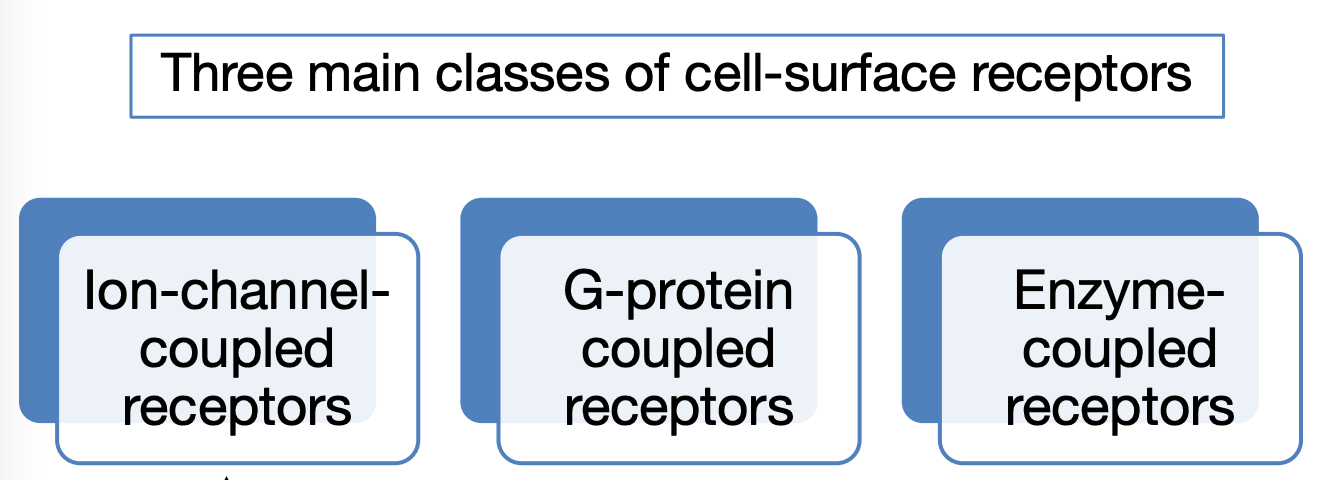
What are the three main classes of cell-surface receptors?
Ion-channel-coupled receptors, G-protein-coupled receptors (GPCRs), enzyme-coupled receptors.
100
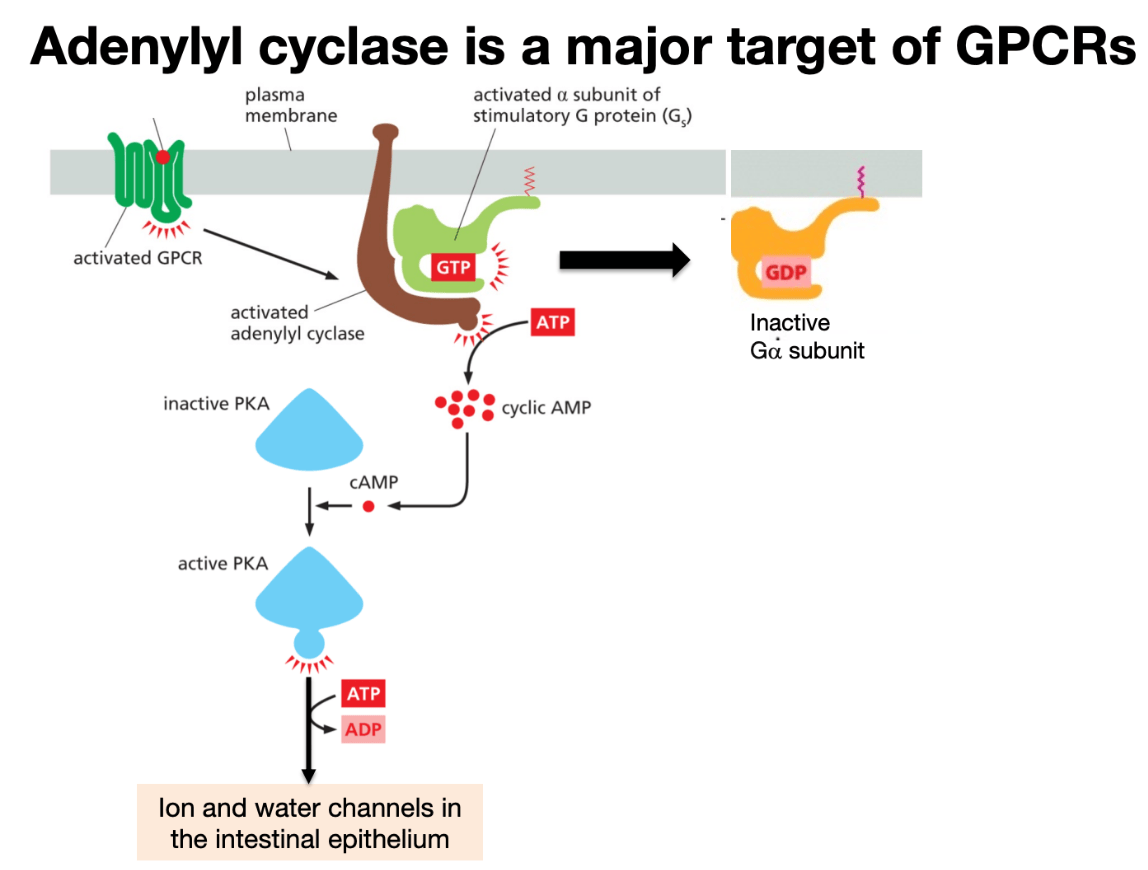
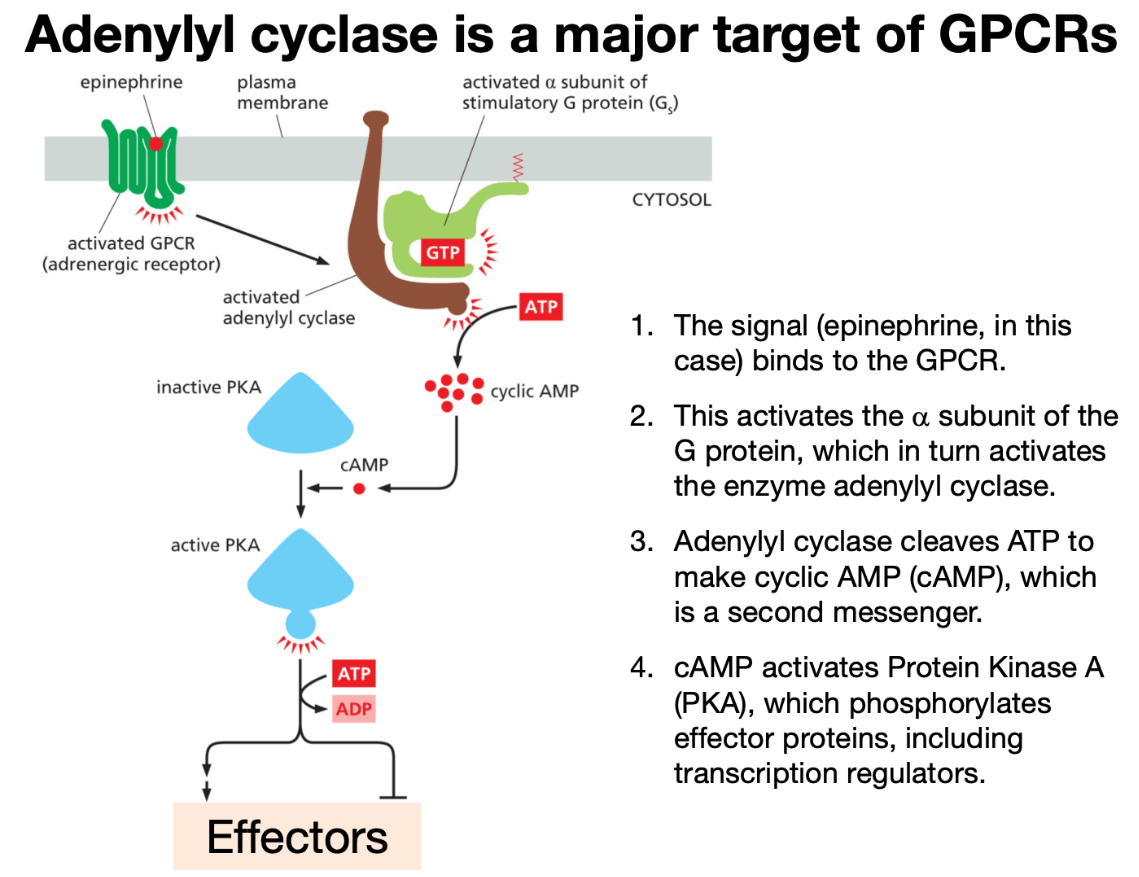
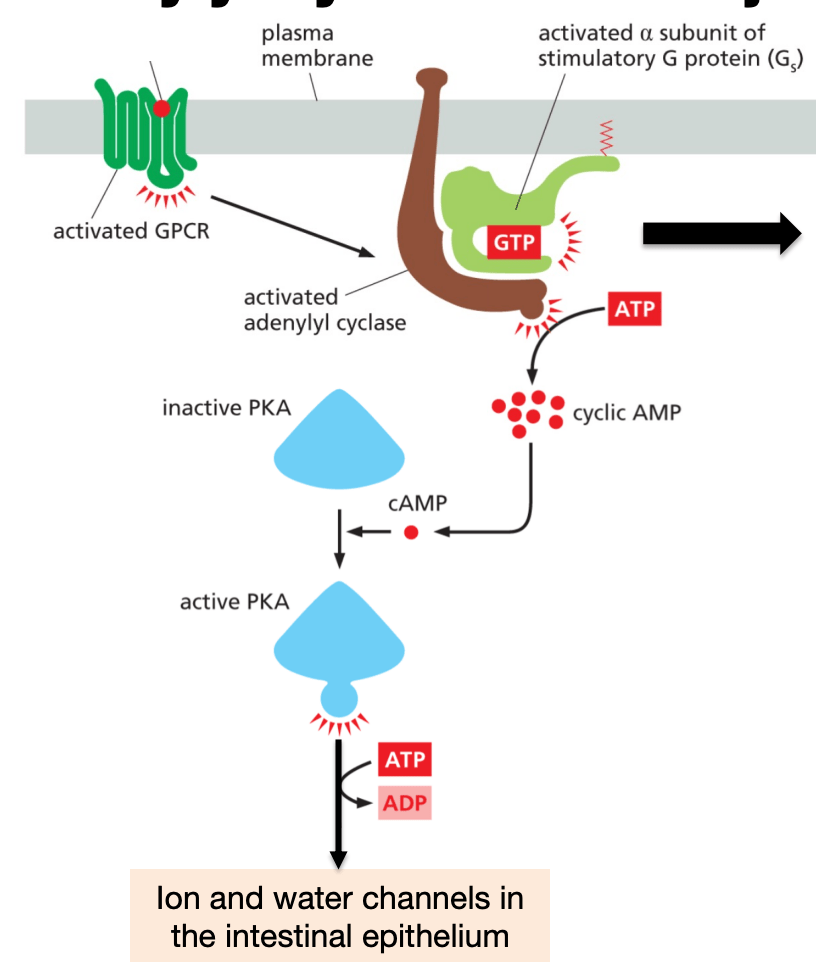
What enzyme converts ATP into cAMP?
Adenylyl cyclase.
100
What type of enzymatic activity do receptor tyrosine kinases (RTKs) have?
Tyrosine kinase activity.
100
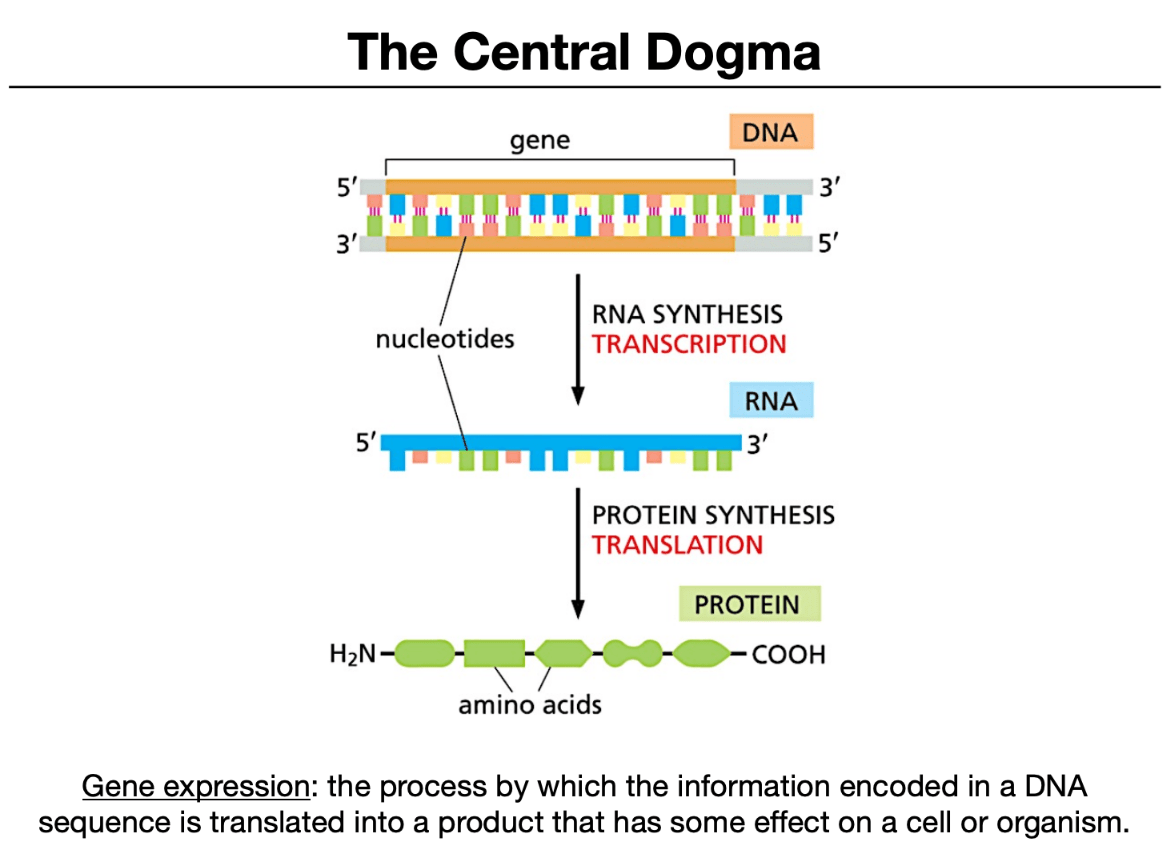
Define gene expression.
The process by which information in DNA is used to produce a functional product (RNA or protein).
100
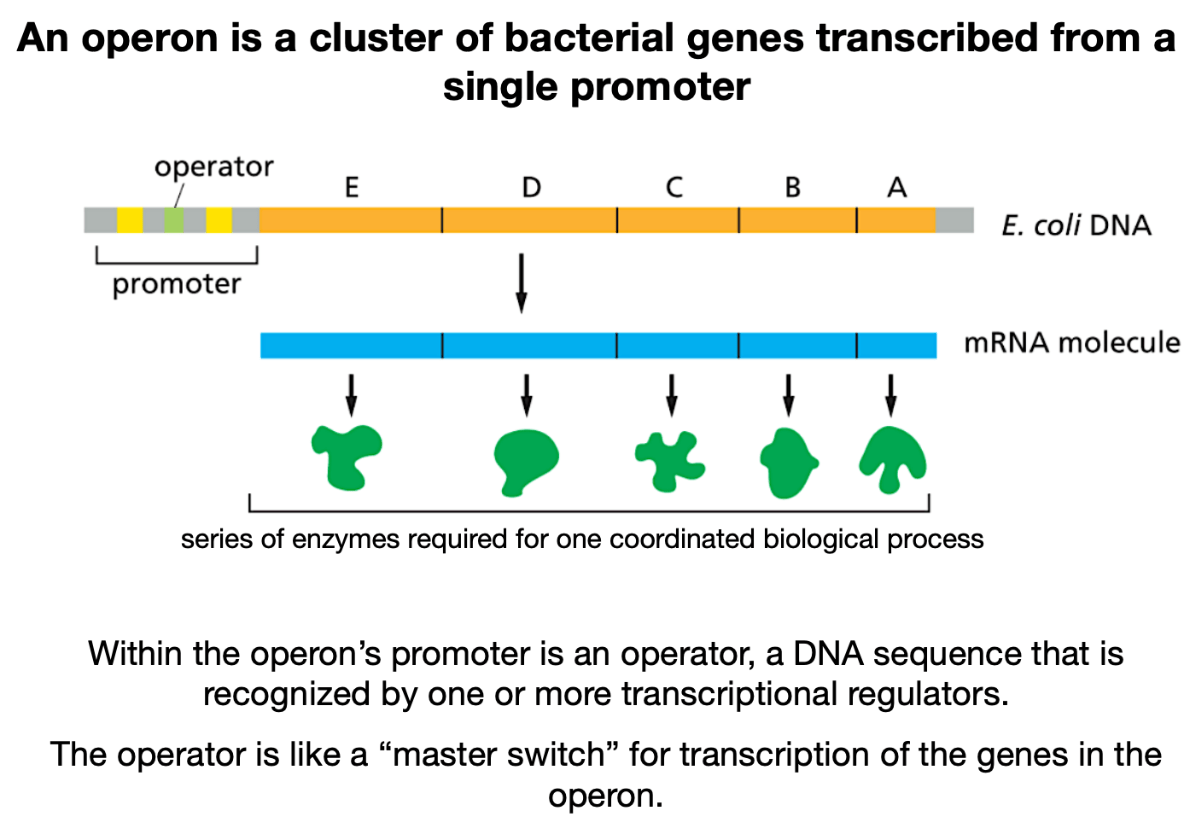
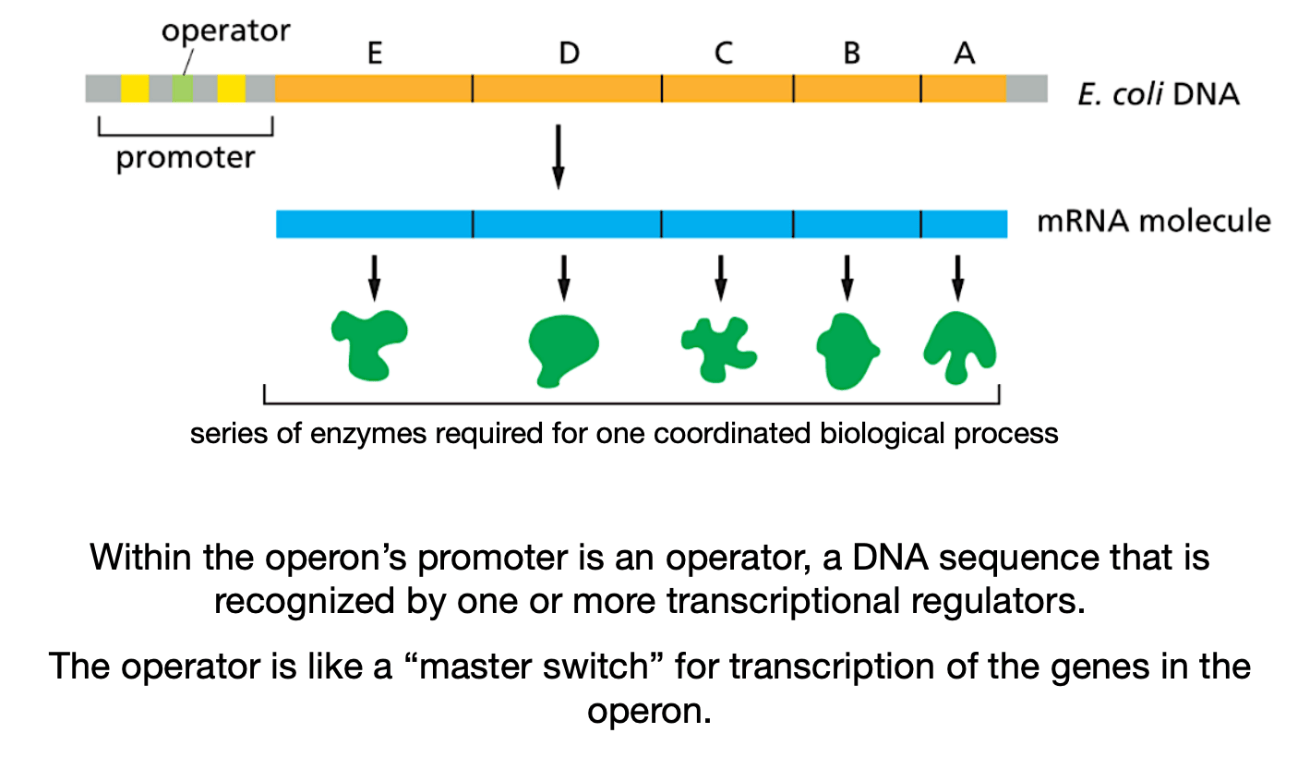
What is an operon?
A cluster of genes transcribed from a single promoter.
100
A mutation prevents the Gα subunit from hydrolyzing GTP. What happens to signaling?
The G protein remains active, continuously stimulating downstream effectors (e.g., adenylyl cyclase), leading to prolonged signaling.
200
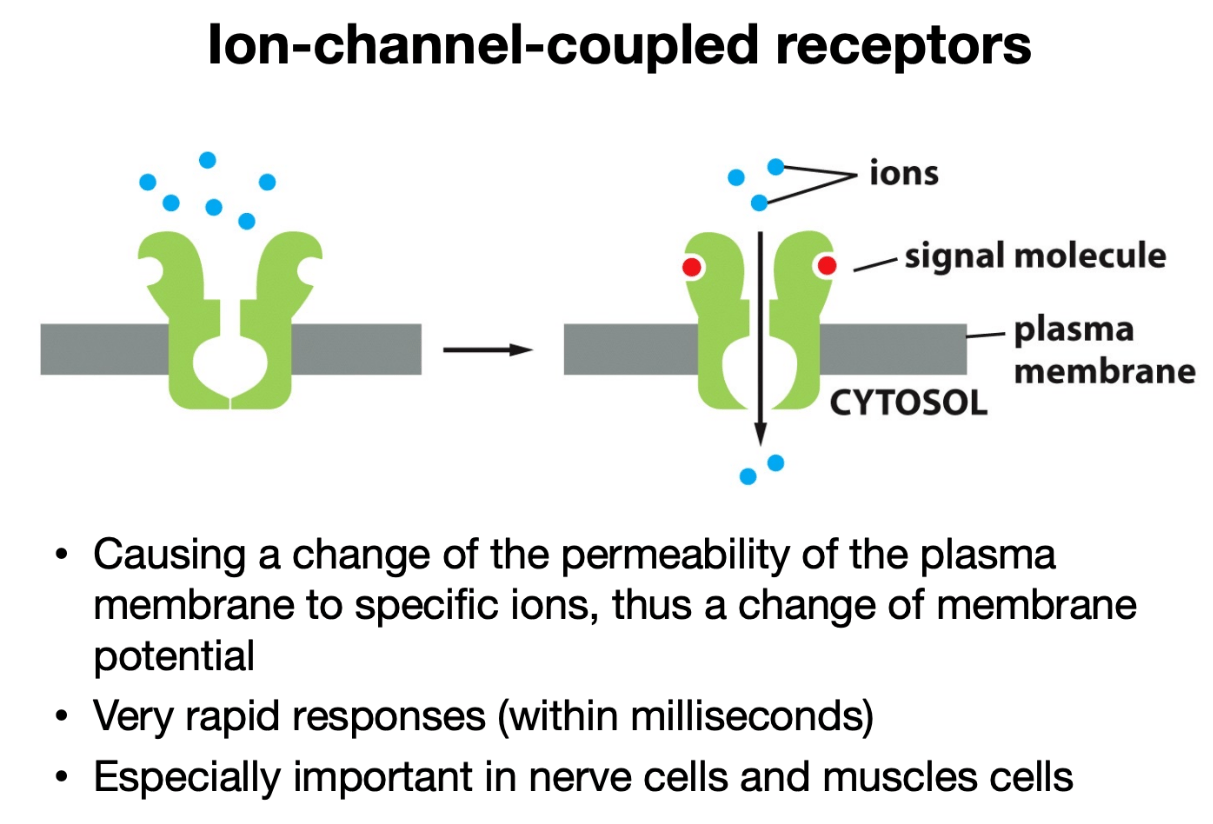
Which class of receptor produces the fastest cellular response and why?
Ion-channel-coupled receptors; they directly change membrane permeability and membrane potential within milliseconds.
200
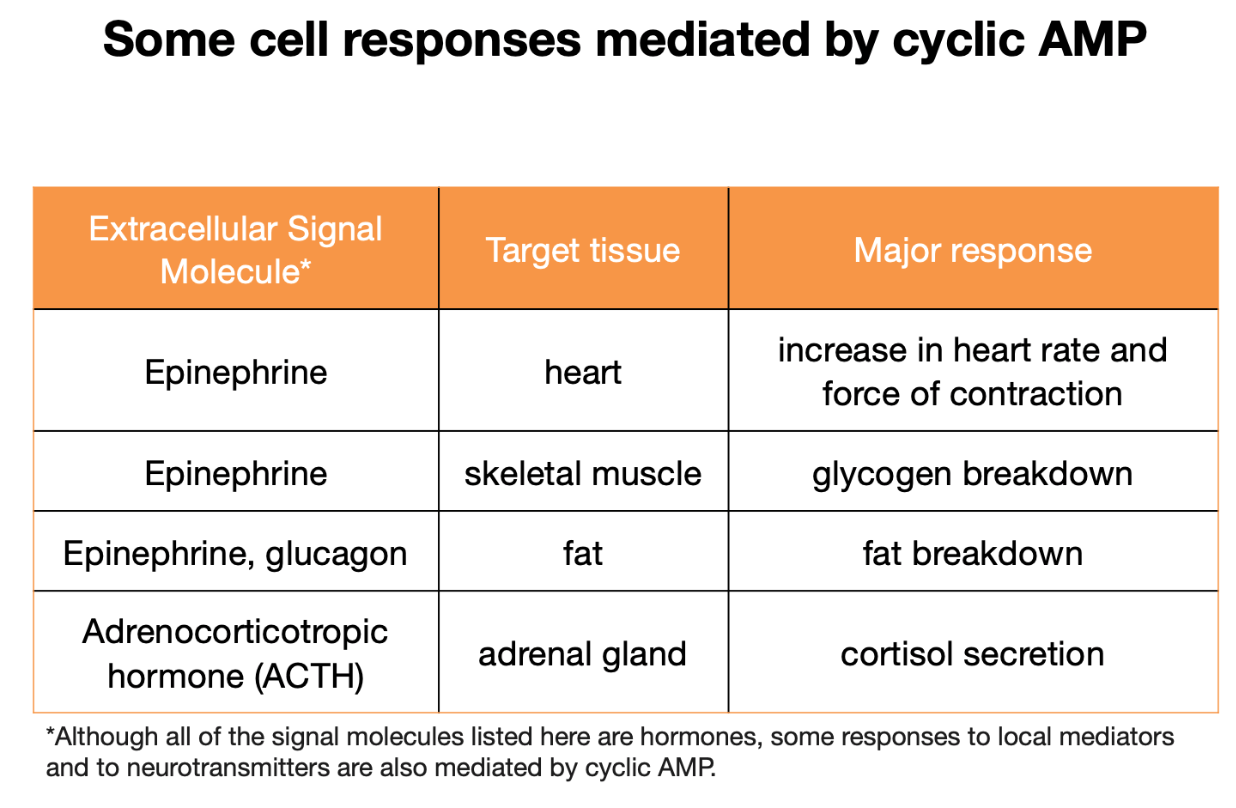
What is cAMP classified as?
A second messenger.
200
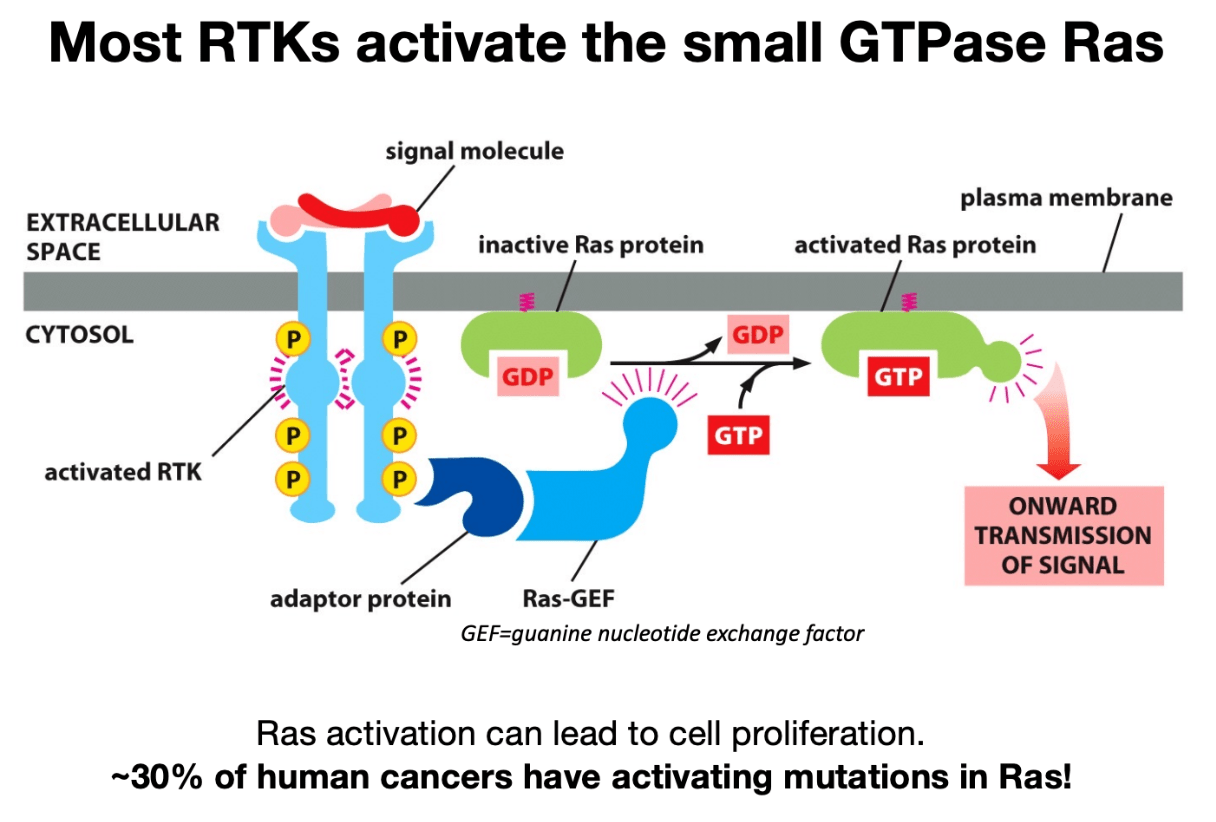
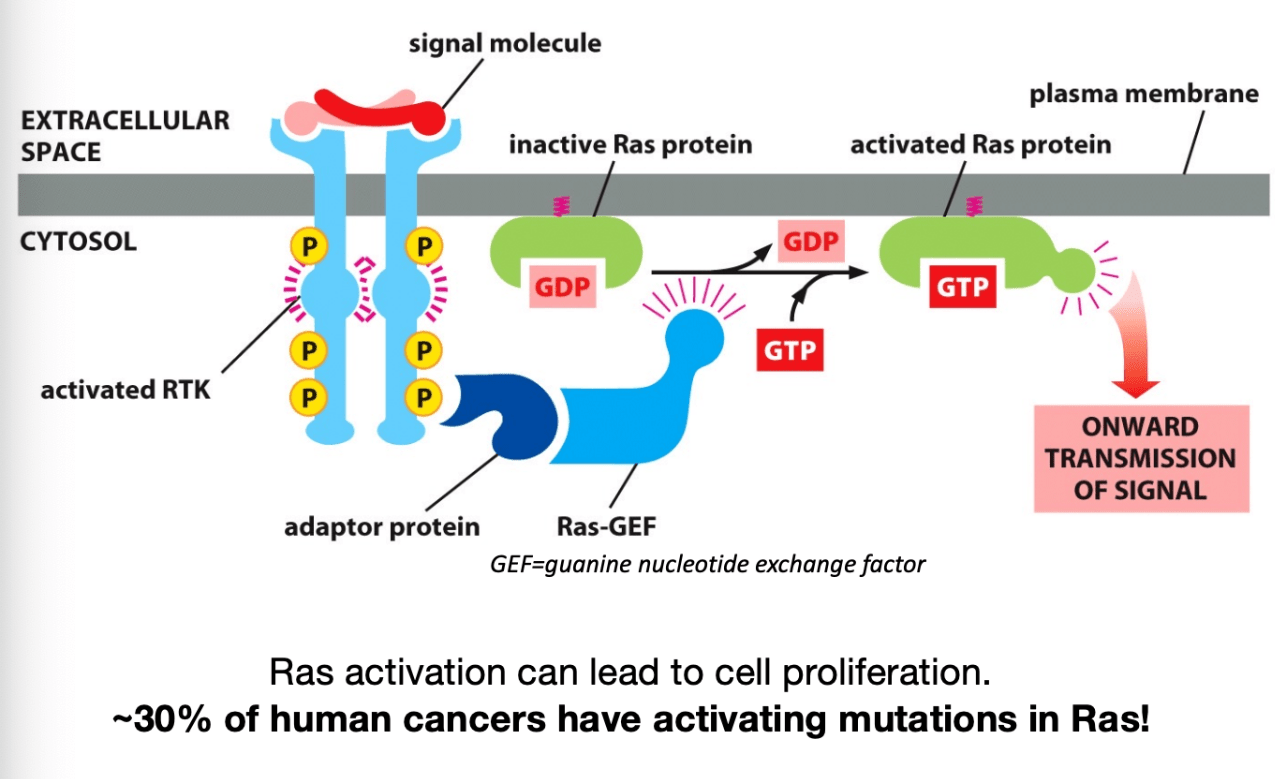
What small GTPase is commonly activated downstream of RTKs?
Ras.
200
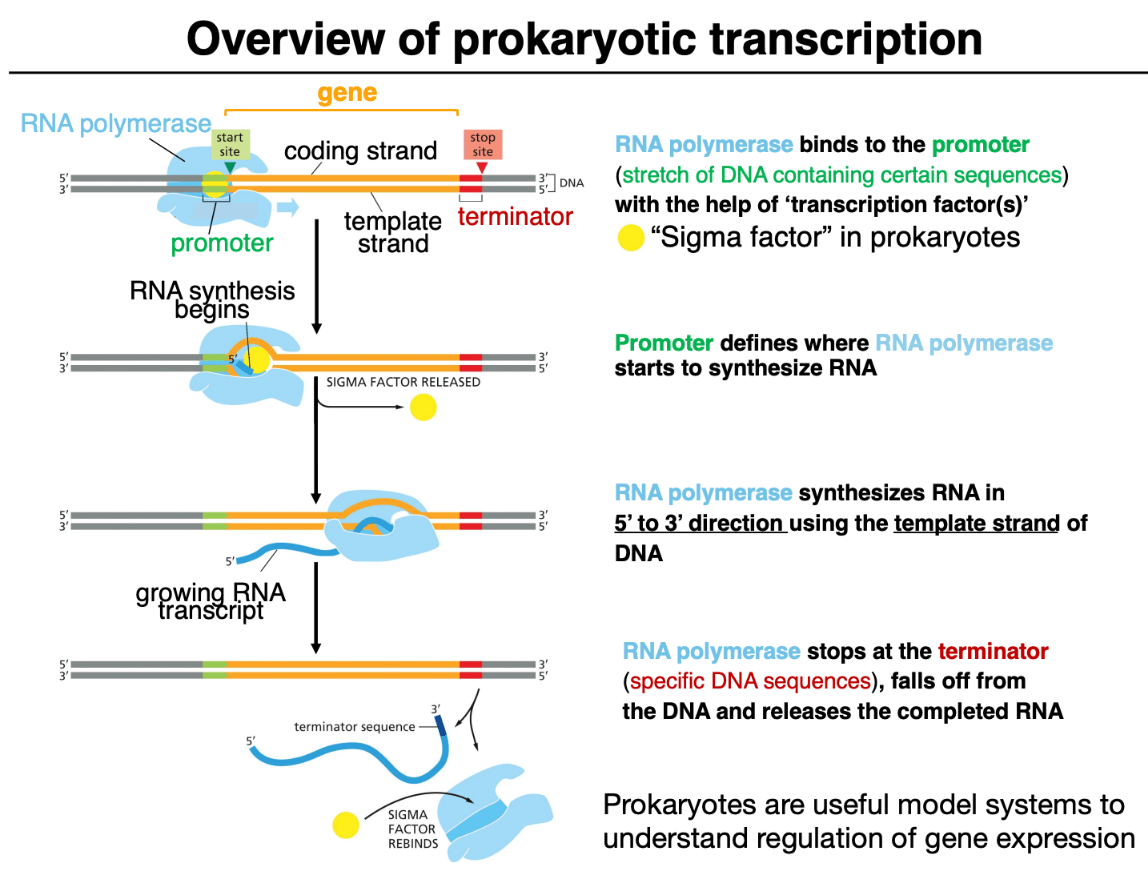
What is the function of a promoter?
It is a DNA sequence where RNA polymerase binds to initiate transcription.
200
What is the operator region?
A DNA sequence within the promoter region that binds transcriptional regulators and acts as a control switch.
200
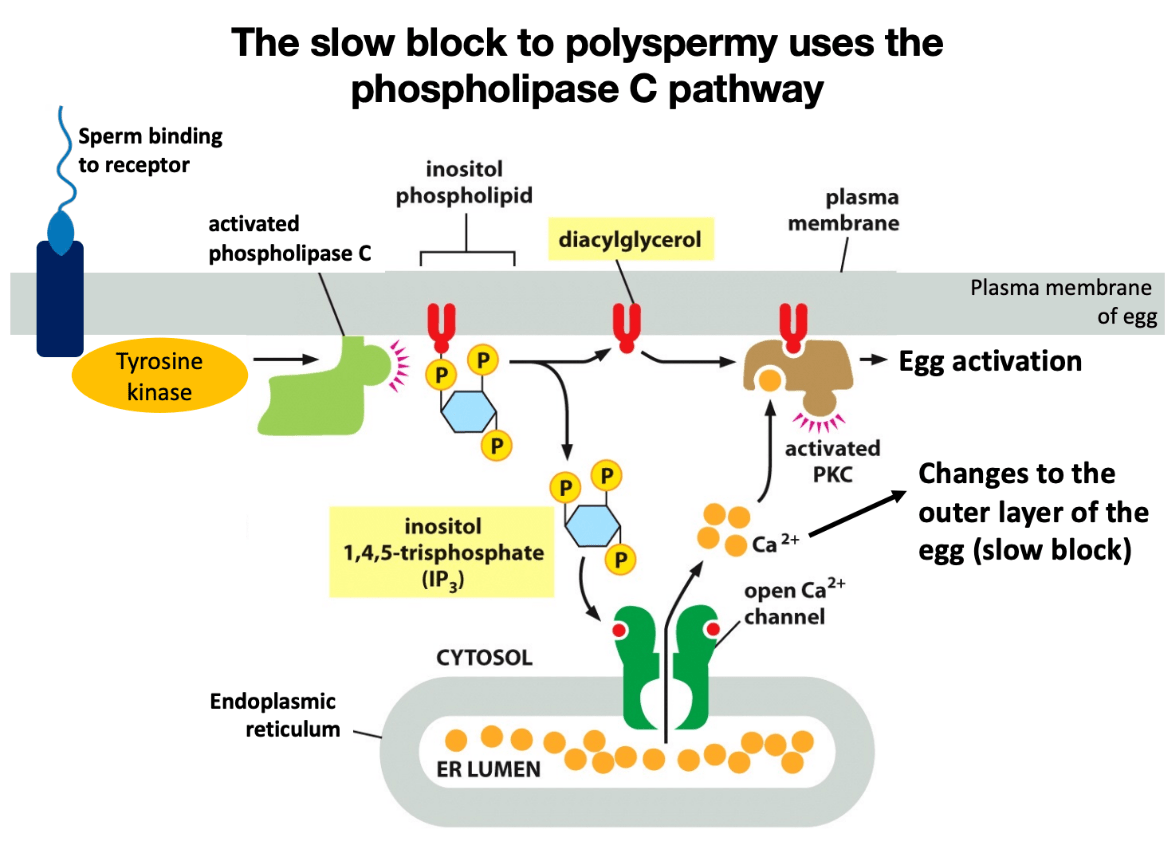
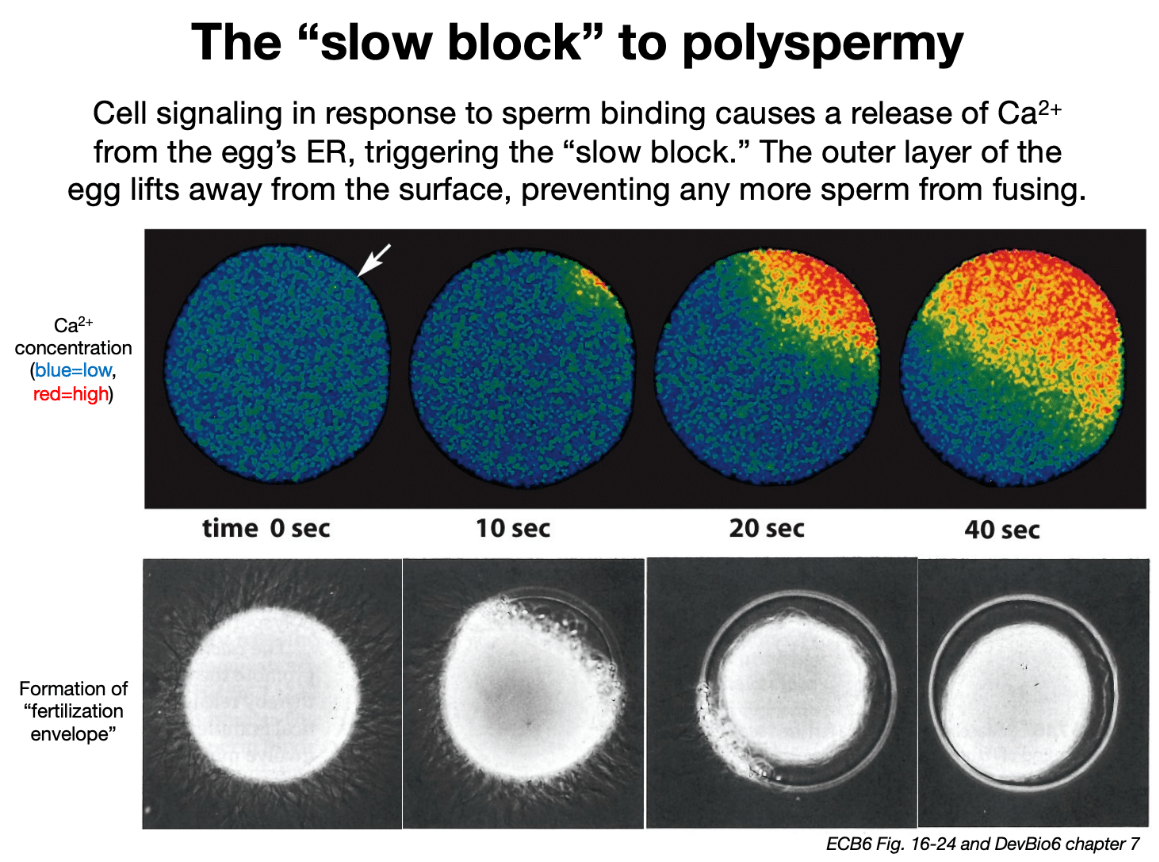
Predict the effect of blocking IP₃ receptors in the ER during fertilization.
Ca²⁺ release would not occur, preventing the slow block to polyspermy and increasing the risk of polyspermy.
300
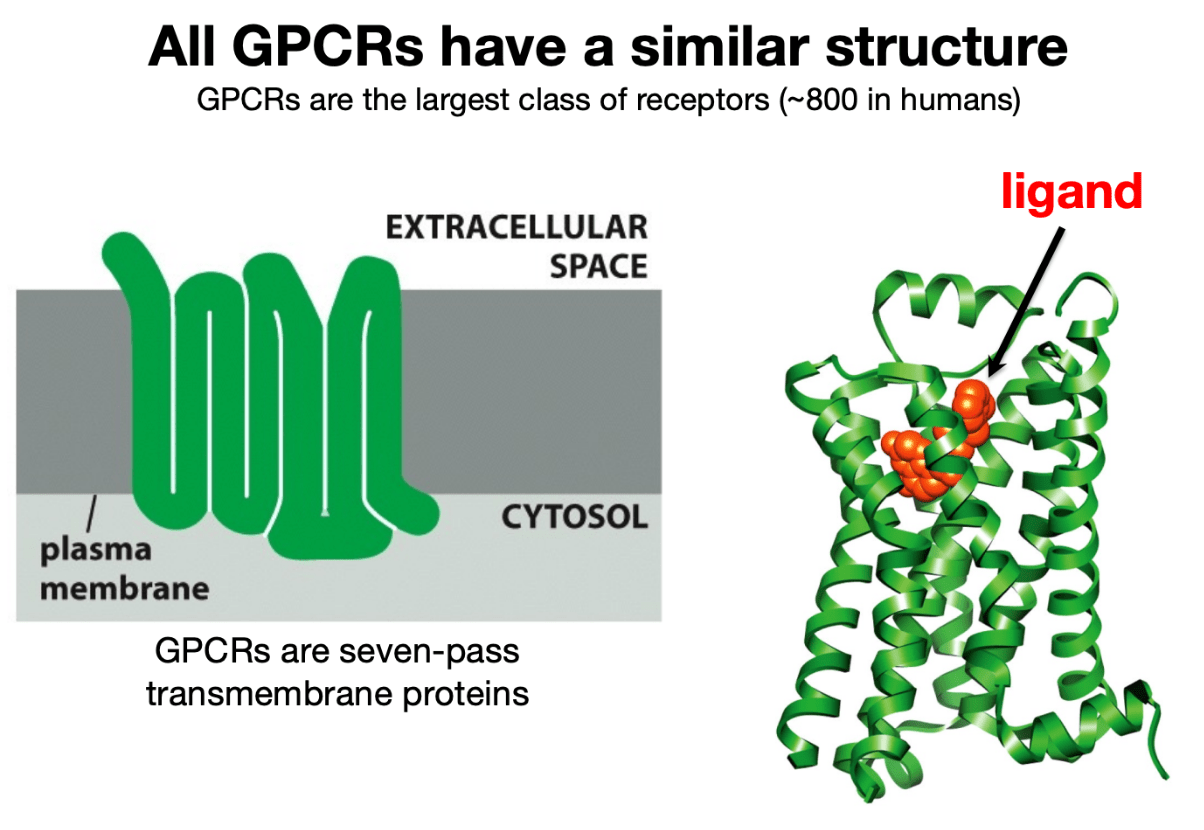
What structural feature is characteristic of GPCRs?
They are seven-pass transmembrane proteins.
300
What protein kinase is activated by cAMP?
Protein Kinase A (PKA).
300
What cellular process is commonly triggered by Ras activation?
Cell proliferation.
300
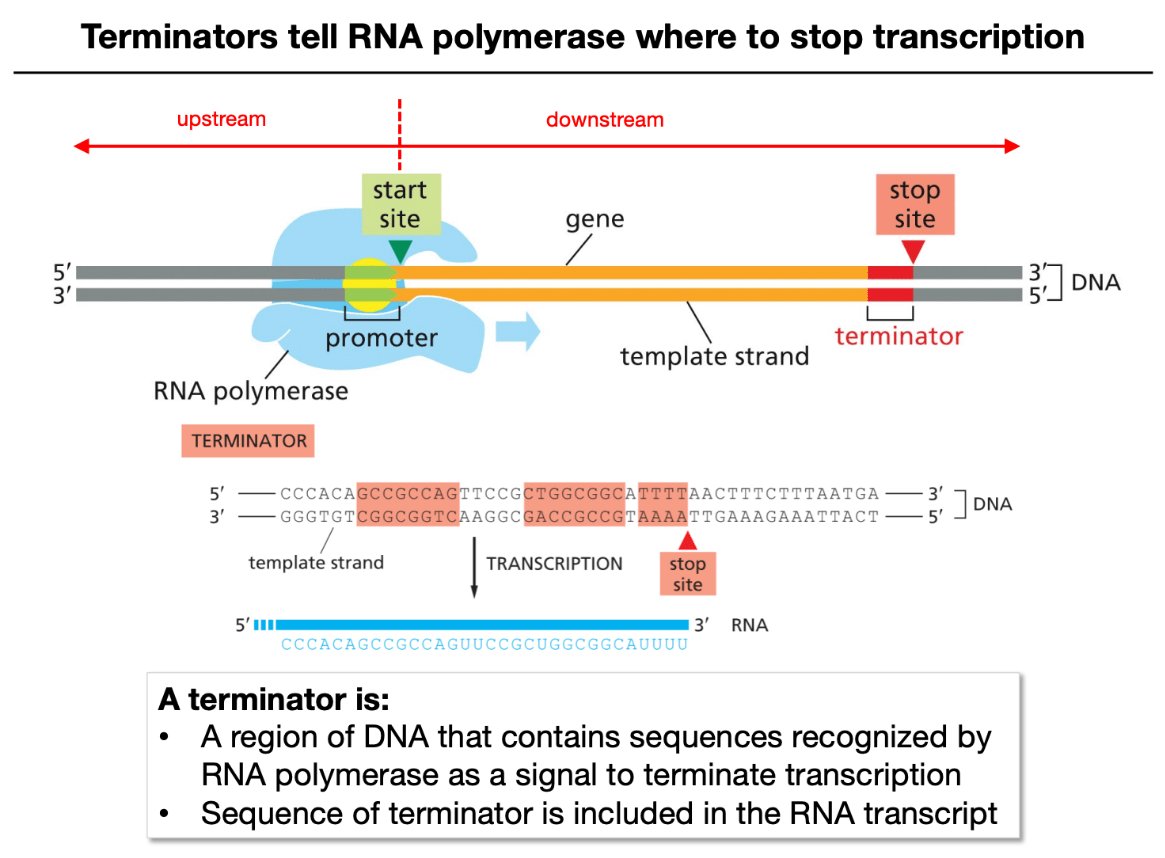
What is a terminator?
A DNA sequence that signals RNA polymerase to stop transcription.
300
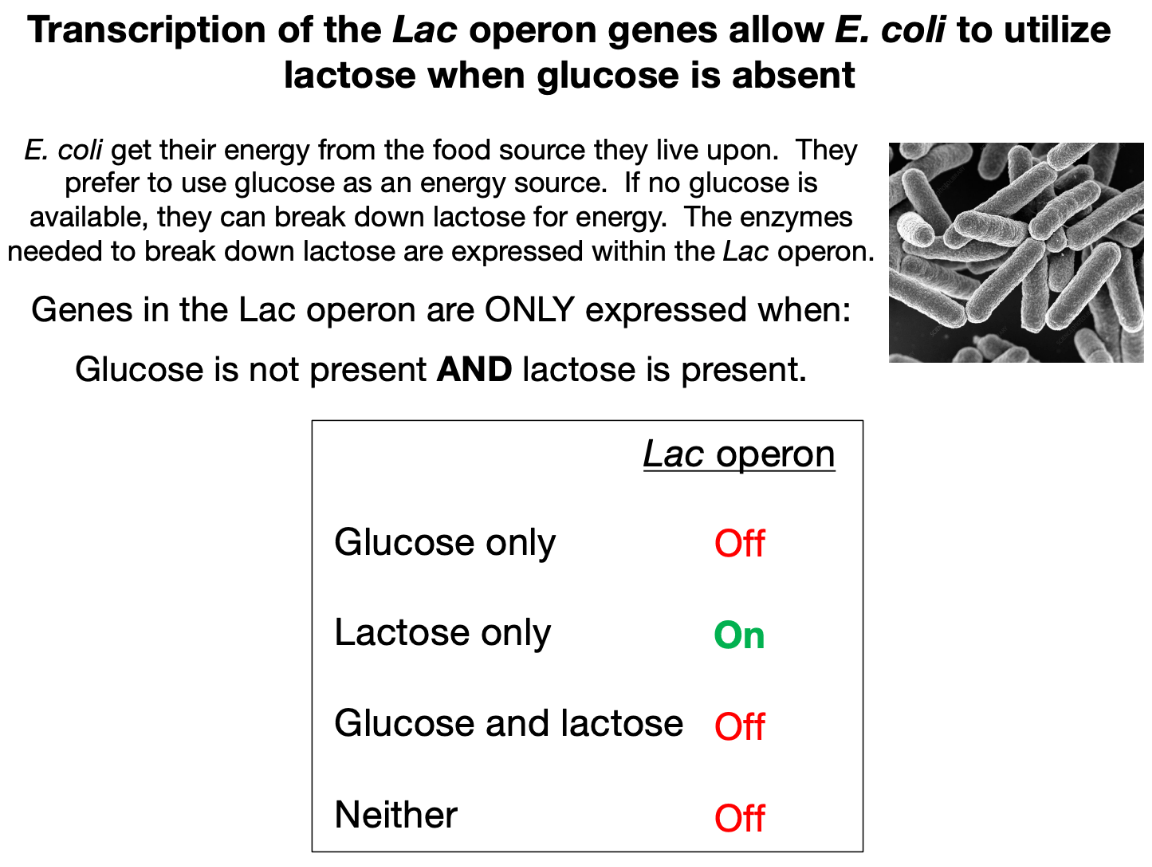
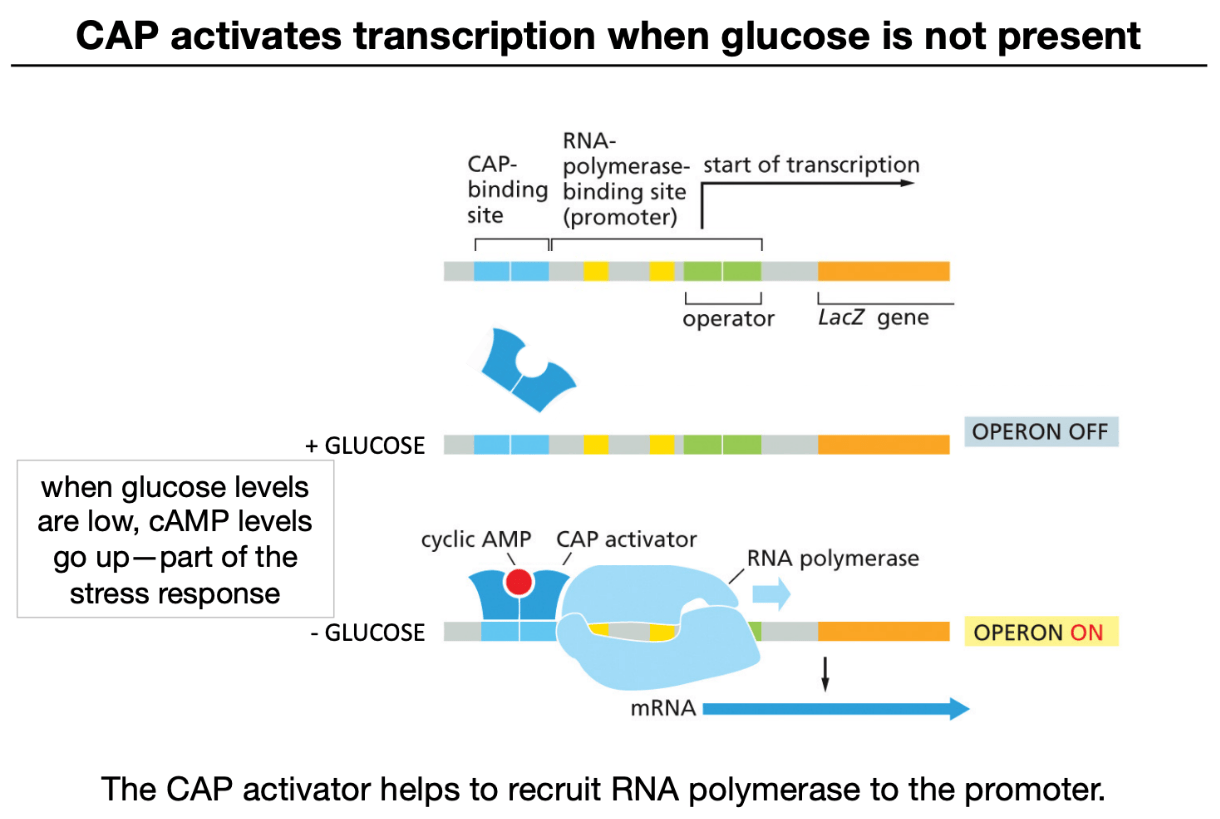
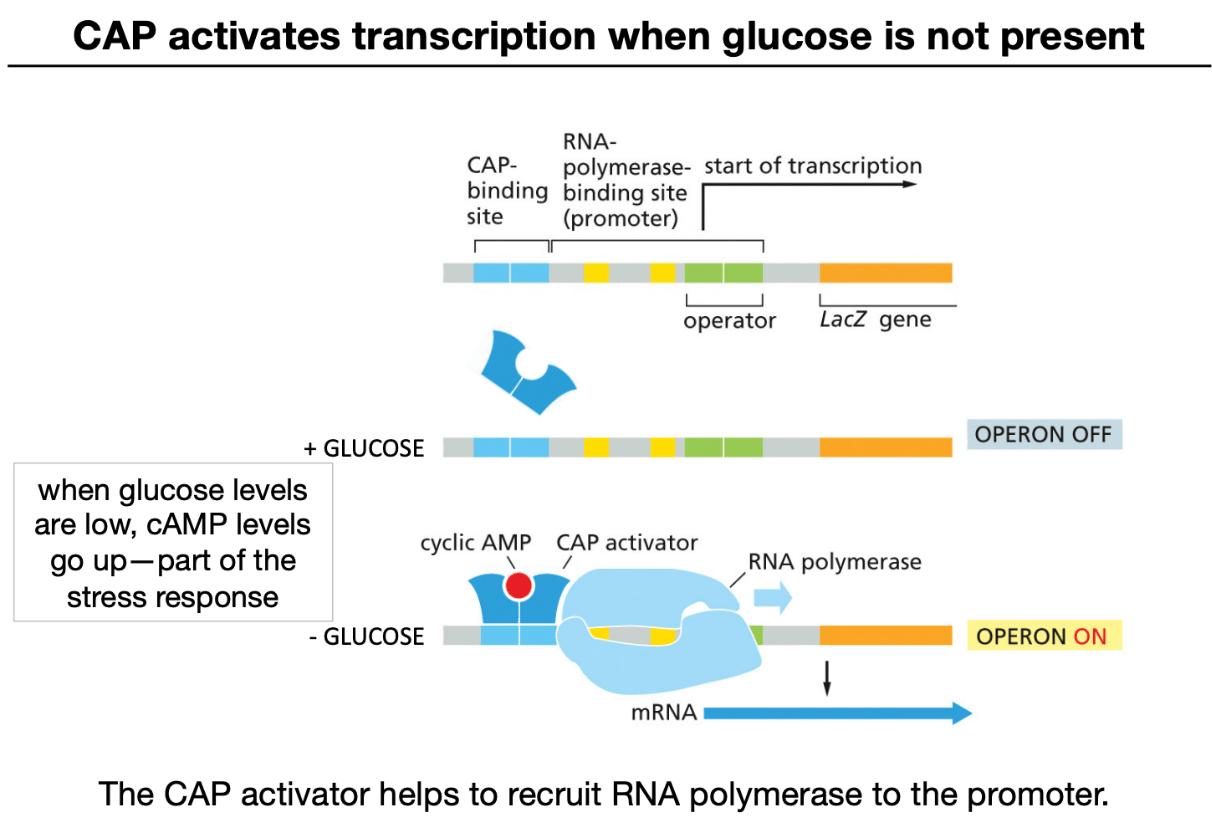
When is the Lac operon ON?
When lactose is present and glucose is absent.
300
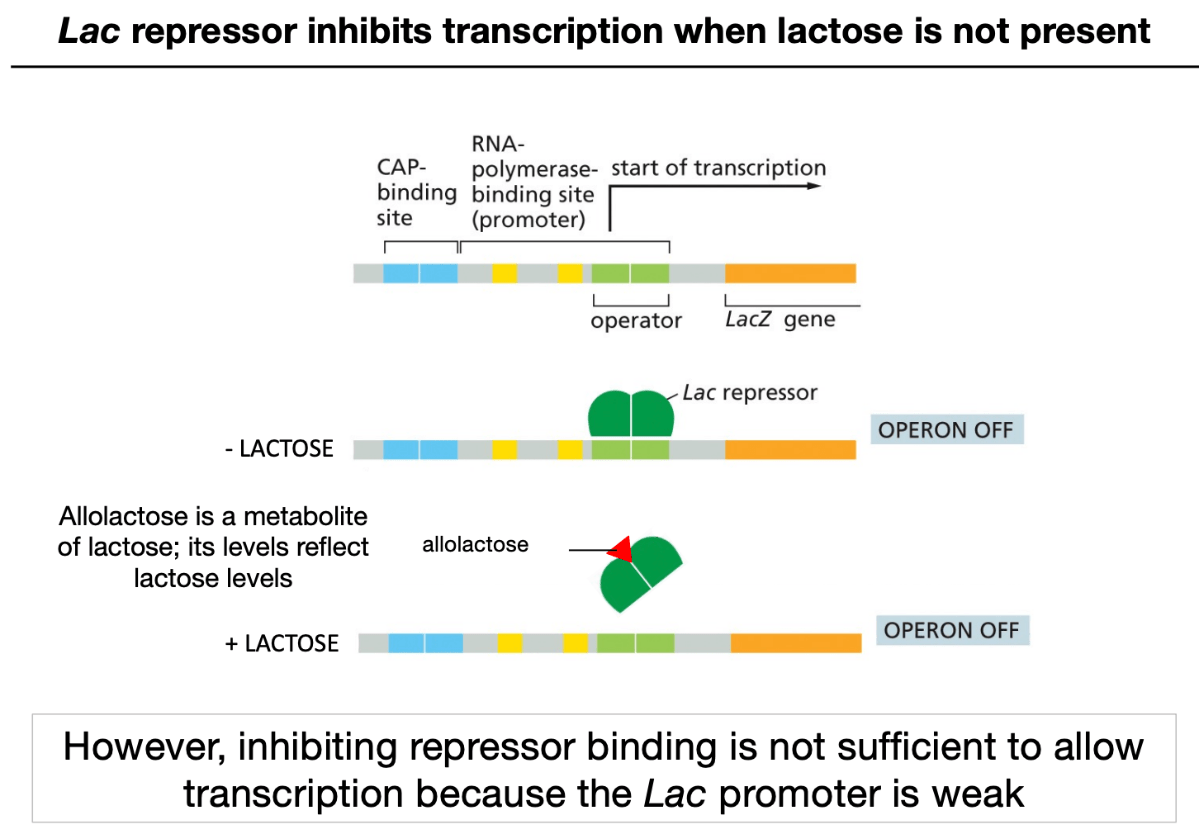
A bacterium has lactose present but cannot activate CAP. What happens to Lac operon expression?
It remains low or OFF because CAP activation is required for strong transcription when glucose is absent.
400
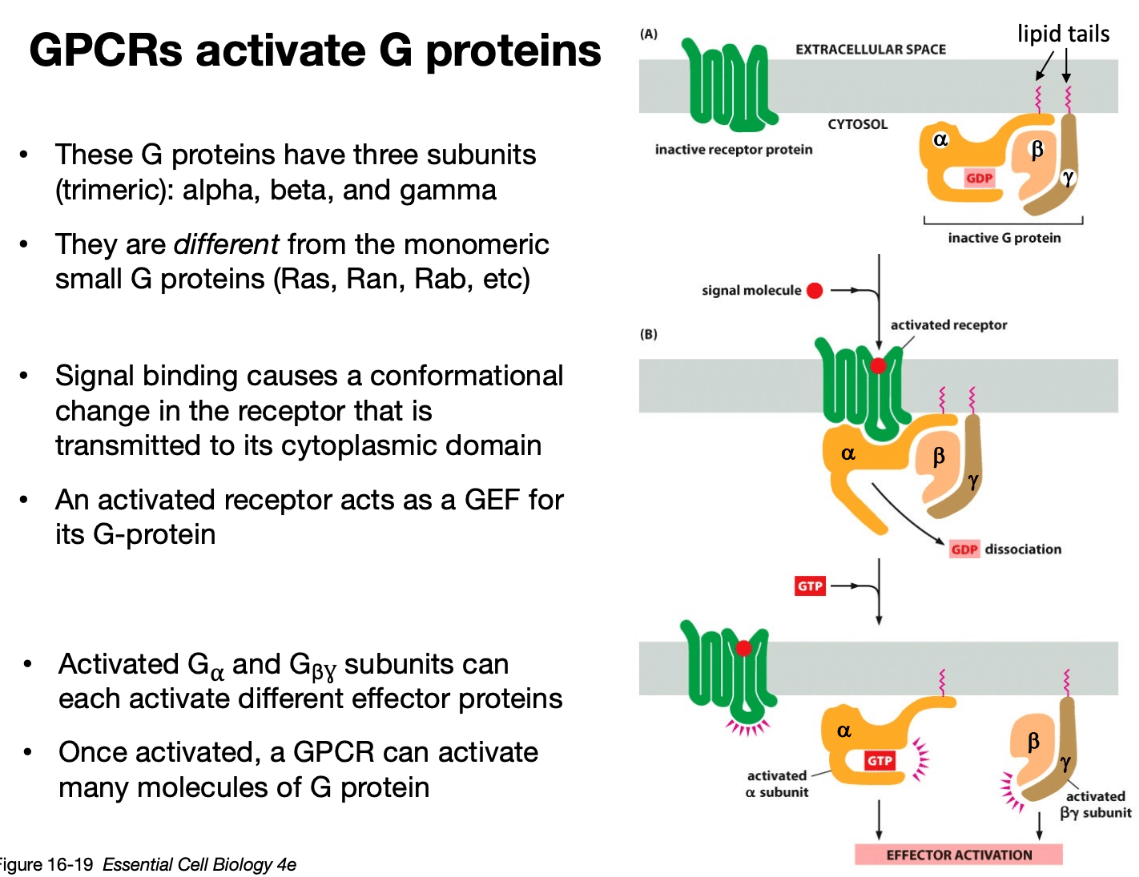
What is the role of a GPCR after ligand binding?
It undergoes a conformational change and an activated receptor acts as a GEF (guanine nucleotide exchange factor) to activate G proteins.
400
Name the two second messengers produced by phospholipase C.
IP₃ and DAG.
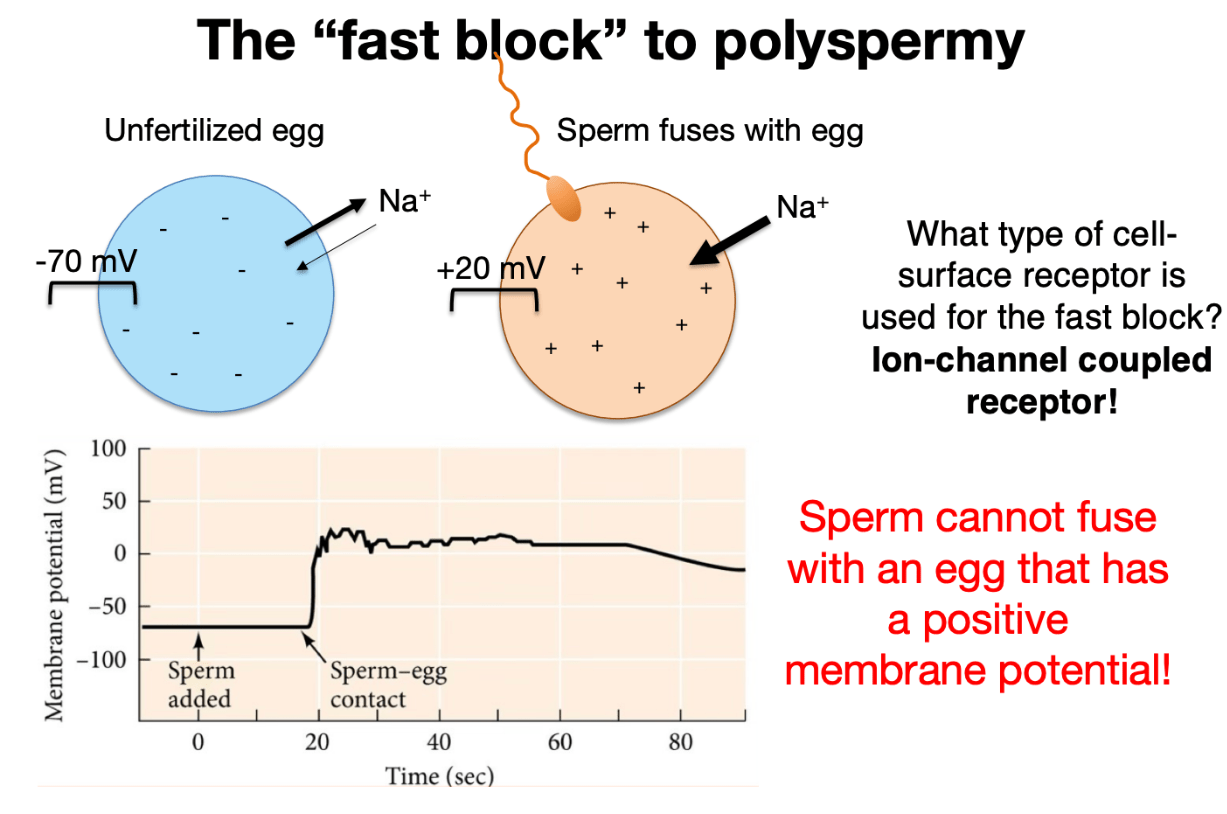
400
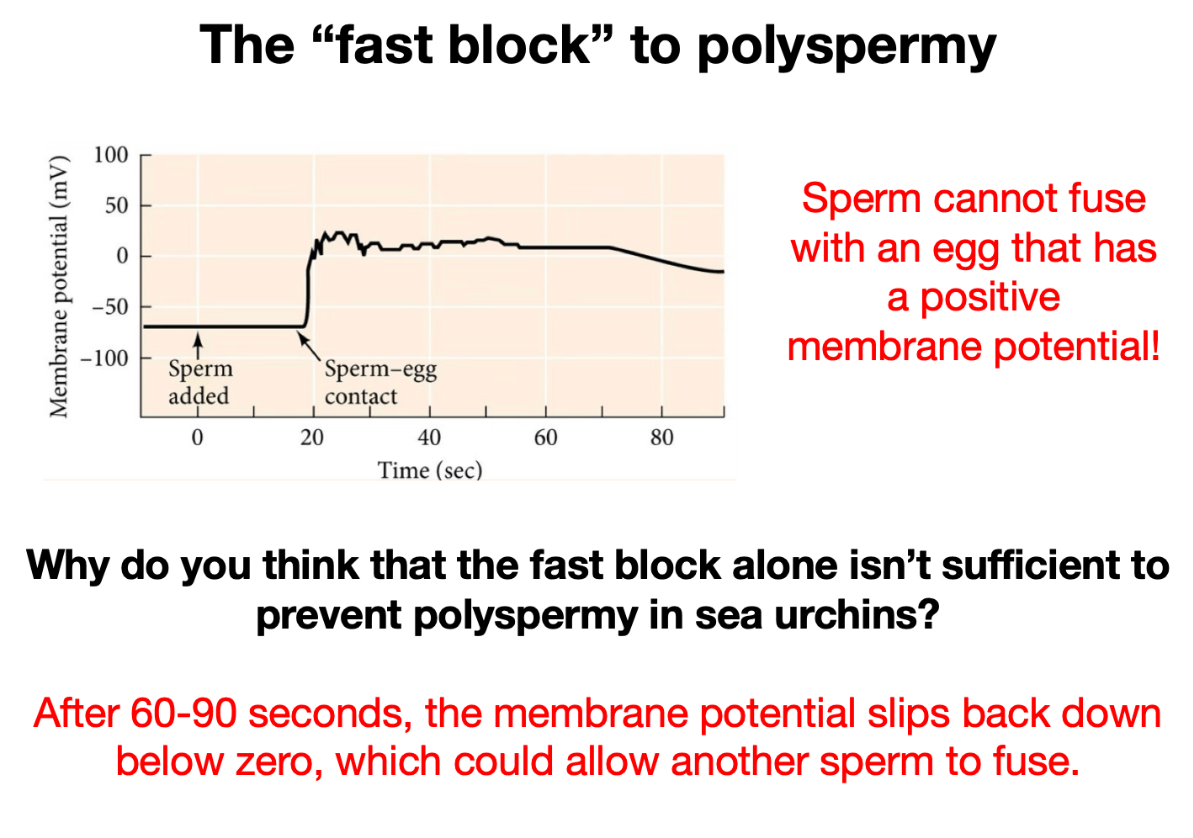
What causes the fast block to polyspermy?
A rapid depolarization of the egg membrane due to Na⁺ influx.
400
In what direction does RNA polymerase synthesize RNA?
5′ → 3′.
400
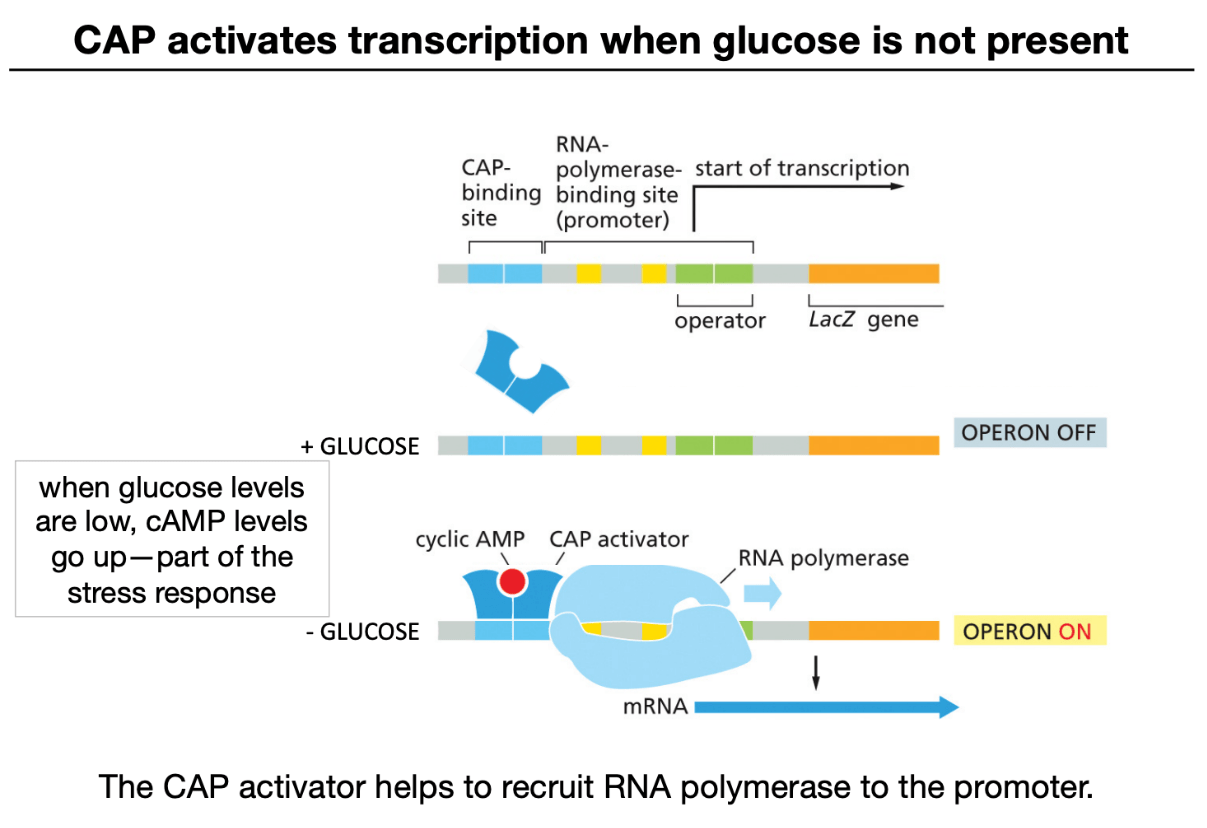
What role does CAP play in the Lac operon?
It acts as an activator by helping recruit RNA polymerase when glucose is low (high cAMP).
400
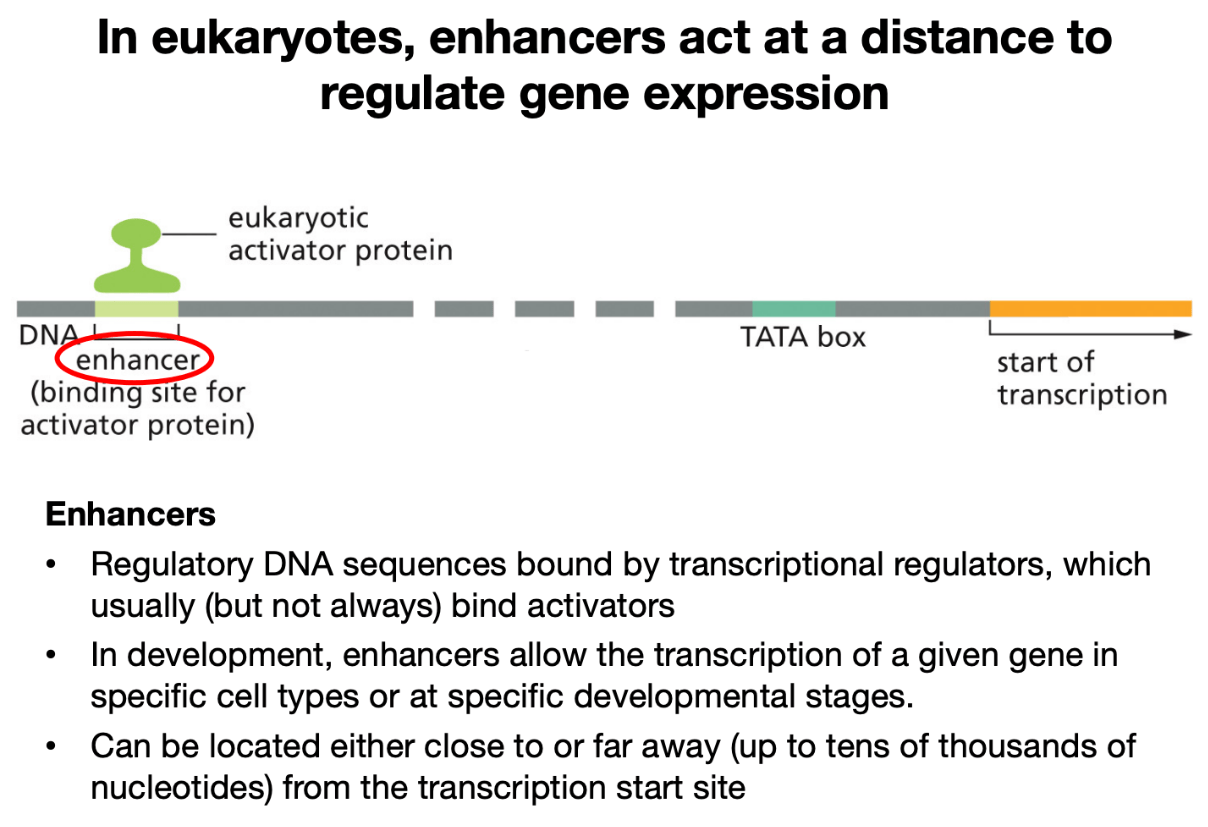
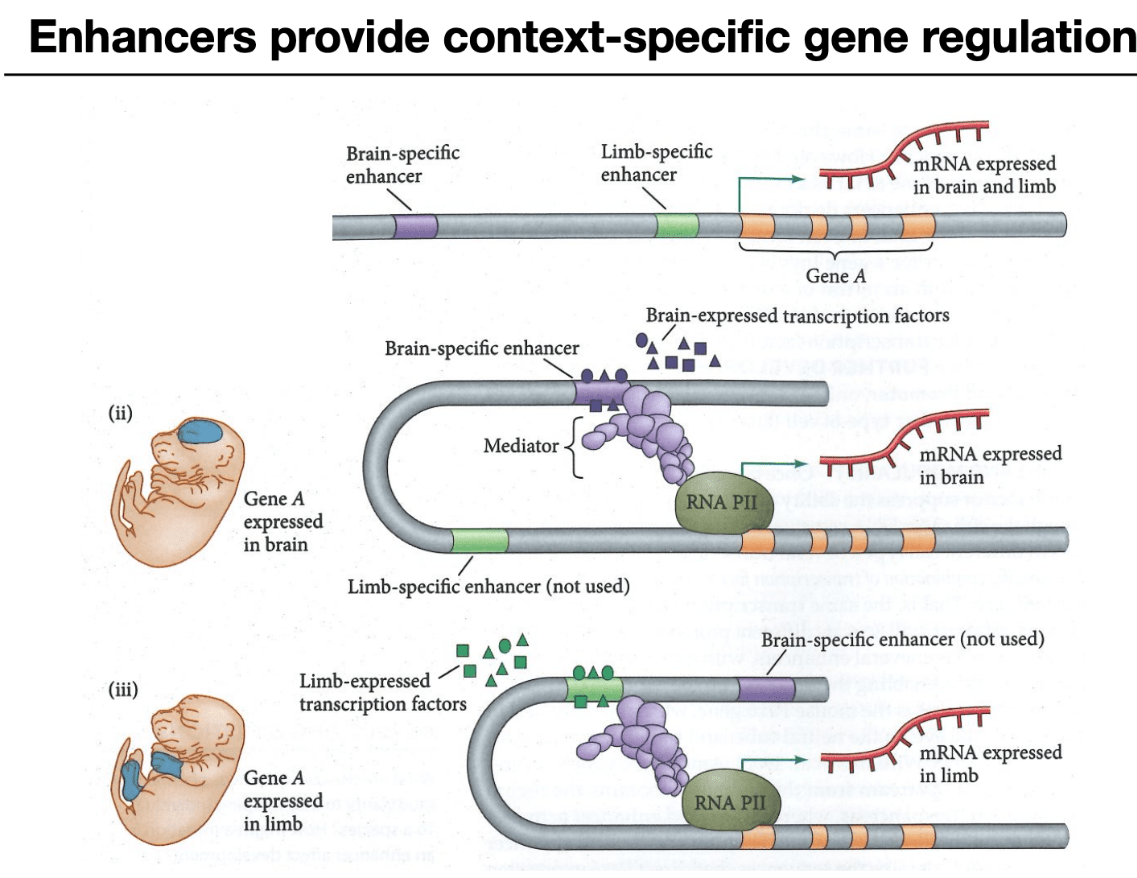
How could a mutation in an enhancer affect gene expression without altering the gene itself?
It could change transcription factor binding, altering when/where/how strongly the gene is expressed.
500
Explain how signaling specificity is achieved in GPCR pathways.
Specificity arises because different GPCRs activate specific G proteins, and each G protein activates particular downstream targets (e.g., adenylyl cyclase or phospholipase C), leading to distinct cellular responses.
500
Describe how IP₃ and DAG work together to activate downstream signaling.
IP₃ triggers Ca²⁺ release from the ER, increasing cytosolic Ca²⁺. DAG, together with Ca²⁺, activates Protein Kinase C (PKC), which phosphorylates target proteins.
500
Why is the slow block to polyspermy necessary in addition to the fast block?
The fast block is temporary (membrane potential returns to normal within ~60–90 seconds), so the slow block (Ca²⁺-mediated cortical reaction forming a fertilization envelope) provides a permanent barrier to additional sperm.
500
Why is transcriptional regulation considered energy efficient?
It prevents unnecessary RNA and protein synthesis, conserving cellular energy by controlling gene expression at an early stage.
500
Explain why removing the Lac repressor is not sufficient to activate transcription.
The Lac promoter is weak, so activation by CAP (when glucose is low) is also required to efficiently recruit RNA polymerase.
500
Explain how second messenger signaling (L17) and transcriptional regulation (L18) can be functionally linked in a cell.
Second messengers (e.g., cAMP, Ca²⁺) activate protein kinases (PKA, PKC), which can phosphorylate transcription regulators. These regulators then alter gene expression, linking extracellular signals to long-term cellular responses.