MISCELLANEOUS
OUTPATIENT VS INPATIENT
NAME THAT PATHOGEN
PICK THE ANTIBIOTIC
PREVENTION
100
This is the minimum duration of treatment for CAP with antibiotics.
What is 5 days
100
These 2 scoring systems are used to help supplement clinical judgment in determining site of care for patients with community-acquired pneumonia.
What is CURB-65 and PSI (Pneumonia Severity Index)
100
This gram-positive diplococcus is the most common cause of community-acquired pneumonia.
What is Streptococcus Pneumoniae.
100
This antibiotic regimen (per ATS/IDSA guidelines) should be used to treat an otherwise healthy 45Year old adult with left middle lobe PNA seen on CXR. VSS. NKDA
What is Amoxicillin monotherapy
100
This lifestyle intervention significantly reduces the risk of community-acquired pneumonia in adults.
What is Smoking Cessation?
200
This can be a complication of Pneumonia.
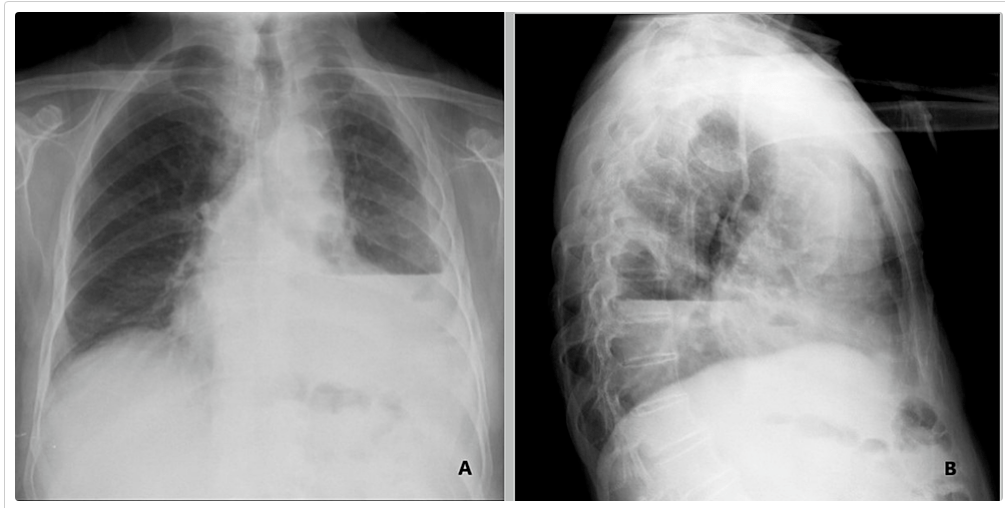
What is Parapneumonic Effusion
200
This is the CURB-65 score of a 67year old male patient whose BP is 130/90, RR 32, pulse 100, Temp: 99.8F, O2:91%.
What is 2
200
A patient with COPD develops severe pneumonia after influenza infection with rapidly progressive respiratory failure and cavitary infiltrates. Name the pathogen.
What is Staph Aureus
200
This antibiotic regimen (per ATS/IDSA guidelines) should be used to treat an otherwise healthy 40 year old adult with left middle lobe PNA seen on CXR who has PCN intolerance due to rash.
What is Doxycycline or Azithromycin (in areas where macrolide resistance is low)
200
This annual vaccine reduces the risk of viral pneumonia and secondary bacterial pneumonia
What is the influenza vaccine?
300
This is a complication of Pneumonia.
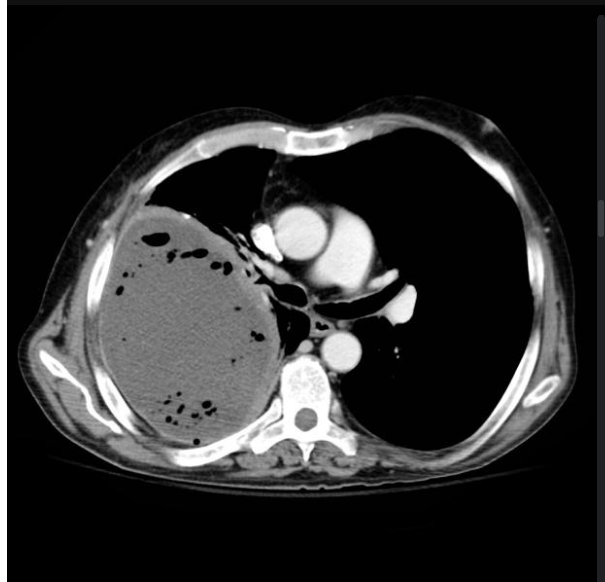
What is Empyema
300
These CURB-65 scores require hospitalization.
What is 3-5
300
A patient with alcoholism develops severe upper-lobe pneumonia with necrosis and “currant jelly” sputum. The organism is a lactose-fermenting gram-negative rod with a prominent capsule.
What is Klebsiella pneumoniae?
300
This antibiotic regimen (per ATS/IDSA guidelines) should be used to treat a 50 year old adult with T2DM with right middle lobe PNA. VSS. NKDA.
Augmentin + Doxycycline or Azithromycin (in areas where macrolide resistance is low)
300
A 64 Year old adult who received pneumovax 23 last year (and has had no other pneumonia vaccines) would be due for this pneumonia vaccine this year.
What is PCV 20 or 21?
400
This laboratory test may help distinguish bacterial from viral infection but should not solely guide antibiotic decisions.
What is procalcitonin?
400
These classes of PSI usually require hospitalization.
What is Class IV and V
400
A patient presents with severe CAP and multilobar consolidation with diarrhea and is now confused. Sodium is 124, AST/ALT are mildly elevated. Name that pathogen.
What is Legionella?
400
This antibiotic regimen (per ATS/IDSA guidelines) should be used to treat a 40 year old smoker with CHF with right middle lobe PNA who cannot tolerate PCNs due to rash.
What is 3rd gen cephalosporin + doxycycline or Azithromycin (in areas where macrolide resistance is low)
400
A 65 year old adult received the PCV 21 vaccine last year. What pneumonia vaccine are they due for this year?
What is None. They are up to date.
500
This severe complication results in diffuse lung inflammation leading to refractory hypoxemia.
What is ARDS (acute respiratory distress syndrome)?
500
This is the PSI class of a 67year old male patient with PNA (without effusion), whose BP is 102/80, pulse is 130, temp is 104F, RR is 32, and O2 is 90% on room air.
What is Class IV
500
A patient with chronic lung disease develops CAP. The organism isolated produces beta-lactamase, conferring resistance to ampicillin.
What is Haemophilus influenzae?
500
This antibiotic regimen (per ATS/IDSA guidelines) should be used to treat a 65 year old adult with COPD with right middle lobe PNA. VSS. They are allergic to PCN and cephalosporins.
What is Respiratory Fluoroquinolones
500
A 67 year old adult received the prevnar 13 vaccine in 2024 and the pneumovax 23 in 2025. When can they get a PCV 20 or PCV 21 vaccine.
What is 5 years from last pneumonia vaccine (2030)