WHY DID I BUY THAT?
PEOPLE MADE ME DO IT
YOUR BRAIN SHOPPING
DIGITAL LIFE
AI: OK OR NOT?
100
You enter Daiso for ONE pen. You leave with a pen, slippers, three storage boxes, a box of cookies and a tiny plant you absolutely did not need. What kind of buying is this?

Impulse buying
100
Your favorite K-pop idol posts one photo wearing sunglasses. Those sunglasses sell out the same day. What kind of marketer is the celebrity acting as?
Influencer
100
You are walking through a mall while texting. Music is playing, screens are flashing, people are talking, and ten stores are shouting SALE. One giant red sign finally makes you look up. What consumer process did that sign capture?
Attention
100
Netflix shows you crime dramas, your roommate gets Korean romance, and your professor somehow gets documentaries about ancient Rome. The platform changes what each person sees based on that user. What is this called?
Personalization
100
You wrote your assignment yourself. Before submitting, you use AI to fix a few grammar mistakes and make your English clearer. According to the course policy, is this generally permitted or prohibited?
Permitted

200
You spend ₩8,000 on a ridiculously cute drink because it comes with clouds, glitter and a tiny bear on top. You could have bought coffee for ₩2,000. What kind of value are you mainly buying?
Hedonic value / hedonic consumption
200
Your friend knows everything about phones. Everyone asks her which model to buy because she follows every launch, compares specifications, and has actually used half of them. What consumer-behavior role is she playing?
Opinion leader
200
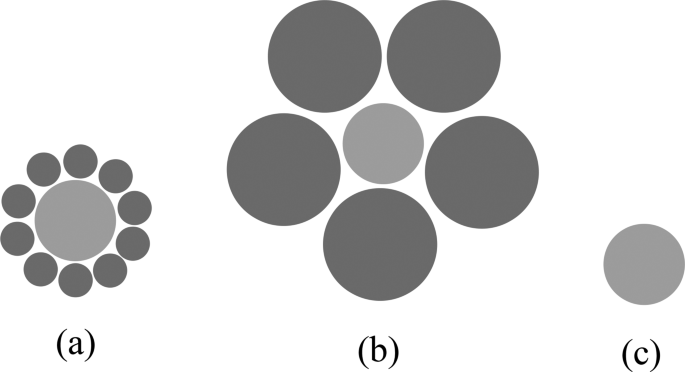
Two identical desserts are served. One is on a paper plate under bright lights; the other is on a beautiful plate in a stylish café. People expect the café dessert to taste better before taking a bite. What consumer process explains this?
Perception
200
Your Instagram profile, avatar, playlists, game skins, photos, and even the restaurants you tag all help communicate who you are online. What Consumer Behavior concept describes this online version of yourself?
Digital self
200
Your group needs five consumer interviews. Nobody wants to leave the café, so someone asks ChatGPT to “create five realistic Korean consumers and their interview answers.” The group submits them as real research. What is this?
Fabrication of evidence

300
Your refrigerator dies. Yesterday you had zero interest in refrigerators. Today you have watched 19 refrigerator reviews. Which stage of consumer decision making started this adventure?
Need recognition
300
Everyone in your friend group has the same trendy bottle. Nobody directly orders you to buy one, but you start worrying that your old bottle looks embarrassing. What are you feeling?
Social norms / Peer Pressure
300
You pass a bakery after lunch and smell fresh cinnamon rolls. Five minutes ago you wanted nothing. Now you are inside buying one. What type of marketing is using your senses to affect behavior?
Sensory marketing
300
You watch three videos about running shoes. Soon your feed keeps showing running shoes, marathon videos, and sports brands because the system predicts what will interest you. What is making those predictions?
Algorithmic recommendations
300
AI tells you, very confidently, that “87% of Gen Z consumers prefer brands with purple logos” and gives you a research article that does not exist. What AI problem is this?
Hallucination

400
Mina spends three weeks comparing laptops, watches 26 YouTube reviews and makes a spreadsheet. She chooses toothpaste in 15 seconds. What consumer concept explains why she puts much more effort into one purchase?
Involvement
400
Your friend says, “That new Thai restaurant is amazing. Get the pad kra pao.” You weren't planning to go, but now you book a table for Friday night. What consumer influence is this?
Word of mouth
400
Every morning you buy the same convenience-store coffee without checking the price, comparing brands, or even thinking about it. You just grab it automatically because that is what you always do. What type of decision-making is this?
Habitual decision making
400
You don’t own a car, you use a car-sharing service. You don’t buy every movie, you stream it. On vacation, you stay in someone’s home through Airbnb instead of a hotel. What marketplace concept connects these examples?
Sharing economy
400
You use AI to create the visual design and layout for your graded presentation. You keep the content and analysis as your own work and report the AI use in your submission. What is the correct classification?
Permitted with disclosure
500
Daniel buys an expensive watch even though his phone tells time more accurately. He says, “This watch shows people that I’ve made it BIG in life.” Which consumer concept best explains why the product matters to him?
Identity / self-concept
500
You are starting your first corporate job. You begin buying the clothes, watch and bag you associate with successful business professionals because you want to look like someone who belongs in that world. What type of group are those professionals to you?
Aspirational reference group
500
A delivery app marks one option “MOST POPULAR” and places it in the center while the other options are smaller and less noticeable. All choices still exist, but the design pushes people toward one of them. What consumer-behavior concept is this?
Nudge / nudging
500
Your smartwatch records your exercise, your smart fridge knows what food is inside, and connected devices keep producing data about how you use them. What technology concept connects these products?
Internet of Things (IoT)
500
AI writes a beautiful three-page analysis for you. You submit it unchanged. The professor asks why you reached your conclusion, and you cannot explain it. According to the course policy, what has AI done?
Replaced the student’s intellectual work