Planets
Stars
Scientists and History
Constellations
Deep Sky Objects
100
The number of planets in our solar system
8 (not 9 sorry pluto)
100
The brightest star in the night sky

Sirius
100
This famous scientist had ALS (a motor neurone disease)
Stephen Hawking
100
The constellation the Big Dipper is a part of

Ursa Major (Great Bear)
100
The Crab Nebula is in this constellation (A zodiac constellation)
Taurus
200
The order of the planets in our solar system
Mercury, Venus, Earth, Mars, Jupiter, Saturn, Uranus, Neptune (sorry not pluto)
200
The amount of stars in our universe
A. 100 billion
B. 10 billion
C. 400 billion
D. 1 trillion
A. 100 billion
200
The first person to propose the heliocentric model

Copernicus
200
The largest constellation in the night sky
Hydra
200
The distance of the Andromeda Galaxy (the closest major galaxy to our milky way galaxy)
A. 150,000 light years away
B. 4.2 million light years away
C. 2 billion light years away
D. 2.5 million light years away
D. 2.5 million light years away
300
True or False: Neptune is the coldest planet in our solar system
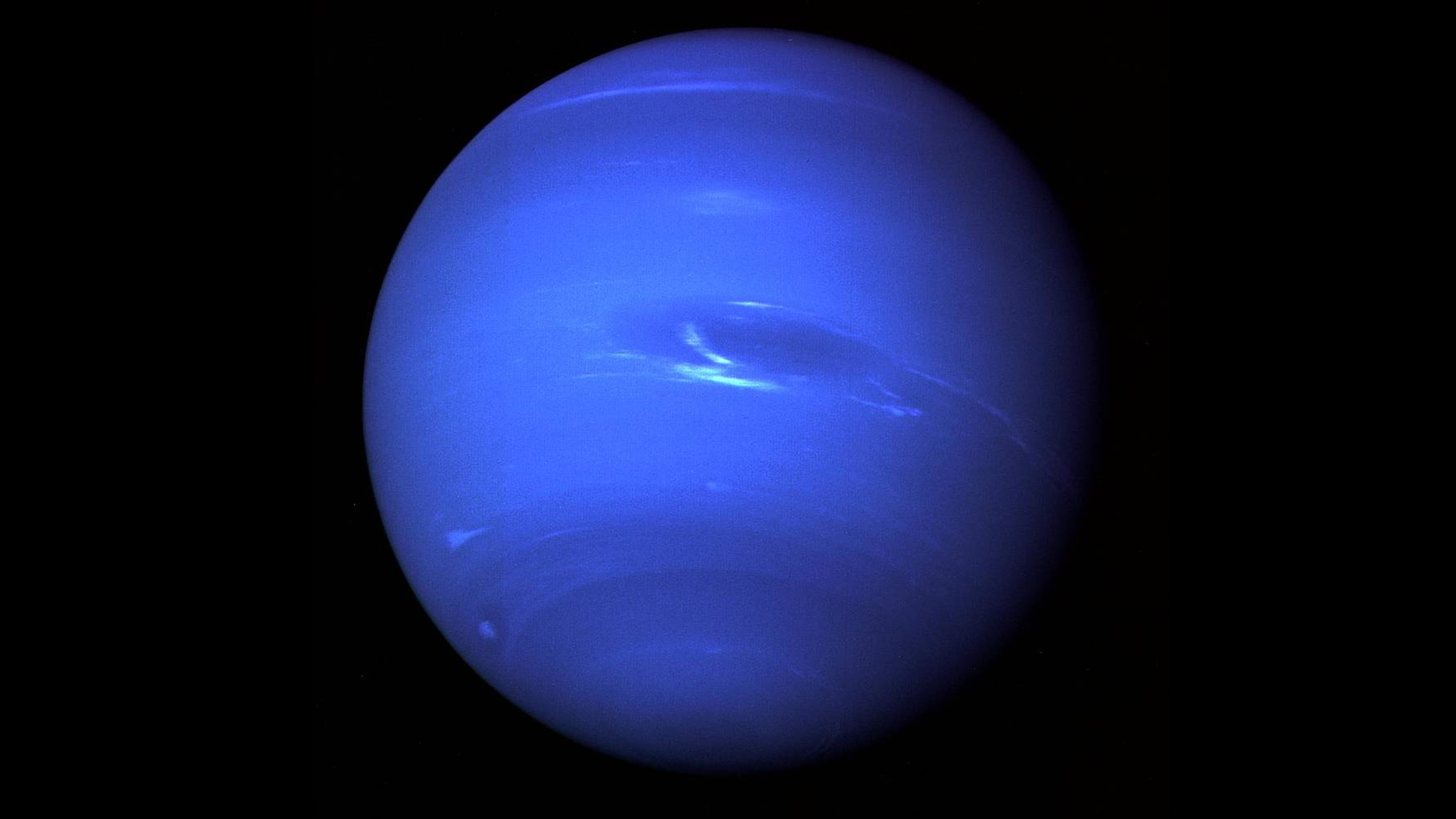
False
300
The color of the hottest stars
blue
300
The year we found out there are galaxies other than ours
A. 1934
B. 1923
C. 1896
D. 1943
B. 1923
300
Star patterns that are not constellations are called this
Asterisms
300
The type of constellation the Pleiades (M45) is
Open Cluster
400
The number of confirmed exoplanets discovered so far
A. 5,535
B. 6,354
C. 5,760
D. 7,235
B. 6,354
400
The closest star to earth is Proxima Centauri. This is how many light years away it is
A. 1 light year
B. 3 light years
C. 4 light years
D. 5 light years
C. 4 light years
400
The amount of years it took to build the hubble space telescope
A. 4 years
B. 18 years
C. 8 years
D. 14 years
C. 8 years
400
Altair is the brightest star in this constellation
The eagle (Aquila)
400
The name of this yummy deep sky object

The Cheeseburger Nebula
500
The most common exoplanet category found
A.Super Earth
B. Terrestrial
C. Pulsar Planets
D. Neptune-like
D. Neptune-like
500
The life cycle for low mass stars
A. Stellar nebula -> Main Sequence Star -> Red Giant -> Brown Dwarf
B. Stellar Nebula -> Protostar -> Main Sequence Star -> Red Giant -> Planetary Nebula -> White Dwarf
C. Stellar Nebula -> Main Sequence Star -> Protostar -> Red Giant -> Planetary Nebula -> White Dwarf
D. Stellar Nebula -> Main Sequence Star -> Red Giant -> Protostar -> Planetary Nebula -> White Dwarf
B. Stellar Nebula -> Protostar -> Main Sequence Star -> Red Giant -> Planetary Nebula -> White Dwarf
500
This astronomer had 3 fake noses
Tycho Brahe
500
This is the constellation representing the lover of Roman emperor Hadrian (not officially recognized by the IAU)
Antinous
500
What food appeared at Raj's door in the afternoon on 8/24/2026
A. Tiramisu
B. Brownies
C. Cookies
D. Spaghetti and Meatballs
C. Cookies