History
Traditions
Foods
Symbols
100
The Day of the Dead is a multi-day festival that was first observed in Mexico by these ancient inhabitants more than 3,000 years ago:
A. The Phoenicians
B. The Aztecs
C. The Greeks
D. The Celts
B. The Aztecs
100
This tradition has people doing this to their faces for the Day of the Dead festivities:
A. Putting ashes on their face
B. Writing the names of deceased loved ones on their face
C. Painting their face to resemble ornate skulls
D. They don't do anything to their face
C. Painting their faces to resemble ornate skulls
100
This winter squash is one of the traditional foods of the holiday. It is slow cooked and candied in a rich syrup made from cane sugar, cinnamon, and cloves:
A. Pumpkins
B. Beets
C. Kale
D. Avocados
D.
A. Pumpkins
100
The bright orange color and strong fragrance of this flower act as a spiritual guide to help spirits find their way back home:
A. Daisy
B. Sunflower
C. Lavender
D. Marigold
D. Marigold
200
In the 15th and 16th centuries, colonizers from this country introduced Catholicism to Mexico. In order to make Catholicism more appealing to the indigenous peoples, they blended All Saint's day with existing ancestral traditions:
A. England
B. Ottoman Empire
C. Russia
D. Spain
D. Spain
200
On the Day of the Day, families visit these sites to decorate, sing, share stories, and enjoy meals alongside their deceased ancestors:
A. A Cemetery
B. A Botanical Garden
C. A Park
D. A Music Concert
A. A Cemetery
200
This Day of the Dead treat is corn masa filled with meats or sweet fruit wrapped and steamed inside corn husks:
A. Flan
B. Tamales
C. Fajitas
D. Breakfast Burritos
B. Tamales
200
This friendly animal guides souls to the afterlife in Day of the Dead tradition?
A. A Horse
B. An Eagle
C. A Dog
D. A Raven
C. A Dog
300
The largest Day of the Dead celebration is held in this city in Mexico:
A. Monterrey
B. Mexico City
C. Tijuana
D. Guadalajara
B. Mexico City
300
For the Day of the Dead, people create these temporary structures (ofrenda) in their homes with photos, candles, and other personal items on top of it to welcome back the spirits of the deceased:
A. Altars
B. Bookshelves
C. Indoor Water Structures
D. Mantlepieces
A. Altars
300
These intricately decorated items of sugar, or chocolate for the Day of the Dead represent the sweetness and cycle of life:
A. Cupcakes
B. Pies
C. Sugar Skulls
D. Churros
D
C. Sugar Skulls
300
These insects are believed to carry the returning souls of ancestors:
A. Dragonflies
B. Wasps
C. Beetles
D. Monarch Butterflies
D. Monarch Butterflies
400
The largest city that hosts the largest Day of the Dead celebration outside of Mexico is this city in the Western United States:
A. Dallas, Texas
B. Los Angeles, California
C. San Antonio, Texas
D. Phoenix, Arizona
C. San Antonio, Texas

400
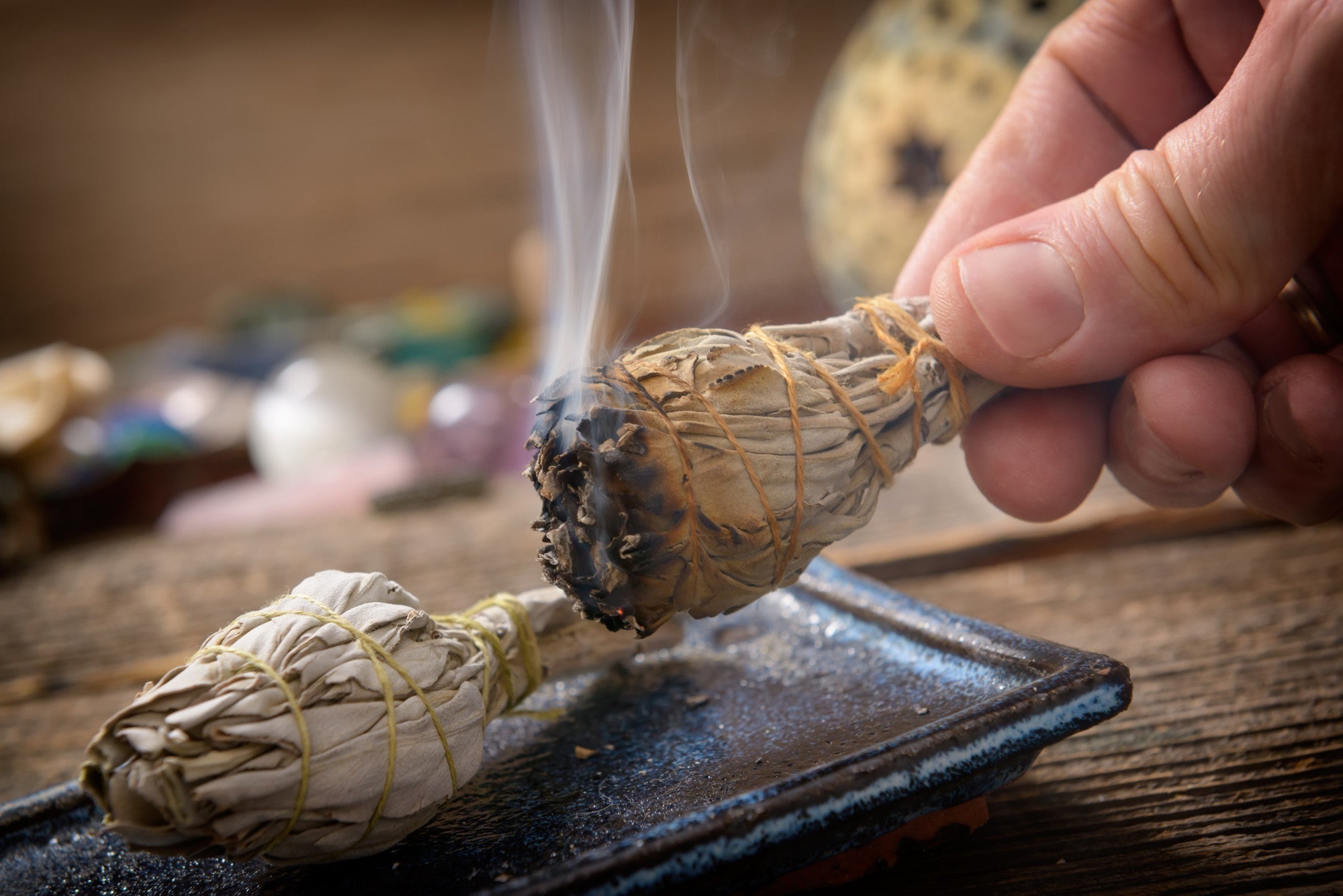
During Day of the Dead observances this is burned to purify the space and carry prayers up to the spirits:
A. Incense
B. Candle
C. Tiki Torches
D. Yule Logs
A. Incense
400
This creamy custard topped with caramel is a popular dessert for Day of the Dead festivities:
A. Pudding
B. Creme Brulee
C. Frozen Custard
D. Flan
D. Flan
400
Papel picado is traditional folk art used during Day of the Dead celebrations to represent the element of wind and the delicate union between the living and the Dead:
A. Wood
B. Paper
C. Metal
D. Clay
B. Paper
500
Rather than death ending life, Ancient Aztecs believed that new life came from death. As with most celebrations, Day of the Dead celebrations are filled with music and this:
A. Dancing
B. Reading
C. Bird Watching
D. Sleeping
A. Dancing
500
Vibrant colors such as these are traditionally worn or displayed during the Day of the Dead Celebrations:
A. Orange
B. Yellow
C. Red
D. All of the Above
D. All of the Above
500
A traditional Day of the Dead dessert is a bunuelos, a sweet, crispy, thin fried dough pastry dusted with:
A. Chocolate sprinkles
B. Pepper
C. Cinnamon and Powdered Sugar
D. Paprika
C. Cinnamon and Powdered Sugar
500
These wooden noise makers are used in parades, musical performances, and community gatherings during Day of the Dead festivities:
A. Drums
B. Maracas
C. Oboe
D. Xylophone
B. Maracas