Signs
True/False
A
B
Signs
100
What does this sign mean?

A: Left lane ends
B: U-turn is prohibited
C: No left lane
D: No left turn
B: U-turn is prohibited
100
If no reduced speed limit signs are clearly posted within a work zone, you should:
A: drive faster than the posted speed limit
B: obey the normal posted speed limit
C: drive slower than the posted speed limit
B: obey the normal posted speed limit
100
When you see a flashing yellow traffic light at an intersection, you should
A: increase your speed and proceed through the intersection
B: slow down and proceed with caution
C: come to a full stop and proceed when it is safe to do so
D: stop and change lanes
B: slow down and proceed with caution
100
Blocking an intersection during rush hour traffic is not permitted:
A: under any circumstance
B: unless you entered the intersection of a green light
C: unless you have the right-of-way
A: under any circumstance
100
This sign warns ____ ahead.

A: that a divided highway ends
B: of two-way traffic
C: of a reduction of lanes
B: of two-way traffic
200
What does this sign mean?
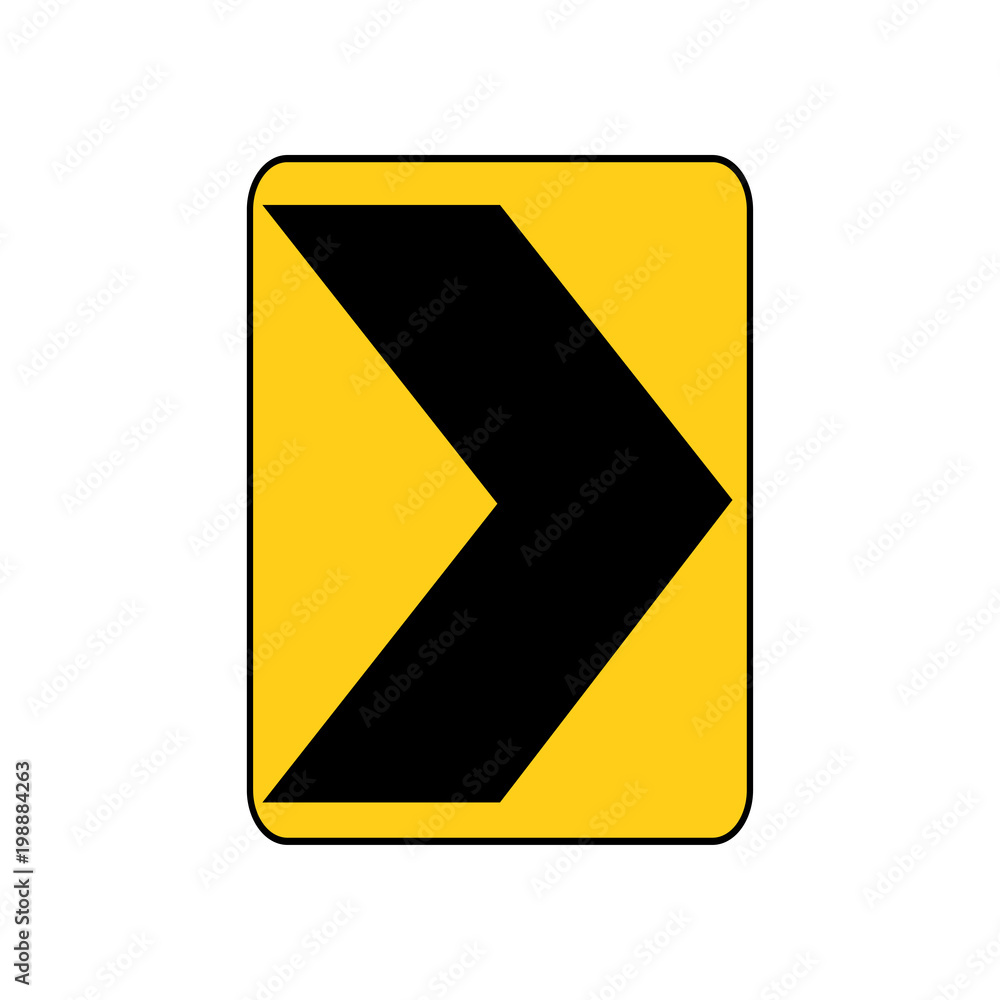
A: Sharp left curve warning
B: V intersection ahead
C: A sharp right curve or turn
D: 2 lane traffic ahead
C: A sharp right curve or turn
200
TRUE/FALSE: Drivers should check their rearview mirrors often to how traffic is moving behind them.
True
200
When approaching a construction site, drivers should:
A: honk their horn too alert the construction workers of their presence
B: accelerate to get out of the way quickly
C: slow down and adjust their driving manner
C: slow down and adjust their driving manner
200
In Connecticut, you may not park within ____ of a fire hydrant
A: 100 feet
B: 10 feet
C: 50 feet
D: 25 feet
B: 10 feet
200
The yield sign means:

A: If the way is clear, you may move forward slowly without stopping
B: Go. The light will soon be red.
C: Stop if you can
A: If the way is clear, you may move forward slowly without stopping
300
What does this sign mean?

A: 2 lane traffic ahead
B: Right curve warning ahead
C: Merging traffic entering from the left
D: Merging traffic entering from the right
D: Merging traffic entering from the right
300
TRUE/FALSE: The broken white lines on the pavement mean that passing is not allowed
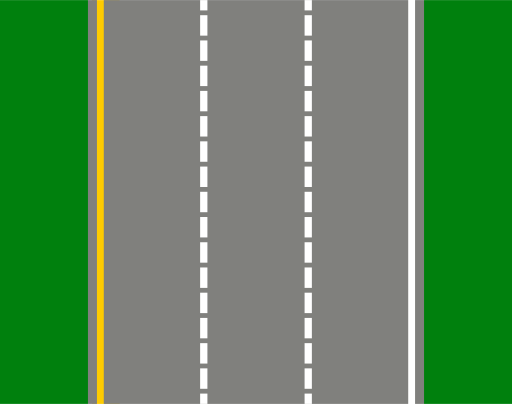
False
300
When driving on the highway behind large trucks, you should:
A: increase your following distance
B: driver closer behind the truck than you would for a passenger vehicle
C: drive to the right of the truck and pass quickly
A: increase your following distance
300
In Connecticut, you may not park within ____ of a stop sign.
A: 25 feet
B: 50 feet
C: 5 feet
D: 100 feet
A: 25 feet
300
What does this sign mean?
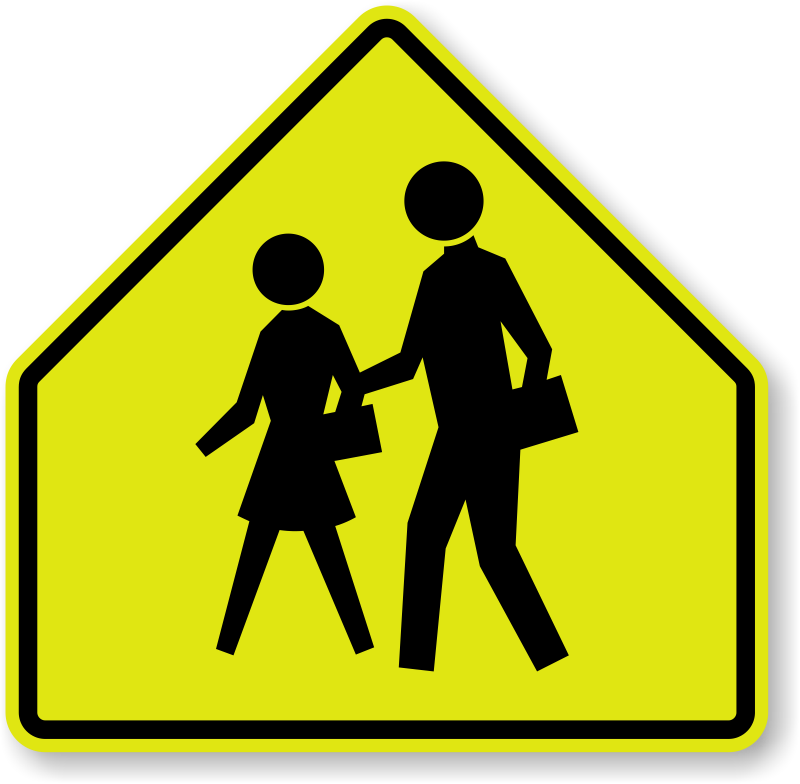
A: Pedestrians only, no vehicle traffic
B: Pedestrian crossing ahead
C: School advance warning, you're entering a school zone
D: Pedestrians ahead warning sign
C: School advance warning, you're entering a school zone
400
What does this sign mean?
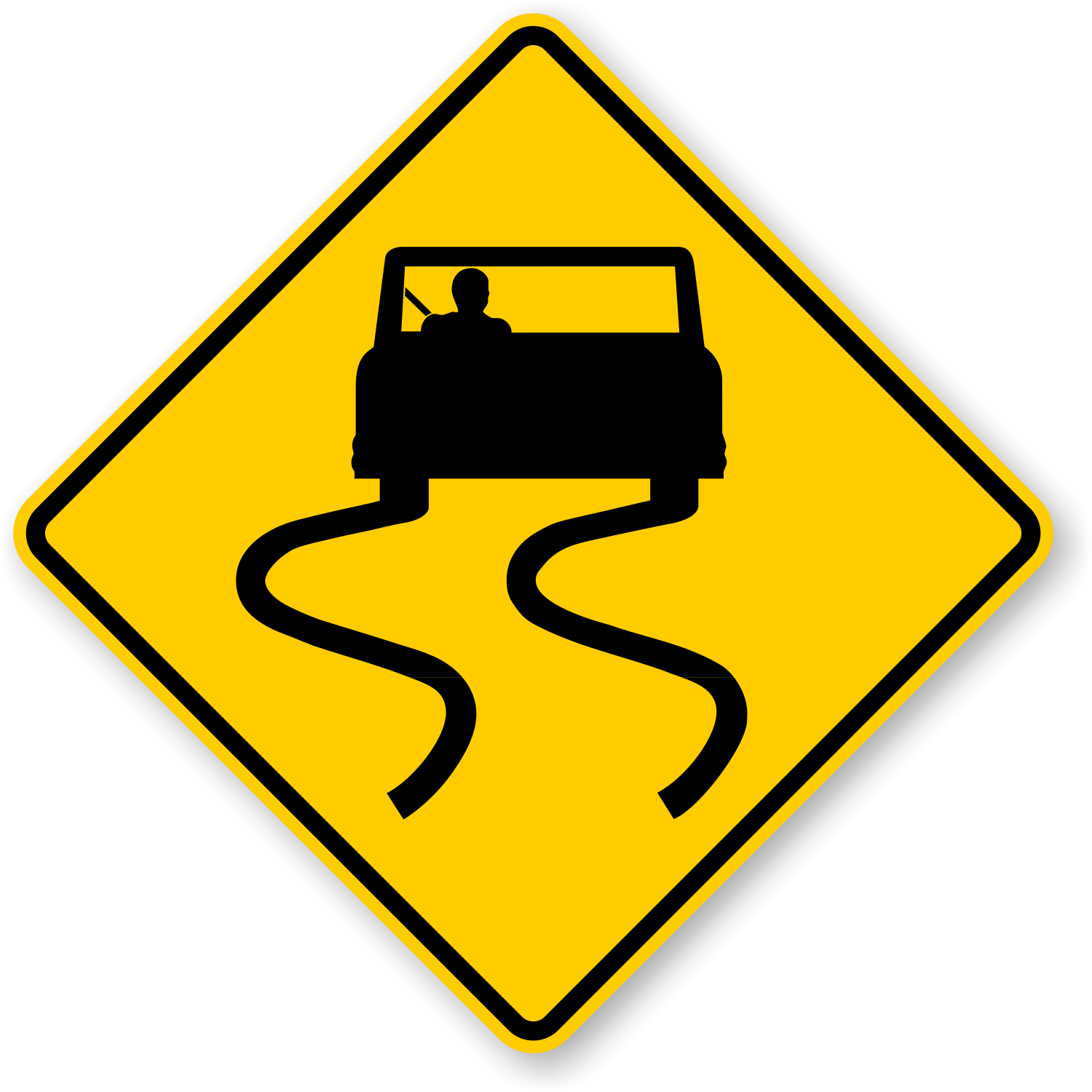
A: Slippery when wet, use caution
B: Winding road, use caution
C: Sharp left curve then right curve, use caution
D: Merging traffic from the right
A: Slippery when wet, use caution
400
TRUE/FALSE: After you have parallel parked, you are allowed to open a door on the road side of your vehicle if it does not interfere with bicyclists and other traffic.
True
400
If no reduced speed limit signs are clearly posted within a work zone, you should:
A: drive faster than the posted speed limit
B: obey the normal posted speed limit
C: drive slower than the posted speed limit
B: obey the normal posted speed limit
400
What should drivers do when the red lights begin to flash?
A: Stop
B: Yield
C: Slow down
A: Stop
400
What is the meaning of orange traffic signs?
A: Yield
B: Warning of school, pedestrian, and bicycling activity
C: Construction and maintenance warning
C: Construction and maintenance warning
500
What does this sign mean?

A: Left lane ends ahead
B: Right lane ends ahead
C: Warning for two lane highway
D: Two way traffic warning
B: Right lane ends ahead
500
TRUE/FALSE: When turning left at an intersection, you should never yield to oncoming traffic and pedestrians.
False
500
When entering an interstate highway, drivers should:
A: wait for an opening in traffic on the entrance ramp
B: adjust speed to meet a traffic gap, then merge at a safe speed
C: check for cars and slow down to 25 MPH before merging with the flow of traffic
B: adjust speed to meet a traffic gap, then merge at a safe speed
500
Stopping distances:
A: decrease as vehicle speed increases
B: are not affected by vehicle speed
C: increase as vehicle speed increases
C: increase as vehicle speed increases
500
What does this sign mean?

A: Reversible lane ahead
B: The divided highway ends ahead
C: Drivers are coming to a point where another traffic lane joins the one they are on
B: The divided highway ends ahead