Cataract 101
Equipment Supplies
Medications
Procedural Sequencing and Complications
100
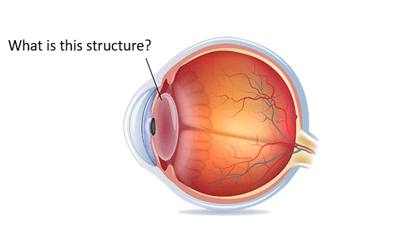
Lens
The eye lens absorbs, focuses and directs incoming light to the retina, the light-sensitive tissue in the back of your eye.
It changes its shape automatically to focus on objects at different distances. It can make itself flatter or rounder to bend incoming light from different distances toward a single point. This is how it fine-tunes your focus. The lens provides about 30% of your eye’s focus.
The lens is removed and replaced during cataract surgery.
100
What are the names of these pieces of equipment?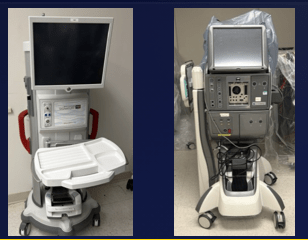
WhiteStart Signature Pro: This machine helps the surgeon remove the cataract by emulsifying the lens with ultrasonic energy while maintaining fluid control
Constellation: This machine helps the surgeon remove the cataract by providing them a power source, vacuum, irrigation system, and safety monitor all in one
100
What does BSS stand for?
Balanced Salt Solution
BSS irrigation infusion maintains eye pressure during the procedure
100
What is the fist instrument used in a cataract surgery?
Eye Speculum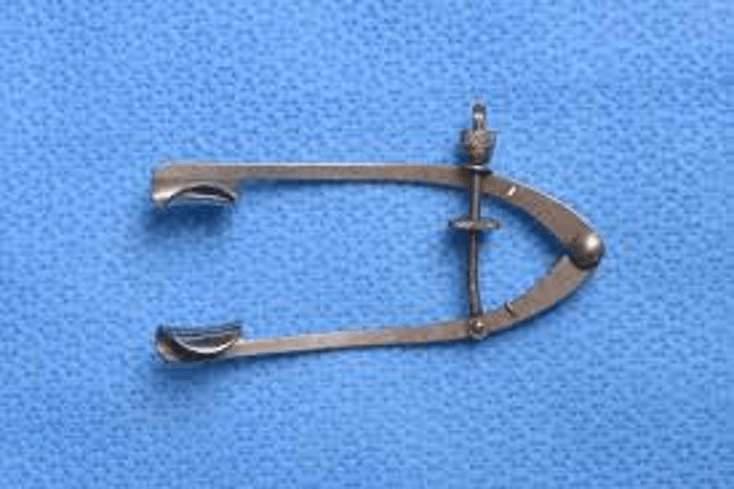
200
What is a cataract?
A cataract is made up of protein clumps in the eye which causes cloudy vision
200
Wat type of machine is used to measure artificial lens replacement?
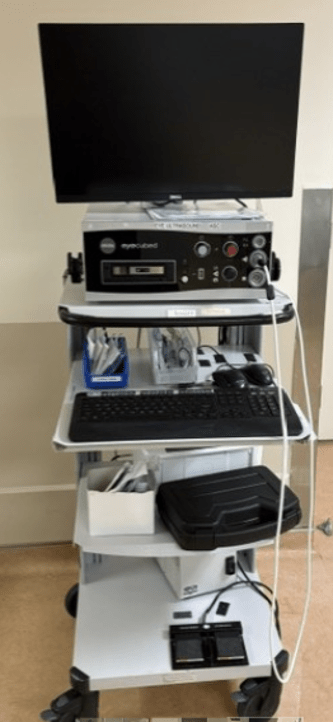 A-Scan Ultrasound
200
What are the 5 rights of medication administration?
Correct Patient
Correct Medication
Correct Dose
Correct Route
Correct Time
200
Retrieve an envelop from you host and put these surgical cataract steps in the correct order.
Eye Measurements
Analgesia Drops into Eye
Surgical incision into Cornea
Protection of the Inner Eye using Healon Pro
Lens Removal with Vitrector
Irrigation and Aspiration for Lens Removal
Insertion of IOL
Apply Eye Protection and Dressings
300
What is the purpose of implanting an intraocular lens (IOL)?
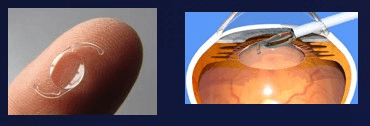 Restoring Vision
300
Where are the artificial lens stored in ASC?
ASC OR 3
300
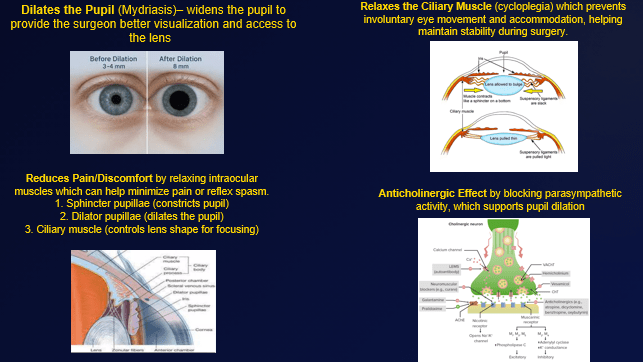
List 3 reasons for administering Atropine eye drops
300
List 3 surgical complications of a cataract procedure?
Infection – endophthalmitis (bacteria enters the surgery during or after surgery)
Bleeding – vessel damage that leads to blood accumulating in the anterior chamber
Swelling – inflammation or fluid builds up causing corneal edema
IOL Dislocation – can happen due to weak or damaged lens capsule
Retinal Detachment – the vitreous gel inside the eye can shift after lens removal and the traction can create a tear in the retina. When fluid passes behind the retina it can detach
Glaucoma – high intraocular pressure can develop due to blocked fluid drainage after surgery or retained lens fragments clog the eyes drainage system. This damages the optic nerve
Secondary Cataract Formation – residual lens epithelial cells grow on the capsule behind the IOL
Vision Loss – rare but can happen if the following complications aren’t managed quickly: infection, retinal detachment, advanced glaucoma
400
What is the common source of post-op eye infections?
Eyelashes
400
What do the following RFID lights on the constellation machine indicate?
GREEN
ORANGE
PURPLE
GREEN: GO!
ORANGE: WRONG PORT
PURPLE: READY TO BE PLUGGED IN
400
What is the last medication usually given during a cataract procedure?
Antibiotic
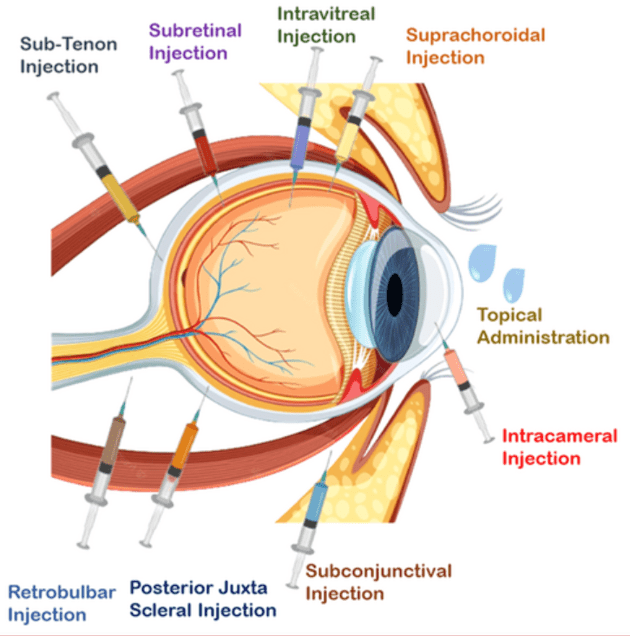
An antibiotic that is usually prophylactically administered via intracameral injection (IC) at the end of a cataract surgery to prevent endophthalmitis (a serious bacterial infection inside the eye).
Intracameral Injection is administered directly into the anterior chamber of the eye
400
The surgeon states, "The chamber is shallow" what are four interventions to troubleshoot?
BSS Flowing?
BSS Bottle Height?
Leak in Tubing?
Vacuum too High?