CUT: Editing Terms
Lighting (Pictures)
Organization
Angles (Pictures)
Footage and Equipment
100
What is the difference between a fine cut and a rough cut?
A rough cut is the first assembled, preliminary version of a film, focusing on story structure and scene order, typically lacking sound design and polished timing. A fine cut follows, refining the rough cut with polished pacing, transitions, and color correction to create a near-finished product.
100
What's the difference between hard light and soft light?
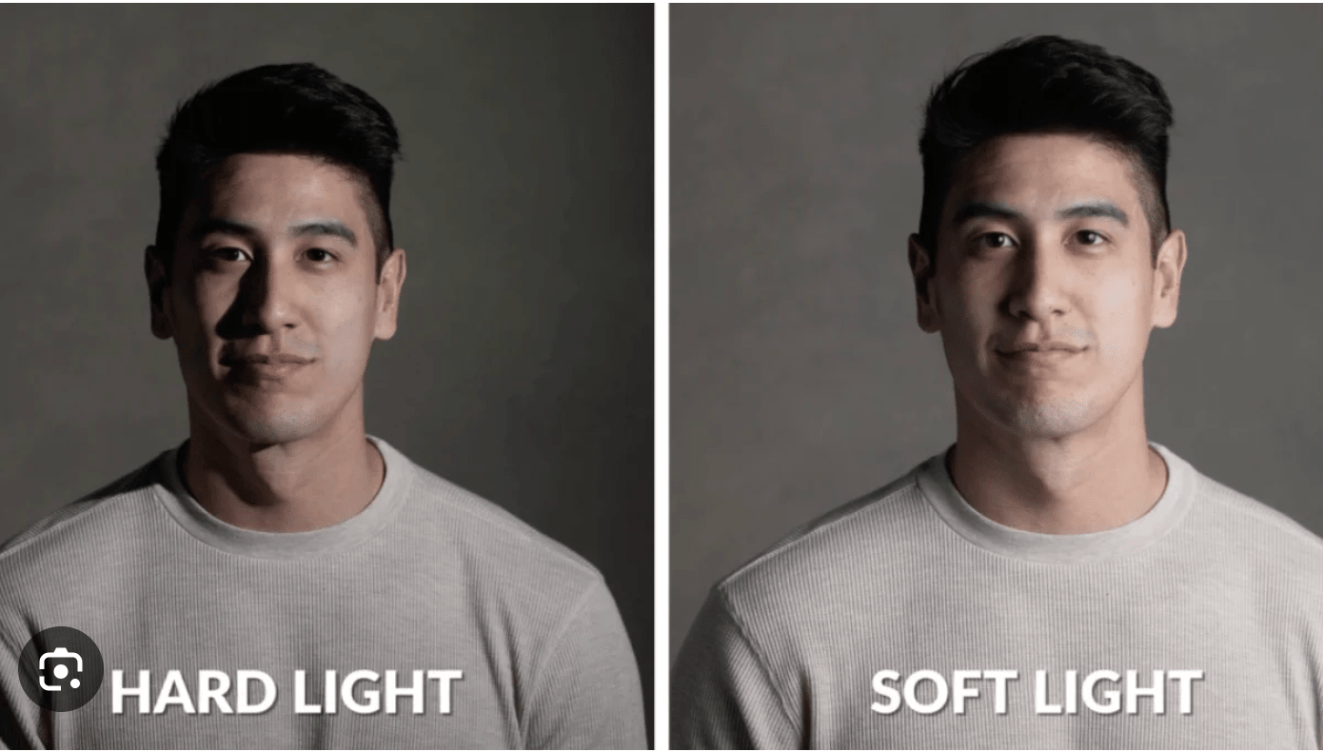
Hard light produces distinct, high-contrast shadows with sharp edges, often created by small or distant light sources like direct sun, whereas soft light creates gentle, gradual transitions between light and dark using large, diffused sources.
100
Name 2 things that are included in documentation packs? (Hint: Things you would package and send to collaborators)
Music, Final Script, Transcript, Timecodes, Master Video File
100
Why would you use the eye level shot?
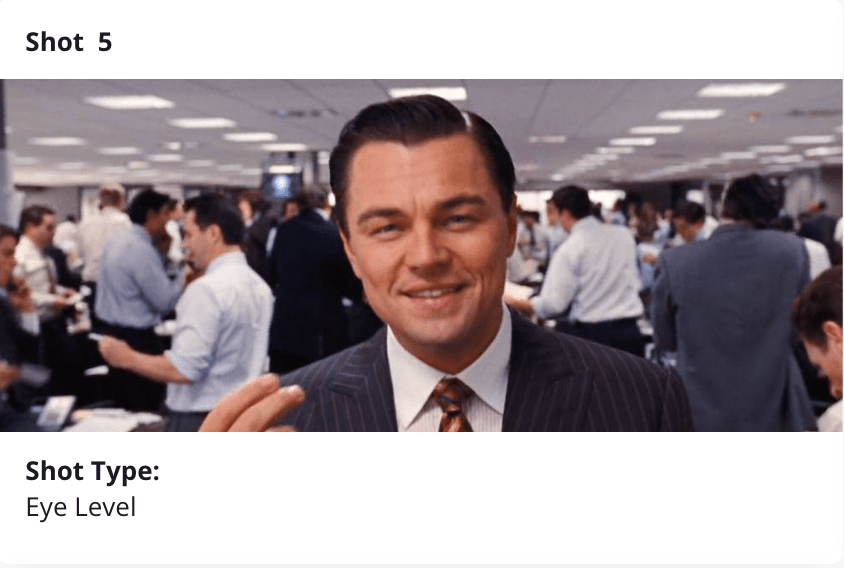
An eye-level shot is a cinematic technique where the camera is placed at the same height as the character's eyes, offering a neutral, familiar, and realistic perspective. It mimics human vision, fostering an intimate connection or empathy by placing the viewer on equal footing with the character, often used in dialogue scenes.
100
What is a light diffuser used for? 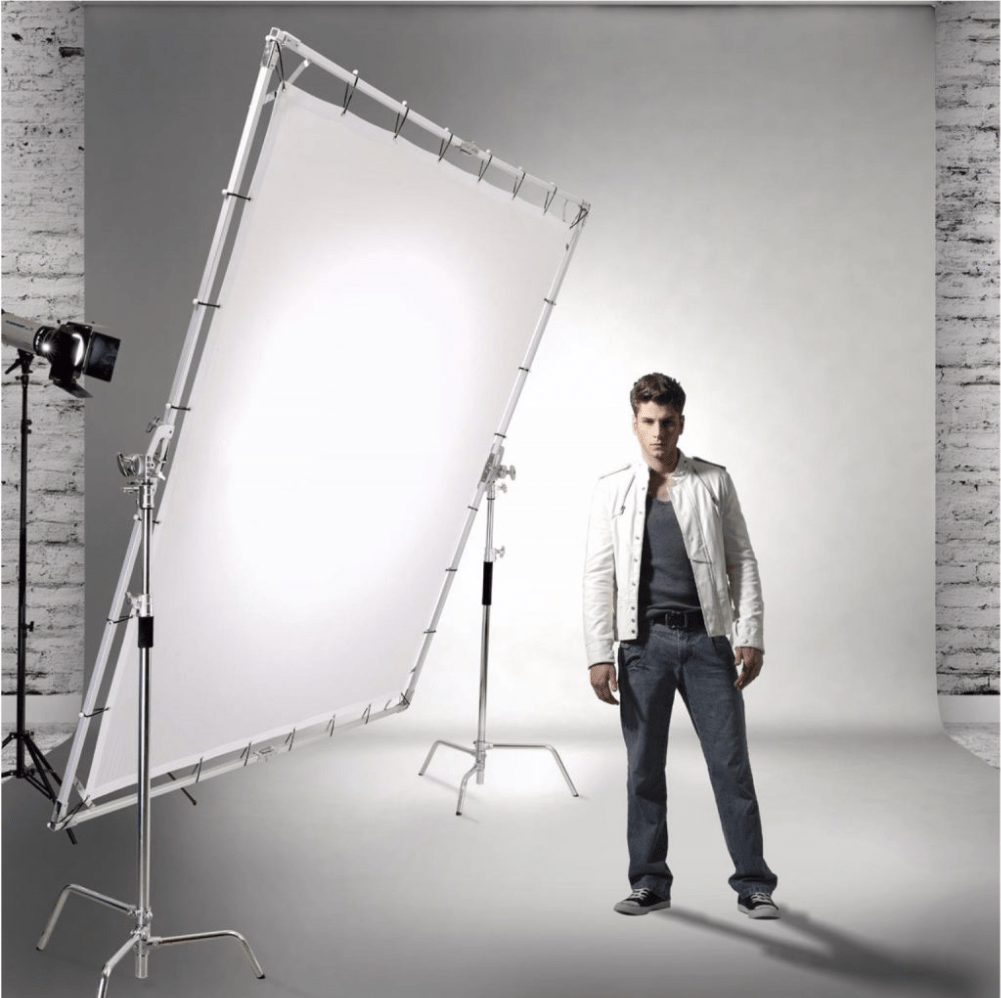
A light diffuser scatters direct, harsh light into softer, more even illumination by passing it through a translucent material. It eliminates, hot spots, reduces glare, and softens shadows, making it essential for flattering portraits in photography and creating comfortable, ambient lighting in homes or offices.
200
Where is the timeline found Adobe Premiere Pro?
On the bottom panel.
200
What is key light?
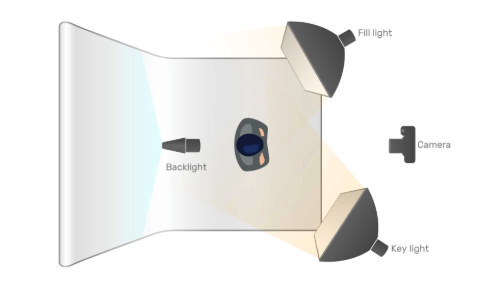
A key light is the primary, brightest light source in a photography, film, or theater scene, establishing the main lighting theme and mood. It shapes the
200
Name two folders you should have to organize your footage?
Footage: A-roll, B-roll
Audio: Music, voiceover, SFX
Graphic / Assets / Images
Sequences
Text
200
What types of movie were "hip level" shots used in?
Bonus (300 points+): What EMOTION or FEELING do they build up in the audience?
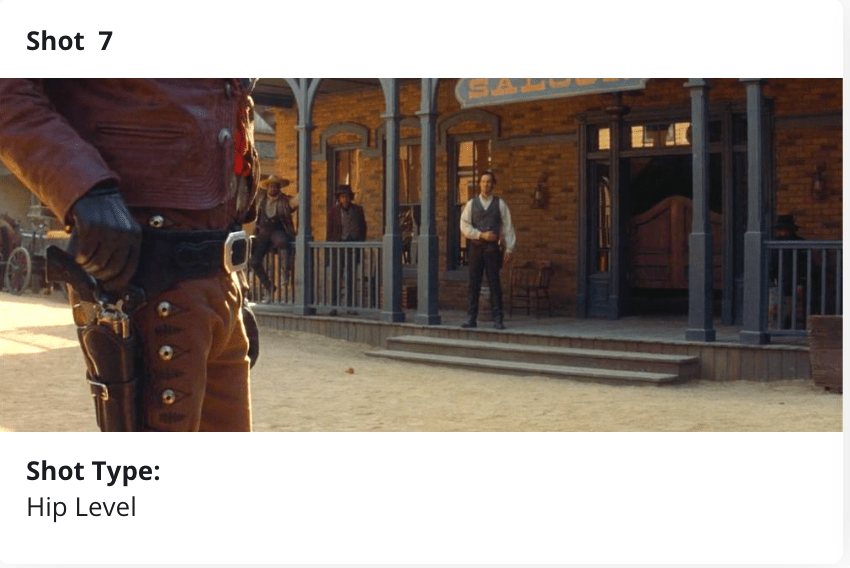
Westerns.
Feeling: Suspense, Intensity, Angst, Tension
200
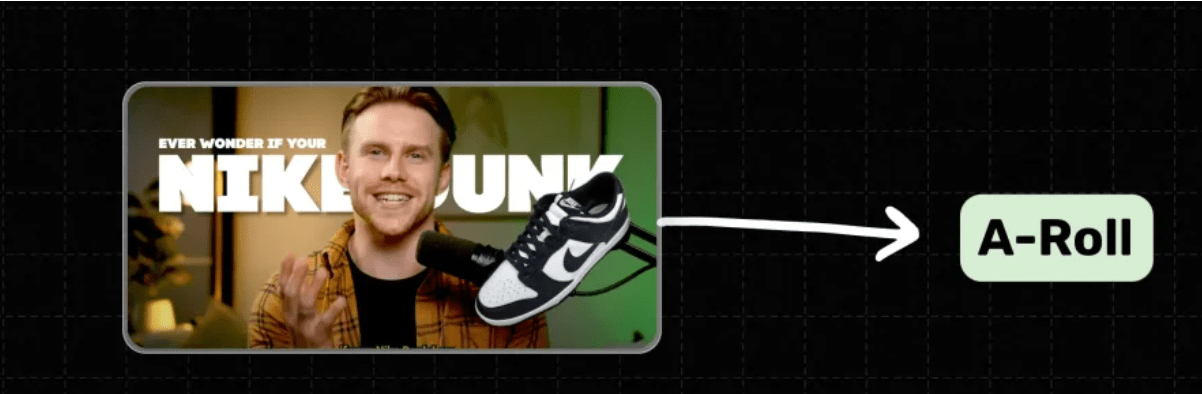
What is A-roll?
A-roll is the primary footage that drives a story's narrative, typically featuring interviews, dialogue, or main action sequences. It acts as the backbone of a video, often consisting of "talking head" shots where the audio and visual directly convey the main message
300
What is an L-cut?
An L cut is a film editing technique where the audio from a preceding scene continues to play over the video of the following scene. It creates a smooth, natural transition, commonly used in dialogue, interviews, and montages to connect scenes without an abrupt audio change.
300
What is a fill light?
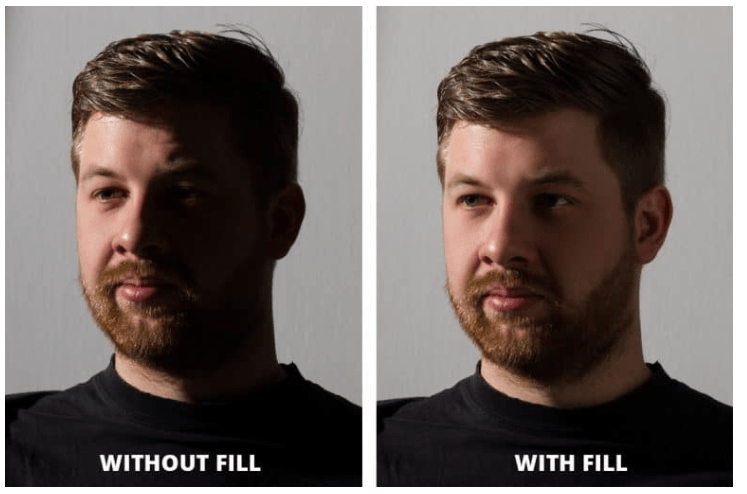
A fill light is a secondary light source used in photography and filmmaking to reduce contrast by softening or filling in the deep shadows created by the primary "key light".
300
What should you do to your layers, not matter WHAT program you use?
Label them!!!!
300
True or false, overhead shots are great for providing perspective on a scene?
TRUE, Overhead shots are great for providing perspective on a scene — but not just any perspective. It's often used as either a "neutral" or sometimes "divine" point of view.
300
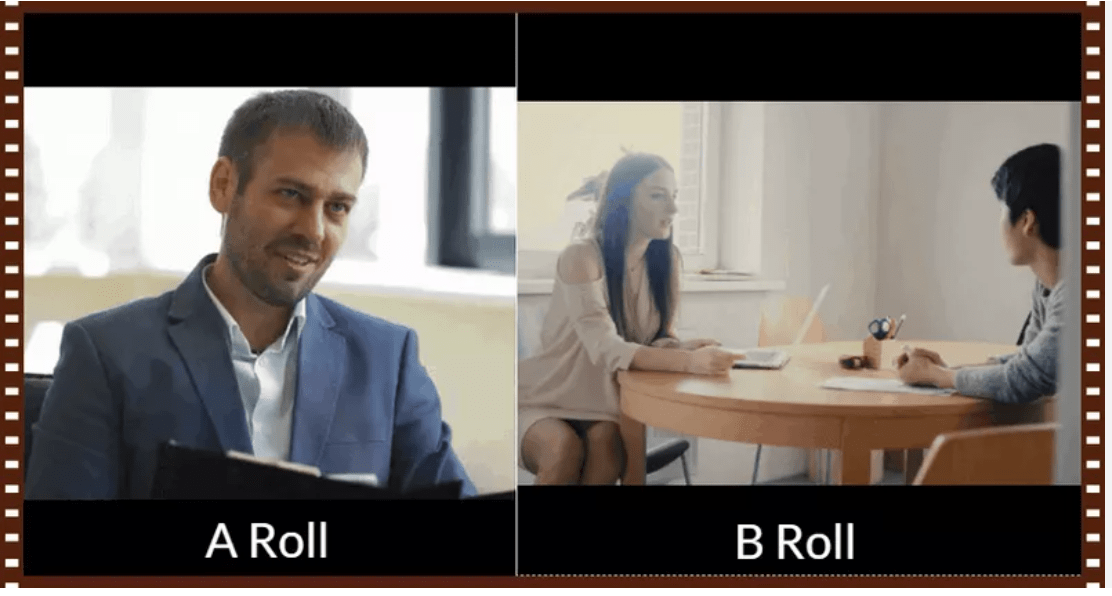
What is B-Roll footage?
B-roll is supplementary, contextual footage used to enhance main video content (A-roll), keeping viewers engaged by breaking up, supporting, or adding emotion to interviews and narratives. It covers cuts, adds visual interest, and establishes scene settings, such as close-ups, environmental shots, or drone footage.
400
What is a J-Cut?
A J-cut is a video editing technique where the audio from a following clip starts before its video appears, allowing the sound to precede the image
400
What is a back light?
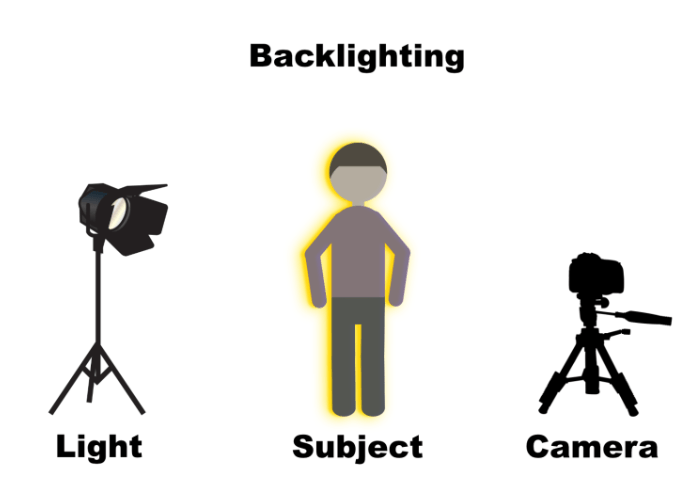
Backlight in Photography and Film
- Purpose: Placed behind the subject to create a dramatic, artistic silhouette or "halo" effect, often called "rim lighting" or "hair light".
- Technique: Commonly used during "golden hour" in natural light or with artificial studio lighting to create depth, enhance atmosphere, and make the subject pop from the background.
400
What are considered "poor organization" habits in film editing/management?
Poor organization in film editing refers to inefficient, chaotic, or non-existent file management and workflow structures that waste time, hinder creative flow, and disrupt collaboration. It is a common issue that causes editors to lose valuable time searching for assets, missing deadlines, and struggling to manage large volumes of media.
400
DAILY DOUBLE: What is a "Dutch" or tilt angle used for? 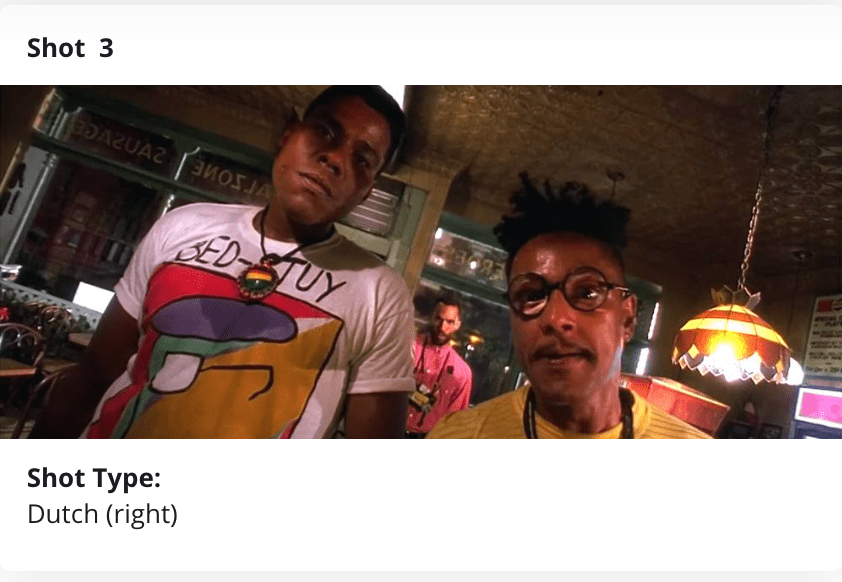
A Dutch angle (known as a Dutch tilt, canted angle, or oblique angle) is a type of camera shot that has a noticeable tilt on the camera’s “x-axis.” Directors often use a Dutch angle to signal to the viewer that something is wrong, disorienting, or unsettling.
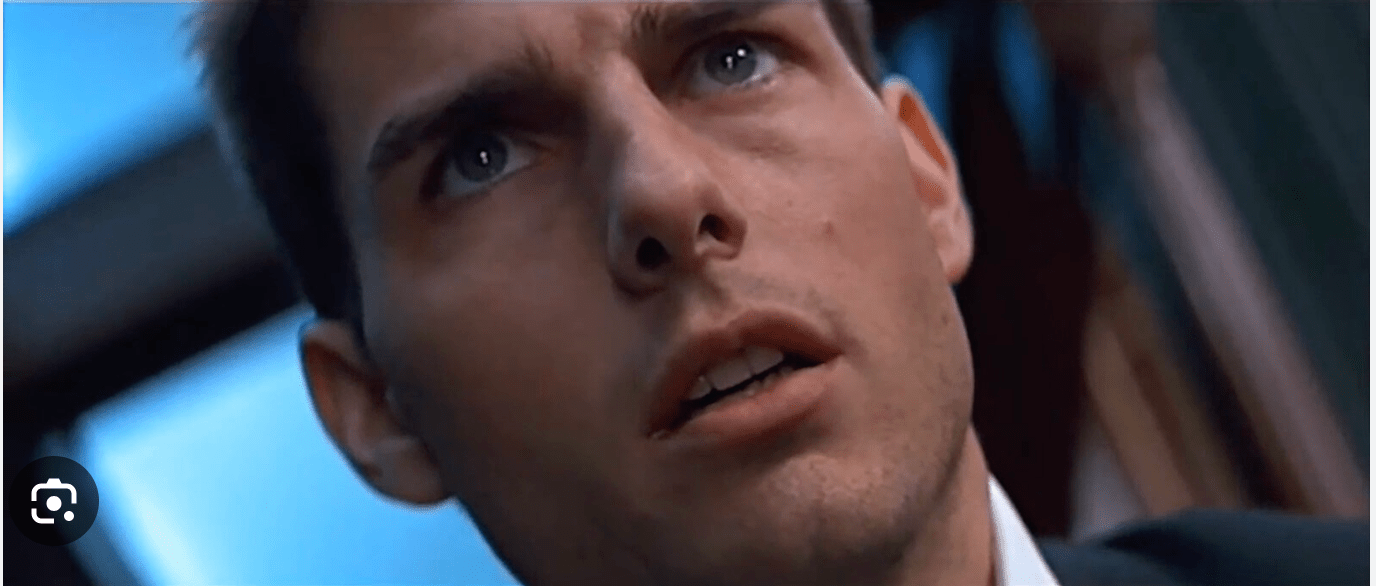
400
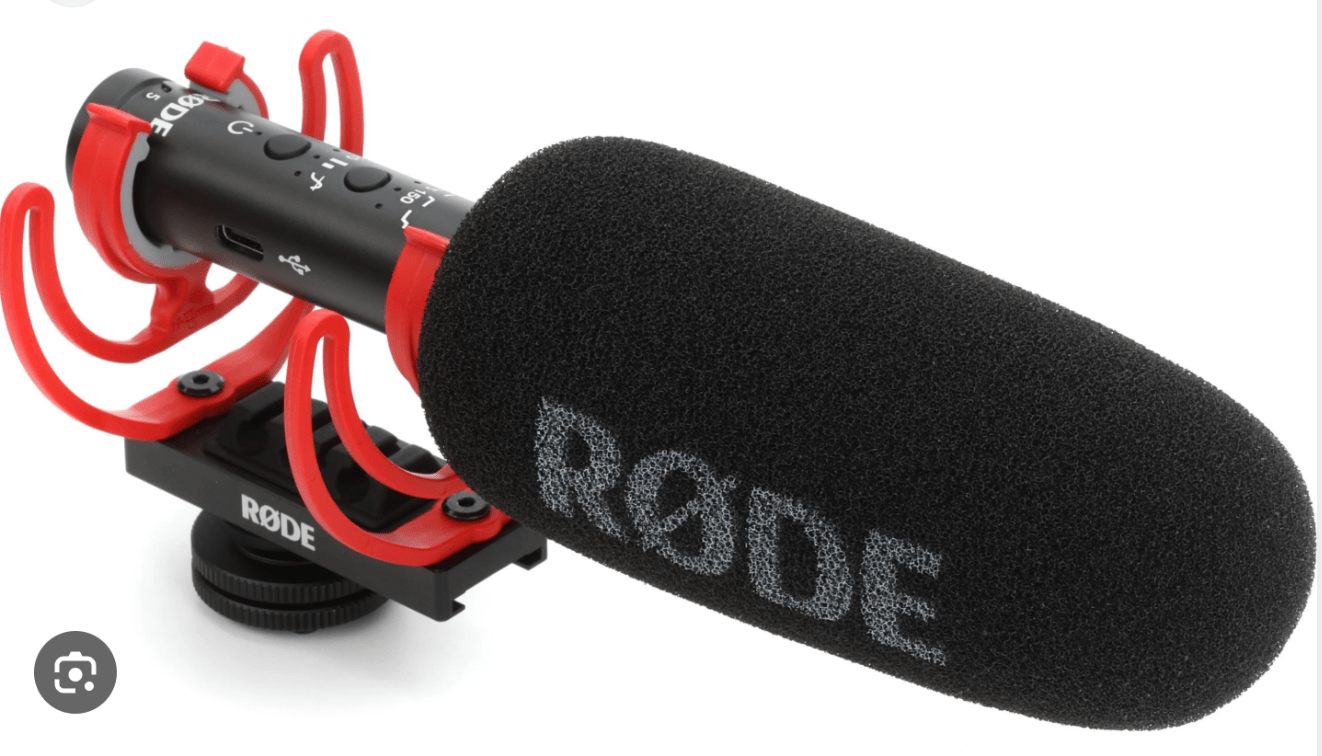
This sound capturing "weapon" is a highly directional microphone designed for film, TV, and field recording.
What is a shotgun mic.
500
What is a jump cut?
A jump cut is a video editing technique where two sequential shots of the same subject, taken from nearly the same camera angle, are cut together, causing the subject to appear to "jump" abruptly in time or position
500
DAILY DOUBLE: What are the FIVE characteristics of lighting?
Hint:
1. D _ _ _ _ _ _ _ _
2. Q _ _ _ _ _ _ ( s _ _ _ _ _ _ _ )
3. C _ _ _ _
4. I _ _ _ _ _ _ _ _
5. C _ _ & S _ _ _ _
The 5 Characteristics of Lighting: Direction, Quality (softness), Color, Intensity, Cut & Shape
500
What is the number one thing you should do to not lose your work?
Backing Up Projects with multiple saved files.
500
What feeling does a high angle shot create for the subject being "looked down" upon?
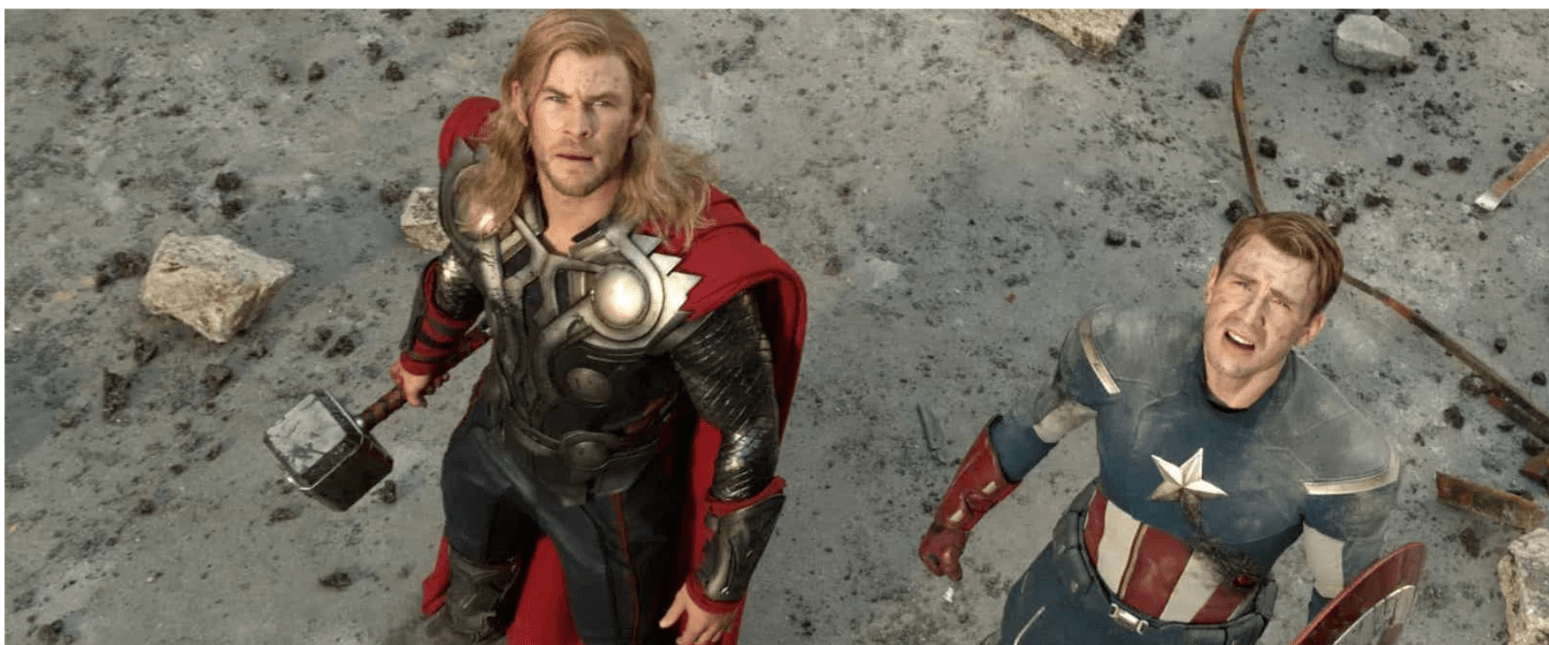
It usually creates a feeling of inferiority, or “looking down” on your subject. The most common usage is to make a character seem vulnerable and powerless but there are always exceptions to the rule.
500
What does DSLR Stand for?
a) Digital Single-Lens Reflex
b) Digital Single-Lens Reaction
c) Digital Studio-Lens Reflex
d) Digital Sequence Light Reflex
e) Digital Single-Lens Reshot
a) Digital Single-Lens Reflex