Key Dates
Compromises
People
Big Events
Random
Vocabulary
100
The year the Compromise of 1850 was passed
1850
(p. 492)
100
The Fugitive Slave Act was a byproduct of this compromise
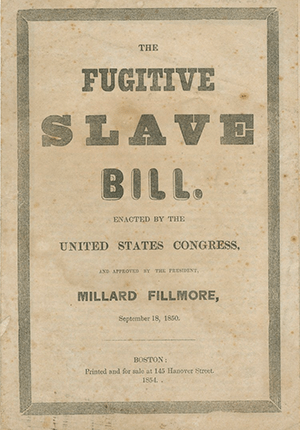
The Compromise of 1850
(p. 493)
100
This person was president when Texas was admitted to the Union
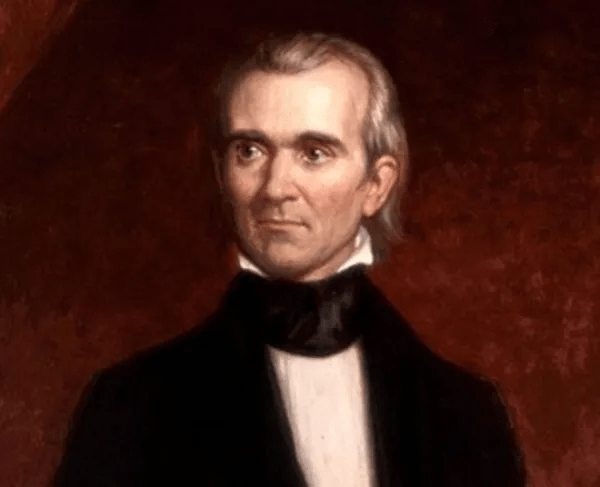
President James Polk
(p. 491 + Unit 3)
100
This war fueled westward expansion and therefore, the debate over the expansion of slavery
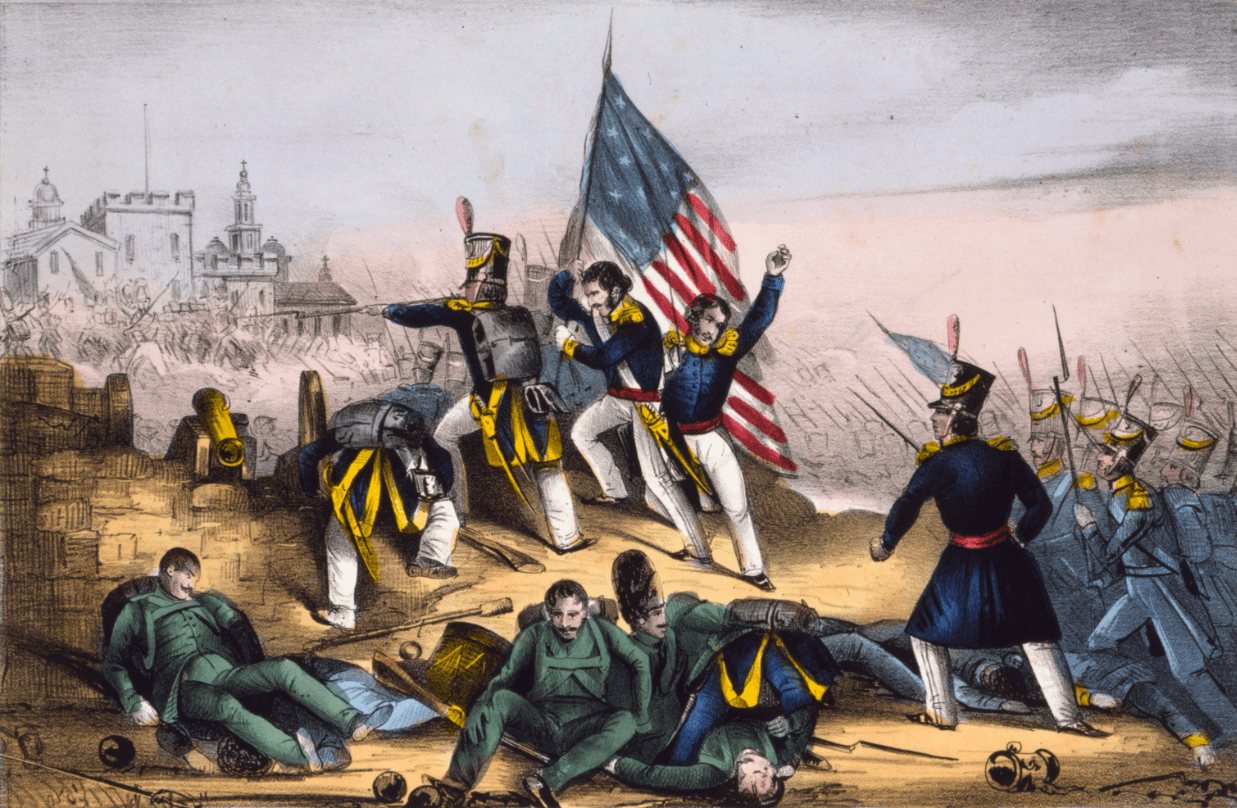
Mexican-American War (1846-1848)
(p. 491 + Unit 3)
100
The name of the interconnected network that helped enslaved people escape to freedom
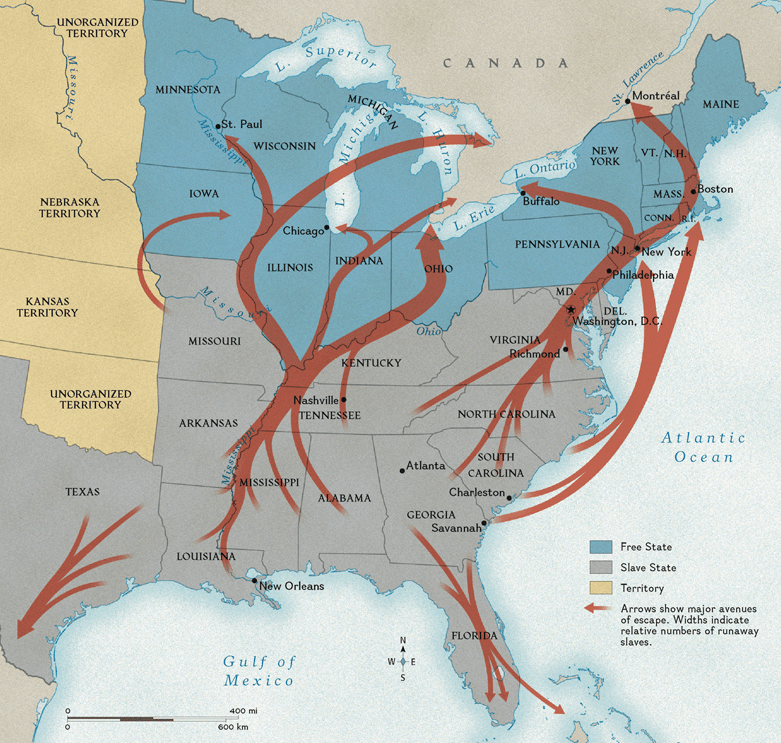
The Underground Railroad
(p. 494)
100
A word to describe a runaway enslaved person
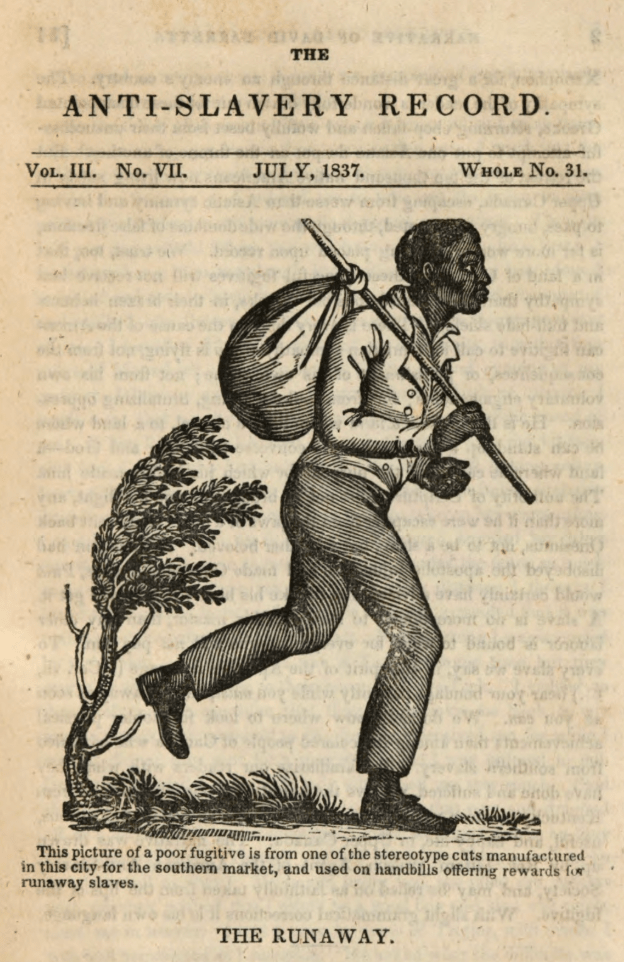
FUGITIVE
(p. 492)
200
The year of the Missouri Compromise
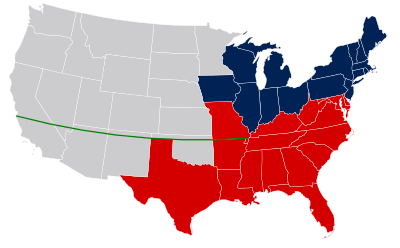
1820
(p. 491)
200
This compromise did not pass, but it caused heated debate.
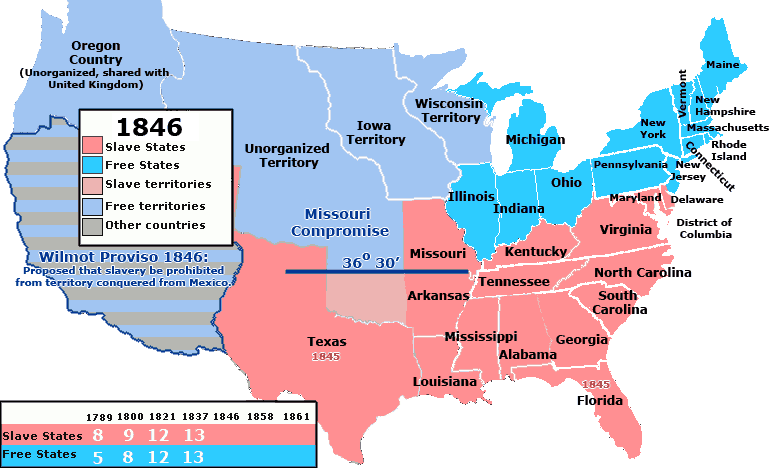
Wilmot Proviso, which proposed to ban slavery in all lands gained in lands taken from Mexico in the Mexican-American War (1848)
(p. 491)
200
This member of the U.S. House of Representatives proposed to ban slavery in any territory acquired from Mexico during the Mexican-American War.
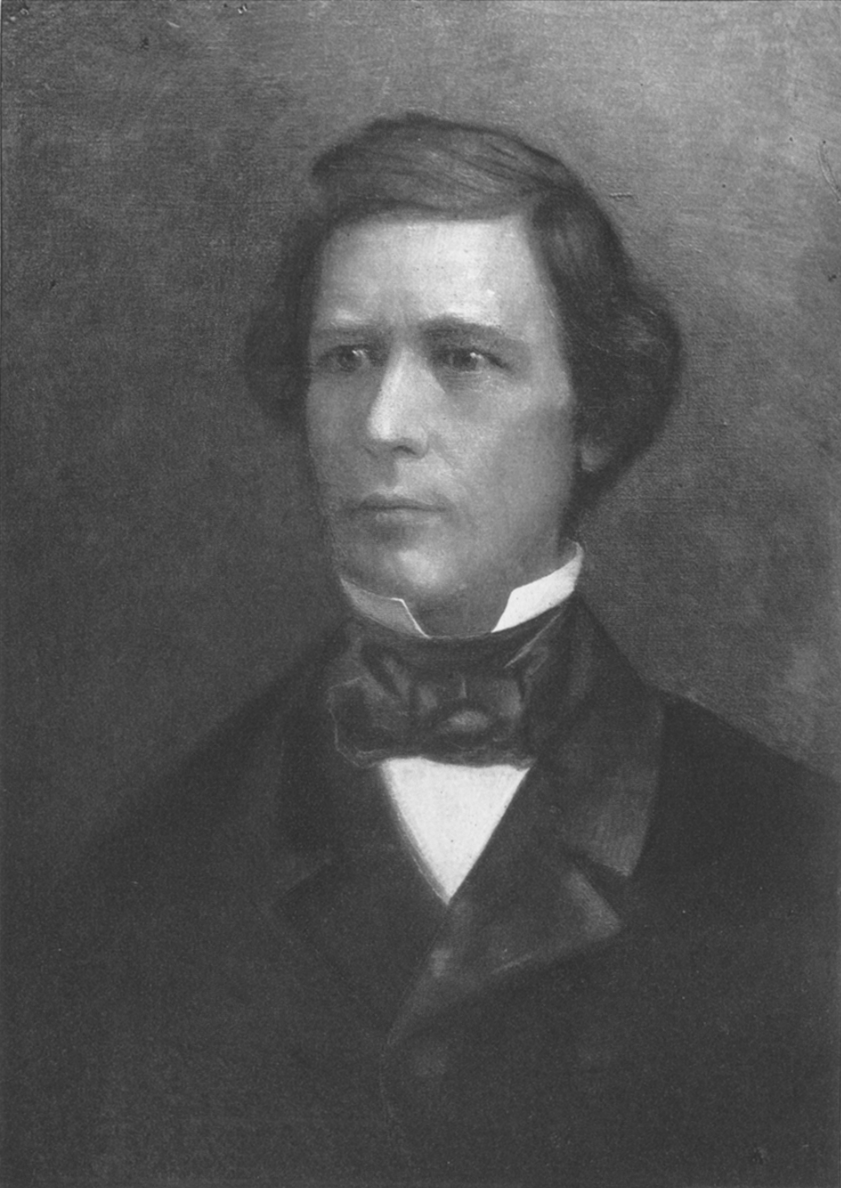
David Wilmot from Pennsylvania
(p. 491)
200
What did the Wilmot Proviso propose?
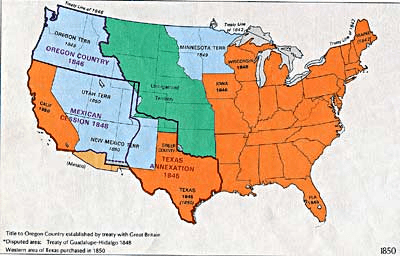
Banning slavery in any lands the U.S. might acquire in the war with Mexico
(p. 491)
200
Why did Northerners protest the Kansas-Nebraska Act?
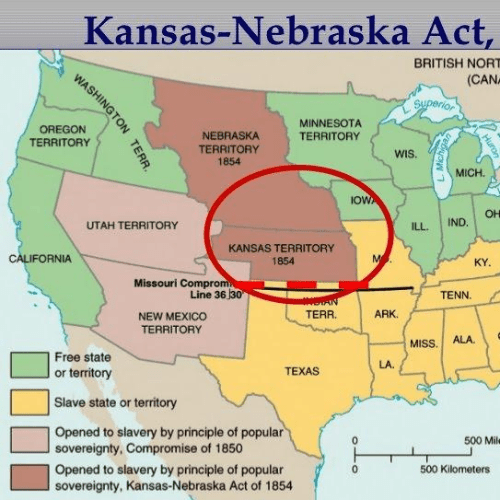
It allowed slavery in areas that had been free for years
(p. 495)
200
A word used to describe the act of leaving the Union
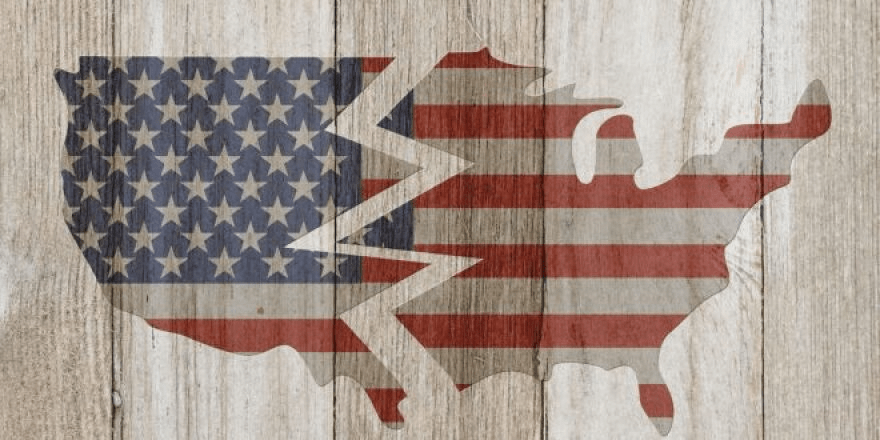
SECEDE (or secession)
(p. 492)
300
The year Texas was admitted as a state
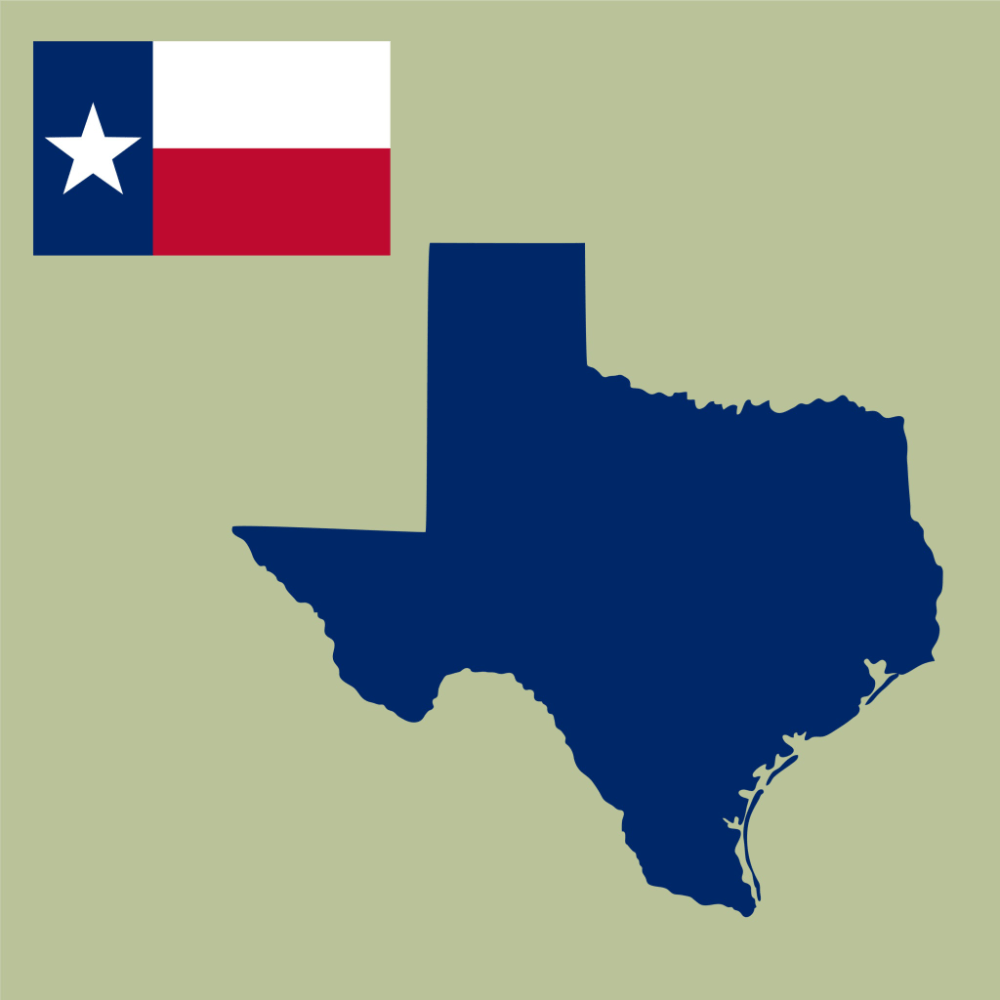
1845
(p. 491)
300
Where did anti-slavery groups hope to ban slavery prior to the Compromise of 1850?
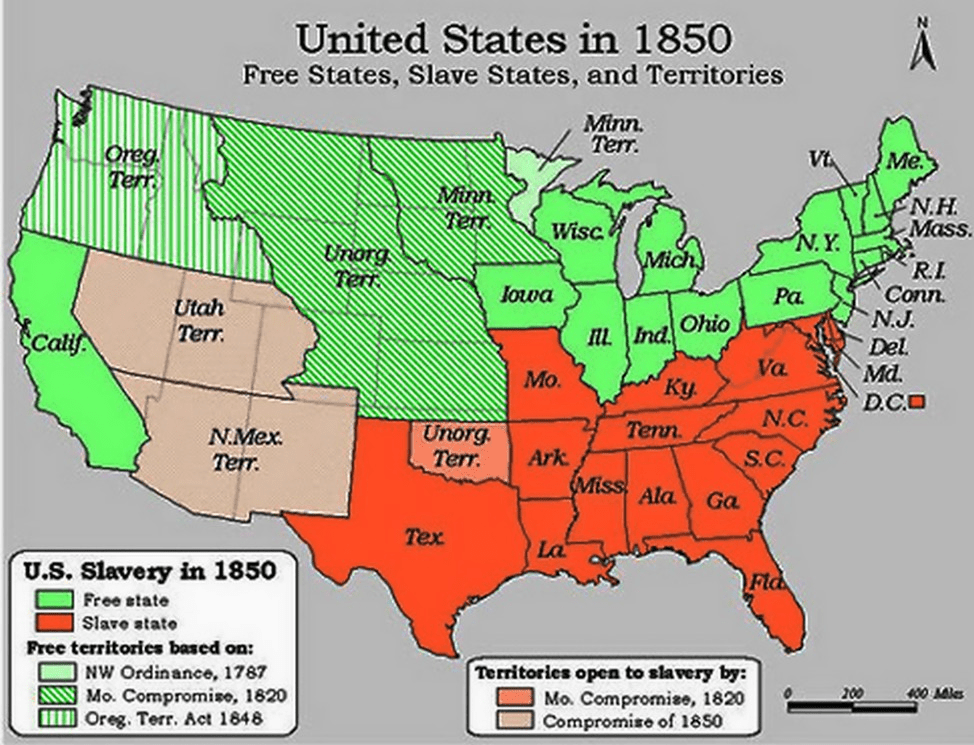
Washington DC
(p. 492)
300
This senator from Kentucky proposed the Compromise of 1850
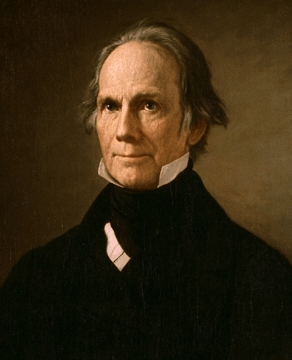
Henry Clay
(p. 492)
300
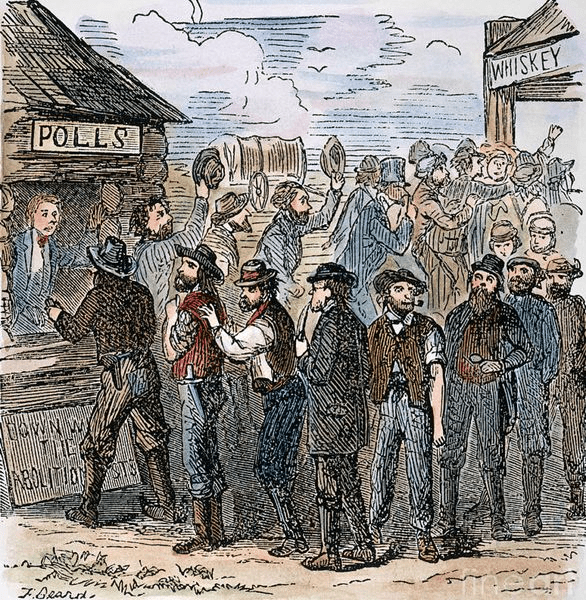
The term to describe armed pro-slavery supporters who crossed the border from Missouri to Kansas just to vote for slavery
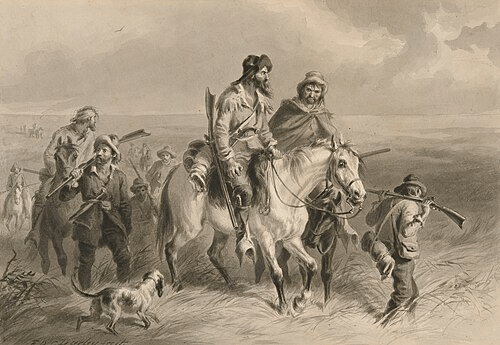
border ruffians
(p. 495)
300
A political party consisting of opponents to slavery who left their parties
"Free Soil" Party
(p. 492)
300
A word meaning "to end by law"
ABOLITION (or abolish)
400
The year the Mexican-American War ended
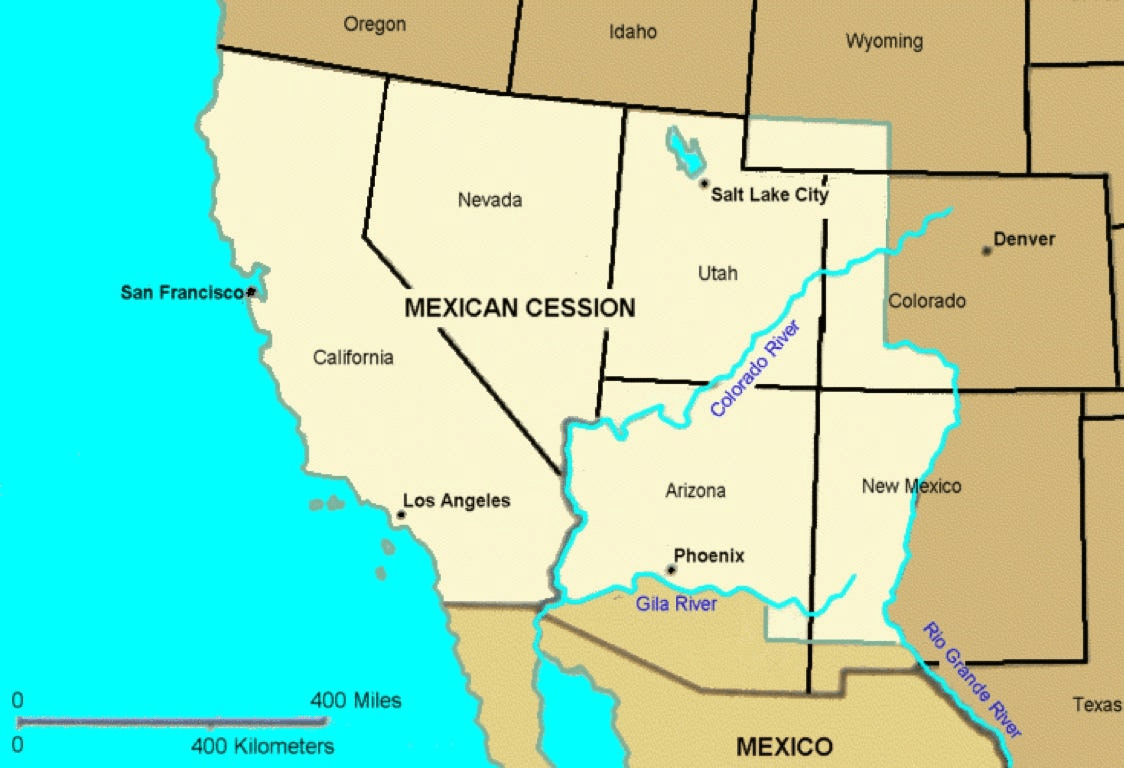
1848
(p. 492 and Unit 3)
400
What did the Compromise of 1850 propose? List 4 things.
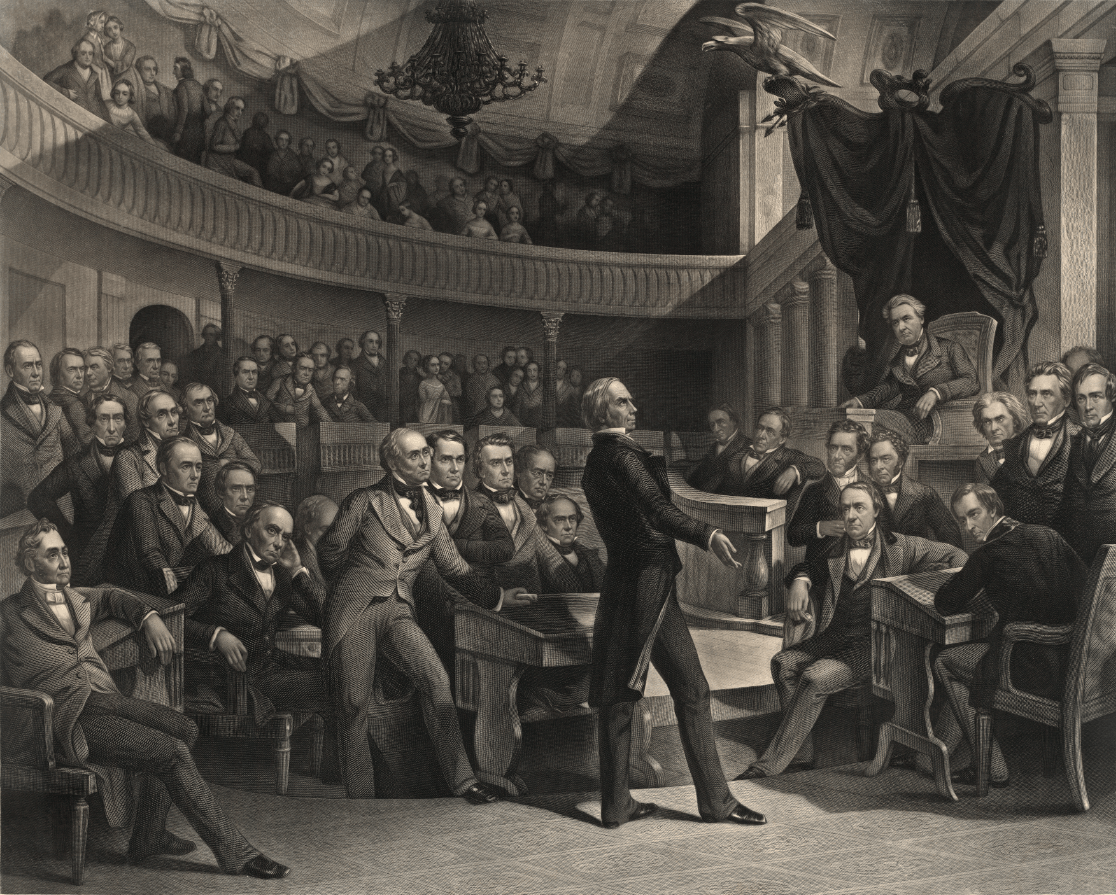
1. Admit California as a free state
2. Put no limits on slavery in other new territories (besides CA)
3. Make the slave trade (but not slavery itself) illegal in Washington DC
4. Create the Fugitive Slave Act
(pp. 492-493)
400
This senator from Illinois introduced the Kansas-Nebraska Act
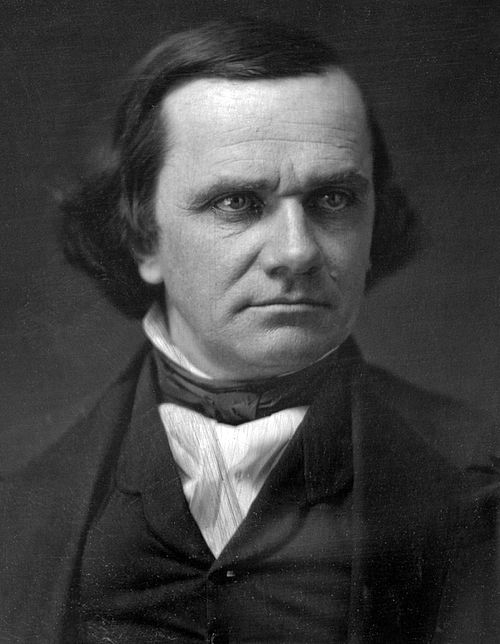
Stephen Douglas
(p. 494)
400
How did some Northerners protest the fugitive slave law?
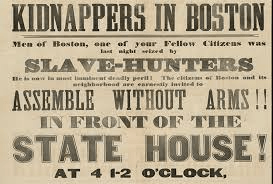
They refused to convict people accused of breaking the law
(p. 493)
400
What state ended up in 1856 with two rival governments, one for and the other against slavery?
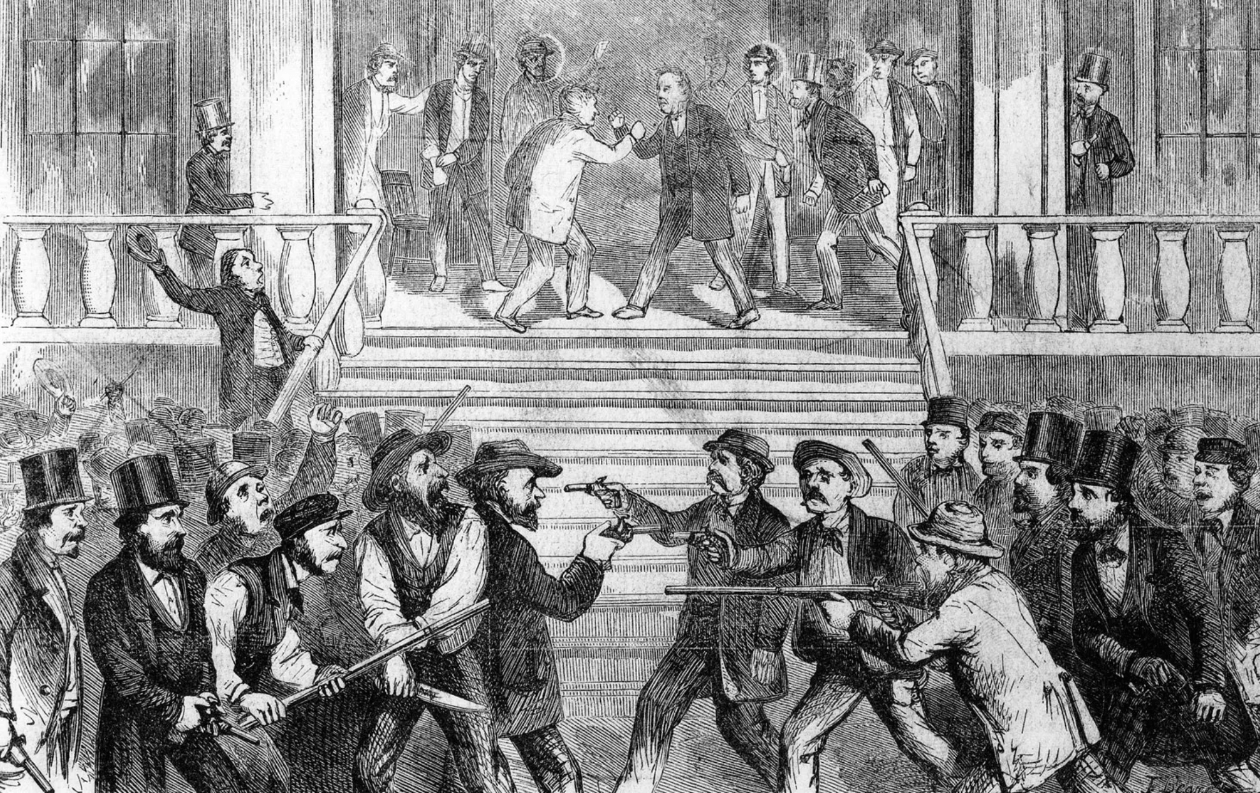
Kansas
(p. 495)
400
A term meaning "greater loyalty to a region of a country than to the country as a whole"
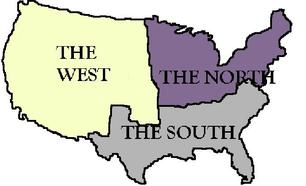
SECTIONALISM
500
The year the Kansas-Nebraska Act was introduced
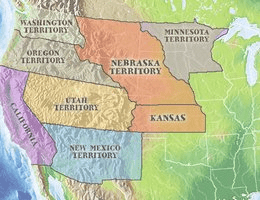
1854
(pp. 494-495)
500
What boundary did the Missouri Compromise establish between free states and slave states?
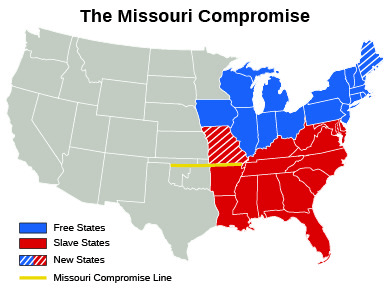
36°30′ north latitude
(see map on p. 492)
500
This South Carolina senator strongly opposed the Wilmot Proviso
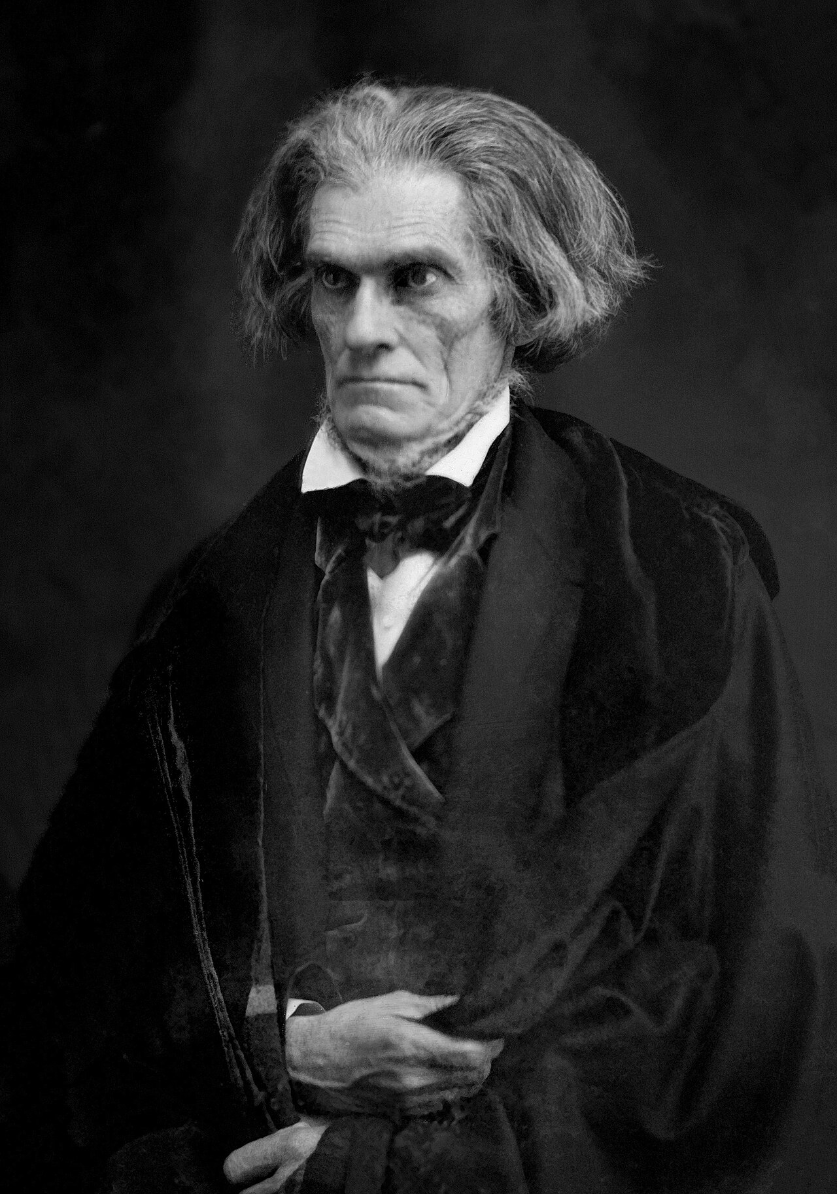
John C. Calhoun
(p. 491)
500
What was the name of the mini-Civil War that took place in Kansas in the 1850's?
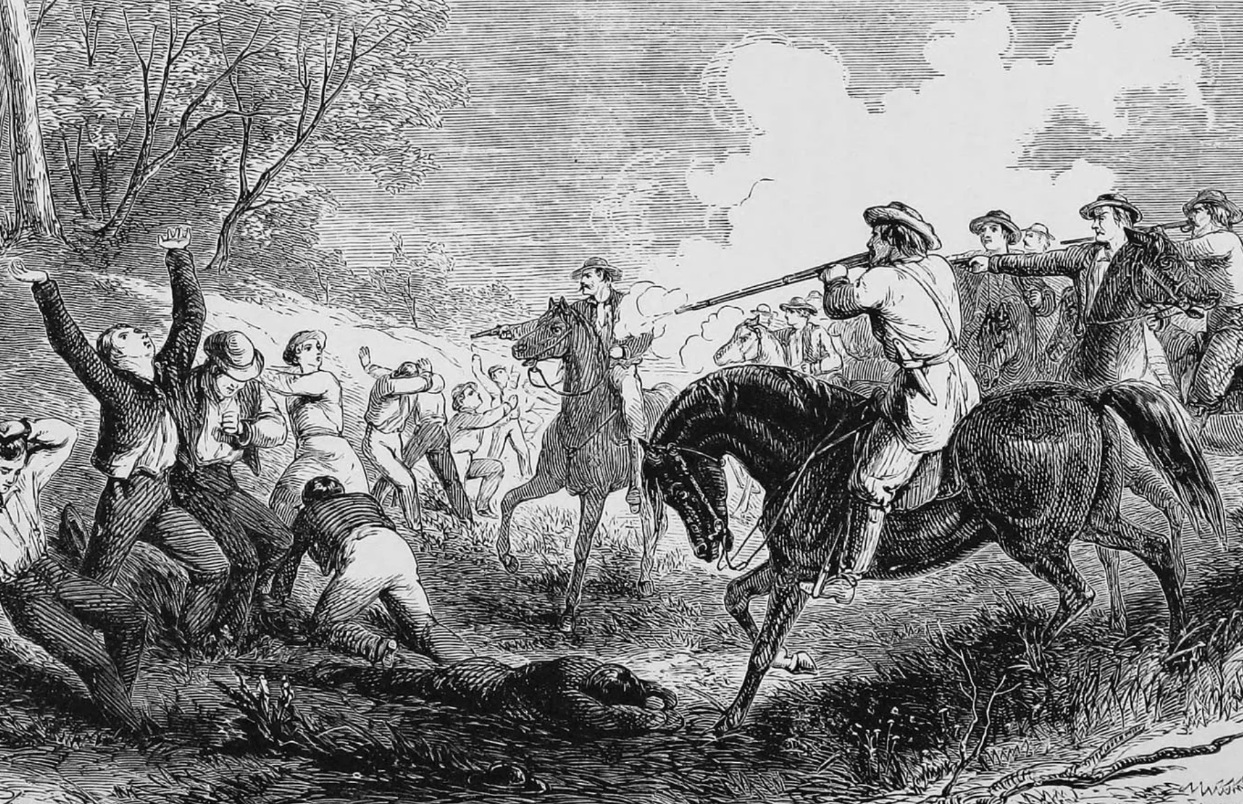
"Bleeding Kansas"
(p. 495)
500
What was one consequence of the Fugitive Slave Law (discussed in the reading)?
Anyone who helped a fugitive could be fined or imprisoned
(p. 493)
500
The idea that voters in each territory should have the right to decide whether slavery should be allowed in that territory
POPULAR SOVEREIGNTY
(p. 494)