Cycles
Wind & Ocean Currents
Weather
Plate Tectonics
Climate
Miscellaneous
Your Teacher
100
The change of water from liquid to gas.
What is evaporation?
100
High pressure (cool) air is created over the ocean during the day and moves towards land.
What is a sea breeze?
100
A large body of air that has the same temperature, and humidity throughout.
What is an air mass?
100
The supercontinent that existed 200 - 300 million years ago.
What is Pangea?
100
A change in the average conditions — such as temperature and rainfall — in a region over 30 or more years.
What is climate change?
100
Naturally occurring, inorganic solid, with a crystalline structure and a definite chemical composition throughout!
What is the Mineral?
100
Ms. Robbins' favorite color.
What is Green?
200
The formation of clouds.
What is condensation?
200
The effect of Earth’s rotation on the direction of winds and currents.
What is the Coriolis Effect?
200
An air mass that forms over land, and is therefore dry.
What is continental?
200
A fracture in the Earth's crust where tectonic plates meet
What is a fault?
200
The process that occurs when gases in Earth's atmosphere trap the Sun's heat keeping the Earth warm.
What is the Greenhouse Effect?
200
The ocean current that carries warm water up the eastern coast of the United states and Canada and on to western Europe.
What is the Gulf Stream?
200
Ms. Robbins' favorite bird.
What is Blue-Footed Booby?
300
The 3 types of rocks.
What are igneous, sedimentary and metamorphic?
300
The winds between 30 and 60 degrees latitude that blow across the United States from the west coast to the east coast.
What are the Prevailing Westerlies?
300
A boundary where two air masses meet.
What is a front?
300
A plate boundary where two plates slide past each other.
What is a transform boundary?
300
Name two of the main greenhouse gasses.
What are carbon dioxide (CO2), methane (CH4) and water vapor?
300
Tool to measure air pressure.
What is a barometer?
300
One of Ms. Robbins' hobbies.
What are painting, baking and plants?
400
The transport of sediment and small pieces of rock to another location.
What is erosion?
400
Weak winds located along the equator. Sailors would avoid these because ships could get stuck there.
What are Doldrums?
400
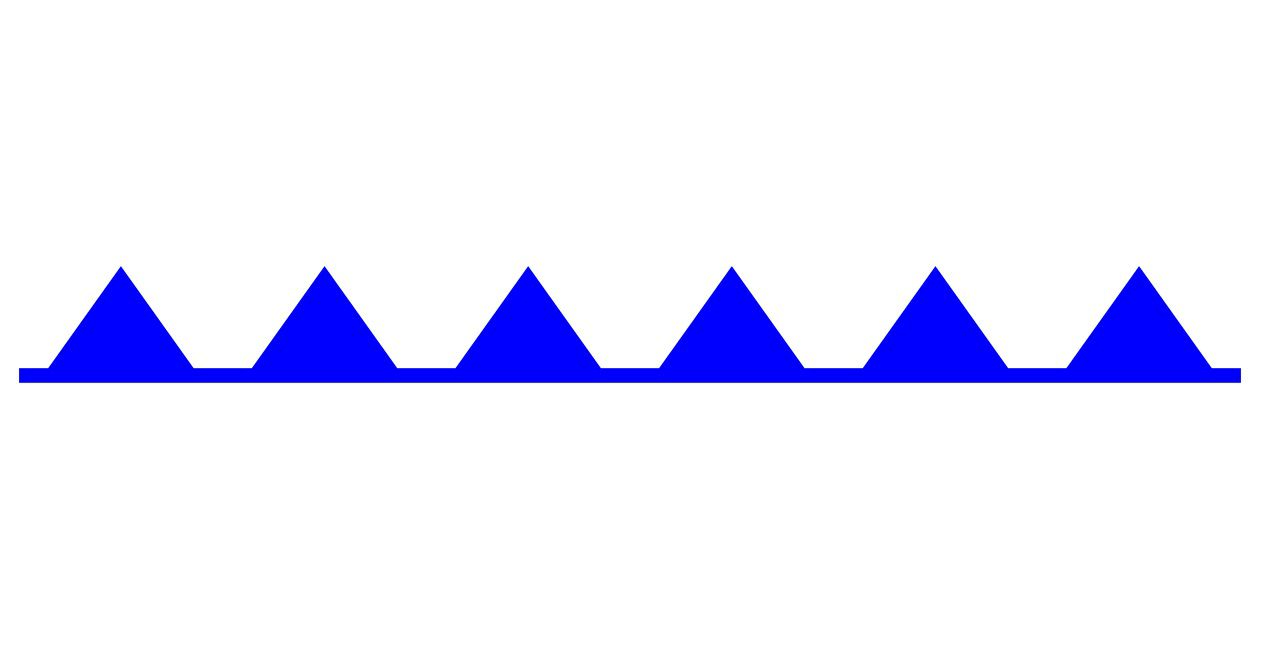
What is a cold front?
400
Molten rock inside a volcano.
What is magma?
400
The main human activity that is increasing the the amount of greenhouse gasses in the atmosphere.
What is burning fossil fuels?
400
A type of storm that includes a vortex.
What is a tornado or hurricane?
400
Ms. Robbins' most disliked scholar behavior.
What is talking back/arguing with her?
500
The type of rock formed by immense pressure and heat inside the earth.
What is metamorphic?
500
These are currents driven by differences in temperature and salinity.
What are deep ocean currents?
500
This forms where a cold and warm air mass meet, but neither one can move the other.
What is a stationary front?
500
This type of volcano has gently sloping sides and calm, flowing eruptions.
What is a Shield Volcano?
500
A natural resource that cannot be replaced in a useful amount of time.
What is nonrenewable resource?
500
Heat-driven cycles that cause movement in the air (wind), ocean currents, and movement of plates in the mantle.
What are Convection Currents?
500
The names of Ms. Robbins' dogs.
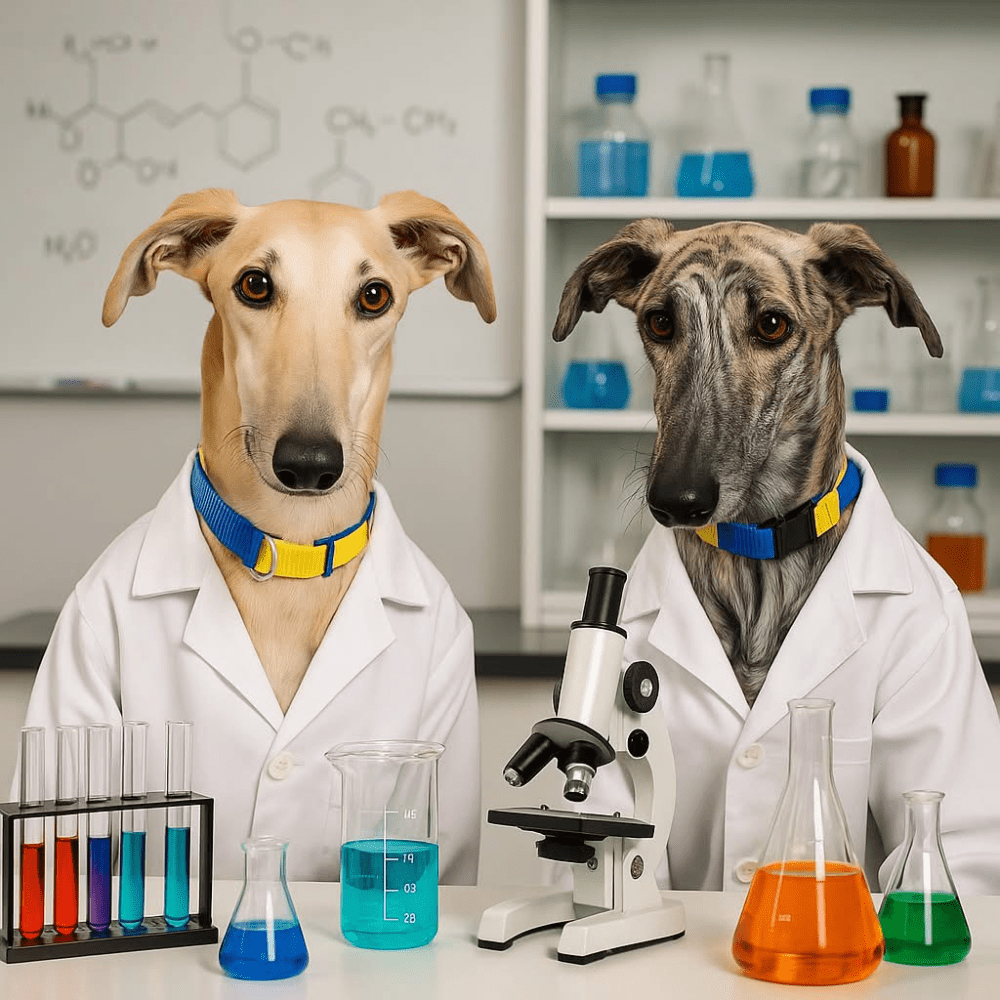
What are Diaz and Sancho?