Earthquakes
Impacts
Caribbean
Extra Knowledge
100
Define 'Earthquake'.
An earthquake is a rapid, sudden, and intense shaking of the earth surface due to the sliding of tectonic plates just below the earth's surface.
100
What are 4 Economic impacts of an earthquakes?
Unemployment, loss of Tourism, loss of Agriculture, Loss of businesses, etc.
100
Name a major Earthquake incident in Jamaica.
Port Royal
100
What is the protocol during Earthquakes?
Drop. Cover. Roll.
200
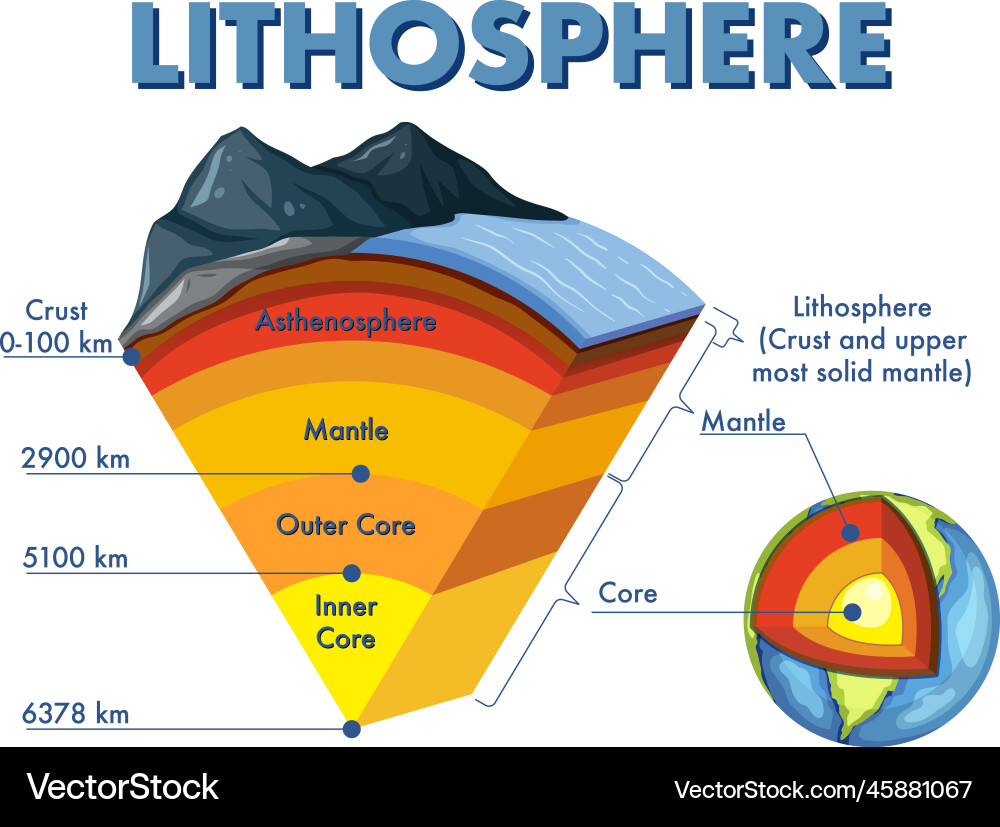
The outermost layer of the earth is called?
The Lithosphere. Or what we call the crust of the earth.
200
State 2 ways that an Earthquake can affect the Caribbean's environment.
Wildlife, Soil, Rivers, Beaches, Coral Reefs etc.
200
Why is the Caribbean vulnerable to Earthquakes?
The countries' positions above or close to the borders of the Caribbean Plate and the North and South American tectonic Plates.
200
How many deaths constitute a natural disaster?
10 deaths
300
What is caused by the movement of tectonic plates against each other?
Fault Lines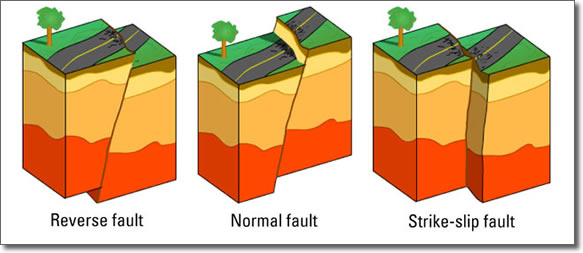
300
Name 4 types of people vulnerable during an Earthquake?
Individuals in slum populations, impoverished people, homeless people, international tourists, mobility impaired people, elderly people, people who have cognitive impairments, babies and small children, and people dependent on assistive devices or complex medical assignments in order to live
300
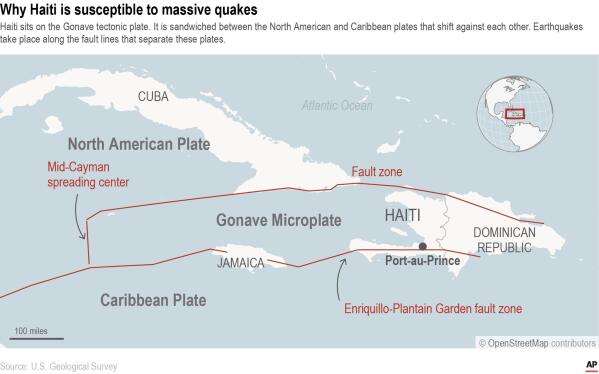
Name two countries in the Greater Antilles who are especially vulnerable to Earthquakes and why?
Jamaica and Haiti - they fault lines that run through the countries.
300
Which 2 natural disasters account for the most deaths from natural disasters?
Earthquakes and Volcanoes.
400
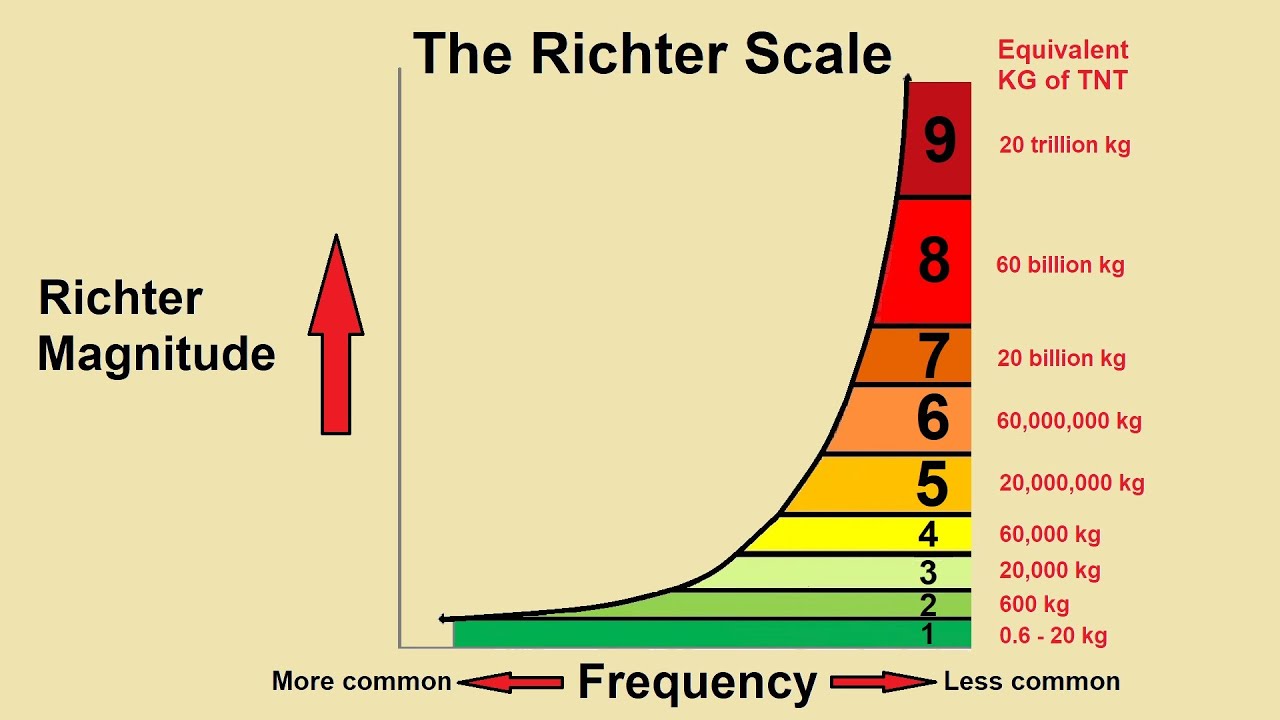
How are Earthquakes measured and scored?
Using a Seismograph and applied to the Richter Scale.
400
How do Earthquakes affect the traditions of a community?
The destruction of churches and community cultural buildings could lead to:
Loss of traditions as communities do not have a place to practice or may lose literature that would be of help.
The establishment of new traditions as older ones fade out.
Communities may establish:
memorial events
remembrance ceremonies
annual disaster-preparedness activities
community rebuilding traditions
400
What is the main cause of Earthquakes in the Lesser Antilles, and why?
Volcanic activity.
The Lesser Antilles was formed from/by a convergent plate boundary, which leads to proximity to volcanic and seismic events, which can cause Earthquakes.
400
Define 'Geographical Phenomena'
A geographical phenomenon is defined as any observable and measurable activities on the earth’s surface.
500
Name the processes that can lead to the formation of earthquakes, and how.
The movement of tectonic plates and volcanic activity.
Tectonic plates - the movement causes pressure and bursts of energy at the fault lines.
Volcanic - the movement of magma and hot water under the earth's surface moves rocks
500
How would the Caribbean be affected developmentally by an Earthquake?
Allocation of resources to fixing damage that it would take time for the country to make the resources back.
Loss of jobs and businesses could lead to the slowing down of progress in the country as there would less money within the economy.
500
How does population density influence the vulnerability of the Caribbean to Earthquakes?
A lack of resources means delayed response time: Caribbean countries may not have the first responders, shelters, and proper evacuation plans/methods in the moment and during the aftermath
500
Define 'Hazard' and 'Disaster' in the context of geographical phenomena.
Hazard is defined as any geographical event that has the capability/potential to cause harm, injury, or loss to people, property, or the environment.
A disaster is defined as a geographical event that has caused widespread harm or injury to people, property, and the environment.