Ecosystem resources
trophic levels and food webs
Matter cycle and energy flow
ecosystem interactions
Biodiversity
200
Factors in the environment that limit size and growth of organisms
What is a limiting factor?
200
All of the living factors in an ecosystem.
What is a biotic factor?
200
The source of energy in an ecosystem.
What is the sun?
200
The long term relationship between two organisms where at least one organism benefits.
What is symbiosis?
200
The total number of different species of organisms in a specific area.
What is biodiversity?
300
When a species has reached the maximum population size of a biological species that an environment can support indefinitely 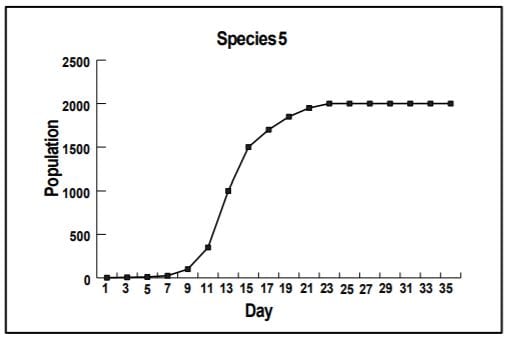
What is carrying capacity?
300
What trophic level produces its own food by using the energy from the sun?
What is a producer?
300
Producers obtain their energy by doing this.
What is "using the sun's energy to make food"?
300
When both organisms benefit.
What is mutualism?
300
Herbivores have the capacity to eat plants until there are no more left. This does not happen because ______ keeps the herbivore population in check.
What are predators?
400
The amount of available food, water, or shelter are examples of this.
What are limiting factors?
400
Quaternary consumer

What is the owl?
400
How consumers obtain their energy.
What is 'eating other organisms'?
400
When one organism benefits and the other is neither harmed or benefits.
What is commensalism?
400
a significant change in population size at one trophic level causing changes in other levels, even without direct interaction
What is a trophic cascade?
500
Why did the deer population change over time?
The amount of resources that deer need to live changed.
500
In this, food web, this organism is a primary consumer. 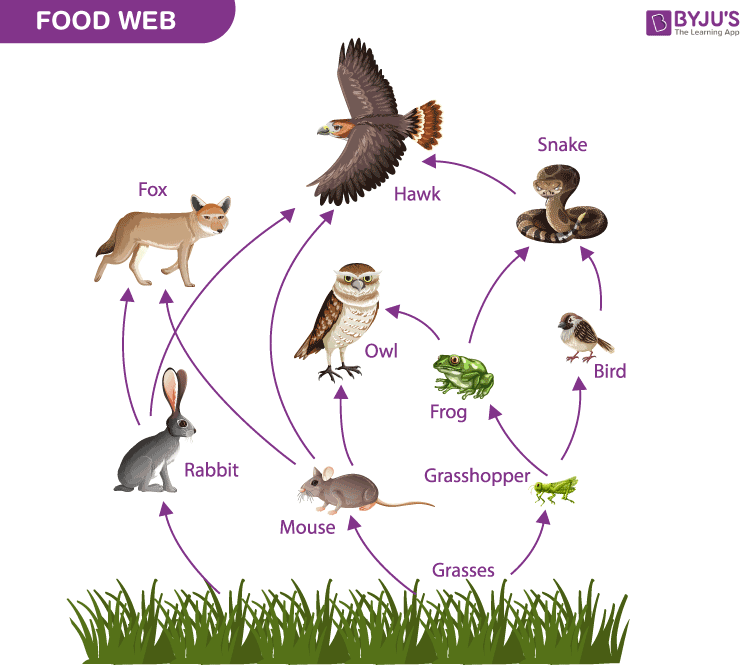
What are rabbits, mice, and grasshoppers?
500
How carbon gets back into the soil.
What is 'decomposers breaking down dead organisms'?
500
When one organism benefits and the other is harmed.
What is parasitism?
500
After the reintroduction of the wolves to Yellowstone, the herbivore population decreased, the producer population increased and many abiotic factors changed including the way rivers behave. Wolves are an example of what.
What is a keystone species?
600
The amount of sunlight, water, temperature, soil acidity, and humidity are all examples of this type of factor.
What is an abiotic factor?
600
How much energy is available to passed on to the next trophic level in an energy pyramid.
What is 10%?
600
This is represented by the arrows in a food chain or food web
What is "energy flow"?
600
The relationship where tree frogs use large plant leaves as shelter to hide from predators. The frog gets a safe home, while the plant suffers no damage
What is commensalism?
600
Biodiversity is important in ecosystems because it allows populations to _______ if there is a disease or disaster.
What is adapt?