Species Interactions - Definition
Species Interactions - Example
Food Web
Energy Flow
Random
100
When two organisms fight over the same resource (-/-)
Competition
100
The bee helps the flower spread pollen. The follower gives nectar the the bee. What type of interaction? 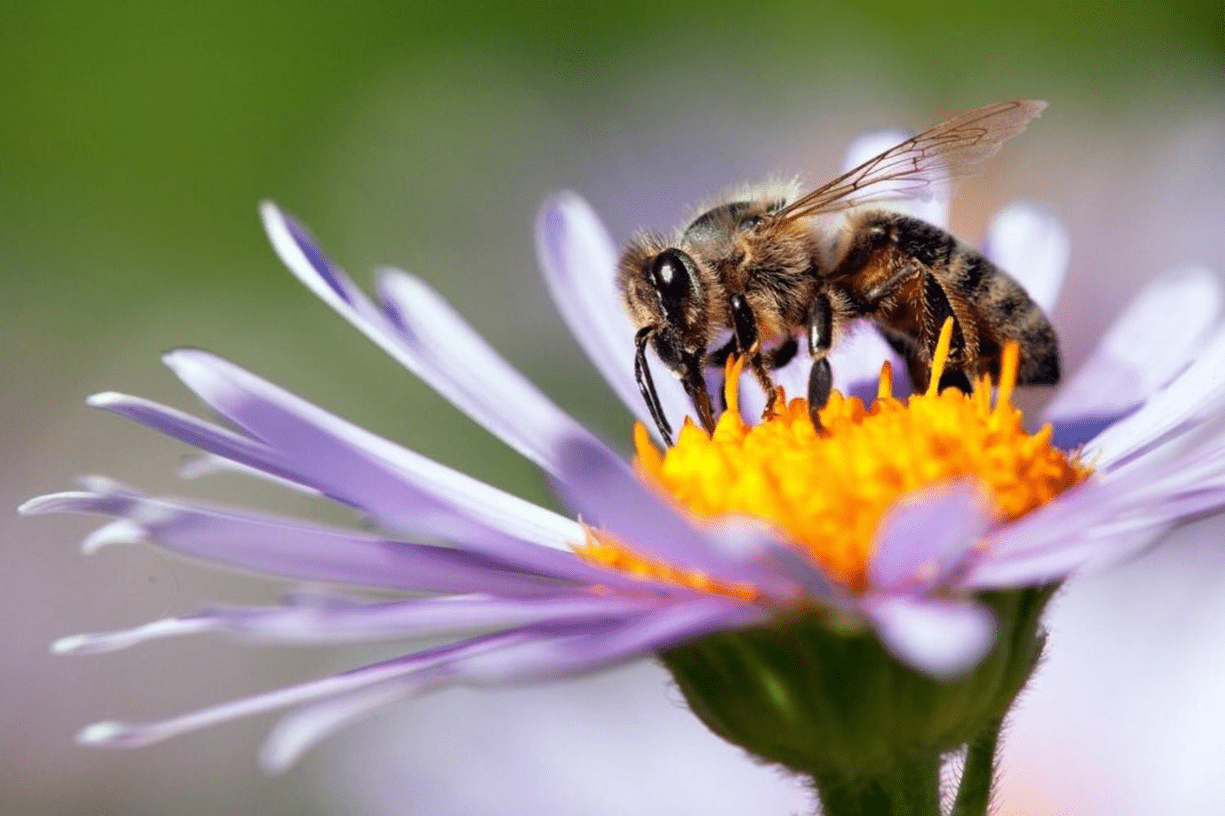
Mutualism
100
What trophic level makes their own food?
Producers (Plants)
100
How percent of energy gets passed from one trophic level to the next?
10%
100
What do the arrows in a food chain represent?
Energy
200
When one organism eats another (+/-)
predation
200
The bird eats the insects off the cow's back. The cow does not care. What type of interaction? 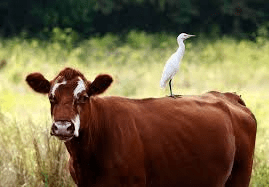
Commensalism
200
What organism type eats other organisms?
Consumers
200
In this ecosystem, the grass has 100,000 kCal of energy. How much will the grasshopper have?

10,000 kCal
200
In this food web, what 3 things does the hawk eat?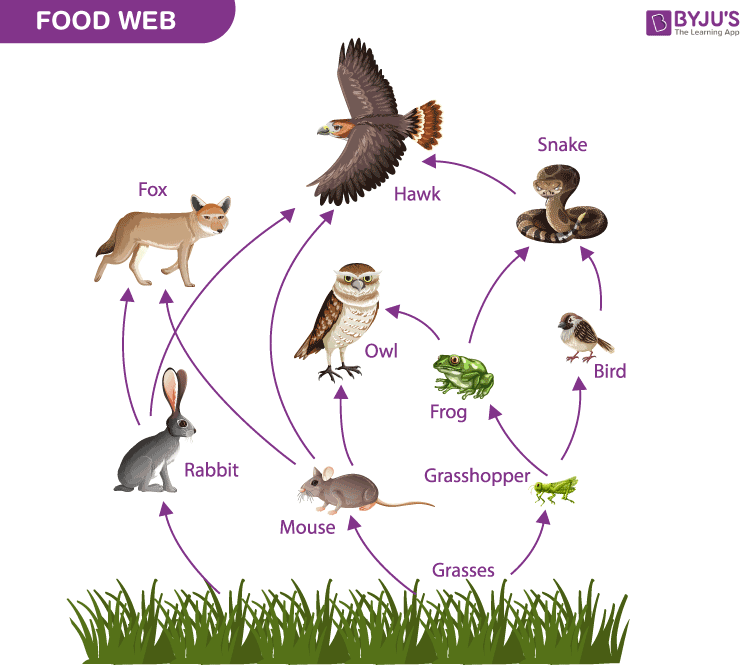
Snake, mouse, fox
300
A type of symbiosis where both organisms benefit (+/+)
mutualism
300
A tick sucks the blood from a deer. What type of relationship? 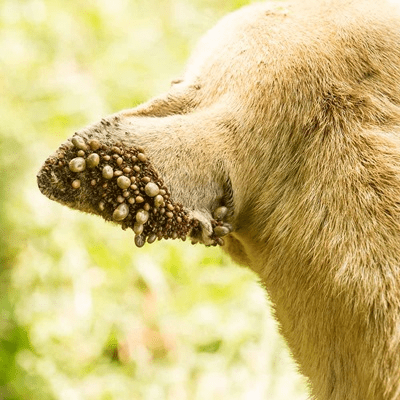
Parasitism
300
What trophic level eats producers?
Primary Consumers
300
In this ecosystem, the grass has 100,000 kCal of energy. How much will the Frog have?
1,000kCal
300
What is an invasive species?
They are non-native and harm the exosystem
400
Type of symbiosis where one benefits the other is not affected (+/0)
Commensalism
400
A lion hunts and eats a zebra. What type of relationship?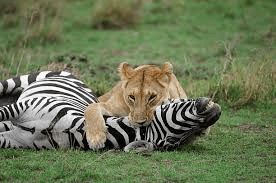
Predation
400
What trophic level eats primary consumers?
Secondary Consumers
400
In this ecosystem, the grass has 100,000 kCal of energy. How much will the snake have?
100 kCal
400
How do invasive species harm the ecosystem?
They take resources away from native species.
500
Type of symbiosis where one organism benefits, the other is harmed (+/-)
Parasitism
500
A flower takes sunlight away from the grass. What type of relationship is it? 
Competition
500
What trophic level eats secondary consumers?
Tertiary Consumers
500
In this ecosystem, the grass has 100,000 kCal of energy. How much will the Eagle have?
10 kCal
500
In this ecosystem, the eagle has 50 kCal of energy. How much did the frog have?
5,000 kCal