Code/EKG
Cardiovascular emergency
Stroke
Neurologic complain
The Zebra
100
A patient arrives and collapses in front of the triage desk. No pulse and not breathing. CPR initiated. The cardiac monitor display as below. What is the nurses' priority action at this time.
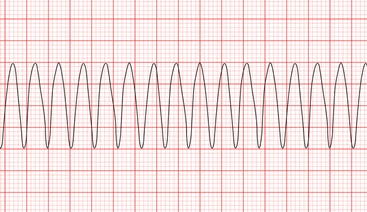
Defibrillate 200 J
100
The nurse suspects a patient may have acute aortic dissection when patient describes the pain as
tearing or ripping chest pain
100
What is the time frame for TNK administration from symptom onset?
4.5 hours
100
The emergency nurse is caring for a patient who complain the worst headache in his life. What would you expected to find in CT
Subarachnoid hemorrhage
100
Which of the following parameters is most consistent with neurogenic shock?
A. Hypertension & tachycardia
B. Hypotension & Bradycardia
C. Hypertension & Bradycardia
D. Hypotension & Tachycardia
B
200
what medication should the nurse anticipate administering?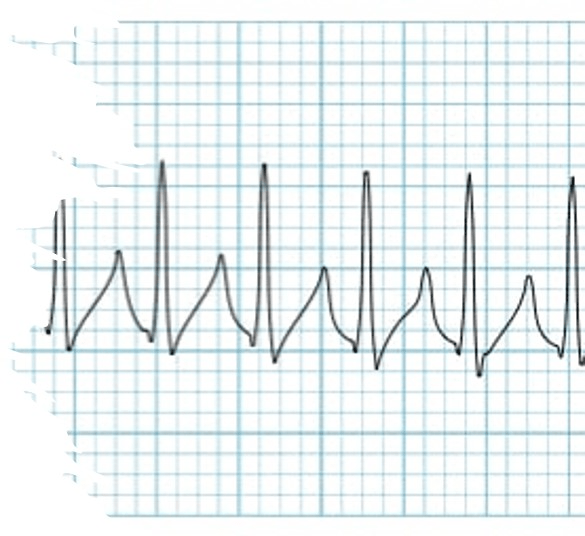
Adenosine
200
A patient with known systolic CHF presents with increasing lower-extremity edema, weight gain, and dyspnea on exertion. Vital signs: BP 118/70, HR 92, RR 22, SpO₂ 94% on 2L NC.
Which diagnostic test is most helpful to determine current fluid status?
BNP
200
What is BE FAST?
Balance, Eye, Face Arm, Speech Time
200
A patient arrives via EMS with tonic-clinic Seizure. Past medical history includes uncomplicated home delivery yesterday with midwife, hypertension and Asthma, which medication intervention is the priority?
Magnesium sulfate
200
Patient complain temporal headache and jaw pain for few days. The nurse knows this patient is at the risk for developing
Giant cell arteritis
300
A Patient with ST elevation in Lead II, III and AVF is likely to experience an infarct in which location of the heart.
Inferior
300
What is the maximum dose of TNK for STEMI?
50mg
300
What is the maximum does of TNK for acute ischemic stroke?
25mg
300
Which cranial nerve you should assess, when patient come in for eyelid laceration ?
Cranial Nerve 2.3 & 6
300
which medication should the nurse anticipate administering to treat Wernicke encephalopathy ?
Thiamine( Vitamine B1)
400
A 78-year-old patient presents with dizziness and near-syncope. The EKG shows complete heart block with a ventricular rate of 32 bpm. BP is 78/40 and the patient is pale and diaphoretic.
What is the priority intervention?
Begin transcutaneous pacing
400
Administration of nitroprusside to a patient in a hypertensive crisis without evidence of aortic dissections is considered effective when the patient demonstrates the systolic blood pressure reaches
160mmHg
400
A patient with traumatic brain injury shows worsening ICP.
Which medication is most appropriate?
A. Mannitol
B. Lorazepam
C. Ketorolac
D. Labetalol
A.
400
A teen presents after a head injury. Initially unconscious, they briefly became alert, then rapidly deteriorate.
This pattern is most consistent with:
Epidural hematoma( lucid interval)
400
A patient arrives with ascending paralysis, recent viral illness, and shallow respirations.
What is your PRIORITY?
Prepare for possible intubation
500
A patient arrives via EMS with altered mental status. You notice the patient has an LVAD. Blood pressure cannot be obtained with the Dynamap. The ED physician places an arterial line, and the initial MAP is 40 mmHg. What is your priority action?
CPR
500
A child with recent diagnosis of hand, foot and mouth disease complain of chest pain that hurts more while coughing and taking deep breath. The child is sitting upright on the mother's lap and is leaning forward. Based on patient's most recent illness, the nurse knows this patient is at the risk for developing
Pericarditis
500
A stroke alert patient returns from CT with a diagnosis of ischemic stroke. Symptoms started 2 hours ago. The ED physician is preparing for tPA administration. BP is 208/96.
What should the nurse do FIRST?
Administer IV antihypertensive
500
A 2-year-old has a tonic–clonic seizure lasting 1 minute with fever. They are now awake and crying.
Which action is MOST appropriate?
Reduce fever with acetaminophen
500
A trauma patient with suspected neurogenic shock has a C6 injury. BP is 80/38, HR 38, SpO₂ 95%.
What is the priority initial intervention?
A. Administer atropine
B. Give a 1 L normal saline bolus
C. Apply external warming blankets
D. Start norepinephrine infusion immediately
B.