Shock
Head and Spine
Burns
Fractures
General Trauma
100
Define shock
Inadequate tissue perfusion
100
How do you open the airway of a patient with suspected spinal trauma?
Jaw-thrust
100
What are 3 signs and symptoms of a respiratory burn?
Burns on the face or mouth: Singed nasal hairs, burned eyebrows, or soot around the lips, tongue, and oral mucosa. Voice and swallowing changes: Hoarseness, a newly raspy voice, or painful swallowing, Stridor (a high-pitched, harsh breathing sound) coughing, dyspnea
100
List the 5 parts of the spine
Cervical, thoracic, lumbar, sacral, coccyx.
100
Severing of the spinal cord at what level leads to respiratory arrest?
C3-C5
200
This type of shock results from a systemic infection
Septic
200
The major complication associated with a closed head injury is:
Increased intercranial pressure
200
What is the treatment for a chemical burn?
Brush off any powder and irrigate with water for at least 10 minutes, then dress with dry sterile dressings.
200
What attaches muscles to bones and bones to bones?
Tendons: Muscle to bone
Ligaments: Bone to bone
200
What are the normal vital sign ranges for HR, RR and BP (Low, normal, high).
HR: 60-100
RR:12-20
BP: Low: Systolic 90
Normal: 120/80
High: Systolic 180
300
Describe what compensated shock is and list 2 ways the body does that.
Increased HR, peripheral vasoconstriction, increased contractility, increased RR, epinephrine release.
300
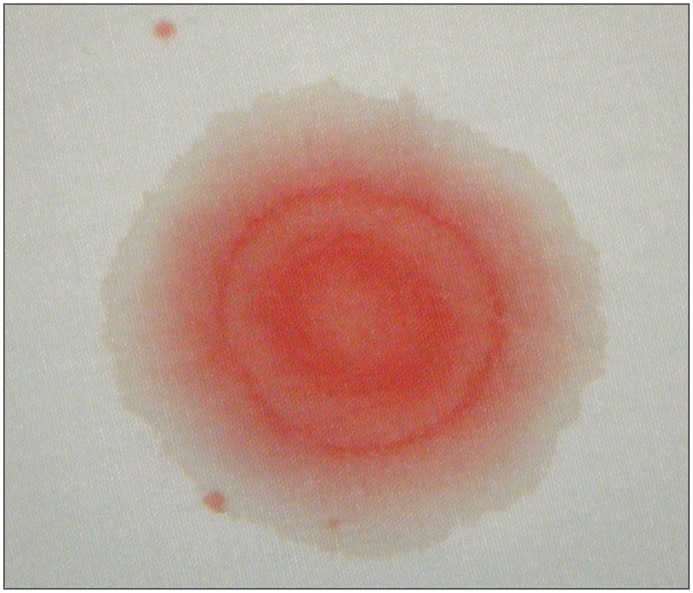
Describe the halo test and when you would use it.
A bedside test used to check whether bloody fluid draining from a patient's ear or nose contains cerebrospinal fluid (CSF), which can indicate a basilar skull fracture.
300
What is a unique concern considering electrical burns?
Extensive internal damage and cardiac involvement, potentially cardiac arrest.
300
This type of fracture results from weakened or diseased bone
Pathological
300
Explain the 4 components of blood.
RBC- Oxygen
WBC- Defense
Platelets: Clotting
Plasma: Liquid part of blood
400
What type of shock has a unique concern of hypothermia, why?
Neurogenic because the body cant regulate its temperature.
400
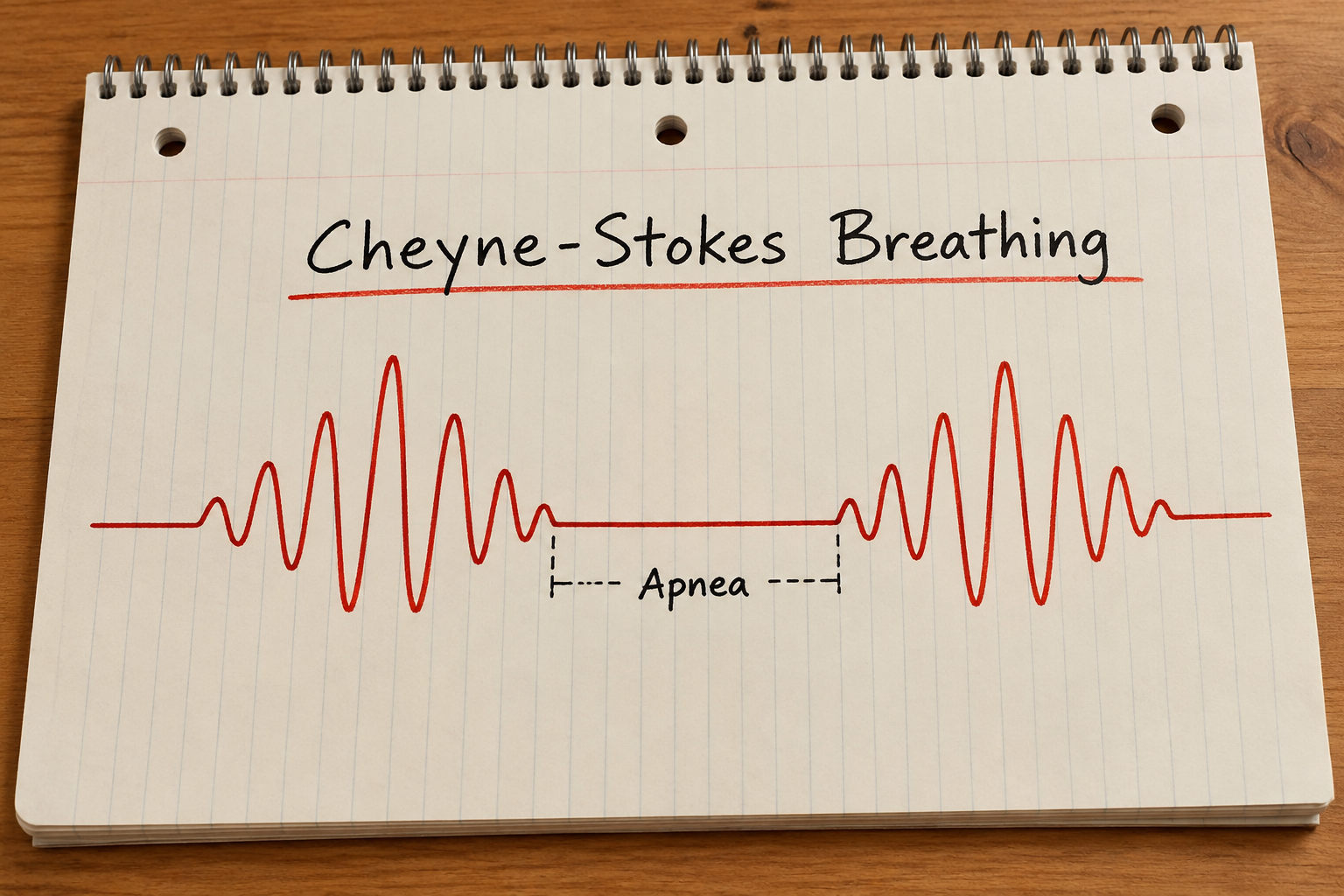
What are Cheyne stokes respirations?
An abnormal breathing pattern marked by a repeating cycle of gradually deepening and faster breathing, followed by a slow decrease in breathing that ends in a temporary stop in breathing (apnea).
400
A 24 year old male has severe burns to both his arms and his left leg. Using the rule of 9's, what is his TBSA percentage?
36%
400
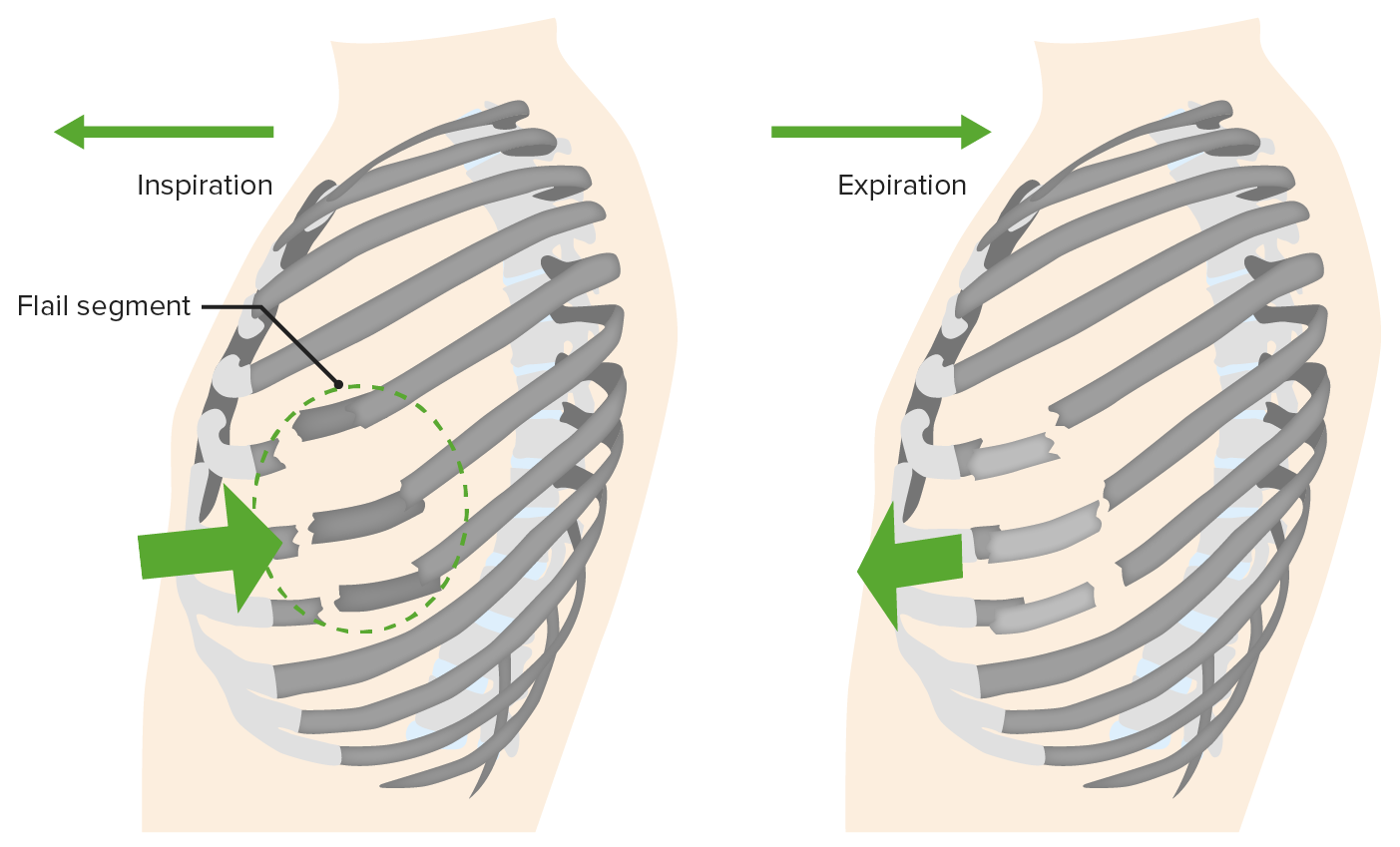
What is the name for when multiple ribs are broken in 2 or more places creates a free floating segment?
Flail chest
400
Describe Battle's sign and Racoon eyes and what do they suggest?
Battle's sign: bruise behind the ears
Racoon eyes: bruising under the eyes
They suggest basilar skull fracture
500
List the 3 types of obstructive cardiogenic shock
Cardiac tamponade, tension pneumothorax, PE
500
Describe or demonstrate decorticate and decerebrate posturing.

500
Describe the 3 types of burns
First-Degree Burns (Superficial) Only the epidermis. Appears red, dry, and mildly swollen with no blisters.
Second-Degree Burns (Partial-Thickness) The epidermis and part of the underlying dermis layer.
Appears red, swollen, and prone to blistering.
Appears red, swollen, and prone to blistering.
Third-Degree Burns (Full-Thickness): Destroys both the epidermis and the full thickness of the dermis, sometimes reaching the subcutaneous tissue. Appears stiff, leathery, dry, and colored white, brown, blackened, or charred.
500
This type of fracture results from damage to a child growth plate, why is this type of fracture uniquely concerning?
Epiphyseal fracture, concerning because it can disrupt growth.
500
What is Beck's triad?
Hypotension, JVD, muffled heart sounds.