Taxo-what?
What kingdom?
Sexual vs Asexual Reproduction
Body Systems
Natural vs. Artificial Selection
100
This taxonomic rank is the most specific.
Species
100
Organisms in this kingdom make their own food using sunlight.
What is Kingdom Plantae?
100
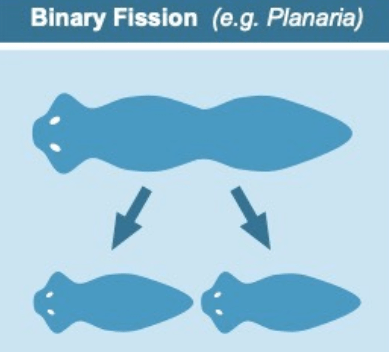
What kind of reproduction is happening here?
What is asexual reproduction?
100
What two body systems are responsible for making you move?
What are the skeletal and muscular systems?
100
When the environment favors certain traits and increases their frequency, this is called what?
What is natural selection?
200
These are the least specific and most specific classifications.
What are Domain and Species?
200
This very diverse kingdom contains multicellular organisms, some of which have a backbone, that must consume other animals or plants to obtain energy.
What is Kingdom Animalia?
200
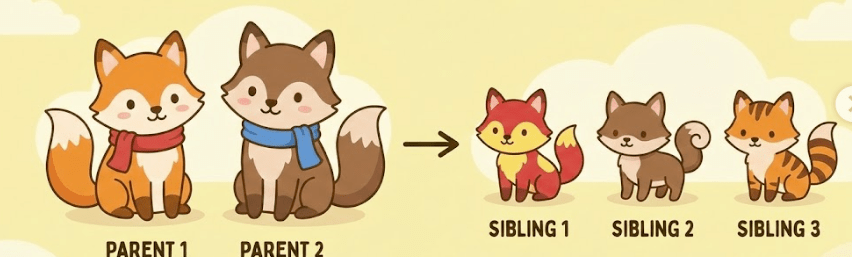
This image is an example of what kind of reproduction?
What is sexual reproduction?
200
What two body systems will help you not die very quickly from a cut in your arm?
What are the integumentary and immune systems?
200
When humans choose which organisms breed to emphasize desired traits, it is called what?
What is artificial selection?
300
If an organism belongs to the same phylum, they must belong to the same…?
Species
Kingdom
Order
Class
What is Kingdom?
300
This kingdom contains unicellular, prokaryotic organisms who love extremes.
What is Kingdom Archaea?
300
Which example is a result of sexual reproduction?
A. Two rabbits producing kits with traits from both parents
B. A strawberry plant producing runners that are clones
C. A cutting from a cactus growing into the same cactus
D. A mold spreading identical spores
What is A? Two rabbits producing kits with traits from both parents
300
What two body systems work together to supply oxygen to the cells?
What are the respiratory and circulatory systems?
300
Which outcome is most likely when humans use artificial selection?
A. An increase in the natural genetic variation of a wild population
B. Random changes in trait frequency with no pattern
C. Traits chosen by humans become more common in the selected population
D. Immediate creation of completely new species
What is C? Traits chosen by humans become more common in the selected population
400
These two organisms belong to this same thing.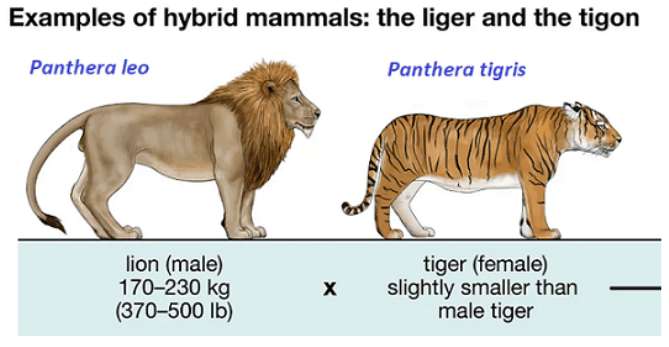
What is Genus?
400
This kingdom breaks down dead organisms and returns nutrients to the soil to be recycled as matter once again.
What is Kingdom Fungi?
400
This form of reproduction takes an extended amount of time and creates a wide variety of offspring.
What is sexual reproduction?
400
When you eat a sandwich, your digestive system breaks down food into nutrients. What two body systems will use these nutrients during exercise?
What are circulatory system (to transport nutrients) and muscular system?
400
Which scenario best illustrates natural selection?
A. Farmers breeding corn for larger kernels
B. A drought causes plants with deeper roots to survive and reproduce more
C. Gardeners grafting branches to make new fruit types
D. Scientists creating a hybrid in a lab for research
What is B? A drought causes plants with deeper roots to survive and reproduce more.
500
These two taxonomic classifications make up the scientific name.
What are Genus and Species?
500
This is the number of Domains and Kingdoms. (Daily double for both!)
What are 3 Domains and 6 Kingdoms?
500
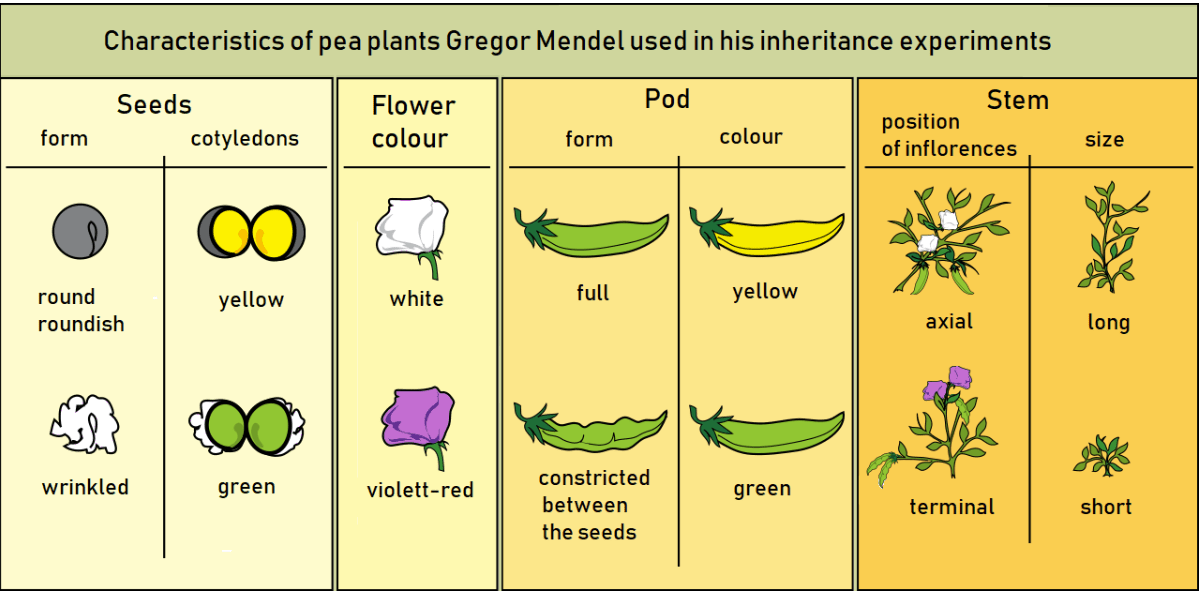
This image shows different plants and the varieties that occur within them. What form of reproduction is this?
What is sexual reproduction?
500
Name two body systems and explain how they work together to regulate your heart rate when you are scared or excited?
What are the nervous system and respiratory (can use breathing to calm down) system?
500
Why is genetic variation important for populations over time?
A. It guarantees that all individuals will survive any change
B. It provides different traits that may help some individuals survive changing conditions
C. It makes all offspring identical so they can reproduce faster
D. It prevents any change in trait frequency across generations
What is B? It provides different traits that may help some individuals survive changing conditions