ESS
Phenomena
Stars 101
Big Bang
Elements
100
ESS stands for...
Earth System Science
100
Something that occurs or exists
A phenomenon
100
a cloud of gas and dust with great volume
What is a nebula?
100
The early universe was mainly made of these two elements.
Hydrogen and Helium.
100
# of naturally occurring elements.
92
200
Four main systems of Earth....
Hydro, Bio, Litho (Geo), Atmosphere
200
___________ phenomena are those observable, real-life contexts that form the basis of a question or a problem to be solved.
Anchor
200
What is a black hole? What does it result from?
Remnant of an exploding star.
200
Infinitely small, dense, hot early universe is called a ______________.
Singularity.
200
The early universe is often compared to a hot ______ of particles.
Soup
300
Earth is a(n) open/closed/isolated system.
Open, almost closed
300
_________________ phenomena are what students observe as a result of testing answers to questions about the anchor phenomena.
Investigative
300
____ are the largest and brightest stars.
What are supergiants?
300
How long ago was the Big Bang? (maybe)
14.7 BYA
300
The most abundant element in the universe.
Hydrogen
400
Two things exchanged between systems
Matter and Energy
400
Goal of phenomenon learning?
Solve a problem. Figure stuff out.
400
Smaller stars, like our sun, are _____.
What are dwarf stars?
400
what is the first stage of the stars life cycle
Nebula
400
As the universe cooled, matter started to _________.
Condense, congeal, come together to form simple atoms.
500
This image is what eventually led to ESS.
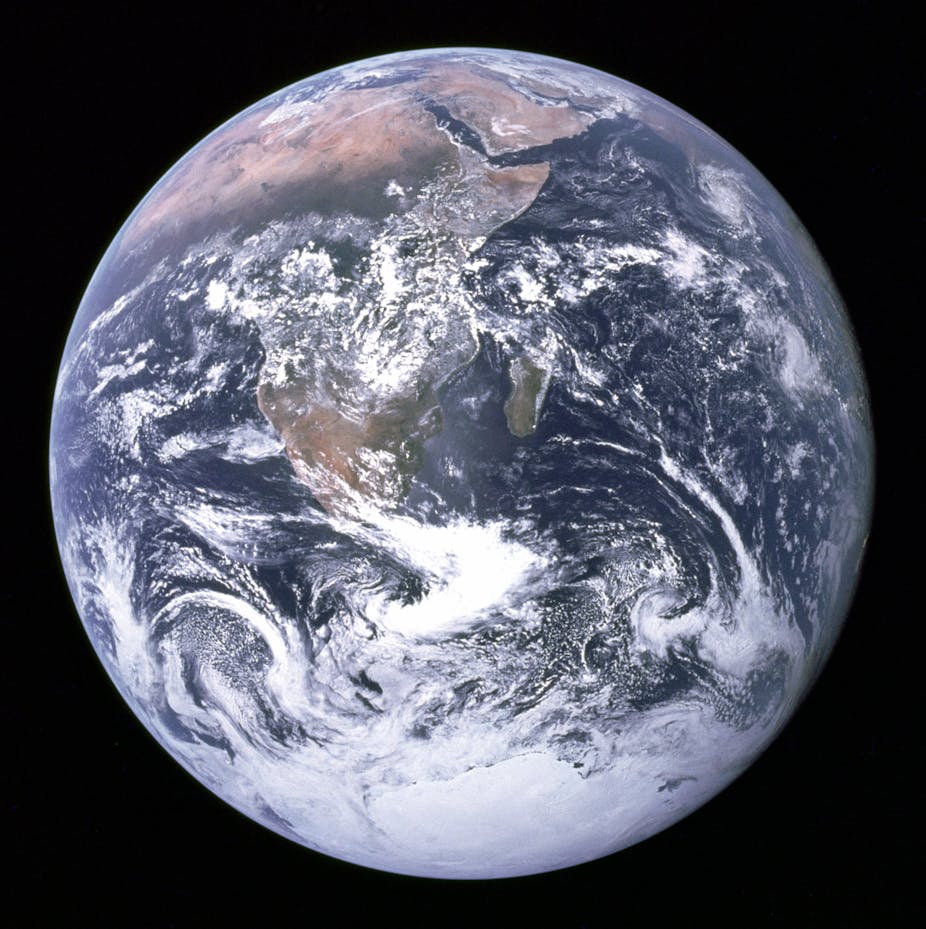
500
An example of an unexplained phenomenon?
UFO, Bigfoot, Gravity, Ghosts
500
This planet, in our solar system, should be a star, but its not big enough.
What is Jupiter?
500
This reaction powers the stars.
Fusion.
500
Other elements are fused inside _________.
Stars