Respiratory Functions and Measurements
Respiratory Anatomy and Muscles
Life vs. Speech Breathing
Respiration Measurements and Tests
Respiratory Assessment, Airway Care & Training
100
This process moves air into and out of the lungs.
What is pulmonary ventilation?
100
This dome-shaped muscle contracts and moves downward during inhalation.
What is the diaphragm?
100
This law demonstrates why an increase in lung volume produces a decrease in pressure during the processes of inhalation.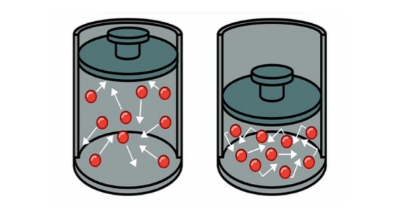
What is Boyle’s Law?
100
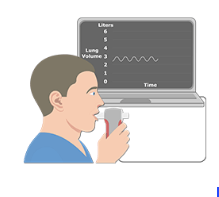 This assessment measures both lung volumes and flow rates.
What is spirometry?
100
These two measurements can be used by an SLP to evaluate a person’s respiratory function: oxygen saturation and respiratory rate
What two clinical measurements assess respiratory function?
200
This type of respiration involves gas exchange between the lungs and bloodstream.
What is external respiration?
200
These are the three parts of the sternum from superior to inferior.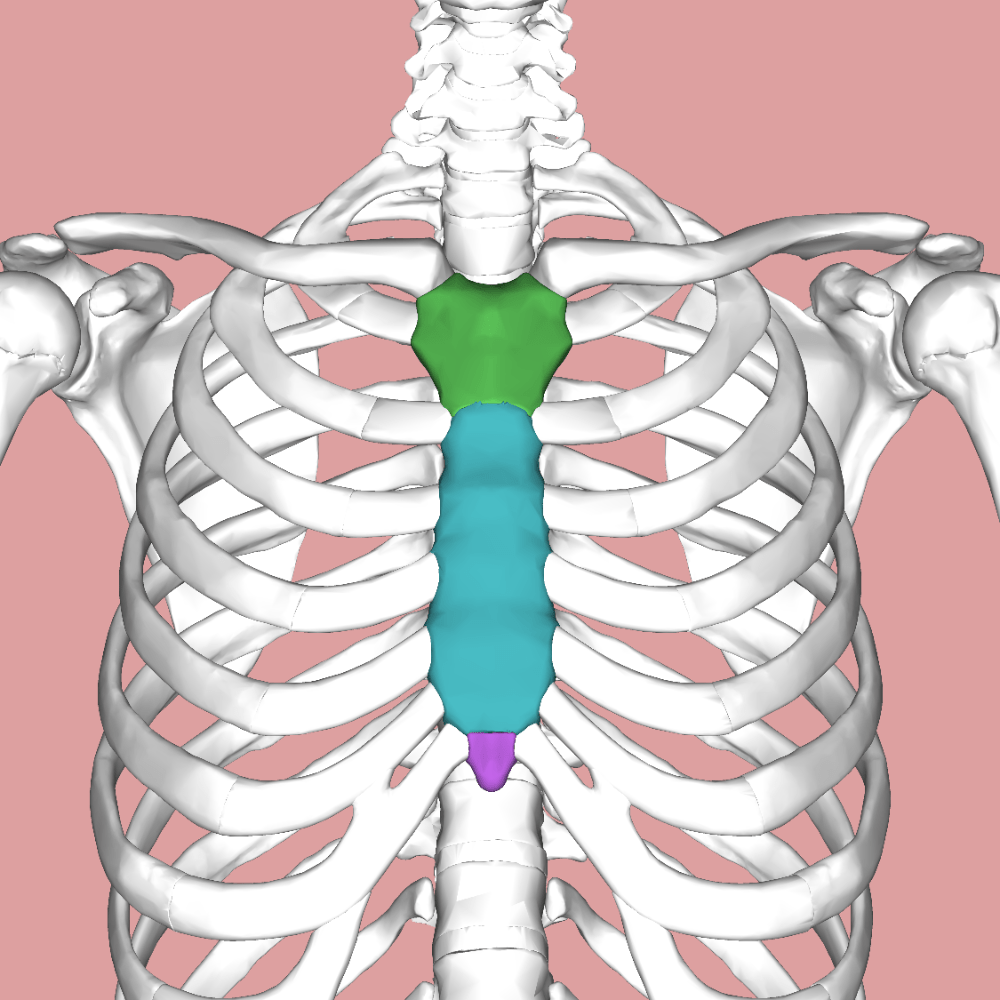
What are the manubrium, body and xiphoid process?
200
In speech breathing, about this percentage of the respiratory cycle is responsible for controlled exhalation.
What is 90%?
200
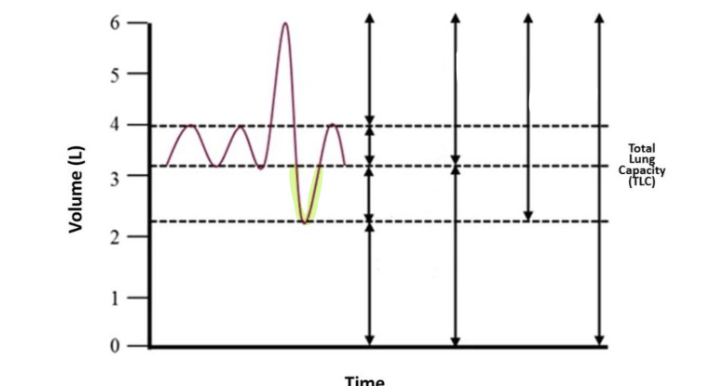 This extra volume can be exhaled after a normal exhalation and facilitates long utterances and connected speech.
What is expiratory reserve volume?
200
This breathing test directly measures respiratory function: spirometry
What provides a direct measure of respiratory function?
300
This device estimates blood oxygen saturation, which should normally be 95% or higher in an average adult.
What is a pulse oximeter?
300
These muscles elevate the ribs during inhalation, while their deeper counterparts lower the ribs during forced exhalation.
What are the external and internal intercostal muscles?
300
Boyle’s Law states that the chest cavity expands during inhalation, and that air enters due to intrapulmonary pressuring becoming this in relation to outside air pressure.
What is lower?
300
This series of tests examine an individual's overall lung function using measures like volume, flow rate, and diffusion capacity.
What is pulmonary function testing (PFT)?
300
This procedure bypasses the vocal folds, making normal voicing impossible
How does oral intubation affect speech?
400
During speech, approximately this percentage of the respiratory cycle is inhalation, while the remainder is exhalation.
What is 10% inhalation and 90% exhalation?
400
These four lower-respiratory structures carry air from the windpipe to the location of gas exchange.
What are the trachea, bronchi, bronchioles, and alveoli?
400
A respiratory or neurological impairment may affect this breathing pattern, which can influence speech and swallowing safety.
What is life/tidal breathing?
400
In Parkinson’s disease cases, low vital capacity may help explain reduced breath support, limited phrase length, and this additional symptom.
What is hypophonia?
400
This procedure redirects airflow away from the vocal folds, but a speaking valve can help restore airflow
How does a tracheostomy affect voicing?
500
These are the five respiratory functions.
What are pulmonary ventilation, external respiration, internal respiration, phonation, and olfaction?
500
This nerve controls the diaphragm; injury to it may reduce respiratory support for speech.
What is the phrenic nerve?
500
Describe the full Boyle’s Law mechanism of a normal exhalation.
What is the diaphragm and chest muscles relax, lung volume decreases, pressure increases, and airflow out?
500
If an SLP utilizes respiratory assessment results, they do these three things as part of clinical practice.
What is modifying sessions safely, communicating effectively with medical team members, and advocating for patients when respiratory conditions are affecting speech, voice, or swallowing?
500
These four training factors help an SLP plan respiratory muscle strength training: frequency, intensity, time, and type
What should an SLP consider when using RMST?