carbohydrates
Lipids & Membranes
transport & osmosis
cells & organelles
RNA & Cell Processes
100
What is a glycosidic linkage?
This type of bond forms between monosaccharides during dehydration synthesis.
100
What are phospholipids?
These molecules form the basic structure of the cell membrane.
100
What is osmosis?
This is the movement of water across a selectively permeable membrane. 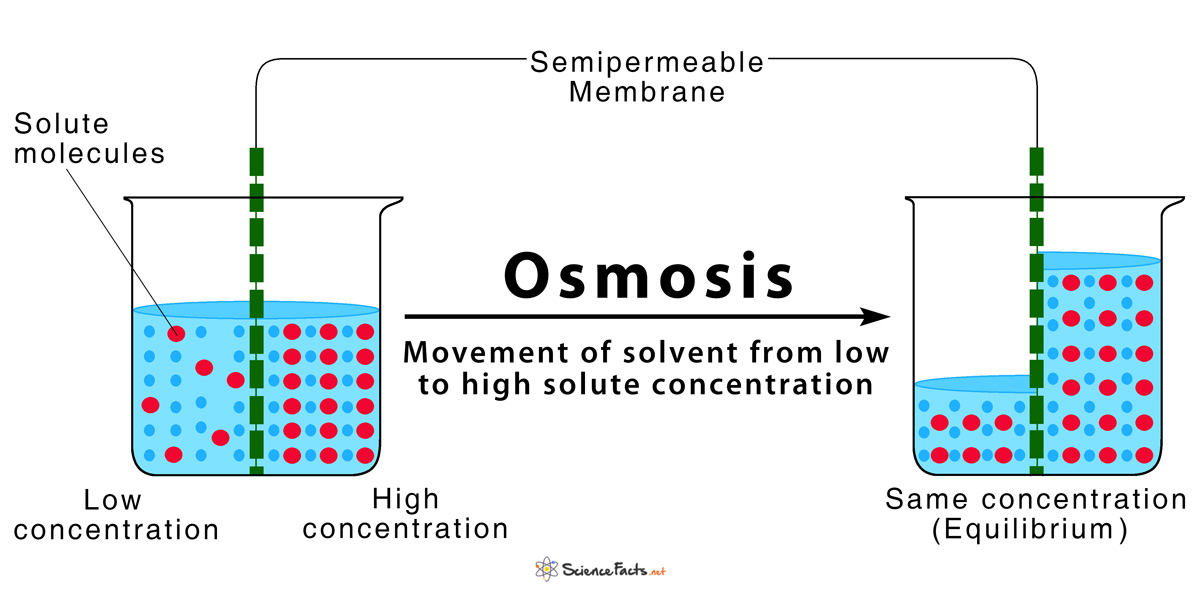
100
What are ribosomes?
This organelle is responsible for protein synthesis.
100
What is mRNA?
This RNA carries genetic instructions from DNA to the ribosome.
200
What is sucrose?
This disaccharide is made from glucose and fructose.
200
What is amphipathic?
This term describes molecules with both hydrophilic and hydrophobic regions.
200
What is a hypertonic solution?
This type of solution causes a cell to shrink due to water loss.
200
What is the Golgi apparatus?
This organelle modifies and packages proteins for transport. 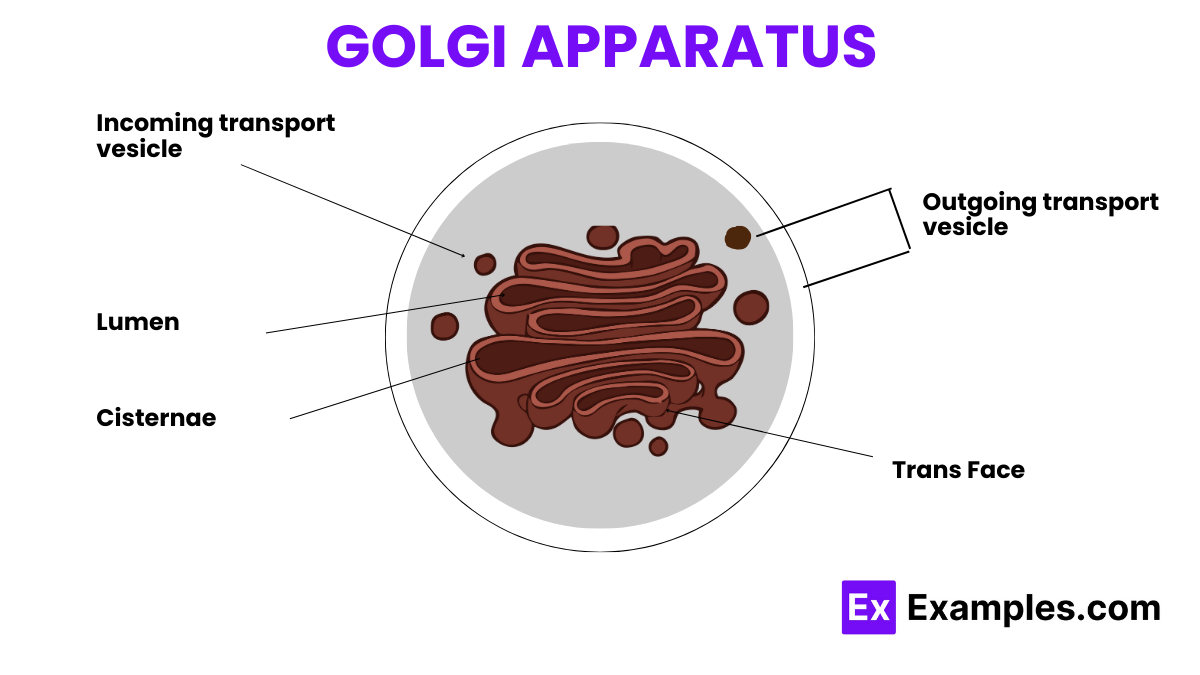
200
What is tRNA?
This RNA brings amino acids to the ribosome during translation.
300
What are β (beta) glucose linkages?
This structural difference makes cellulose indigestible to humans. 
300
What is hydrogenation?
This process converts unsaturated fats into saturated fats by adding hydrogen.
300
What is active transport?
This process requires ATP to move substances against a concentration gradient. 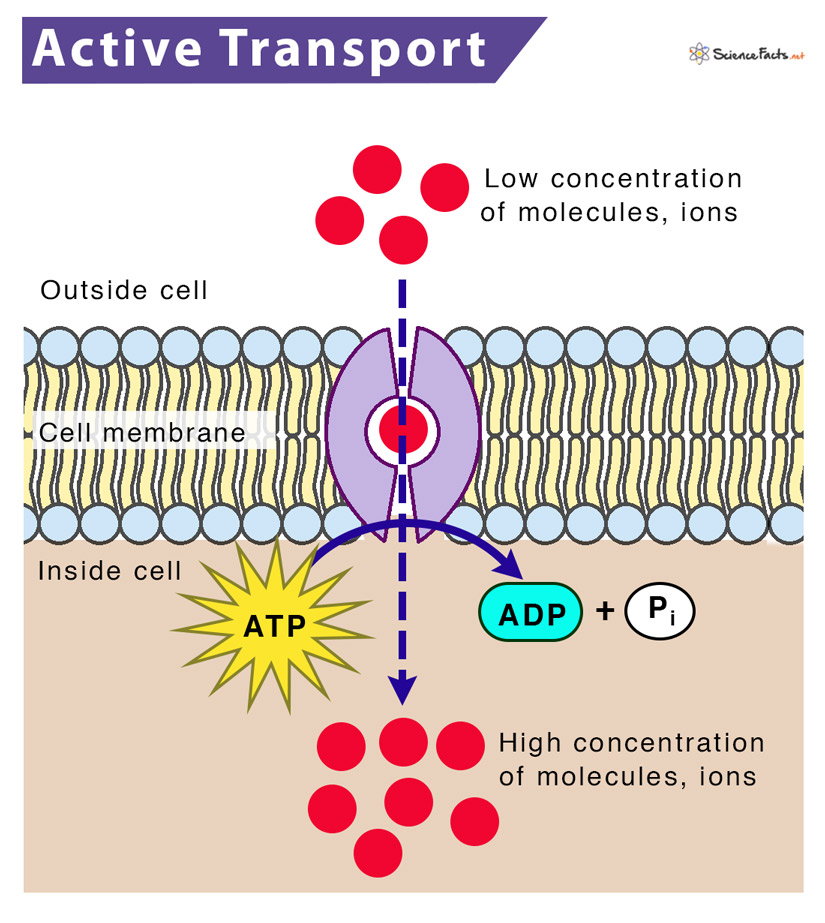
300
What are prokaryotic cells?
These cells lack a nucleus and membrane-bound organelles.
300
What is rRNA?
This RNA forms part of the ribosome’s structure.
400
What is the location of the carbonyl group?
This determines whether a sugar is classified as an aldose or ketose.
400
What is an ester linkage?
This type of bond connects fatty acids to glycerol in triglycerides.
400
What is isotonic equilibrium?
This condition exists when there is no net movement of water across a membrane.
400
What is the cytoskeleton?
This structure provides internal support and helps with cell movement.
400
What is endocytosis?
This process brings large materials into the cell using vesicles. 
500
What is glycogen?

500
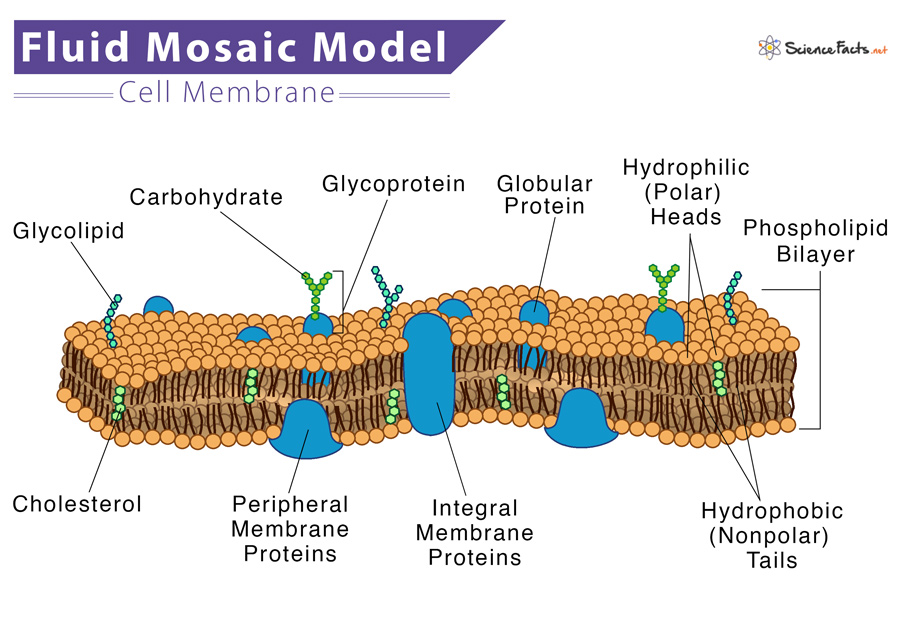
What is the fluid mosaic model?
This model describes the membrane as dynamic with proteins embedded in lipids.
500
What is facilitated diffusion?
This type of diffusion uses membrane proteins but does not require energy.
500
What is the endomembrane system?
This system includes the ER, Golgi, and vesicles working together to process proteins.
500
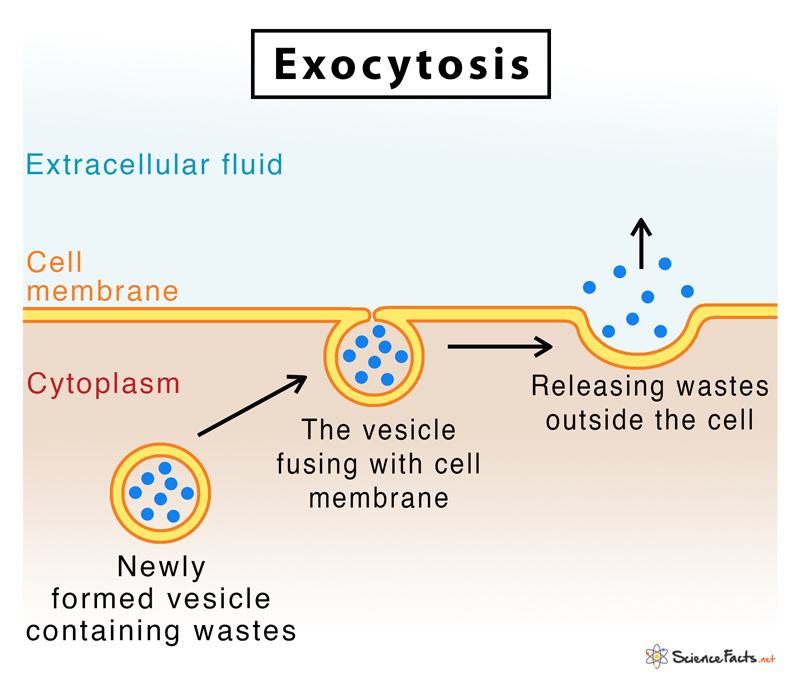
What is exocytosis?
This process releases substances out of the cell via vesicles.