Universe
DNS & Lunar cycle
Plate Tectonics
Topo Maps and WED
Atmosphere/Weather
Final Jeopardy
100
What shape is our milky way galaxy?
Spiral
100
What causes day/night on Earth?
The side facing the Sun is in daytime, and the side facing away is in nighttime. The Earth constantly rotates once every 24 hours to keep the cycle.
100
What type of plate boundary is depicted below, and what geographic feature/event would you expect to see there?
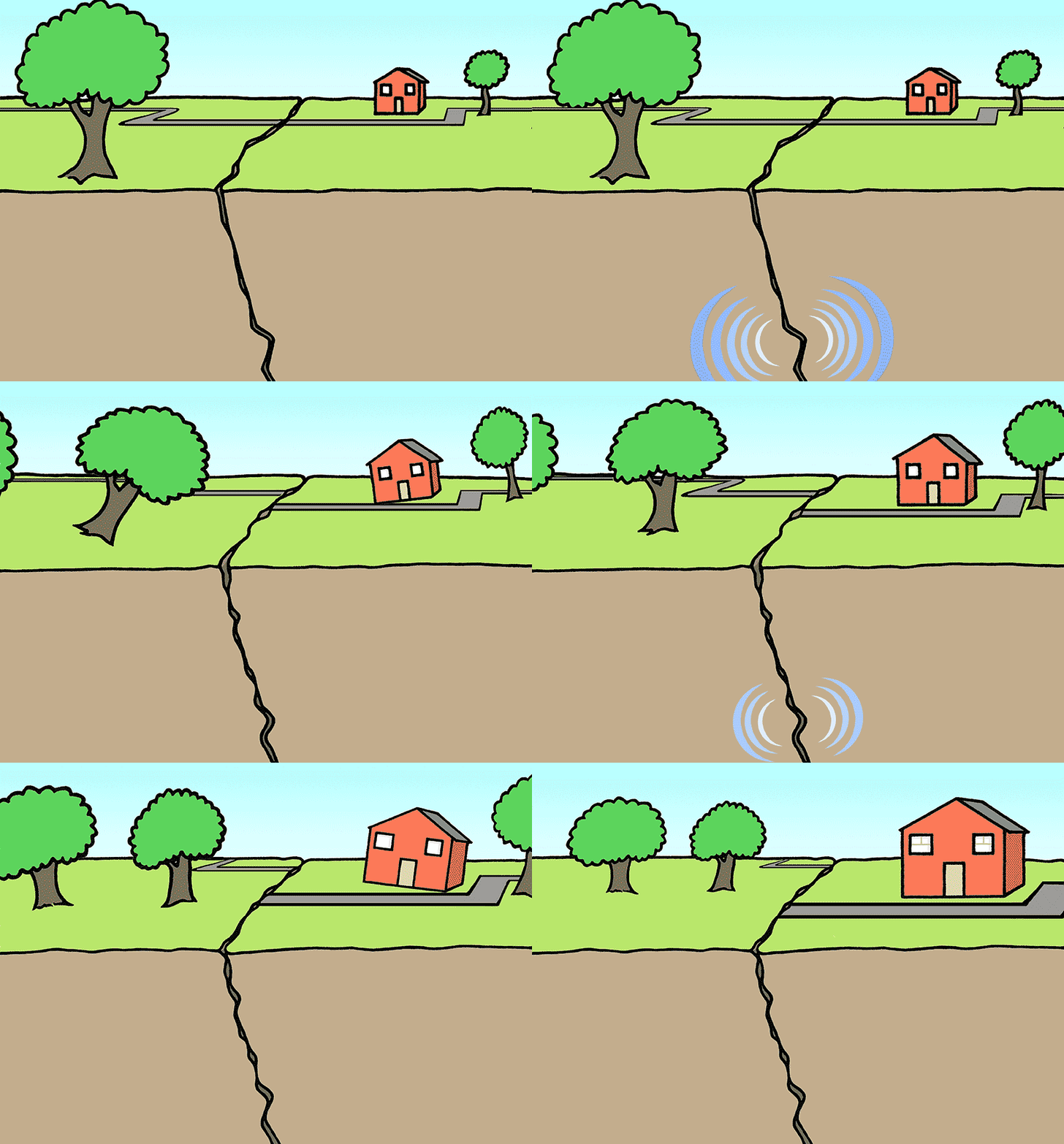
Transform boundary
Fault line & frequent shallow earthquakes
100
How do you find the contour interval of any topographic map?
Subtract any 2 index contours (bold contour lines that have the elevation written on them), then divide by how many lines are between them.
100
Use the image below to answer the following question:
 How does the weather in Dallas compare in this image compared to the day before?
Cooler temperatures, and possible thunderstorms.
100
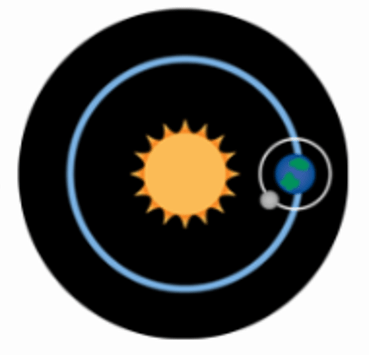
Use the diagram below to answer the following question:
Draw and label the moon phase that would come 21 days after the phase that we would observe when the Sun, Earth, and Moon were in this position.
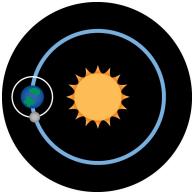
Full moon

200
What are the 3 types of galaxies?
Spiral, elliptical, and irregular
200
Use the image below to answer the following question:
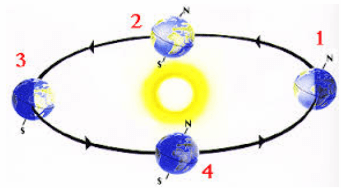 Which numbered position represents summer for the northern hemisphere?
3
200
What type of plate boundary creates volcanic island arcs?
Oceanic-oceanic convergent boundary
200
What is the difference in elevation between point A & B?
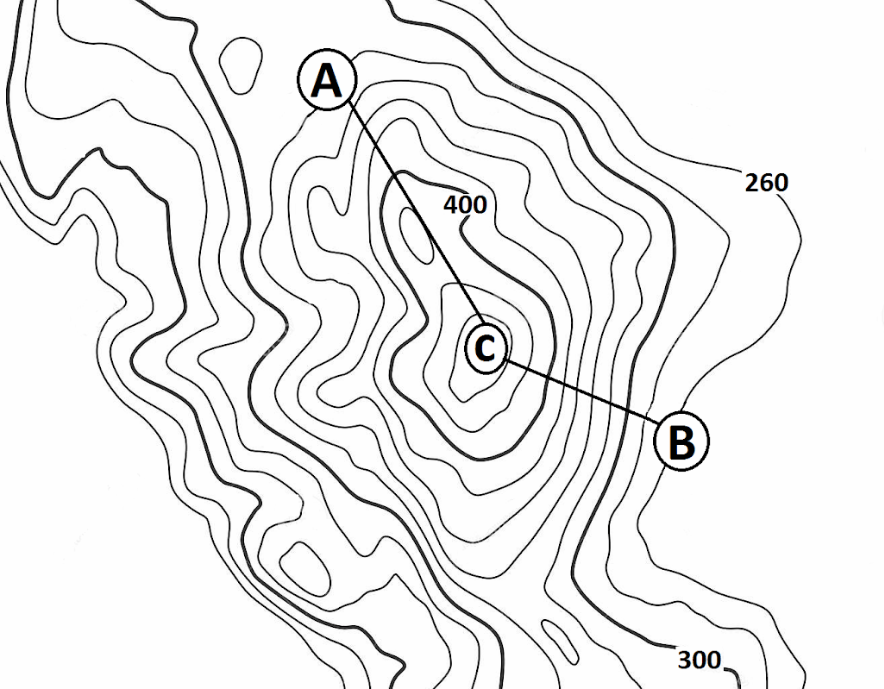
60m
200
Use the image below to answer the following question:
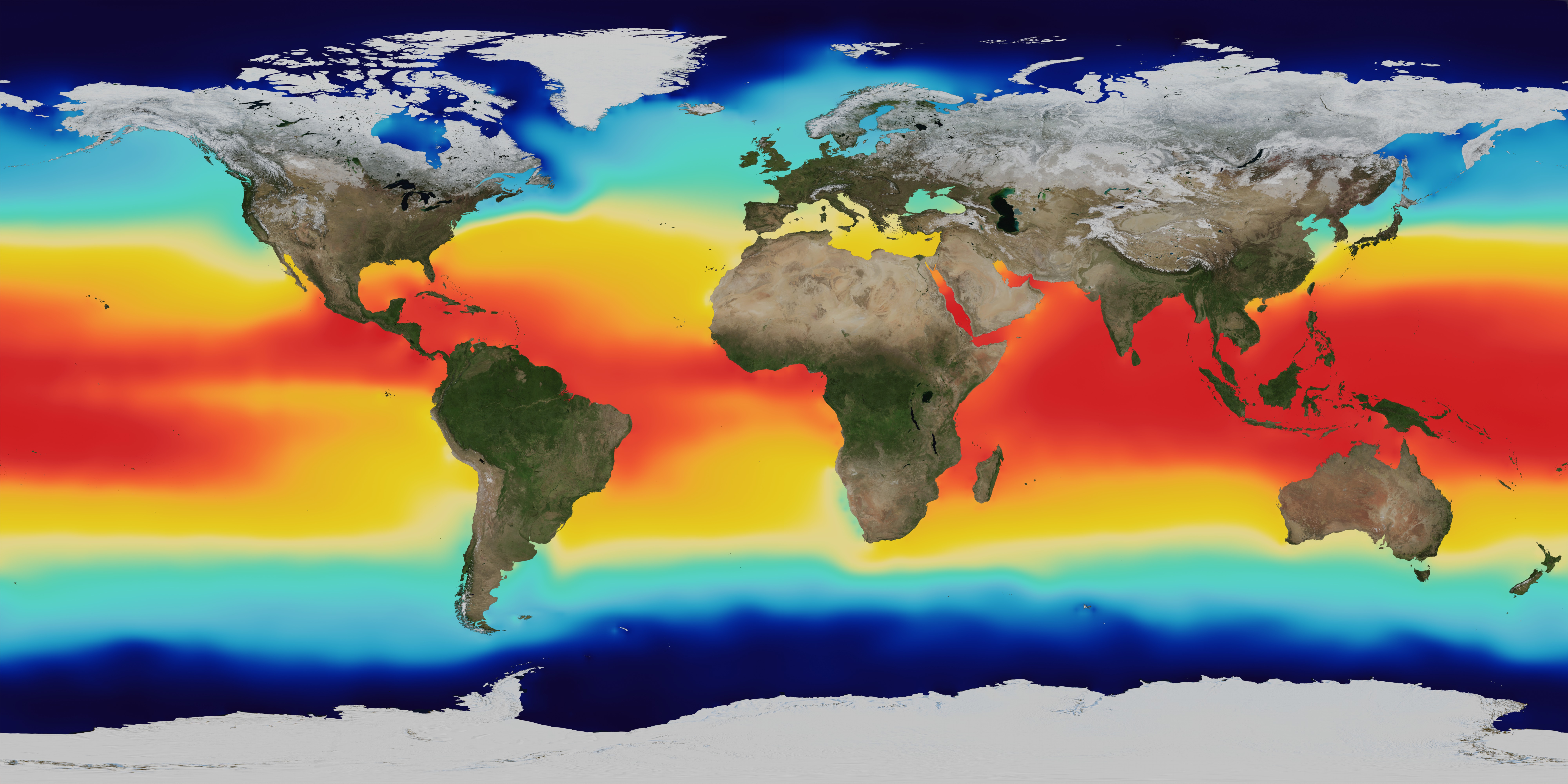
Which color on the map shows where the most hurricanes form?
Red
300
List the following from largest to smallest:
Star - Universe - Moon - Solar system - Galaxy - Nebula--> Planet
Largest: Universe--> Galaxy--> Nebula--> Solar system--> Star--> Planet--> Moon :Smallest
300
Use the image below to answer the following question:
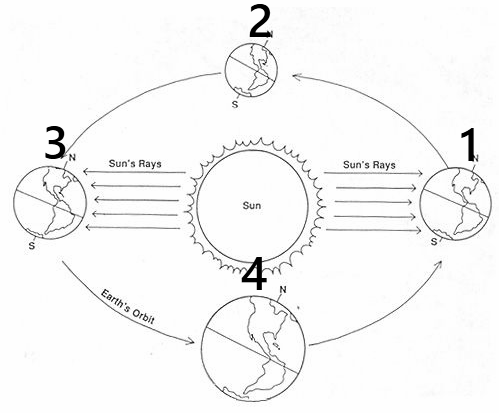
Which earth represents the position where the south hemisphere would have the longest number of daylight hours?
1
300
What type of plate boundary is depicted below and what geographic feature does it create?
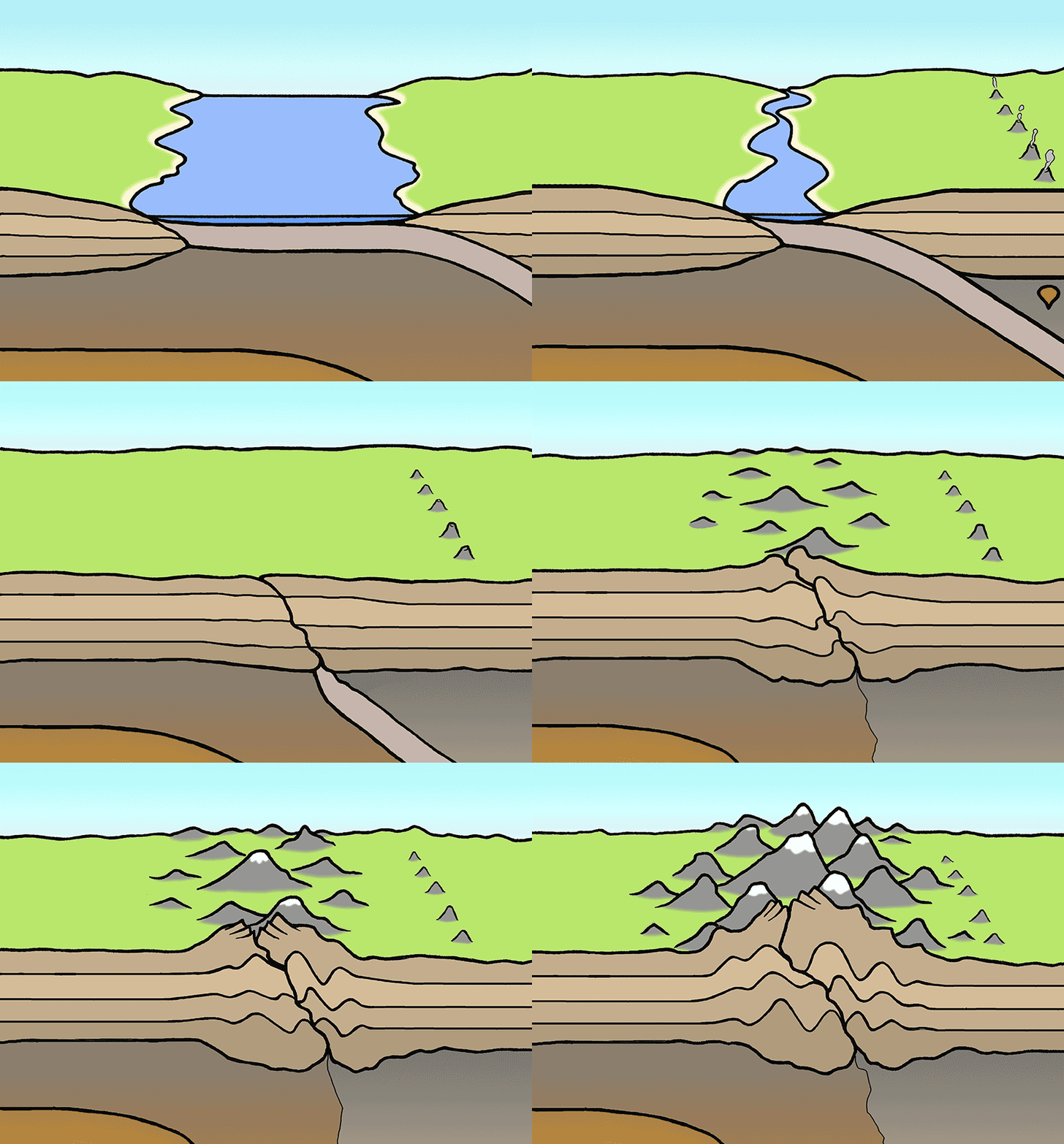
Continental continental convergent boundary.
Folded mountains
300
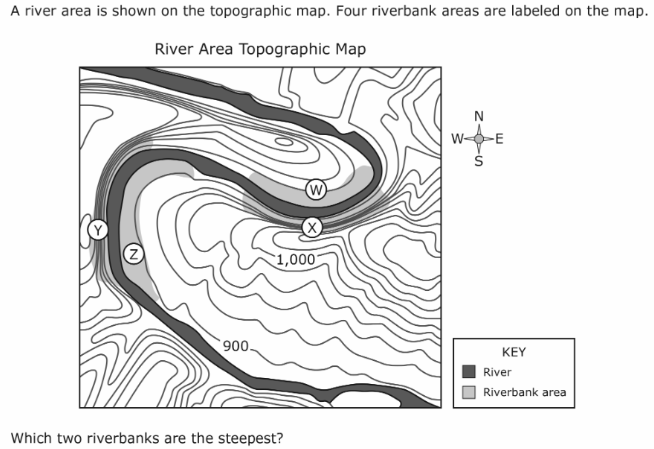
X & Y
300
Why are there almost never hurricanes that hit Canada?
It's too far from the equator/warm water.
400
Explain what a light-year is, and what it's used for?
The distance light can travel in a year. It's used to measure really long distances in space.
400
Use the image below to answer the following question:
On the whiteboard, draw & label how we would view the moon when it is in the position in the image above?
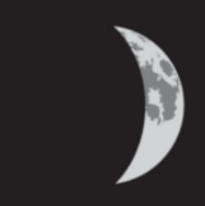
Waxing crescent
400
Even though the Earth is constantly creating new tectonic plates, it never gets any larger, why is that?
Older plate is constantly getting recycled at subduction zones.
400
Use the satellite image below to answer the following question:
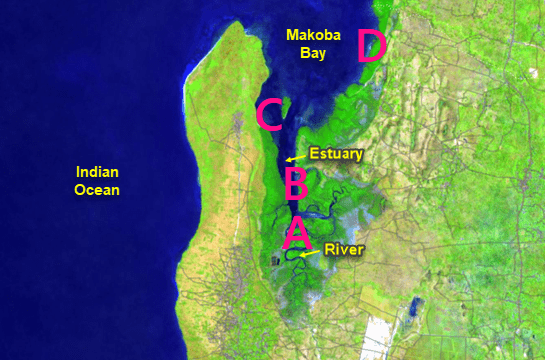
Which Lettered area represents the land that will experience the most erosion due to waves over hundreds of years?
D
400
What is the difference between the convection current in a lava lamp and the convection currents in Earth's atmosphere and oceans?
The heat source for the lava lamp comes from below, but the heat source for the atmosphere and oceans is the Sun, which is above.
500
What is redshift and how does it support the big bang theory?
Red shift is the effect on the spectral lines of an object moving away from us shifting towards the red side of the spectrum. It supports the part of the big bag theory that says that the universe is expanding, because almost every galaxy is red shifting from our own, and each other.
500
How many months does it take to go from September 21st to the longest day/shortest night of the year in the northern hemisphere?
9 months
500
Use the gif below to explain what causes the plates to move:
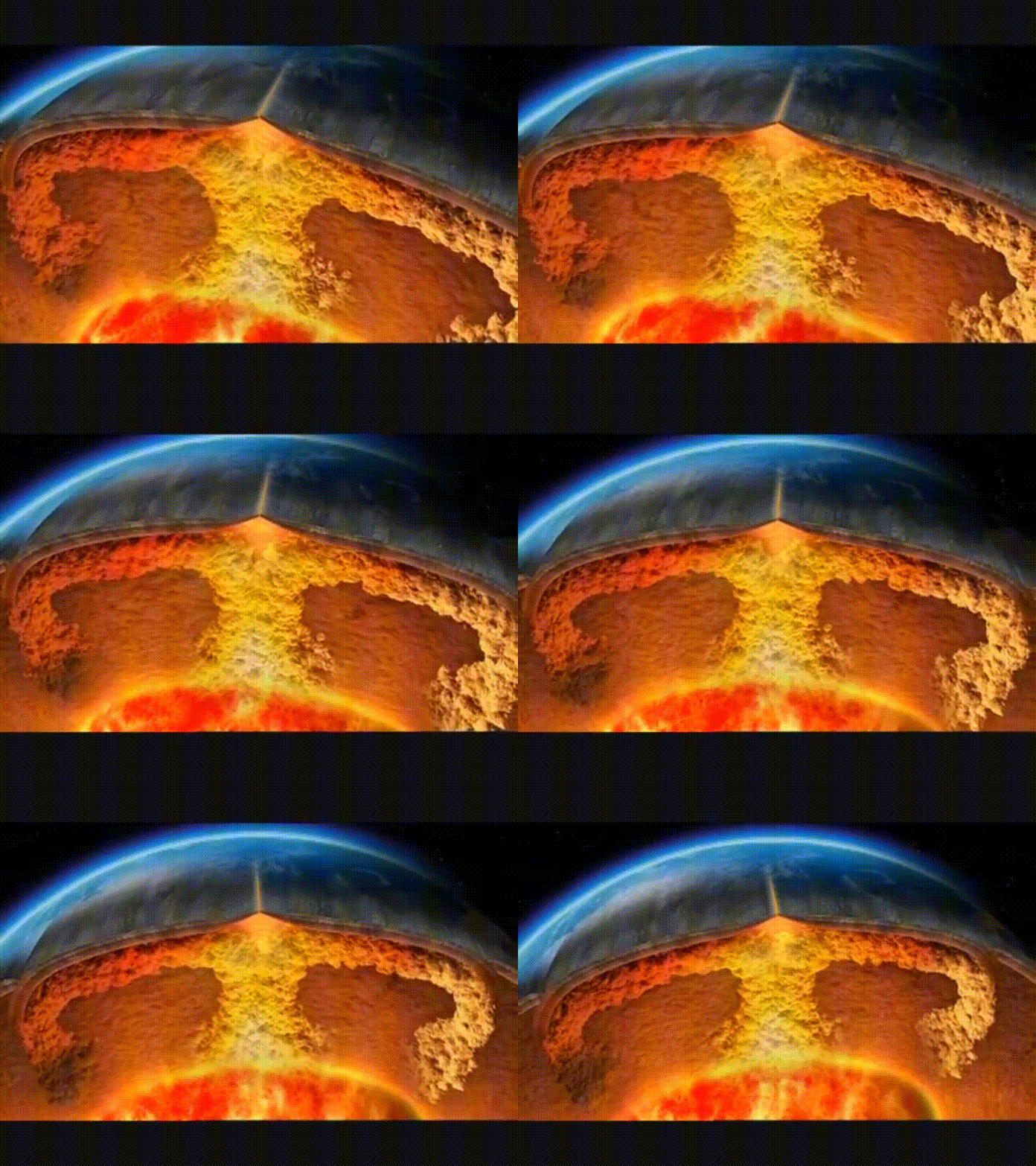
The Earth's core heats up the magma, which makes it rise. It pushes up through the diverging oceanic plates and pushes them apart, they push other plates and cause them to move.
500
What is the change in elevation from point G to point A?
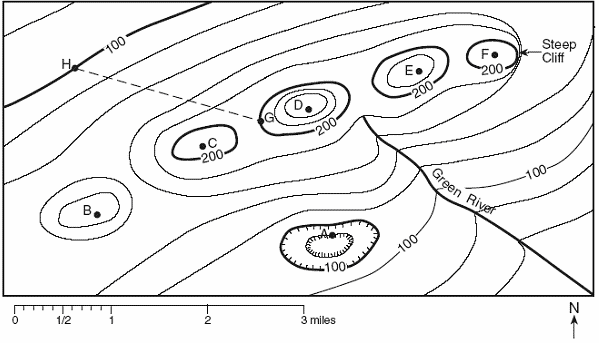
120m
500
Use the image below to answer the following question:

How do ocean currents affect global weather patterns?
They redistribute heat that was absorbed unevenly from the Sun to cooler areas.