FINAL EXAM 1
FINAL EXAM 2
FINAL EXAM 3
FINAL EXAM 4
Examen Final
100
T/F: You must provide proof of residency and legal presence to obtain your learners.
True. You must also pass a vision test, general knowledge test, and signs test. You must be 15 years and 6 months and have a photo taken by the DMV.
100
T/F: It's a good idea to honk your horn at an aggressive driver/ driver displaying road rage.
False.
100
If you are driving on a highway with no other cars, is the empty space in front of you a open, closed, or changing zone.
Open.
100
What should you do if an emergency vehicle is behind you with there siren on?
Pull over to create a clear path for the vehicle
100
Al realizar la prueba del permiso de aprendizaje, ¿qué porcentaje de la prueba de signos debe obtener?
When taking your learners permit test, what percent of the signs test must you get correct?
Cien percento
100 percent
200
Why is driving next to large truck (ex: 18 wheeler) considered dangerous?
They have large blind spots.
200
When two vehicles arrive at an intersection, who goes first?
The person to the right.
200
What mirror and windows do you use while backing up?
Front mirror, Back window (not side)
200
What does SEEiT Stand for?
Search, Evaluate, Execute in Time.
200
¿Cuándo se debe conducir el vehículo con una mano?
When should you steer the vehicle with one hand?
Al hacer una copia de seguridad
When backing up.
300
There are six things to check/check for when entering a vehicle, can you name 4?
Fluid leaks, glass, children and pets, tire inflation (not tread), damage to the vehicle, objects around the vehicle.
300
This emergency braking system occurs when you STOMP-HOLD-AND STEER. It prevents the brakes from locking up.
Anti-Lock Braking System (ABS)
300
This braking technique describe releasing the accelerator and applying gradual, smooth pressure on the brake.
Controlled Braking.
300
When is someone under 18 allowed to use there phone in the car?
Only if there is an emergency or if the car is parked.
300
¿Qué paga el seguro de responsabilidad civil?
What does liability insurance pay for?
Facturas médicas de otras personas, daños al vehículo, etc. si usted causa un accidente.
Other persons medical bills, vehicle damages, etc. if a crash is caused by you.
400
Describe where each lane position is?
Lane position 1- middle. Lane position 2- To the Left of center Lane position 3- To the right of center.
400
There are five steps to receiving your TDL 180, what are they?
Complete the classroom portion of driver education, attend Partners for Safe Teen Driving, Log 45 hours of driving (15 hours at night), hold your learners permit for 9 months, and be at least 16 years and 3 months old.
400
What type of insurance is required by Virginia Law?
Liability insurance.
400
How often does the DMV recommend you check your tires air pressure?
Once a week.
400
Nombre por lo menos dos elementos relacionados con un Auto/Mantenimiento de Auto que deben desecharse en una facultad especial (no en un vertedero regular)
Name at least two items related to a Car/Car Maintenance that must be disposed in a special faculty (not a regular landfill)
Batería, lata de aceite/aceite sucio, correas, piezas del motor.
Battery, Oil can/dirty oil, Belts, engine parts.
500
How often does the DMV recommend you check your breaks?
Every 20,000-60,000 miles, depending on your driving habits
500
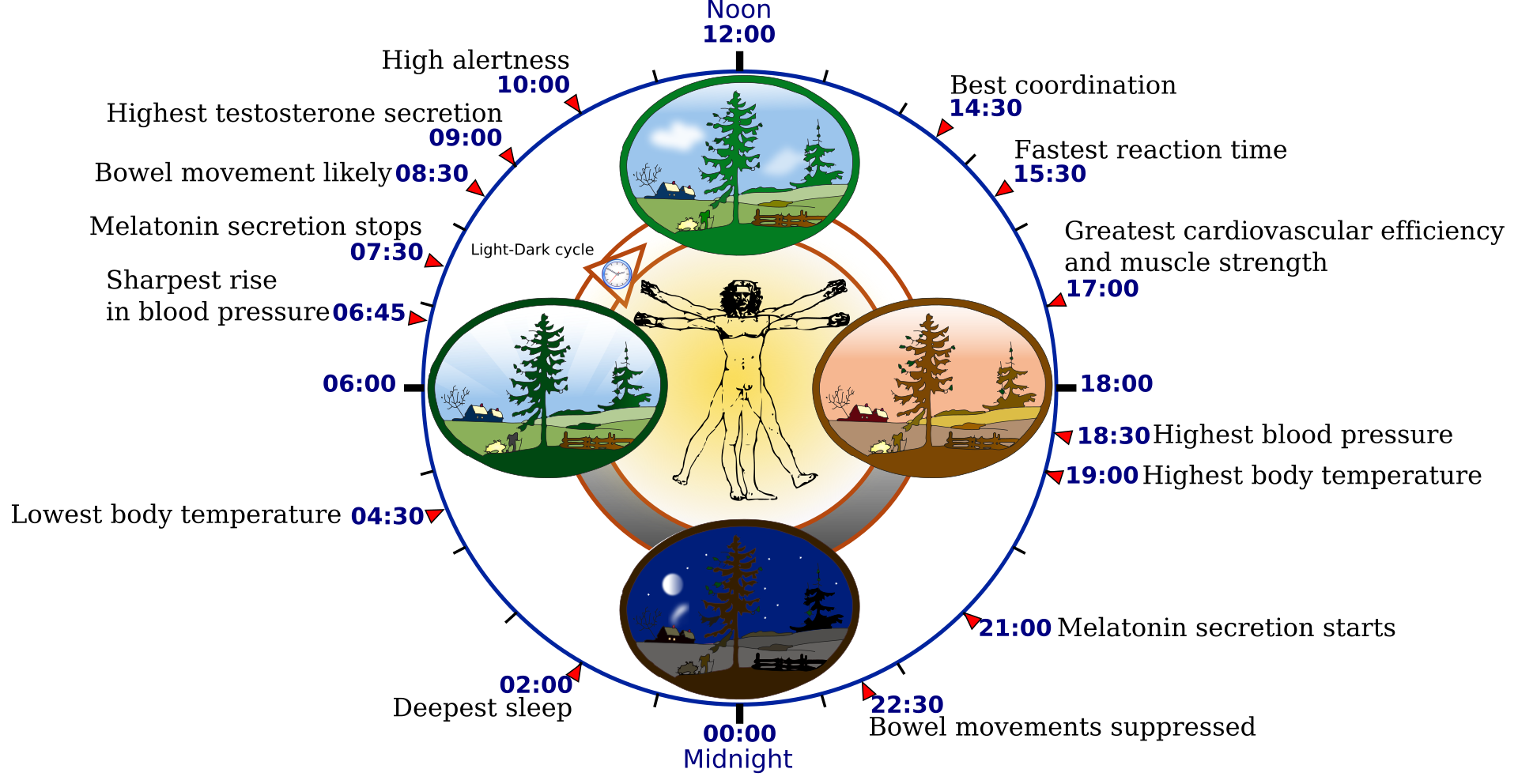
What is a circadian rhythm and how does it relate to driving?
Circadian rhythms are physical, mental, and behavioral changes that follow a 24-hour cycle. These natural processes respond primarily to light and dark.
It relates because there are times of day when you may want to be more careful driving/not drive at all because you may be tired.
500

What does the dashboard sign mean you need to check?
Brakes. ABS is different (ABS), and tire pressure is an exclamation mark without parenthesis.
500
Describe the zero tolerance law (Age, BAC, consequence)
Anyone under 21 who drives with a BAC of .02 or over will receive a DUI
500
Este tipo de frenado ocurre cuando aplica una presión fuerte al pedal del freno para detenerse repentinamente. Sin embargo, no deja el pie en el freno y el ABS no se activa.
This type of braking occurs when you apply forceful pressure to the brake pedal to come to a sudden stop. However you don't leave your foot on the brake and ABS does not activate.
Frenado de umbral
Threshold braking.