Skeletal System
Nervous System
Muscular System
Histology
Misc.
100
These are the four classifications of bone shapes
Long, flat, short, irregular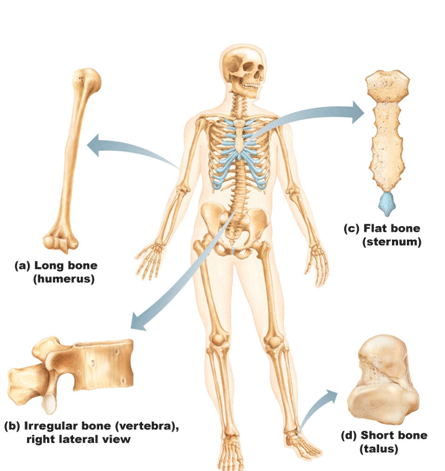
100
The central nervous system is made up of these two structures
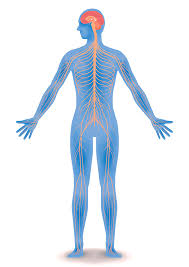
The brain and spinal cord

100
This muscle belly (marked in red) is part of the epicranius muscle

Occipital belly
100
This epithelial tissue is found in structures that specialize in secretion (glands) and diffusion (tubules)

Simple Cuboidal Epithelium
100
This is a special type of diffusion, wherein water molecules pass through a permeable barrier
Osmosis

200
This bone shown in yellow
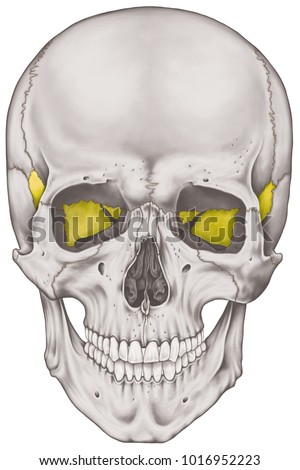
Sphenoid
200
This structure (shown in green) in the brain coordinates voluntary movements such as posture, balance, coordination, and speech
:watermark(/images/watermark_only.png,0,0,0):watermark(/images/logo_url.png,-10,-10,0):format(jpeg)/images/anatomy_term/cerebellum/gb3g875wc16BYZDIAP6c7g_Cerebellum_1.png)
Cerebellum
200
This head is part of an extensor muscle of the elbow joint and an antagonist of the biceps and brachialis muscle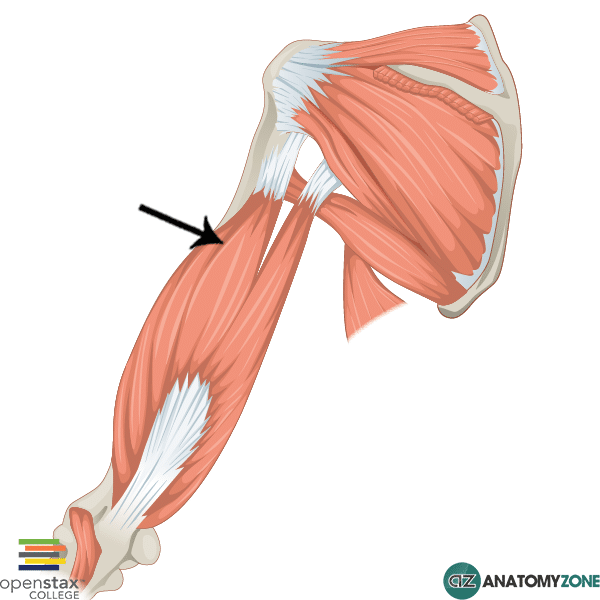
Long head of the Triceps Brachii
200
This tissue is found in blood vessels, hollow internal organs (digestive tract, bladder, bronchi, etc.), and thew iris of the eye
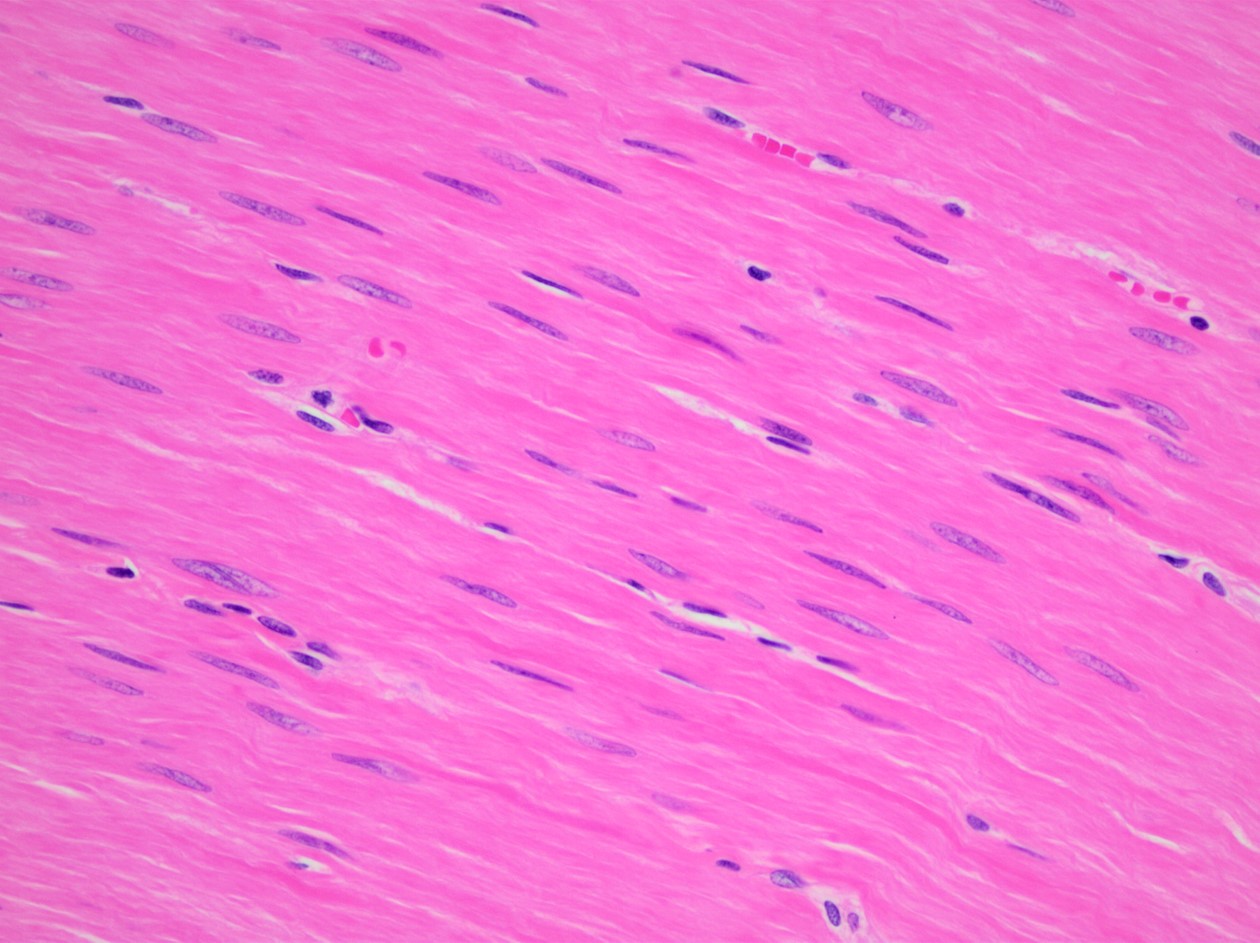
Smooth Muscle
200
These special sensory receptors respond to chemicals (convey olfactory and gustatory information)
Chemoreceptors
300
This structure (#1) sits on the top of the axis (C2)

Dens
300
This nerve (marked by the arrow) innervates some muscles in the anterior compartment of the arm and hand, and the skin of the hand

Median nerve
300
This muscle originates at the fibula and medial border of tibia (soleal line), and inserts into the Achille's tendon
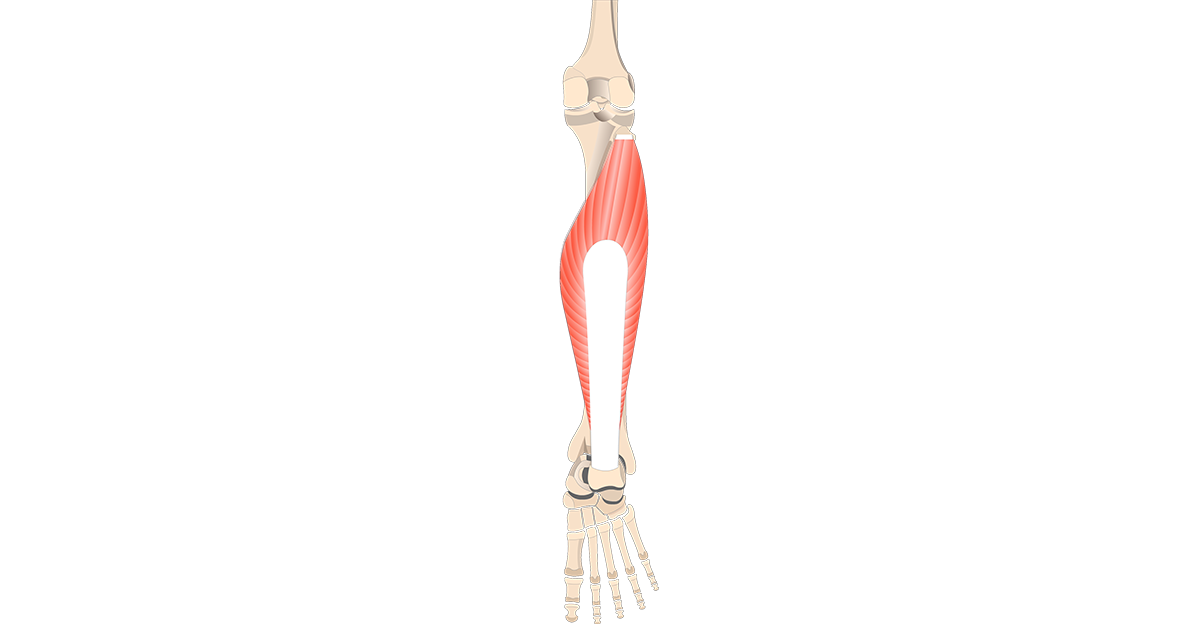
Soleus
300
This tissue provides smooth surfaces for other tissues to slide over and is found on bone joints, the larynx, trachea, and bronchi

Hyaline cartilage
300
These are two types of connective tissue
Dense and Loose
400
These three bones make up the os coxae
Ilium, ischium, and pubis
400
This nerve (#3) innervates the posterior compartment of the arm and forearm (extensors)

Radial nerve
400
The deltoid muscle inserts onto this bone marking (marked in green)
:watermark(/images/logo_url.png,-10,-10,0):format(jpeg)/images/anatomy_term/deltoid-tuberosity/zYQpSC54z0x3kXxMe6GsVA_Tuberositas_deltoidea_02.png)
Deltoid tuberosity on the humerus
400
These cells (A) build bone

Osteoblasts
400
These proteins (in purple) form (together with actin) the contractile filaments of muscle cells 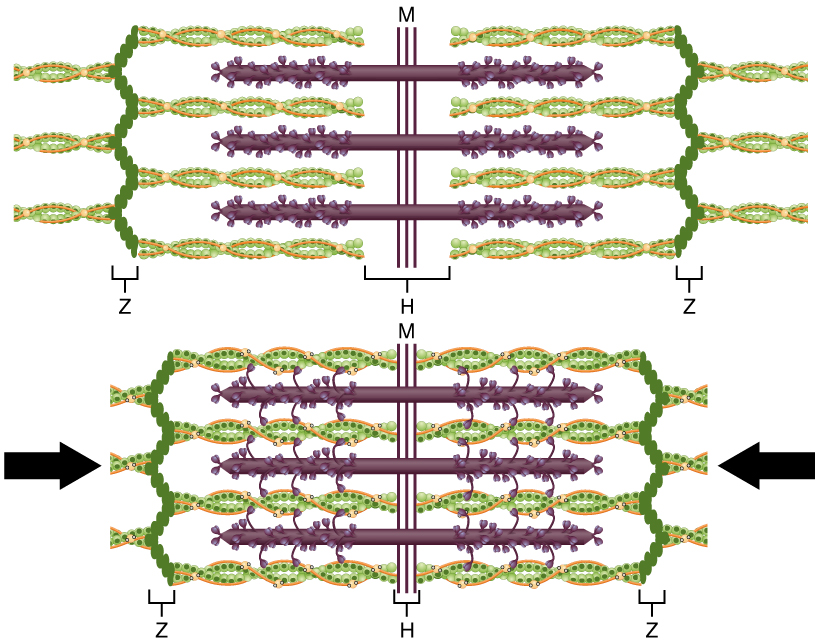
Myosin
500
A large vein goes through this foramen (marked by the star)

Jugular foramen
500
This nerve (marked in green) comes off the lumbar plexus and innervates the oblique abdominals and skin over inferior abdomen and buttocks
:watermark(/images/watermark_only.png,0,0,0):watermark(/images/logo_url.png,-10,-10,0):format(jpeg)/images/anatomy_term/iliohypogastric-nerve-1/CEtrC736YfPgdY17ZDvOlw_8iliohypogastric_nerve.png)
Iliohypogastric
500
This muscle originates at the medial epicondyle of the humerus and inserts into the carpals and 5th metacarpal bone


500
This tissue lines the trachea and upper respiratory tract
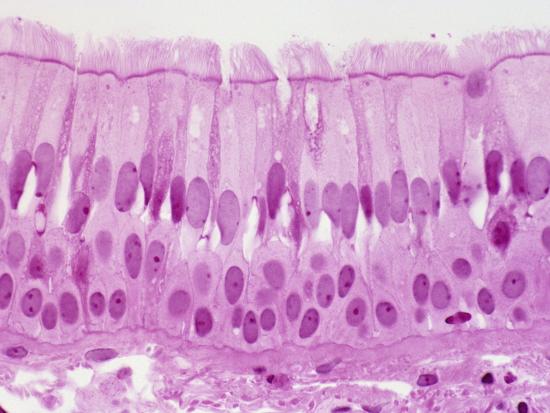
Ciliated pseudostratified columnar epithelium
500
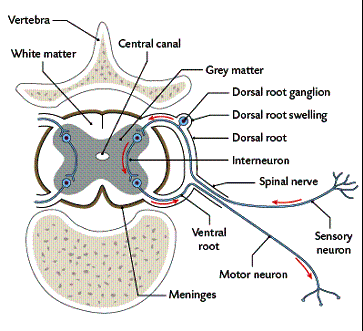
This horn of the spinal cord receives somatosensory information from the body (e.g., light touch, vibration)

Dorsal horn