TRUE or FALSE
I KNEW THAT
SUGAR
THAT IS SUPER IMPORTANT
HOW MANY
100
If it's labeled "natural," it's healthier.
TRUE
FALSE
FALSE
"Natural" sounds healthy, but it can mean a lot of things.
The FDA says a package can say this if the food inside doesn't have added color, artificial flavor, or man-made ingredients.
The USDA lets meat, egg, and poultry products be called "natural" if they are made without artificial ingredients or changed too much during processing.
But these foods can still be packed with calories, fat, sugar, salt, and carbohydrates, so be sure to read the ingredients. Then compare to others to make the healthiest choice.
100
Which food label is the healthiest looking at sodium levels?
850 mg. 35%520 mg. 22%
390 mg. 16%
60 mg. 3%
60 mg. 3%
100
Name 2 sugar substitutes
Aspartame, Sweet n Low, Saccharin, Stevia, Equal, Splenda, Truvia, Sweet Leaf
Maple syrup, honey, agave
100
What are 2 reasons it would be important to understand how to read a nutrition label?
Allergies, Diet restrictions, to know what you're putting in your body
100
How many grams of fat are in one serving of milk?
8 grams, 30 grams, 10 grams, 0 grams
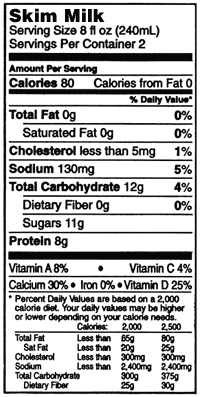
0 grams
200
Which claim means a food doesn’t have any trans fats in it?
- Zero trans fat
- No trans fat
- Neither
No trans fat
200
Which label has the highest amount of sugar?
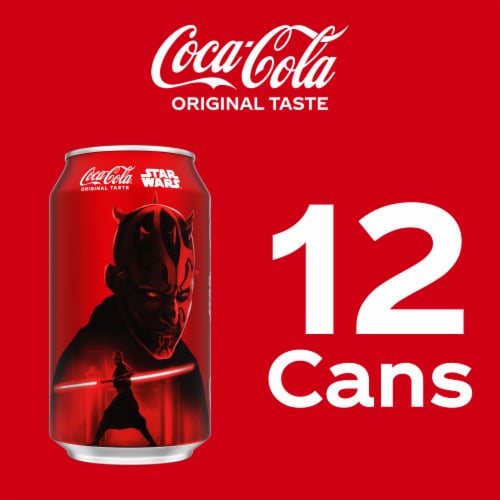
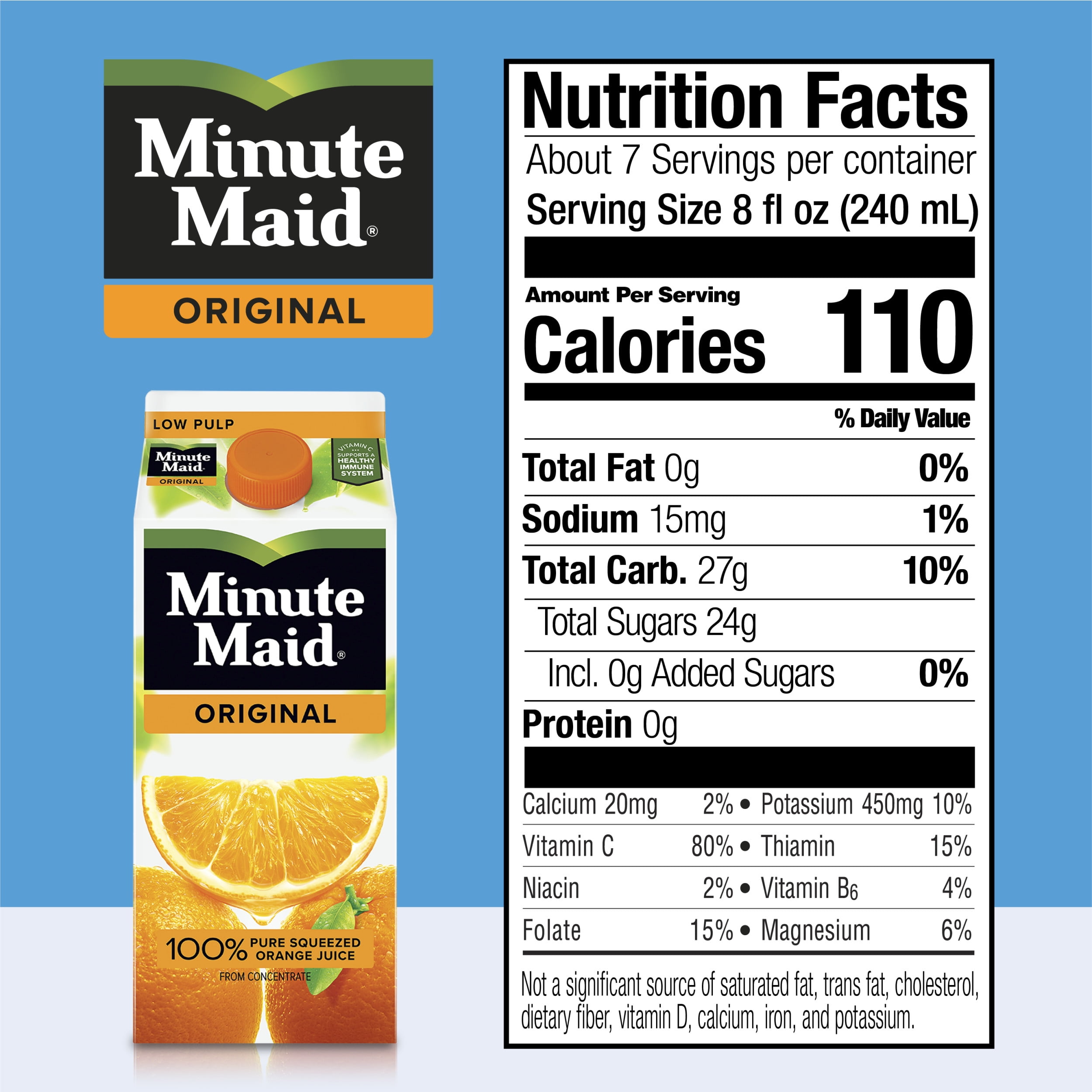 24g and 0g. added sugar
24g and 0g. added sugar
200
How is High Fructose Corn Syrup Made?
High fructose corn syrup (HFCS) is a liquid sweetener made from cornstarch. It is made by breaking down corn into molecules of glucose (a type of sugar). Half the glucose molecules are then chemically changed into fructose (another type of sugar – but sweeter).
200
What 2 values on a label are measured in mg rather than grams?
Cholesterol & Sodium
Most nutrients are measured in grams, also written as g. Some nutrients are measured in milligrams, or mg. Milligrams are very tiny — there are 1,000 milligrams in 1 gram. Other information on the label is given in percentages.
200
How many grams of protein are in one serving of milk?
8 grams, 11 grams, 12 grams, 0 grams
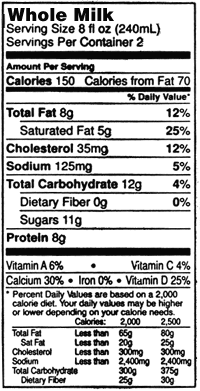
8 grams
300
 True/ False the fat content in this product is little?
True
5% or less is a little; 15% or more is a lot
300
The main ingredient in label is what and why?
1. Chocolate, 2. Cocoa butter, 3. Sugar

3. Sugar
The ingredient that weighs the most is listed first, and the ingredient that weighs the least is listed last.
300
This is released in the brain with sugar intake. It can cause addiction
Dopamine
When an individual eats sugar, the brain produces huge surges of dopamine. This is similar to the way the brain reacts to the ingestion of substances like heroin and cocaine.
300
The values of these 4 vitamins & minerals are required on a nutrition label
vitamin D, calcium, iron, and potassium.
Vitamins A and C are no longer required since deficiencies of these vitamins are rare today. The actual amount (in milligrams or micrograms) in addition to the %DV must be listed for vitamin D, calcium, iron, and potassium. The daily values for nutrients have also been updated based on newer scientific evidence.
300
What percent of your recommended daily value of calcium will you get from one serving of milk?
30%, 10%, 25%
30%
400
True / False
5% or less is a little; 15% or more is a lot
True
The percent daily value (% DV) shows you if a food has a little or a lot of a nutrient.
5% DV or less is a little of a nutrient
15% DV or more is a lot of a nutrient
The % DV is meant to act as a benchmark to determine if that food is high or low in a certain nutrient.
You can use it to compare the nutrient content of different foods.
400
Name the three main things we should look at on a food label.
1. The Serving Size
The serving size listed in Nutrition Facts is the amount that is often consumed at one sitting. Compare this to the amount you actually eat to see if you’re eating more or less of what’s on the label.
2. The Percent Daily Value (%DV)
The % Daily Value is a tool used to quickly see whether there is “a lot” or “a little” of a nutrient in a serving of food. This essentially tells you the percentage of a nutrient that is in one serving compared to the recommended intake each day.
- Less than 5% is considered “a little”
- More than 15% is considered “a lot”
For example, if the label lists 15% for calcium, this means one serving provides 15% of the calcium that is recommended in a day, which is “a lot.”
3. The Best Profile
Compare similar products and choose the option that has the healthiest profile. To do this, look for specific nutrients of concern that you want either more or less of.
400
This sugar does not trigger an insulin response
Aspartame: The oldest and most studied sweetener, aspartame has zero grams of sugar and won't spike insulin levels after it's consumed.
400

Corn
400
How many calories are in one serving of whole milk?
150 calories, 8 calories, 30 calories, 25 calories
150 calories
500
Ingredients are listed on the food label from least amount to the greatest amount in terms of weight.
True
False
True
500
what is the daily intake of sugar for adults
The AHA suggests a stricter added-sugar limit of no more than 100 calories per day (about 6 teaspoons or 24 grams) for most adult women and no more than 150 calories per day (about 9 teaspoons or 36 grams of sugar) for most men.
500
Name 5 of the negative health consequences of too much sugar intake
Brain Fog, Memory Loss, Diabetes, Weight Gain, Aging Skin, Moodiness, Depression, Addiction, Inflammation, Liver Damage, Heart Complications, Cancer, Arthritis, Alzheimers
500
What is the main ingredient in this bottle of salad

Potatoes
500
How much serving of milk is in this container?
2 servings, 8 servings, 30 servings, 5 servings
2 servings