Handwriting Analysis
Fingerprint Analysis
Scientific Method
Deception Analysis
Forensics/CSI
100
Names 3 physics concepts that related to handwriting:
Force, Friction, Energy.
100
Name the 3 main fingerprint types:
Arch, Whorl, Loop.
100
Which step in the Scientific method uses Observation THEN Inference?
2. Collect information
100
What does information in your brain and you pulling from when you tell the truth?
Memory.
100
What do we call the officials who arrive at the crime scene before anyone else?
First Responders
200
What is the study of handwriting called?
Graphology
200
Explain the method we used in class to record our fingerprints.
1. Covered our fingertip in graphite
2. Used tape to pull the finger print off
3. Adhered the print to the chart.
200
Which step in the Scientific Method uses Prediction? Or, an If_____then_____because statement?
3. Construct Hypothesis
200
What part of your brain are you pulling from when you tell a lie?
Imagination.
200
What is the most important thing to establish when a crime scene is discovered?
A perimeter. Put the caution tape up first so evidence cannot be contaminated.
300
What could big loopy handwriting say about a person based on our class discussions?
That you are open and extroverted.
300
What physics concept is at work when making a fingerprint?
Force.
300
Name all 6 steps of the Scientific Method:
1. Identify the problem
2. Collect information
3. Construct a hypothesis
4. Conduct experiments
5. Analyze data
6. Draw conclusions
300
How does a lie detector work?
Measures baseline and then compares your heart rate during your response to a series of questions.
300
Explain how a Forensic Scientists might use the Scientific Method.
A forensic scientist might be at the scene of the crime to document, but more than likely they are waiting at a forensic lab to process the evidence that has been gathered by police officers or detectives. They tend to work with steps 3-5 in the Scientific Method, testing evidence to create data sets that can be analyzed by experts (which might include them) so conclusions can be drawn.
400
What could spiky or jagged handwriting indicate about a person based on our class conversations?
Anger.
400
While a baby is developing in it's mother, what is the name of the pads that turn into a distinct fingerprint on the tip of each finger?
Volar pads.
400
What is the difference between an Observation and an Inference???
To observe mean only recording things you can see. To infer means that you are making assumptions based on those observations.
400
Names 3 examples of body language that might give a liar away:
Fidgeting, hiding their hands, avoiding eye contact, blinking, touching their face...
400
What is the study of forensics specifically pertain to?
The intersection of science and law.
500
What handwriting characteristic is found in a statistically large group of incarcerated individuals?
The "felon's claw," were letters that drop below the line come to a point and then curve to the left or right.
500
Do Identical twins have matching fingerprints?
No.
500
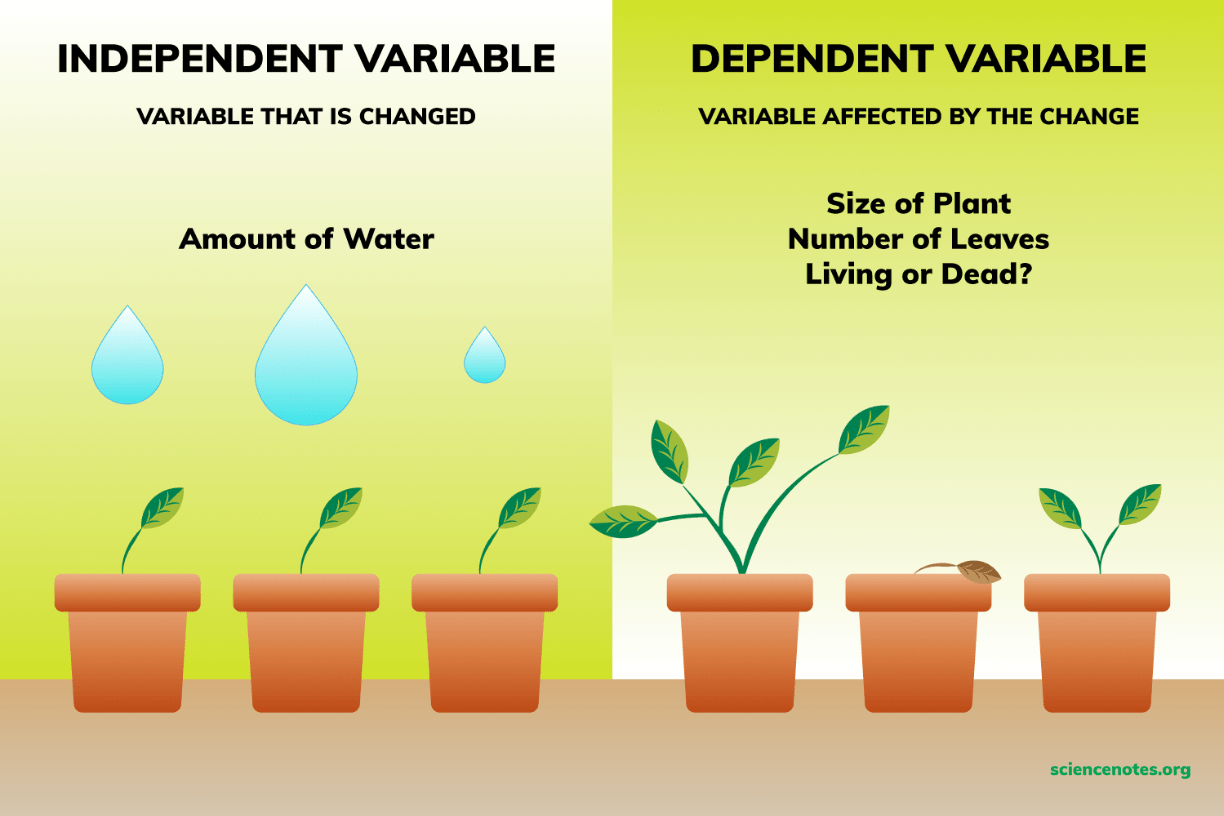
What is the difference between a dependent variable and an independent variable?
An independent variable in an experiment is changed per test subject. A dependent variable affected by the independent variable.
500
Why would a question like, "Is there any reason that someone would say they saw you at the crime scene," trick a liar into telling giving themself away?
It forces the liar to mentally review their actions to see if they made a mistake or left a clue. They would assume you already know the answer and now they have to scramble for an excuse. You can see the mental gymnastics on their face!
500
What is an Odontologist an expert in?
Teeth!