Skeletons
Types of Skeletons
Types of Energy
Food Chains
States of Matter
Physical vs Chemical Change
1
What is a name for the bone instead of your head?
Skull
1
True or false, birds have an exoskeleton?
false
1
True or false. Our bodies have energy inside of us.
True.
1
Which is another word for consume? Make or eat?
Eat
1
All matter is made up of what? Particles or solids?
Particles
1
Cutting a piece of paper is an example of a physical change or a chemical change?
physical change.
2
What is the name of the bone you use to talk and chew food?
jaw
2
Are fish vertebrates or invertebrates?
vertebrates
2
What type of energy do you see? 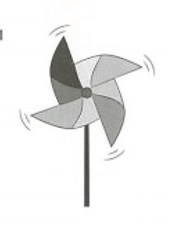
Movement
2
What kind of consumer is a frog? A carnivore, herbivore, or omnivore?
carnivore
2
What are the three main states of matter?
solids, liquids, gases
2
Lighting a piece of paper on fire is a physical change or a chemical change?
Chemical change
3
What is the name for the bones in your chest that protect your heart, lungs, and stomach?
rib cage
3
Name an example of a vertebrate.
and animal that belongs to these groups: fish, birds, mammals, reptiles, and amphibeans
3
What is energy?
It is the abiltity to do _____________.
work
3
Name a producer.
Name a consumer.
Any plant.
Any animal.
3
What causes matter to change from a solid to a liquid?
increasing heat
3
Water and oil mixed together is a physical change or a chemical change?
physical. They can be separated easily.
4
Name a bone that helps protect important organs.
rib cage or skull
4
What is the difference between an invertebrate and a vertebrate?
Invertebrates don't have a backbone. Vertebrates have a backbone.
4
What 2 types of energy do you see?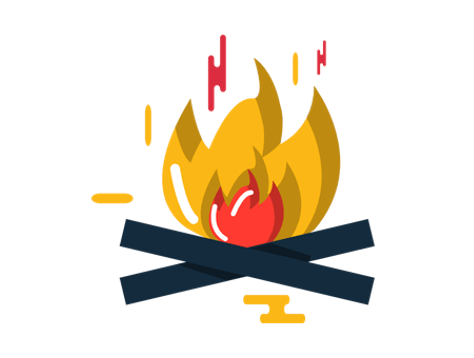
Heat and light
4
Look at the diet of the animal below. What kind of consumer is it?
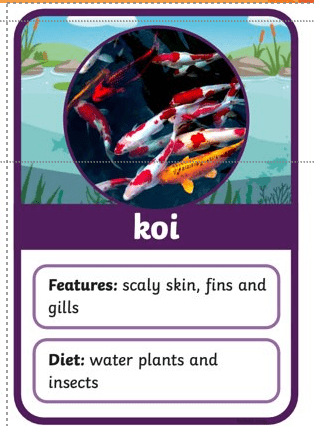
Omnivore. It eats plants and animals.
4
What is it called when a substance changes from a liquid to a solid? Give 2 names.
solidify or freeze
4
Name 4 signs that tell us that a chemical change has occurred. 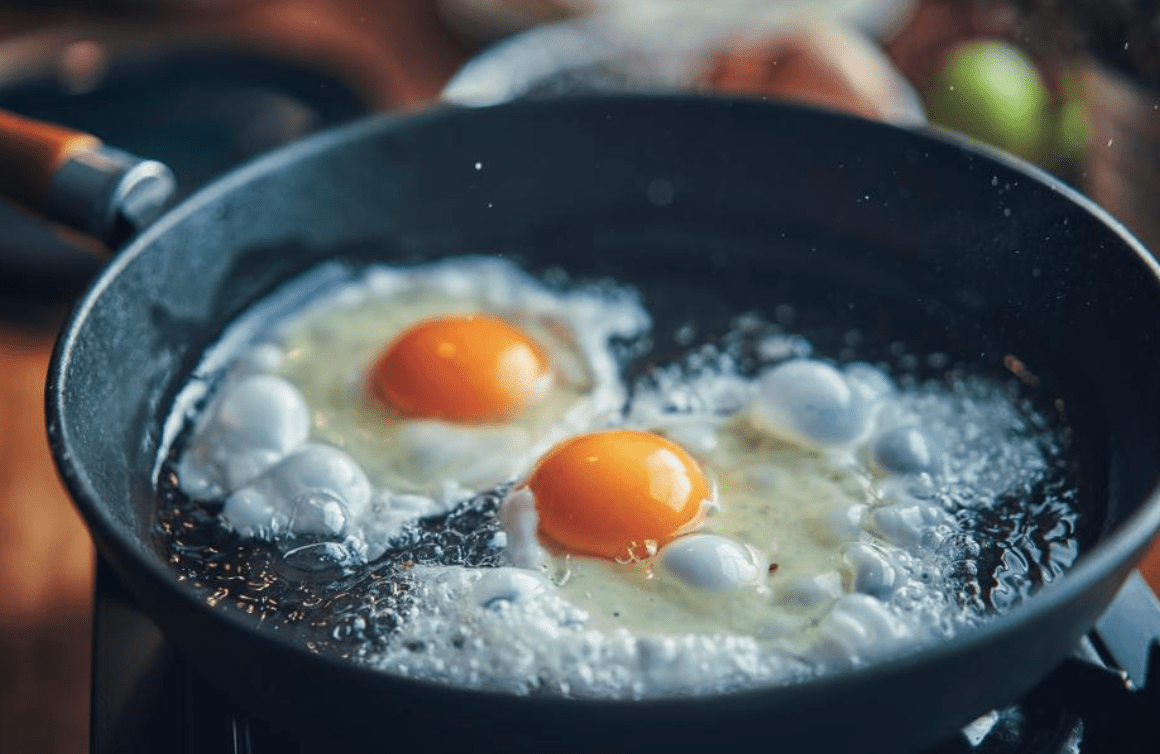
Change in color, smell, taste, taking in heat, sound
5
How many bones does the average adult human have?
206 bones.
5
Name an example of an animal that is invertebrate and has an exoskeleton
insects like ants, beetles, and butterflies.
5
Name 6 kinds of energy that were talked about during this unit.
Heat, light, sound, movement, electricity, magnetism, and chemical (food).
5
What do arrows in a food chain show?
They show how energy transfers through living things and which animals consume which.
5
What is it called when a gas changes into a liquid? Give an example of this happening.
Condensation.
Ex: Rain, liquid on the mirrors when you shower, liquid on the outside of your cup on a hot day.
5
What are two differences between a physical and chemical change?
A physical change can be undone. A chemical change can not be undone.
A physical change results in the same substance. A chemical change results in a new substance.