Airspace
Aerodynamics
Weather
Human Factors
Sectional Chart
100
Before Entering Class C Airspace, What Must The Pilot Establish?
Two-way radio communication with ATC (they must say your call sign).
100
What Is the Definition Of A Stall?
When an Aircraft’s Wing Exceeds Its Critical Angle of Attack, Causing the Smooth Airflow Over the Top Surface To Become Turbulent and Detach
100
What Is the Difference Between a METAR and TAF?
METAR: Observed Weather at the Field, Issued Hourly, Includes Wind, Visibility, Weather, Ceiling, Temperature/Dew Point, Altimeter Setting
TAF: Forecasted Weather Within 5 Mile Radius, Issued 4 Times Daily, Includes Wind, Visibility, and Sky Condition
100
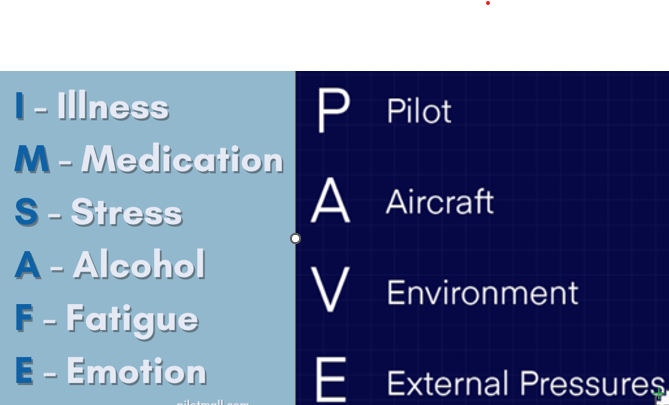
What 2 Checklist Acronym Can You Use to Help Evaluate if You and the Plane Are Fit to Fly?
\
\
\\\
\\
\
\
\
\
\
\
\
\
\
100
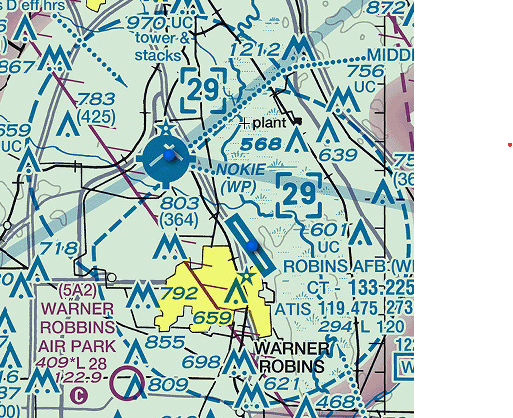
Looking at the Figure (KMAC), What Type of Airspace is This and What Altitude Does It End At?
BONUS QUESTION
What Does It Mean if There Was a Dash (-) Before the "29"?
\
\
\\
\
\\
\
\
\
Delta Airspace and 2900 MSL
BONUS ANSWER: The Ceiling Is Up To, But Not Including, That Altitude
200
What Equipment Is Required To Enter Class B And Class C Airspace?
Two-Way Radio, Mode C Transponder, Ads-B Out
200
During a Coordinated Turn, How Does Banking the Aircraft Affect the Vertical Component of Lift, and Which Component of Lift Increases as a Result?
As the Aircraft Banks in a Turn, the Vertical Component of Lift Decreases Because the Total Lift Vector Tilts Away From Vertical.
At the Same Time, the Horizontal Component of Lift Increases, and This Horizontal Component Provides the Centripetal Force That Turns the Airplane.
200
Stable vs Unstable Air?
What Kinds of Clouds, Precipitation, and Visibility Do You Get?
Stable Air: Stratiform Clouds, Steady Precipitation, Poor Visibility.
Unstable Air: Cumulus Clouds, Showery Precipitation, Good Visibility.
200
What is the Maximum Blood Alcohol Concentration (BAC) Allowed for Pilots Before They Are Legally Permitted to Fly?
How many hours must a pilot wait after consuming alcohol before flying?
0.04% BAC And It Means There is 0.04 Grams of Alcohol for Every 100 Milliliters of Blood in the Pilot's System.
8 Hours
200
What Does the Star Next to the Tower Frequency Mean? (120)
What Does the Asterisk Before "L" Mean?
What Does RP 9 Mean?
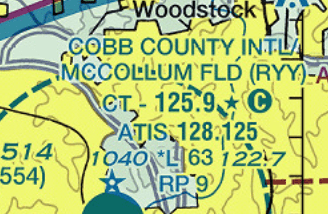
The Star Means Operation is Part Time. When the Tower is Closed, the Frequency May Become a Common Traffic Advisory Frequency (CTAF). See Chart Supplement for Exact Details.
The Asterisk Means Lighting Limitations Exist, Check Chart Supplement for Full Details.
RP 9 Means Runway 9 Is Right Traffic Pattern (Non-Standard)
300
What Is the Maximum Speed Allowed Below 10,000 Feet MSL?
250 KNOTS
300
Forward CG vs AFT CG(60)
(Stability, Stall + Recovery, Takeoff Performance, Climb Performace, Cruise Peformance)
Forward: More Stable, Higher Stall Speed, Easier Recovery, Longer Takeoff Roll, Reduced Climb Performance, Reduced Cruise Performance
AFT: Less Stable, Lower Stall Speed, Harder Recovery, Shorter Takeoff Roll, Improved Climb Performance, Better Cruise Performance
300
What Types of Structural Icing Can We Get and It's Characteristics? How Is It Formed?
Which Is More Dangerous?
Rime: Small "Supercooled" Droplets That Freeze Instantly Upon Impact. Droplets Do Not Spread Which Traps the Air Between Them to Create the Milky, Opaque Texture.
Clear: Large Water Droplets Freeze Slowly on a Surface. These Droplets Spread Out, Creating a Smooth, Transparent, and Dense Ice Layer.
Mixed: Combination Of Both
Clear Icing Is More Dangerous Because Large Supercooled Droplets Spread Before Freezing, Forming a Heavy, Smooth Layer That Significantly Distorts the Airfoil Shape and Is Difficult to Remove.
300
If You or a Passenger Goes Scuba Diving, How Long Do You Have to Wait Before Flying?
12 Hours: Non-Decompression Diving Up to 8000 Feet MSL
24 Hours: Decompression Stops OR Flying Above 8000 Feet MSL
300
Why Do Some Airports Have an Extended Magenta Dashed Area?
What Airspace is That Specific Area and Where Does It Start?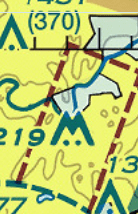
\
\
\\
\
\\
\
\
\
It Protects IFR Aircraft Flying Instrument Approaches Into the Airport.
Class E Airspace And It Begins At The Surface In That Area.
400
When Operating in Class D Airspace, When Is a Mode C Transponder Required?
Only if Inside a Mode C Veil / Within 30 Nm of a Class B Primary Airport (Otherwise Not Required For Class D).
400
What Are the Four Left-Turning Tendencies and Explain Each One
- Torque Effect (Newton's Third Law): As the propeller rotates clockwise (viewed from the cockpit), the engine exerts an equal and opposite counter-clockwise force, causing the aircraft to roll to the left.
- Spiraling Slipstream: The propeller wash spirals around the fuselage, hitting the left side of the vertical stabilizer/rudder, which pushes the tail right and the nose left.
- P-Factor (Asymmetric Thrust): At high angles of attack (e.g., takeoff), the descending propeller blade (right side) produces more thrust than the ascending blade (left side), yawing the aircraft to the left.
- Gyroscopic Precession: A force applied to a spinning disc (propeller) is manifested 90° ahead in the direction of rotation. Raising the tail on takeoff acts as a force on top of the prop, causing a yawing motion to the left
400
AIRMET, SIGMET, CONVECTIVE SIGMET
Differences? Valid For How Long? Conditions?
Airmet- Valid for 6 Hours | 3 Types: Sierra- IFR or Mountain Obscuration, Tango- Moderate Turbulence, Winds 30+ Knots, Low-Level Wind Shear, Zulu- Moderate Icing and Freezing levels. Valid for 6 Hours.
Sigmet- Valid for 4 Hours | Severe Icing, Severe or Extreme Turbulence, Dust Storms, Sandstorms Lowering Visibility Below 3 Miles, and Volcanic Ash
Convective Sigmet- Valid for 2 Hours Severe Thunderstorms, Tornadoes, Embedded Thunderstorms, Lines of Thunderstorms, and Heavy Precipiation
400
What is Hypoxia?
What Are the 4 Different Types?
Hypoxia- A Lack of Oxygen To The Body
4 Types:
Hypoxic- Caused by Insufficient Oxygen in the Air (Most Common at Altitude)
Hypemic– Blood Cannot Carry Enough Oxygen (E.g., Carbon Monoxide Poisoning)
Stagnant– Poor Blood Circulation (High G-forces, Shock)
Histotoxic– Cells Cannot Use Oxygen Properly (Alcohol or Drugs)
400
1. What Does This Airport Mean?
2. What Does This Airport Mean and Can You Land Here?
3. What is This Called and How Can We Use It?
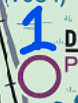

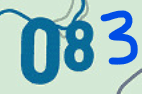
1. Other Than Hard Surface Runways (Ex. Grass or Dirt)
2. Restricted or Private Airport, Can Only Be Used During Emergency or Prior Permission.
3. Maximum Elevation Figure (Mef) Indicates the Highest Elevation of Terrain and Obstacles in an Area. It Allows Pilots to Find the Minimum Safe Altitude to Avoid Obstacles.
500
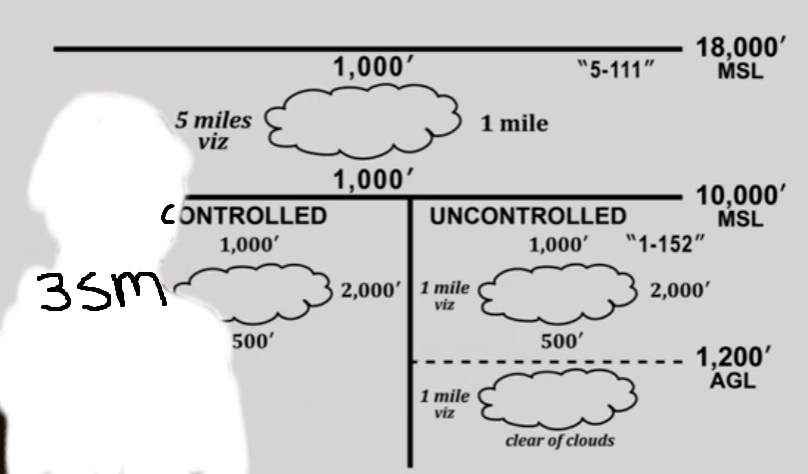
What Are The VFR Weather Minimums For All Airspace (A, B, C, D, E, G) For Both Day And Night?
Class A: NO VFR MINIMUMS
Class B: 3SM and Clear Of Clouds
500
Explain the Different Types of Drag and Explain:
(Hint) - Parasite Has 3 Different Types.
- Parasite Drag: Created by all components of the aircraft moving through the air. It is not related to lift production and increases with the square of the airspeed.
- Skin Friction Drag: Caused by the air molecules rubbing against the skin of the aircraft.
- Form Drag: Produced by the shape and cross-sectional area of the aircraft.
- Interference Drag: Caused by the mixing of airflows from different parts of the aircraft, such as the wing and fuselage joining.
- Induced Drag: A byproduct of lift. As wings produce lift, high-pressure air beneath the wing escapes to the low-pressure air on top, creating vortices at the wingtips. It is highest at low speeds and decreases as speed increases.
500
On a Prog Chart, what are these called? What weather can be expected from it?
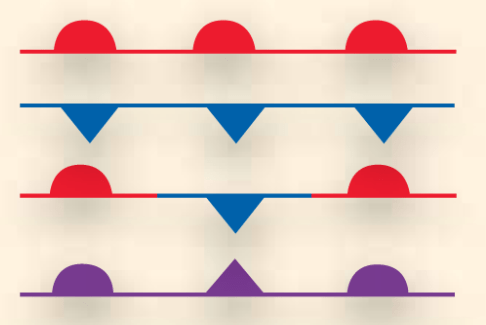
PowerPoint Slideshow: https://mymga-my.sharepoint.com/:p:/g/personal/ahad_momin_mga_edu/IQDOrIqwevkuQaSoirLT9r6oAYHn0UgtHLyx9ueXIcD-MTc
You have to login using your MGA email to view.
500
What Are the 8 Types of Illusions?
(Hint) There is an Acronym for it.
ICEFLAGS
Inversion: When a Quick Transition From a Climb to Straight and Level, Making Them Feel Like They're Tumbling Backwards. The Pilot May Pitch Down Even Further as a Result.
Coriolis: Sudden Head Movement While in a Turn, It Can Make You Feel Like You're Turning/tumbling in All Different Directions
Elevator: Sudden Updraft Makes You Think You Are in a Climb, Which Prompts You to Push the Nose Down.
False Horizon: Misinterpreting Sloping Clouds or Lights as the Horizon and Referencing That While You Fly.
Leans: You Don't Realize You're in a Turn and When You Level Out, It Feels Like You're in a Turn in the Opposite Direction.
Autokinesis: You're Flying at Night and See a Stationary Light in the Distance Starting to Move.
Graveyard Spiral: Leans + Trying to Hold Altitude and Tightening the Turn. Greatest Danger to Pilots.
Somatogravic: Rapid Acceleration Makes You Think You Are in a Climb and Rapid Deceleration Makes You Think You Are in a Descent.
\
\\
\
\
\
\
\
\
\\\\
500
Playing Rocket Ship, Starting at the Red Dot and Going Straight Up, What Airspace Are You in Going Up to 60,000 Feet MSL.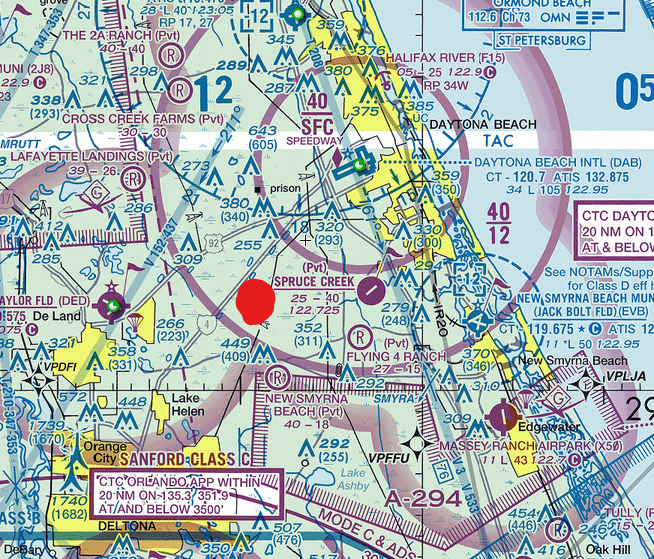
From the Surface to 699 Feet - Class Gulf Airspace
From 700 Feet to 1,199 Feet - Class Echo Airspace
From 1,200 Feet to 4,000 Feet - Class Charlie Airspace
From 4,001 Feet to 17,999 Feet - Class Echo Airspace
From FL180 to FL600 - Class Alpha Airspace