DNA Structure and Replication
Transcription and Translation, Mutations
Eukaryotic vs. Prokaryotic Gene Expression
Biotech and Viruses
Potpourri (All Units)
100
Differences between DNA and RNA (all - I'm thinking of 3)
1. deoxyribose vs. ribose sugar
2. double vs. single stranded (USUALLY)
3. thymine vs. uracil
100
Start codon and stop codons
AUG; UAA, UGA, UAG
100
Where transcription and translation happen in eukaryotic cells vs prokaryotic cells
Eukaryotic: transcription in nucleus; translation in cytoplasm or rough ER ribosomes
Prokaryotic: cytoplasm
100
Circular chromosomes found in prokaryotic cells - and what genes they often carry
plasmids - genes for antibiotic resistance
100
Types of symbiotic relationships
mutualistic, parasitic, commensalistic
200
Enzyme responsible for adding short segments of RNA during DNA replication that allow DNA polymerase to bind - and what those short segments are called
RNA primase, primers
200
Parts of the transcription initiation complex
promoter (TATA box), transcription factors, RNA polymerase
200
Post-transcriptional modifications; and - what is expressed?
1. 5' G cap
2. 3' poly A tail
3. alternative mRNA splicing (exons are expressed)
200
Virus type that can convert its RNA genome into DNA, and the name of the process
Retrovirus, reverse transcription
200
Which plate has only amp-resistant bacteria?
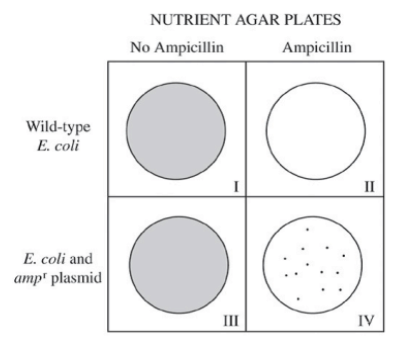
IV
300
Nitrogenous base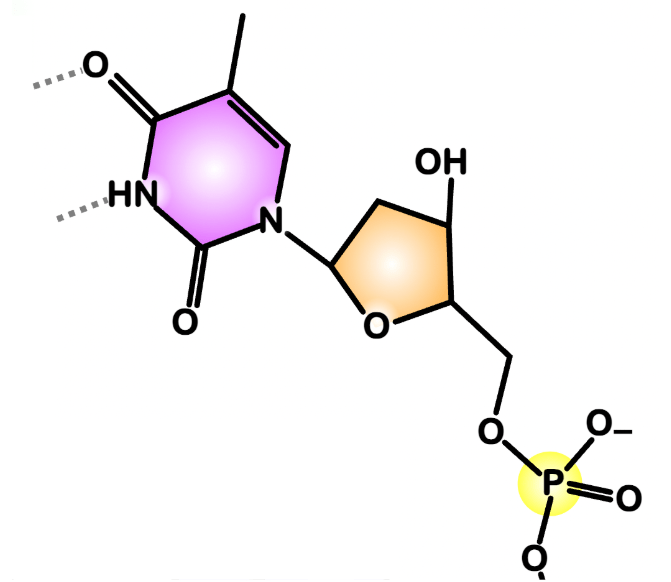
Thymine
300
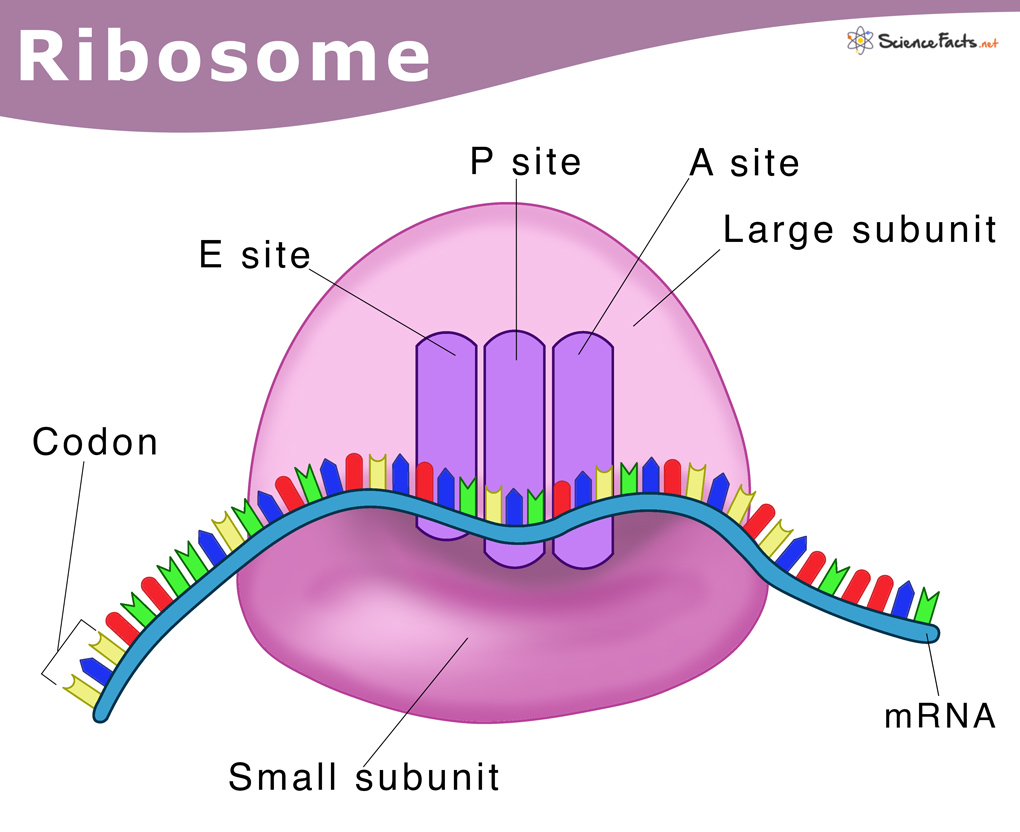
Components of ribosome and what sites it has
rRNA and protein (RIBOSOMES ARE NOT ORGANELLES)
300
DNA modifications that happen in only eukaryotic cells for differential gene expression - brief description of each
Histone modifications:
1. acetylation: opens DNA
2. methylation: closes or opens DNA
DNA methylation can occur in proks or euks
300
Process + enzymes we would use to get bacteria to express a protein of our choice
Bacterial transformation, restriction enzymes + ligase
300
Most direct effect if the inner mitochondrial membrane becomes overly permeable
H+ gradient won't be able to be established -> less diffusion through ATP synthase -> less ATP synthesized
400
Enzyme responsible for building complementary DNA sequence on the 3' end - and what bonds/interactions it forms
DNA polymerase (III) forms phosphodiester bonds to make phosphate-sugar backbone, and hydrogen bonds to bp
400
Types of mutations - and, which can lead to silent mutations and what phenomenon allows this to occur
1. Point/substitution mutations
2. Frameshift mutations (insertion/deletion)
Point -> silent mutations usually on the 3rd base in a codon because of wobble base pairing
400
A repressible operon is typically [ON/OFF] because the __________ is typically NOT ATTACHED to the __________.
ON; repressor, operator
400
Draw a gel that shows how these fragments would separate: 400bp, 100bp, 350bp, 100bp, 20bp. Show + and - ends
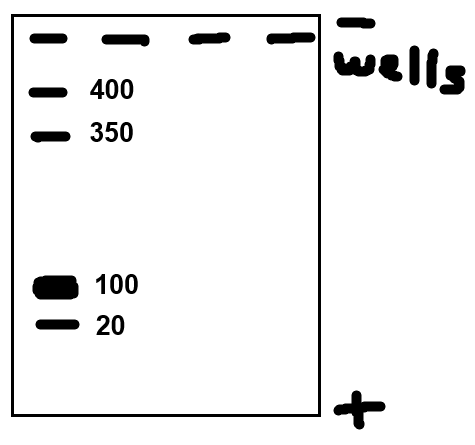
400
Most likely mode of inheritance
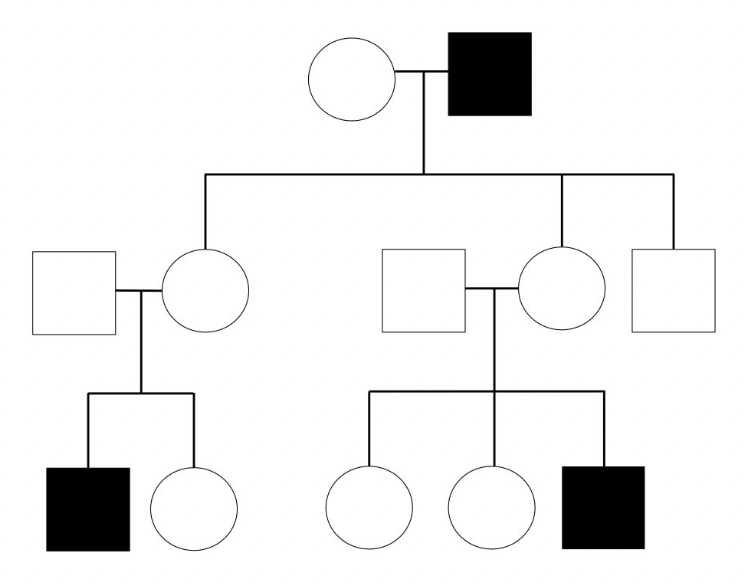
X-linked recessive
500
Fill in the leading and lagging strands (with Okazaki fragments).
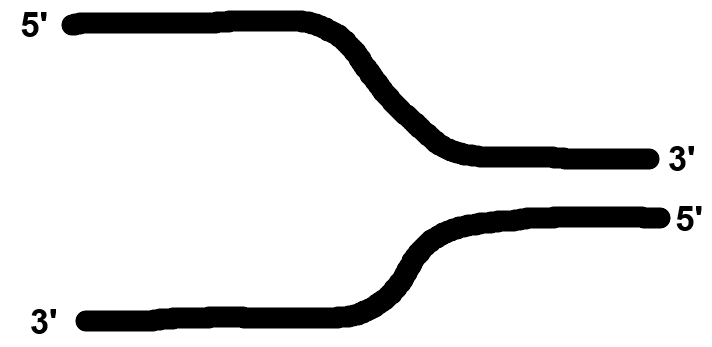
Top - lagging
Bottom - leading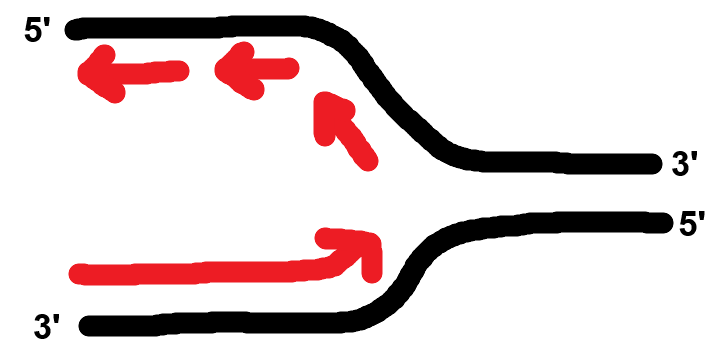
500
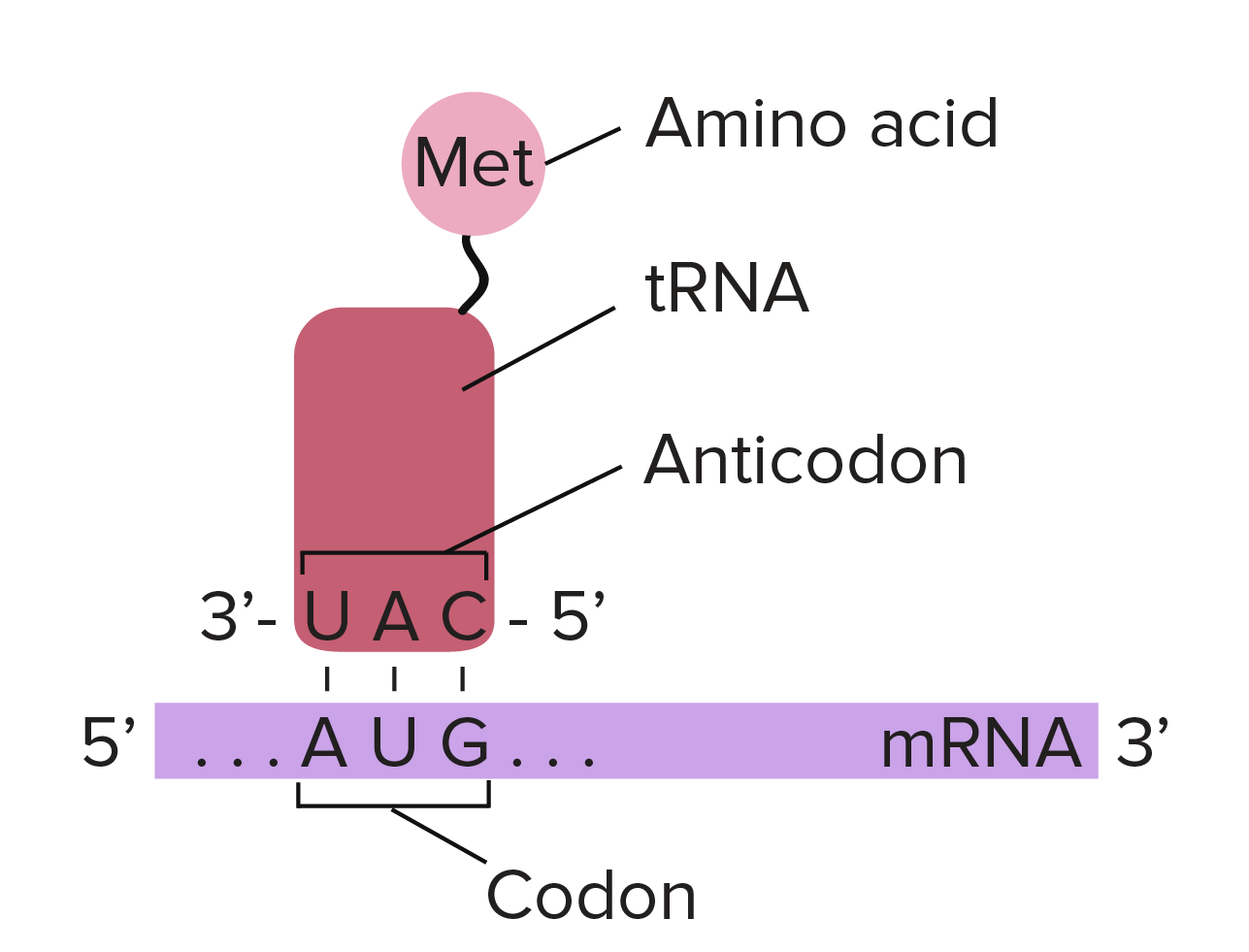
Molecule that brings amino acid to build a growing protein chain, the name of the portion of said molecule that is able to bind to and "read" mRNA, the bond it helps make using which reaction?
tRNA; anticodon; peptide bond using dehydration synthesis
500
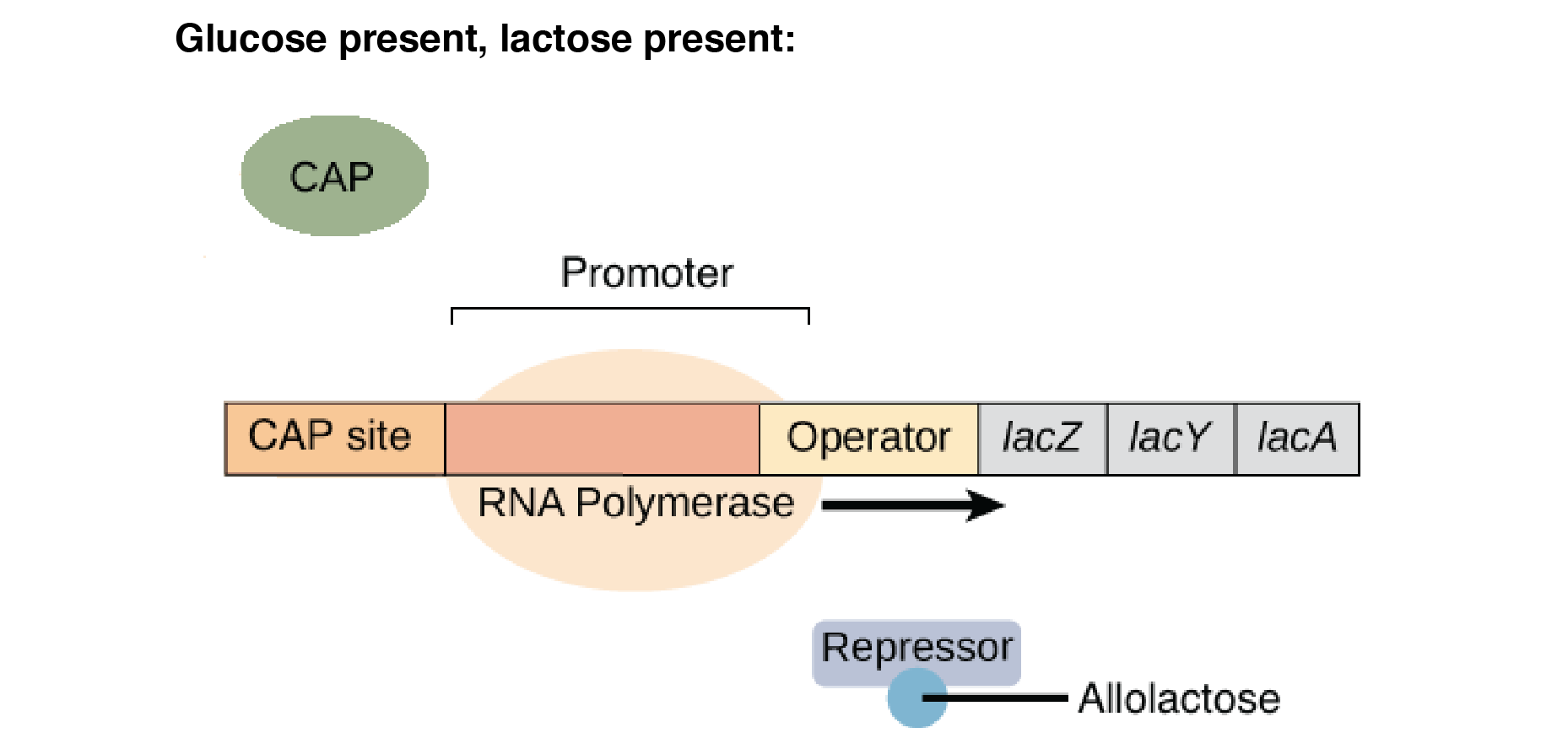
Draw: lac operon, high allolactose, high glucose
500
LOL sorry the image is crispy i found this on chegg
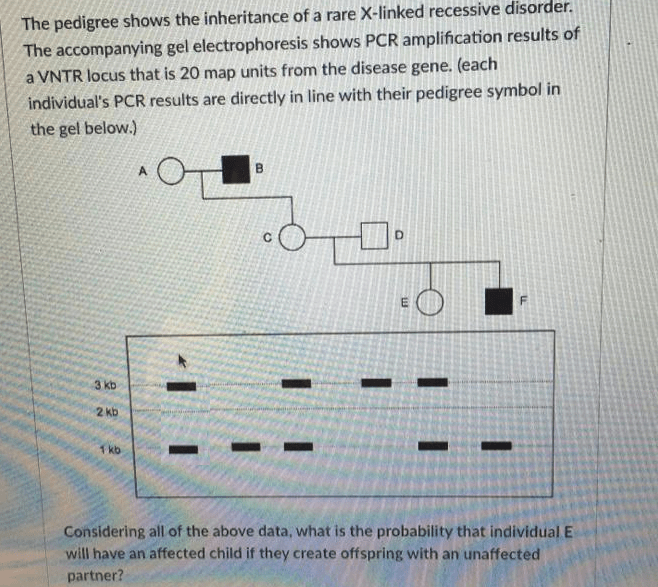
Assume unaffected partner is not a carrier. Also - what allele is at 3kb? What about 1kb? (also think: why aren't the bands thicker?)
25%
XA (dominant) at 3kb, Xa (recessive) at 1kb
500
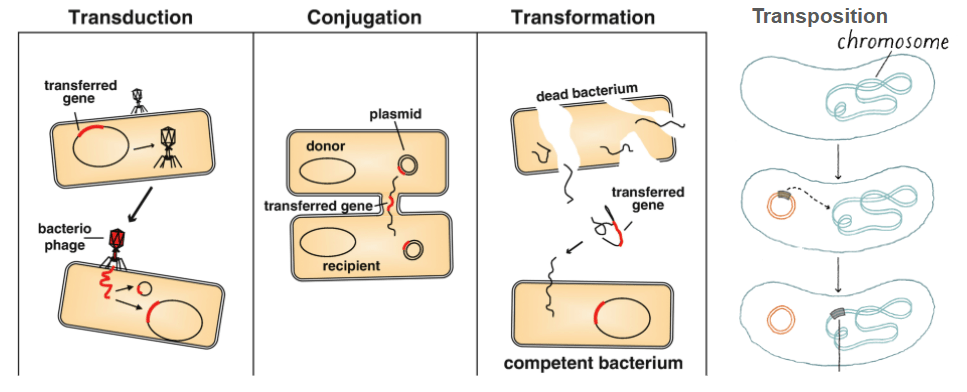
Types of horizontal gene transfer