Infectious Diseases
Tools
Basic Biology
Anatomy
Prevention
100
Most people infected with the virus, most potent in the recent global pandemic, will experience mild to moderate respiratory illness and recover without requiring special treatment
What is COVID-19?
100
Use this to compare two or more groups of Samples in order to identify genes that are differentially expressed across experimental conditions.
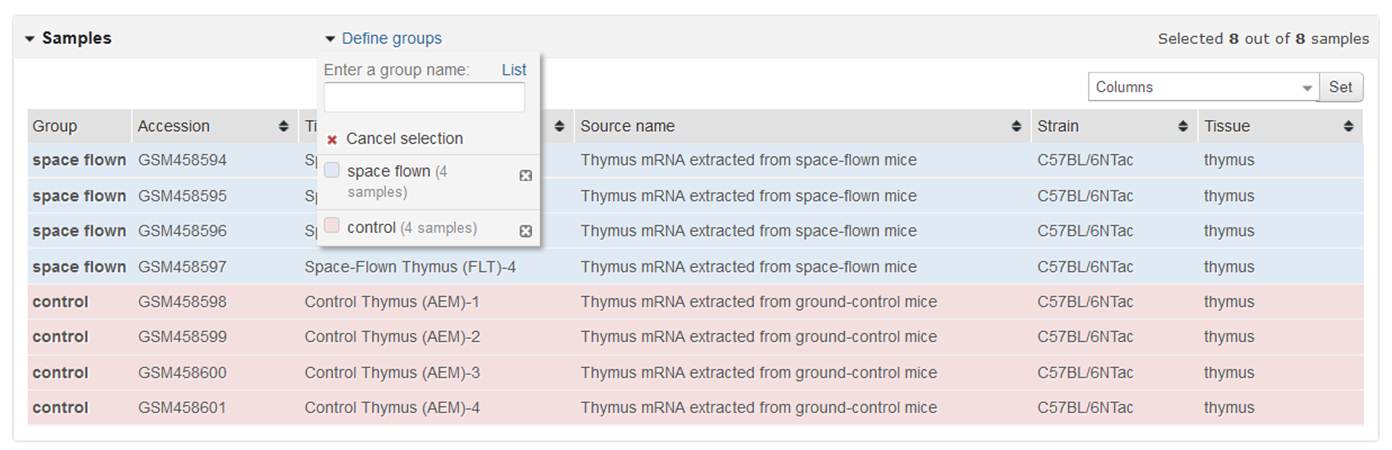
What is GEO2r?
100
The study of heredity, focusing on DNA (deoxyribonucleic acid) and genes, which pass traits from parents to offspring.
What is heredity?
100
Largest organ of human body
What is skin?
100
The best way to prevent disease spreading and germs?
What is handwashing?
200
This causes gastrointestinal illness in humans and animals. It is primarily transmitted through the consumption of contaminated food (eggs, meat, poultry, produce) or water, as well as direct contact with infected people or animals.
What is Salmonella?
200
a database of known and predicted protein-protein interactions.
What is STRING-db?
200
a theory stating that genetic information flows only in one direction, from DNA, to RNA, to protein, or RNA directly to protein.
What is central dogma?
200
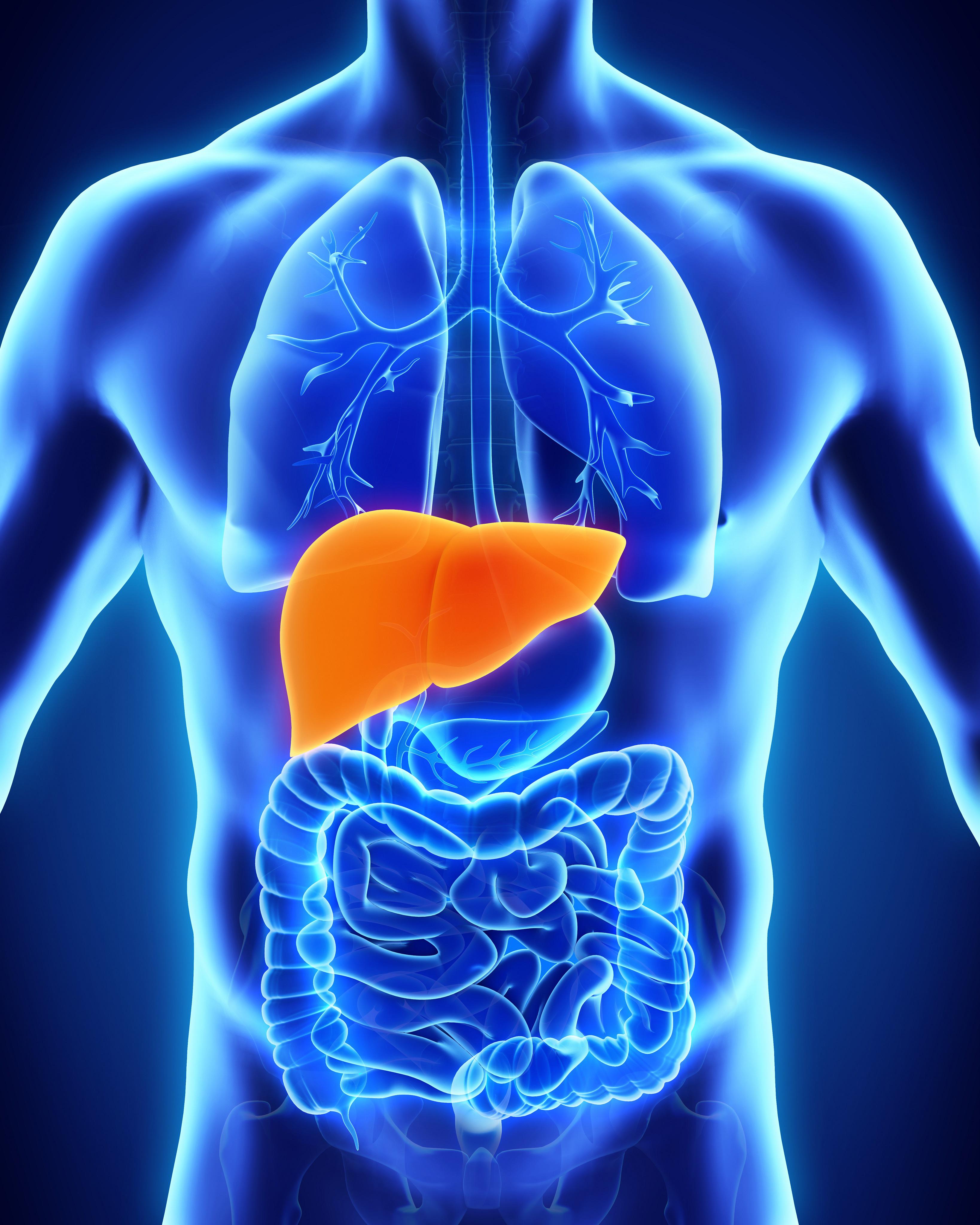
What is liver?
200
a public health strategy that separates and restricts the movement of people, animals, or goods that have been exposed to a contagious disease to determine if they become sick.
What is quarantine?
300
This acute, highly contagious, respiratory disease is characterized by a high fever, cough, and a distinctive rash.
What is Measles?
300
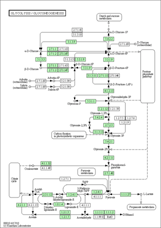
a collection of manually drawn pathway maps representing our knowledge of the molecular interaction, reaction and relationships.
What is KEGG Pathways?
300
a single-stranded nucleic acid essential for life, acting as a messenger between DNA and ribosomes to direct protein synthesis.
What is RNA?
300
the central information highway of the nervous system, transmitting signals between the brain and the rest of the body to control movement, relay sensory information (like touch, pain, temperature), and manage automatic bodily functions (like heart rate, breathing).
What is spinal cord?
300
illnesses caused by harmful pathogenic microorganisms—including bacteria, viruses, fungi, and parasites—that enter the body, multiply, and can cause infections.
What is infectious diseases?
400
A disease caused by bacteria that most often affects the lungs spreading through the air. Without treatment, it can be fatal, but it's curable with several months of specific antibiotics, requiring strict adherence to medication to kill the strong bacteria.
What is Tuberculosis?
400
a searchable, integrative database that provides comprehensive, user-friendly information on all annotated and predicted human genes.
What is genecards?
400
a permanent, random alteration in the DNA sequence (or RNA in some viruses) of an organism, affecting the nucleotide order.
What is mutation?
400
tubelike structures responsible for transporting fluid (i.e., blood for the circulatory system and lymph for the lymphatic system) to and from every organ in the body.
What is arteries?
400
the science of how the body consumes, breaks down, and uses food substances (nutrients) for growth, repair, and energy.
What is nutrition?
500
This is caused by Borrelia burgdorferi bacteria, but it is not contagious and cannot be spread from person to person through coughing, sneezing, kissing, or sexual contact. It is primarily transmitted to humans through the bite of an infected blacklegged tick.
What is Lyme Disease?
500
It helps researchers understand gene structure, regulatory elements, and disease-associated variations by providing a graphical, interactive display and a gateway to download detailed data, making it essential for exploring the genomes of many species.

What is UCSC Genome Browser?
500
a non-coding nucleotide sequence within a gene that is transcribed into pre-mRNA but removed (spliced out) during RNA processing
What is intron?
500
a large gland in the back of your belly. It releases enzymes to help with digestion and hormones to regulate blood sugar.
What is pancreas?
500
a network of school clubs which works to fulfill miRcore’s outreach to connect the general public with researchers/scientists. GIDAS members study and advocate the importance of genes in health and personalized medicine.
What is GiDAS?