Plants
Animals
Conservation
Ecosystem
Weather and clouds
100
Which part of the plant is responsible for absorbing water and minerals from the soil?
Root
100
True or false: all amphibians lay their eggs on dry land

False
100
Which of the following represents the three R's
(a) Reduce, Reuse, Recycle
(b) Reduce, Remove, Recycle
(c) Recycle, Reuse, Redo
(a) Reduce, Reuse, Recycle
100
What is the name given to the diagram shown below?
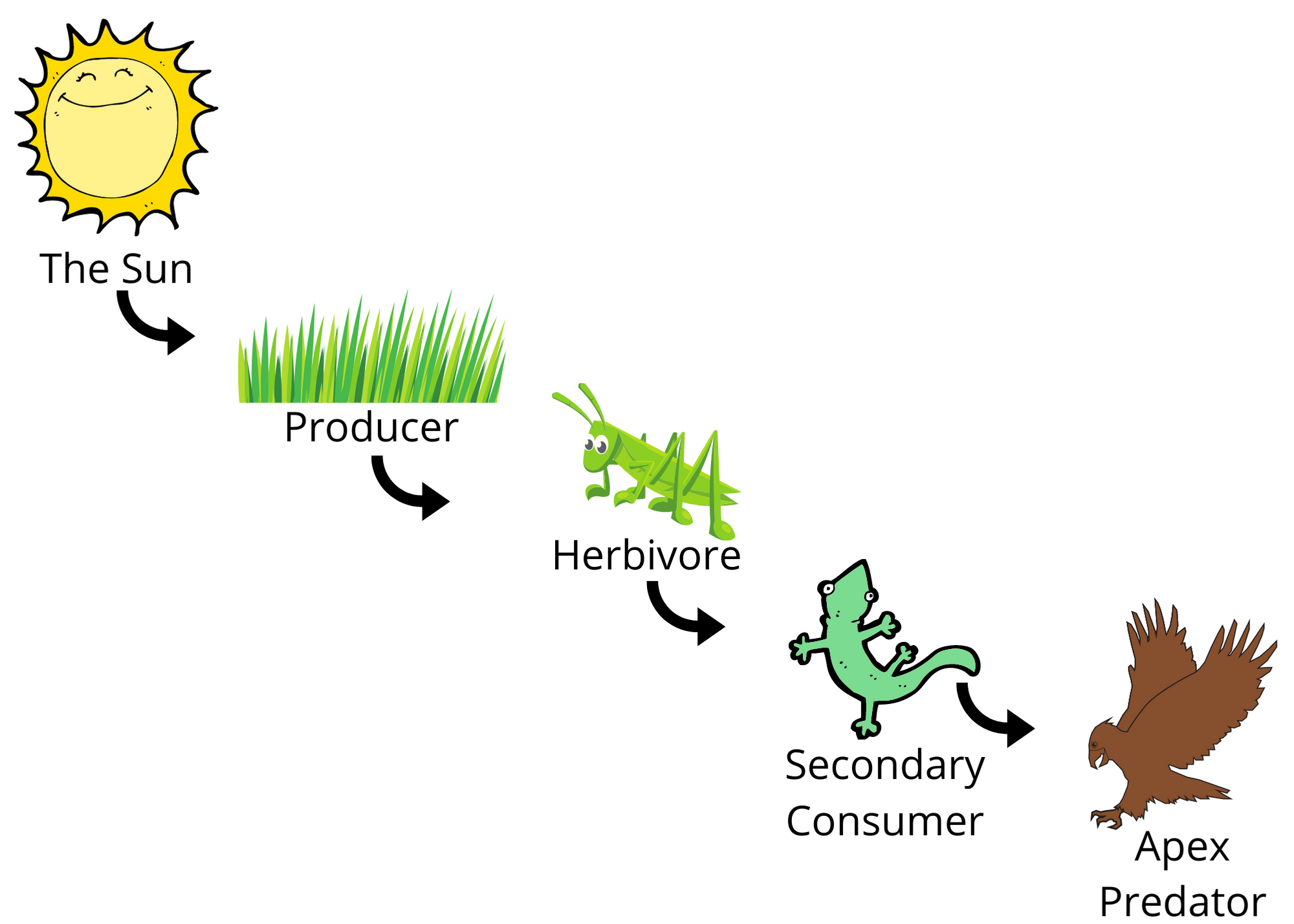
(a) food web (b) food chain (c) life cycle
Food chain
100
What is the first layer of the atmosphere?
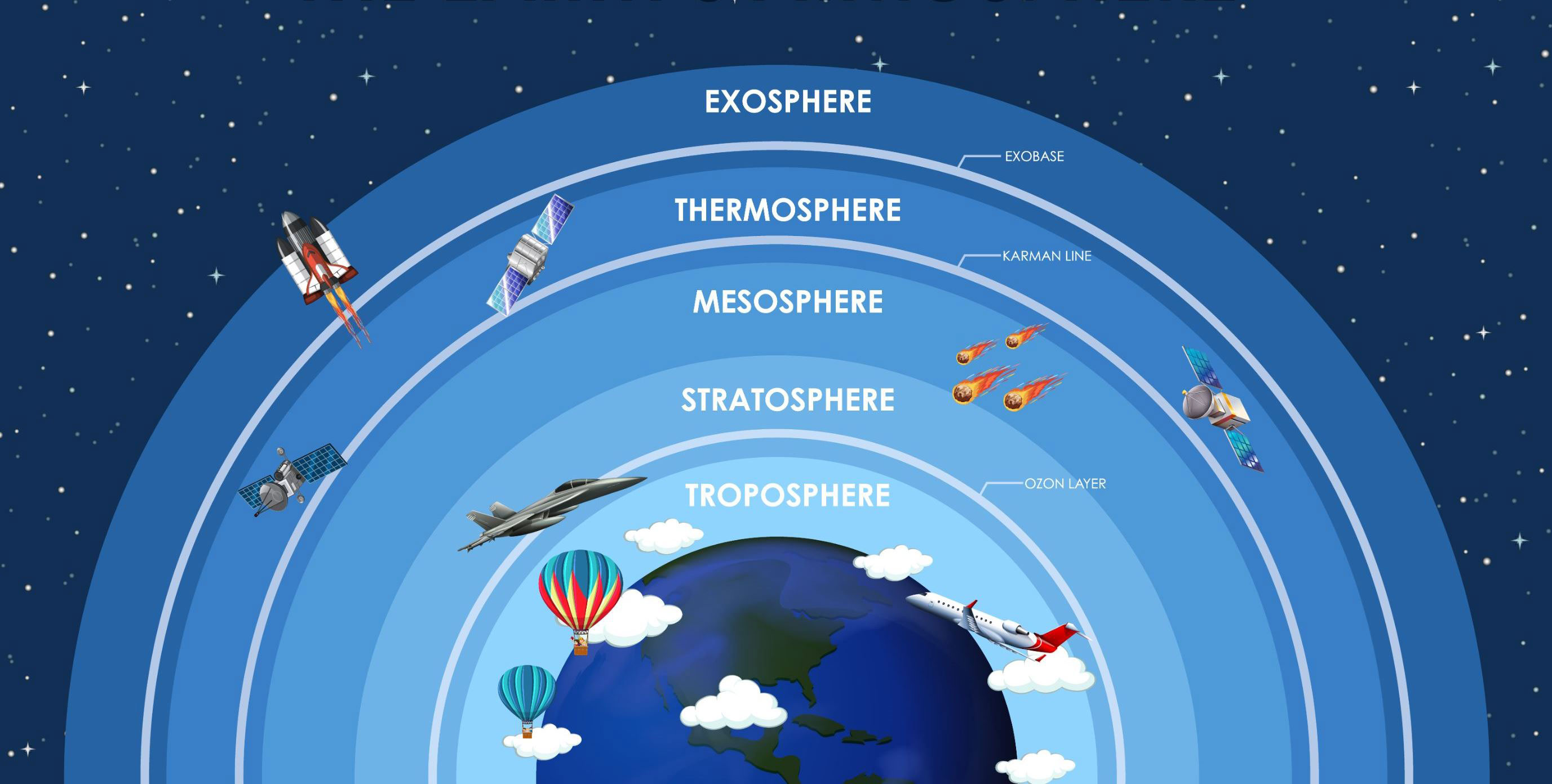
(a) exosphere (b) thermosphere (c) troposphere
troposphere
200
True or false: Chlorophyll is the green substance in leaves that captures sunlight so plants can make their own food.
True
200
Which class of vertebrates do turtles belong to reptiles, amphibians, or fish?
Reptiles
200
Which human activity is the LEADING cause of habitat destruction worldwide?
(a) Tourism
(b) deforestation and agriculture
(c) fishing
(b) deforestation and agriculture
200
What would happen to the snakes if the hawk (bird) died out?

the snakes will increase in number.
200
What is the layer that protects the earth from harmful sun rays?
(a)ozone layer
(b) moon layer
(c) sun layer
ozone layer
300
Seed-bearing plants are called ______ plants
(a)flowering
(b) non-flowering
(c) tap rooted
(a)flowering
300
Name one feature of a mammal.

Warm-blooded
suckle their young
have hair or fur
live bearing
breathe through their lungs
300
What is being shown in the picture below?
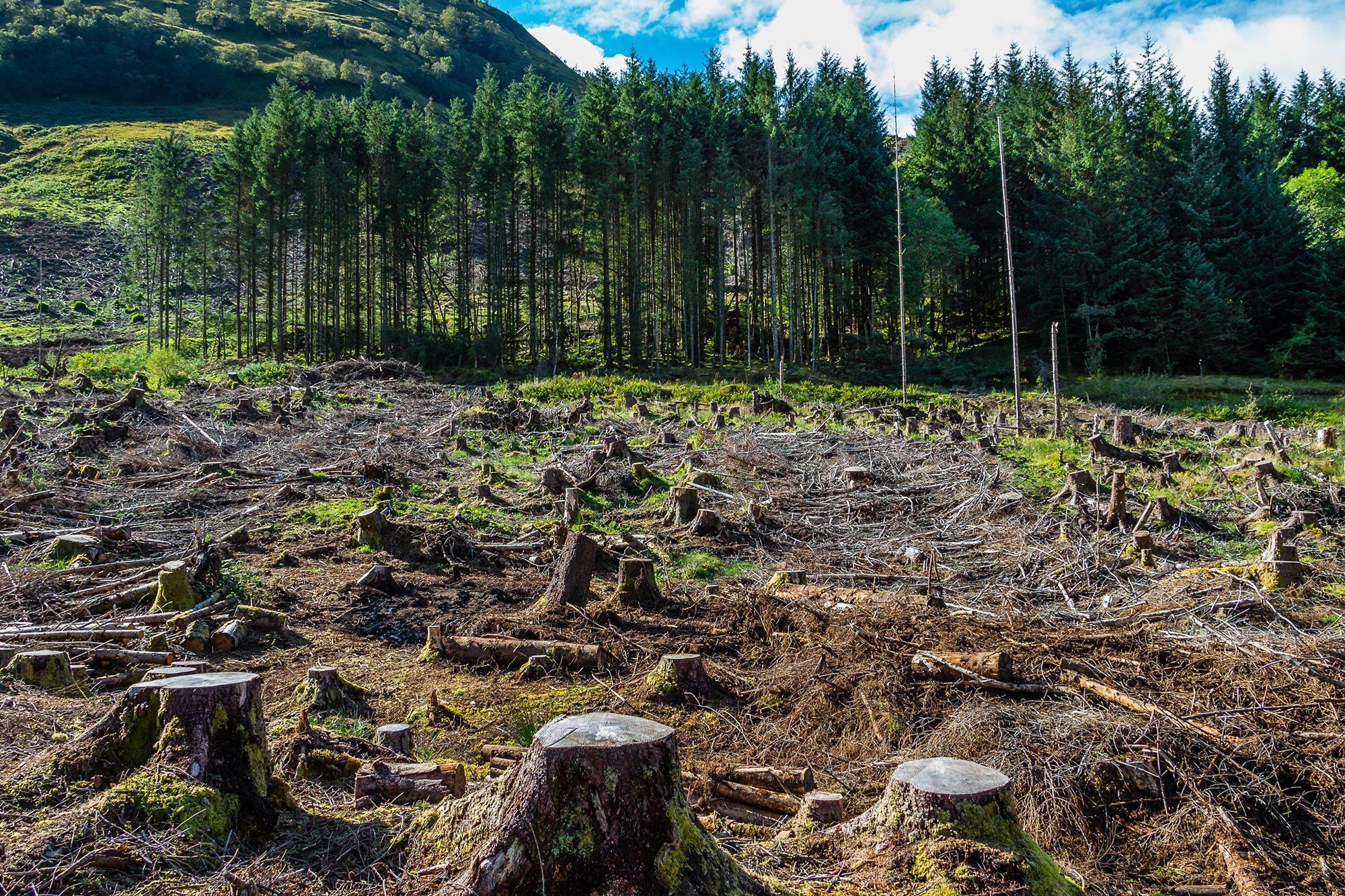
(a) forest fire
(b) deforestation
(c) chemical pollution
(b) deforestation
300
Use the diagram below to identify one example of an omnivore.
bird
300
True or false: the atmosphere is a blanket that surrounds the sun.
False
400
What is the process by which plants make their own food using sunlight?
Photosynthesis
400
A snake, lizard, crocodile and turtle all belong to which class of animals?
(a) mammals
(b) amphibians
(c) reptiles
reptiles
400
Endangered species are those species that ..........
Endangered species are animals or plants that are in danger of becoming extinct.
400
How many food chains are in the food web below?
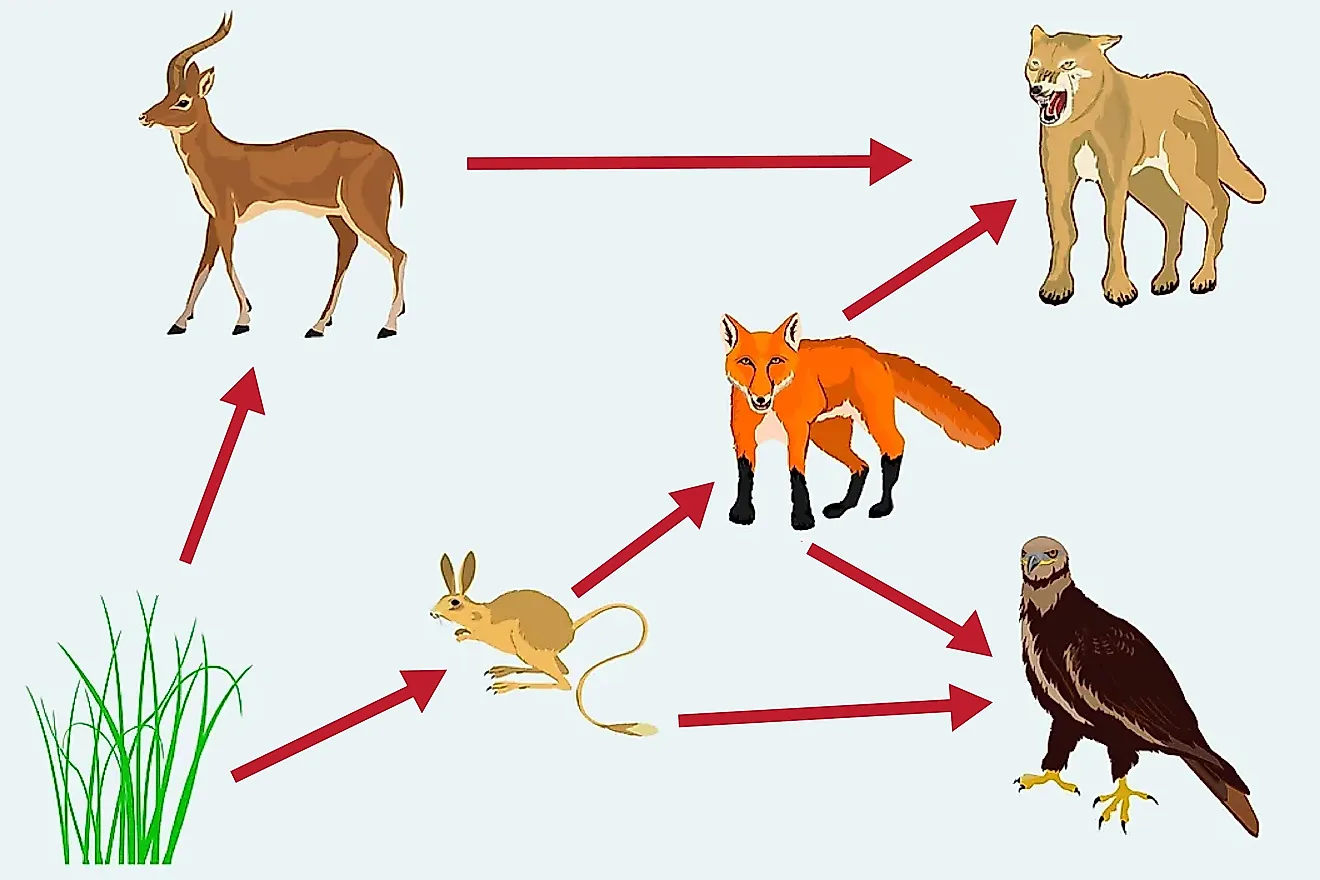
4
400
What is the name of the instrument below?
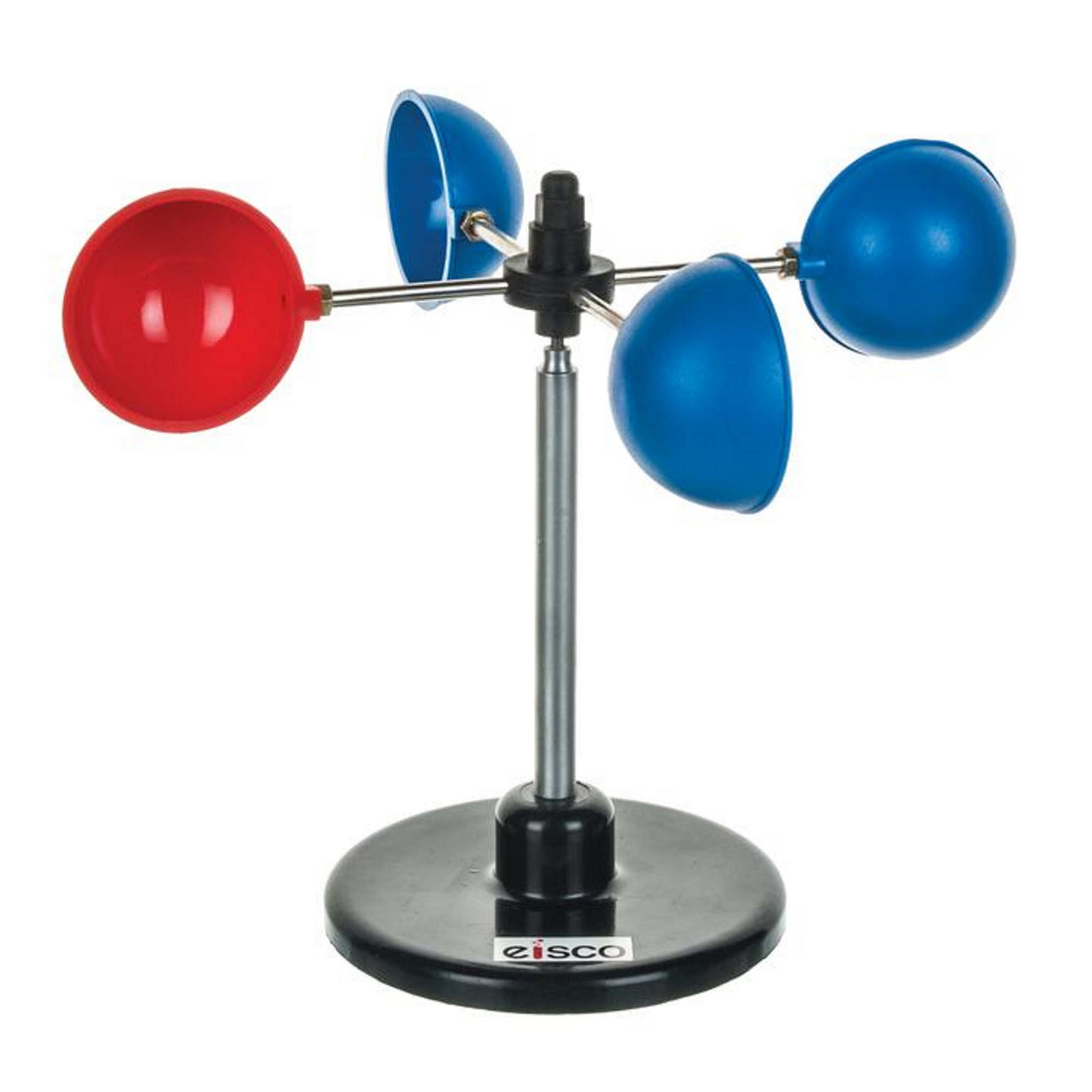
Anemometer
500
How are monocots different from dicots?

Monocots have one seed leaf and parallel leaf veins. Dicots have two seed leaves and branching or networking veins.
500
Name the five (5) classes of vertebrates.
Mammals, amphibians, reptiles, birds and fishes
500
State one reason why conservation is very important for the entire planet.
Conservation is important because it helps protect natural resources so that plants, animals, and humans can continue to survive in the future.
500
Explain why a frog is considered a secondary consumer in a food web.
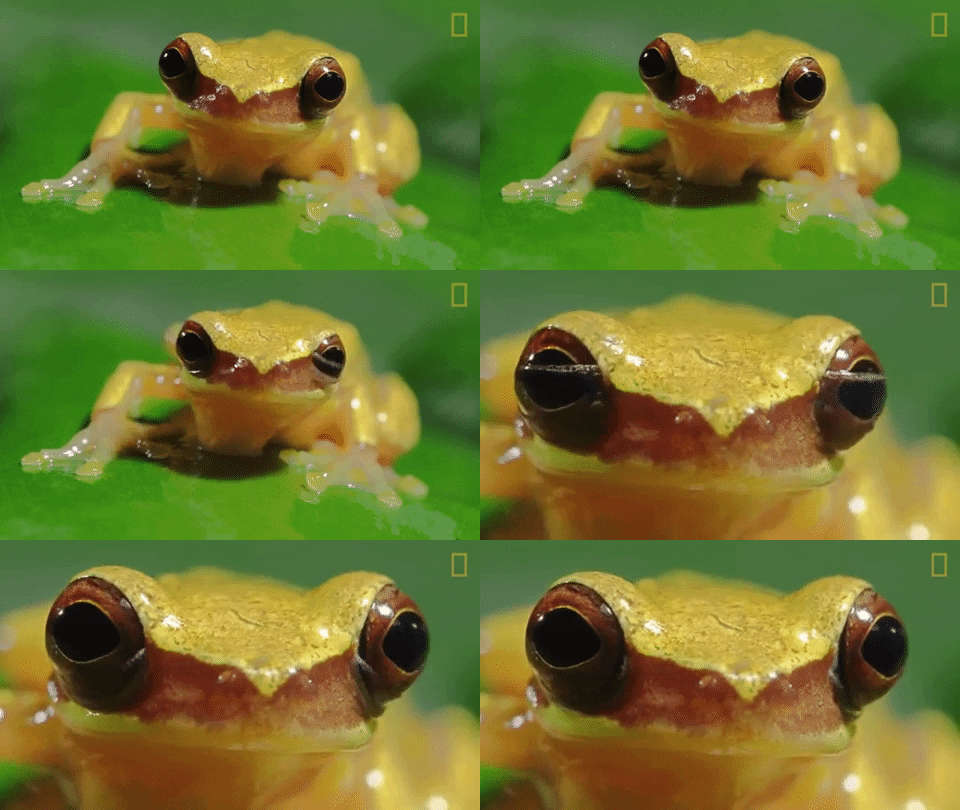
A frog is a secondary consumer because it eats insects and other small animals that feed on plants. It does not eat plants directly. Since it feeds on primary consumers, it is placed at the third level of the food chain.
500
Explain the process of the water cycle
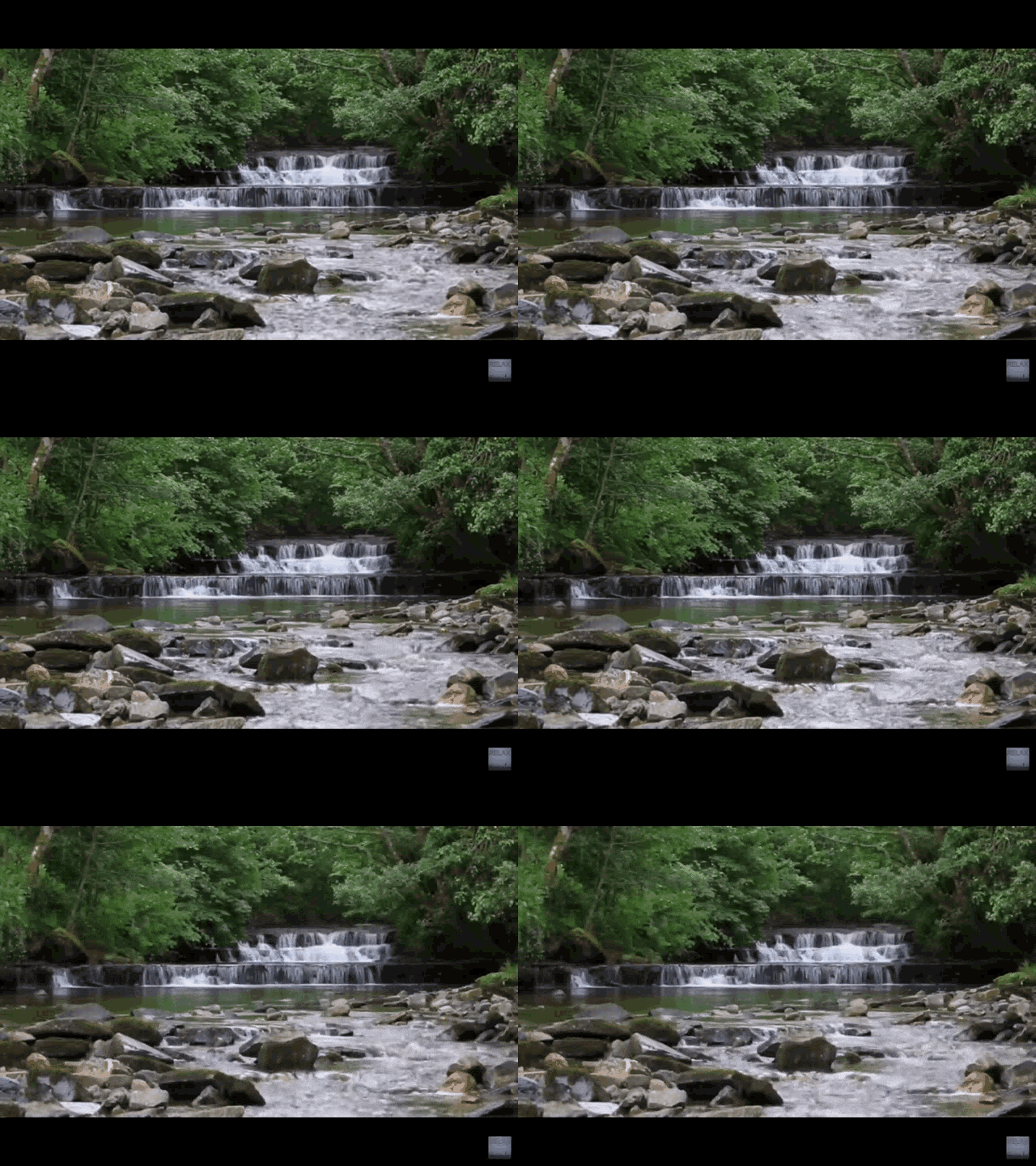
Water from oceans, rivers, and lakes evaporates due to heat from the sun, turning into water vapour that rises into the atmosphere. As it rises, it cools and condenses around tiny dust particles to form clouds. When enough water droplets collect, precipitation occurs — falling as rain or snow. The water then flows back into rivers, lakes, and oceans through runoff, and the cycle begins again