Renaissance Review
Oceanic Overviews
All About the Ottomans
Meet the Ming & Qing
Moving onto the Mughals
Introducing the Imperials
Transatlantic Slave Trade
100
The Renaissance made a shift towards this belief, which meant that human potential and achievement were the most important.
Humanism
100
This is a method of taking the 3D globe and showing it on a 2D surface
Map projection
100
This Ottoman emperor was famed for leading the assault on Constantinople in 1453 CE.
Mehmet II
100
Originally, the Ming Dynasty had a large fleet of ships and navy, making them this type of power.
Maritime
100
India is known as this type of landmass, separated by mountains and other geographical features.
subcontinent
100
The map below explains this agreement's borders. 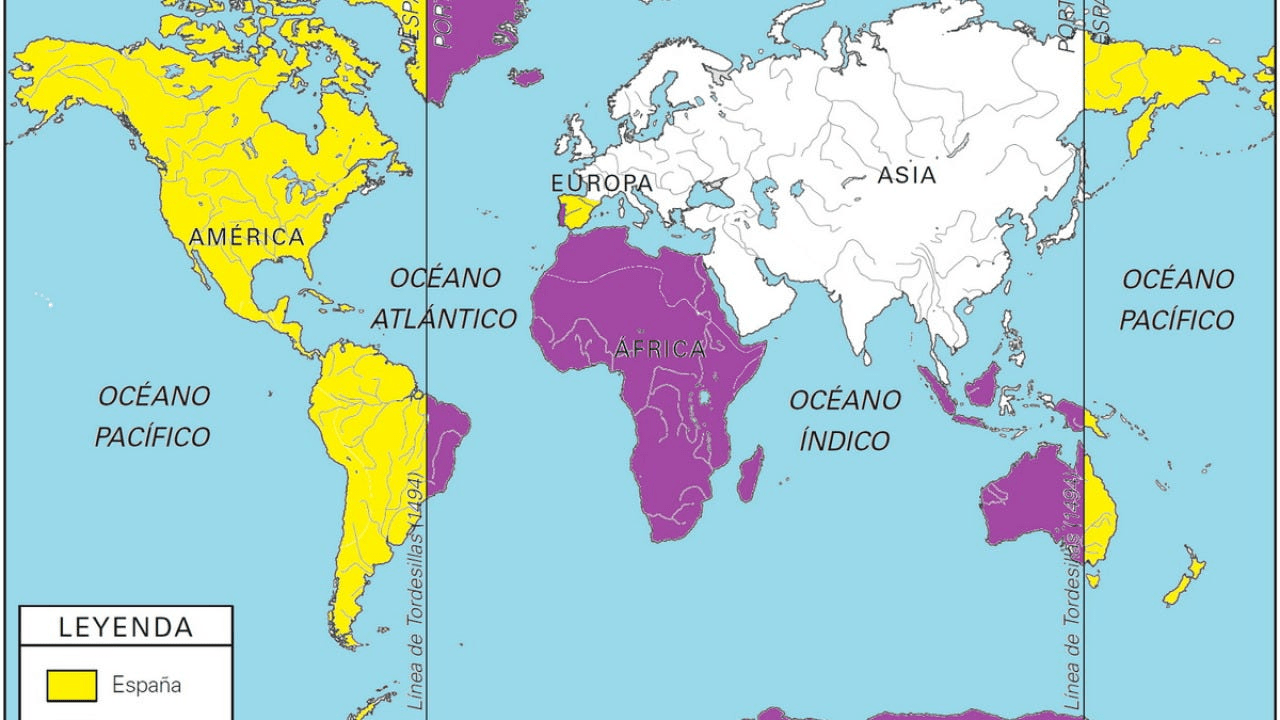
Treaty of Tordesillas
100
Enslaved Africans worked on these types of farms, which usually grew cash crops like tobacco or sugar.
Plantations
150
The Renaissance led to this belief, which meant that each person had unique traits and abilities that they should focus on.
Individualism
150
Name this map projection. 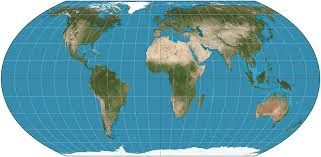
Robinson
150
This Ottoman emperor oversaw the greatest expansion of the empire.
Suleiman the Magnificent
150
This man led one of the largest expeditions for the Ming with ships much larger than Christopher Columbus's.
Zheng He
150
These were members of the Indian bureaucracy that governed the massive empire. They ruled in the emperor's name.
Mansabdari
150
This leader signed the agreement between Spain Portugal to end their territorial dispute.
Pope Alexander VI
150
This term refers to the movement to get rid of slavery and involved activists from all races and genders.
Abolition
200
This family was one of the most famous patrons of the Renaissance in Florence.
The Medici
200
Arabic and European explorers used this device to measure the position of stars and planets.
Astrolabe
200
This system of society is one in which power is held by a privileged, wealthy, or noble class.
Aristocracy
200
Both Kangxi and Qianlong served this dynasty with great success in the 1600 and 1700s CE.
Qing
200
This emperor had a mixed record for the Mughals, contributed to successful wars but also to oppression of religious groups.
Aurangzeb
200
These positions were created to help manage the huge empire Spain controlled. It translates roughly to Vice King
Viceroys
(Viceroyalties also accepted)
200
This term refers to the forced journey taken by Africans from Africa to the Americas.
Middle Passage
250
The Renaissance saw a blending of science, math, and art from these two "worlds."
Looking for religion and region
Christian Europe and Islamic empires
250
Pioneered by the Dutch, these organizations lowered risk for investors.
Joint-stock companies
250
This practice saw Ottomans enslaving Balkan children and converting them from Christianity to Islam.
Devshirme
250
The Qing Dynasty reinforced this belief system for stability, which called for virtue, or goodness, in society.
Confucianism
250
Some of the Mughal leaders were considered this, a person who is overly extreme or radical in their religious views.
Zealot
250
This was the first Spanish colonial city, in what is now Cuba.
Havana
250
The transatlantic slave trade was a major factor in the development of this type of economy.
Capitalism
300
This device made it easy to share new ideas and spread the ideals of the Renaissance.
Printing press
300
This man is considered the first to have circumnavigated the Earth
Ferdinand Magellan
300
This group formed a sultan's elite soldiers, enslaved from a much a larger group.
Janissary
300
This group invaded China before the Ming Dynasty and contributed to its rise.
The Red Turban Army
300
Despite being a Muslim dynasty, only this percentage of Indian society was Muslim at the time.
15%
300
This term refers to people of Spanish descent who were born in American colonies
Criollos
300
European enslavers sent the majority of enslaved Africans to this Portuguese colony.
Brazil