Types of Groups
Tuckman Model
Hodge Podge Group
Communication
MODELS
Group Dynamics
100
Groups that help individuals cope with specific types of disorders
Psychoeducational Groups based on disorder
100
What stage of talks makes people feel they can achieve work if they accept others viewpoints?
Norming
100
What is 1 PRIMARY GOAL in beginning of the group process?
FEEL CONNECTED
BUILD RAPPORT
FEEL SAFE
100
Where does communication begin?
Person A to Person B
Sender-->Receiver
100
What is a Scientific Model
Scientific ModelWhat model focuses on need for scientific analyses of workplace on part of management
100
What are 2 of the 4 KEY Elements Group Dynamics
roles, norms, relationships, and communication
200
What type of Group is a Board of Directors
Task Force Group
200
What is it called when a group establishes ground rules?
Forming
200
What is Cohesion in a Group?
The result of all forces
acting on members to
remain in a group.
200
What is active listening
maintaining eye contact, using open body language, paraphrasing, asking open-ended questions, and managing internal distractions.
200
Autocratic Model
•- top-down communication, follow orders
•Causes insecurity, aggression, frustration towards management
200
What are 4 roles of a facilitator
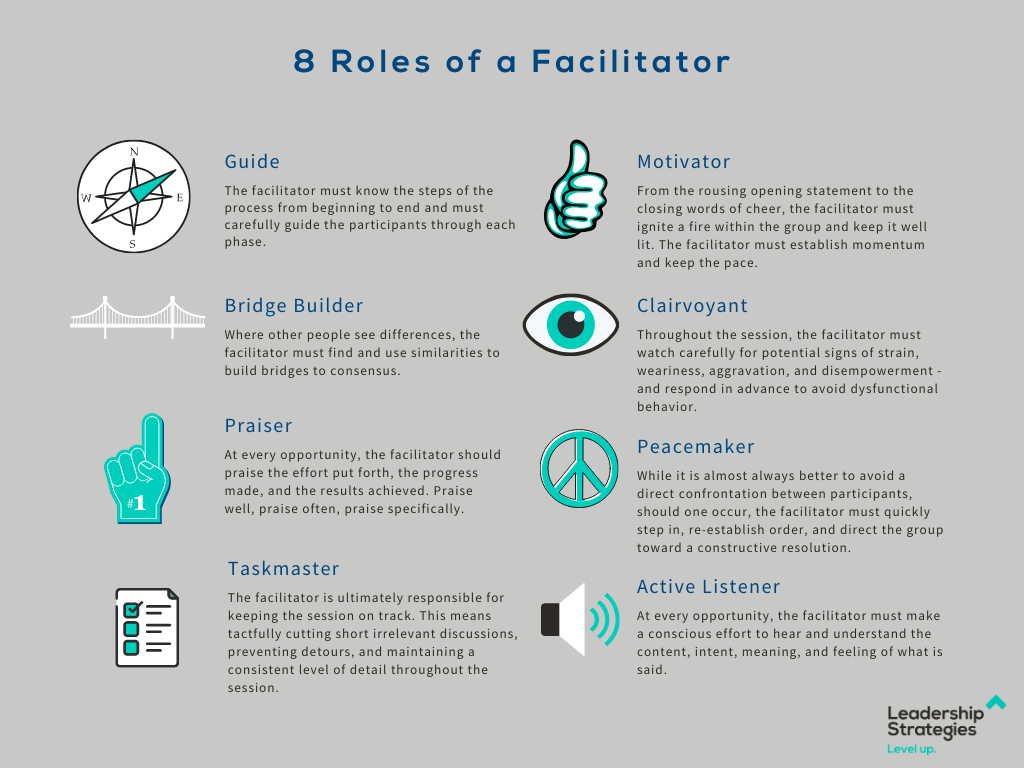
300
What type of Group is Problem Solving and Decision Making Group
Focus Group
300
What is it called when a group conducts assessment and implements plan
Adjourning
300
What will help you to deal with everyday stressors and is important for social workers to do?
Remembering to SELF CARE
300
You as a facilitator with the help of the group can create its own patterns of communication..
What are 2 of the 3 ways of doing this?
Modeling
Educating
Practicing
300
Human Relation Model
HAWTHORNE EFFECT
•Being part of the study increased effectiveness of workers as they felt they had a say
•They worked better while being observed
•Non-economic rewards and sanctions were significant to affect behavior of workers
300
How do you proceed with an individual in group that is disruptive or combative toward others
Separate them from group
Talk to in private and ASSESS
Seek support from other therapist
400
What type of group is Alcoholic Anonymous
Self Help Group
400
When a group works in a trusting and open atmosphere?
Performing
400
What is one thing that can not be avoided in a group?
Conflict
400
What are 3 of the 7 C's of Communication
- Clear: Purpose is specific and easy to understand.
- Concise: Short, direct, and avoids unnecessary words.
- Concrete: Uses specific facts, data, and vivid details.
- Correct: Free of errors in grammar, facts, and spelling.
- Coherent: Logical, consistent, and relevant to the main topic.
- Complete: Contains all necessary information for action.
- Courteous: Respectful, polite, and empathetic to the recipient.
400
Theory X & Theory Y
•Theory X - managers view employees as incapable of much growth, must control, direct & force them to work. If you leave people alone, they will not work
•Theory Y - managers view employees as wanting to grow & develop, must offer rewards and opportunities to motivate. If you leave people alone, they will be productive.
•Both are self-fulfilling prophecies
400
What factors contribute to Group Cohesion
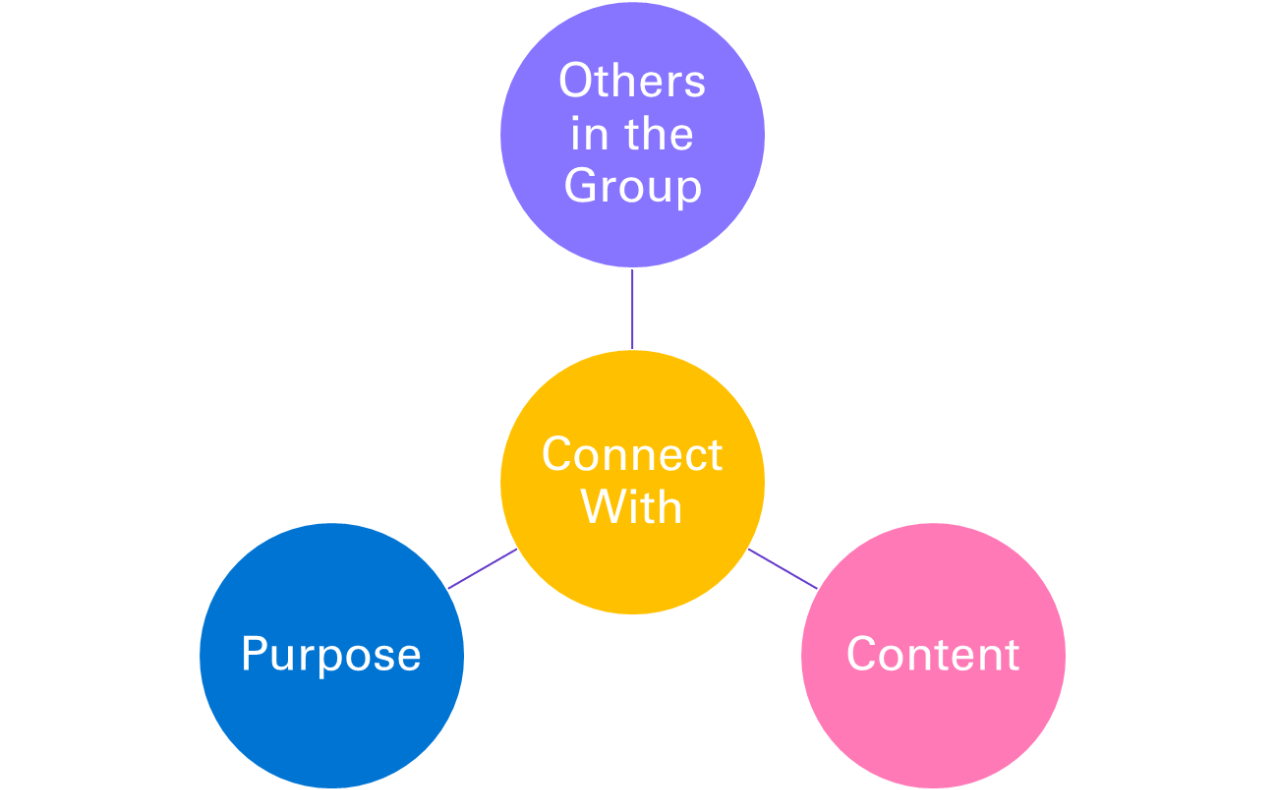
500
What are Grassroot Groups? Give an example
Grassroots organizations are groups of people working together to advocate for a cause in order to create change, or a positive impact. These organizations can be local, state, national or international organizations advocating for change with leaders that may range from teenagers to the elderly, what makes grassroots organizations is the actions of ordinary people working to do extraordinary feats.
Give example...Black Lives Matter, MADD, Civil Right Movement, Mom's Demand Action, NAMI
500
When members start to communicate feelings?
Storming
500
What are 3 things that are important to be self aware of (per Patti)in myself as a social worker/facilitator
Where you are
Personally
Professionally
Presently
500
What are 3 factors that interfere with Communication Process in Group
1.Perceptual Process
2.Physiological Influences
senses
Hearing
Vision
Temperature
Other
3.Socio-psychological Processes
Defense Mechanisms
4.Communication that causes Defensiveness
Judgmental
Control Behavior
Manipulate
Indifference
Superiority
Certainty
5.Beliefs, Values and Attitudes
6.Stereotypes
500
What are 2 examples of how we navigate bureaucracies?
•Warrior - leads open campaigns against the system. Generally, loses, is dismissed
•Gossip - covert warrior, complains about system. May be dismissed, frustrated
•Complainer - wants to share misery, not change system per se. Stays within system
•Dancer - skilled at ignoring rules/procedures. Lonely, singled out, low investment
•Defender - scared, dislikes conflict, defends rules and system. Usually supervisors.
•Machine - bureaucrat who takes on orientation of bureaucracy. Chair boards. Robots.
•Executioner - attacks people within structure. Angry, impulsive (Hi boss!)
500
FINAL QUESTION FOR GROUP
What are some key take aways from Group 614
open discussion