Heart Failure
Peds Lung Disorders
Drowning
ASA and NSAIDs
Ultrasound
200
What are the four causes of an elevated troponin in Acute Heart Failure
- Type 1 MI – acute thrombosis
- Type II MI – supply and demand mismatch of myocardial oxygenation
- Acute myocardial injury – stretch-related injury
- Chronic myocardial injury – Structural heart disease, CKD
200
80% of children with Cystic Fibrosis will be permanently colonized with this pathogen by the age of 18
Pseudomonas aeruginosa
200
Contact with water that is more than 5 degrees Celsius below body temperature causing syncope from cardiac dysrhythmias is defined as ___________.
Immersion Syndrome
200
Household products that contain salicylates (at least 3)
aspirin, bismuth subsalicylate (pepto-bismol), oil of wintergreen, topical salicylates, analgesic balms, Alka Seltzer
200
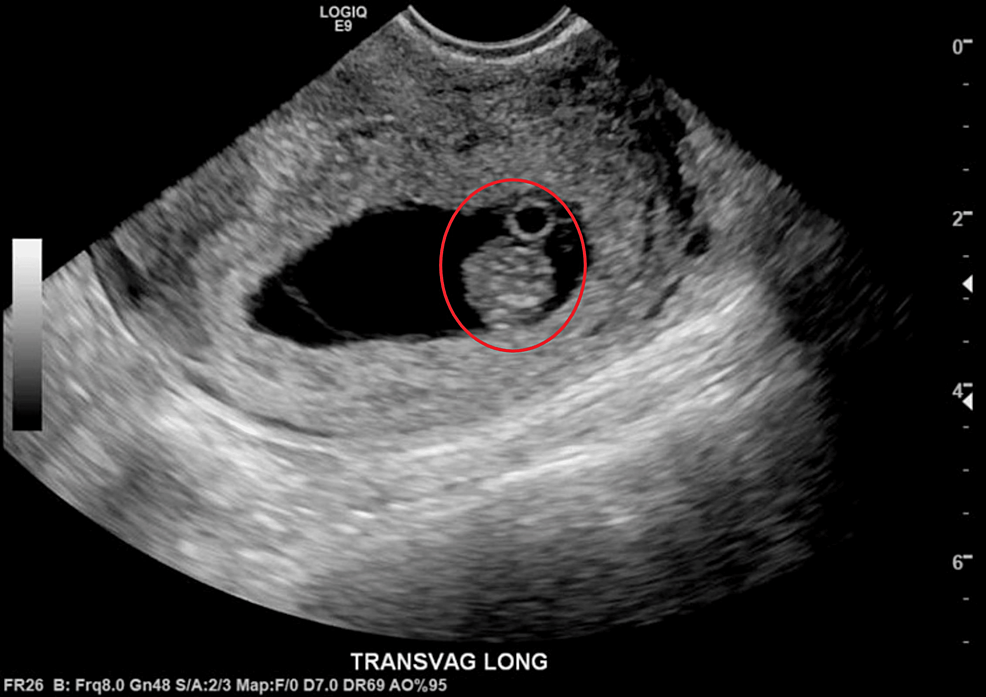 Assuming appropriate anatomical positioning/location, we can confirm an IUP from this scan because of these three features:
Decidual Reaction
Gestational Sac
Yolk Sac +/- Fetal Pole
400
Describe the pathophysiology behind SCAPE
Sympathetic activation which causes vasoconstriction resulting in increased afterload (worsens heart failure) and fluid redistribution into the lungs causing pulmonary edema.
400
Risk factors (3 each) for S. pneumonia vs S. aureus pneumonias in children
S. pneumonia
- Immunodeficiency
- Chronic renal disease
- Functional/anatomical asplenia
- Children of Indigenous descent
S. aureus
- Foreign body aspiration
- Immunosuppression
- Concomitant skin infection
400
The largest risk factor for drowning
Alcohol
400
You are managing a patient following an acute ASA ingestion. While they were initially asymptomatic, on reassessment you find them to be lethargic. Explain the pathophysiology of their altered mental status, and how you would manage it.
Salicylates interfere with mitochondrial oxidative phosphorylation, causing anaerobic metabolism. As more glucose is consumed, the risk of central hypoglycemia can develop. In all altered patients in the setting of salicylate overdose, give 0.5-1g/kg of IV dextrose, REGARDLESS of their serum glucose level.
400
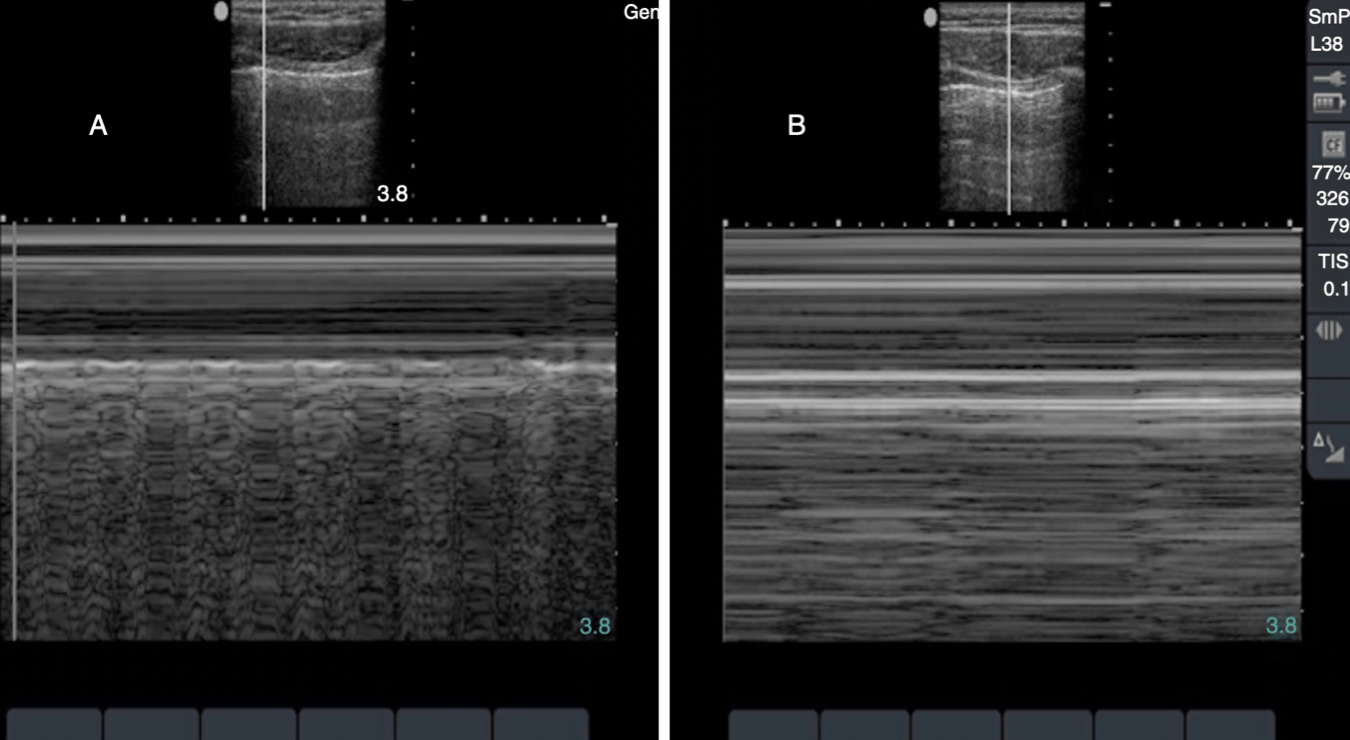
M Mode images of the lung
Seashore sign - normal lung
Barcode sign - pneumothorax
600
What is approximate goal urine output after giving IV diuretic in AHF?
150 ml/hour.
600
Mycoplasma pneumonia can cause some uncommon, though serious, side effects. Please list 3.
Hemolytic anemia
HUS
Myopericarditis
Neuro Dx (GBS, meningoencephalitis, transverse myelitis, cranial neuropathy)
Rhabdomyolysis
Arthritis
SJS
600
The length of time of observation for a patient with submersion with normal room air oxygen saturation and a normal chest x-ray
8 Hours
600
Outline the 3 stages of salicylate toxicity, and the acid-base disorders associated with each stage
- Early (0-4hrs) [1.1-3.3 mmol/L]: Respiratory alkalosis, due to the salicylates effect on the medullary respiratory center, causing hyperventilation.
- Moderate (2-12hrs) [2.7-5 mmol/L]: Respiratory alkalosis with a metabolic acidosis. However, pH is neutral/alkalemic at this stage. Salicylates interfere with aerobic metabolism by uncoupling mitochondrial oxidative phosphorylation. The hyperventilation effects from stage 1 are now compensatory for this concomitant metabolic acidosis.
- Severe (6-12hrs) [>4.4 mmol/L]: Respiratory alkalosis or acidosis and metabolic acidosis. Now acidemia should be present on blood gas. As acidemia develops, more salicylate becomes un-ionized, and is able to pass through the blood brain barrier
600

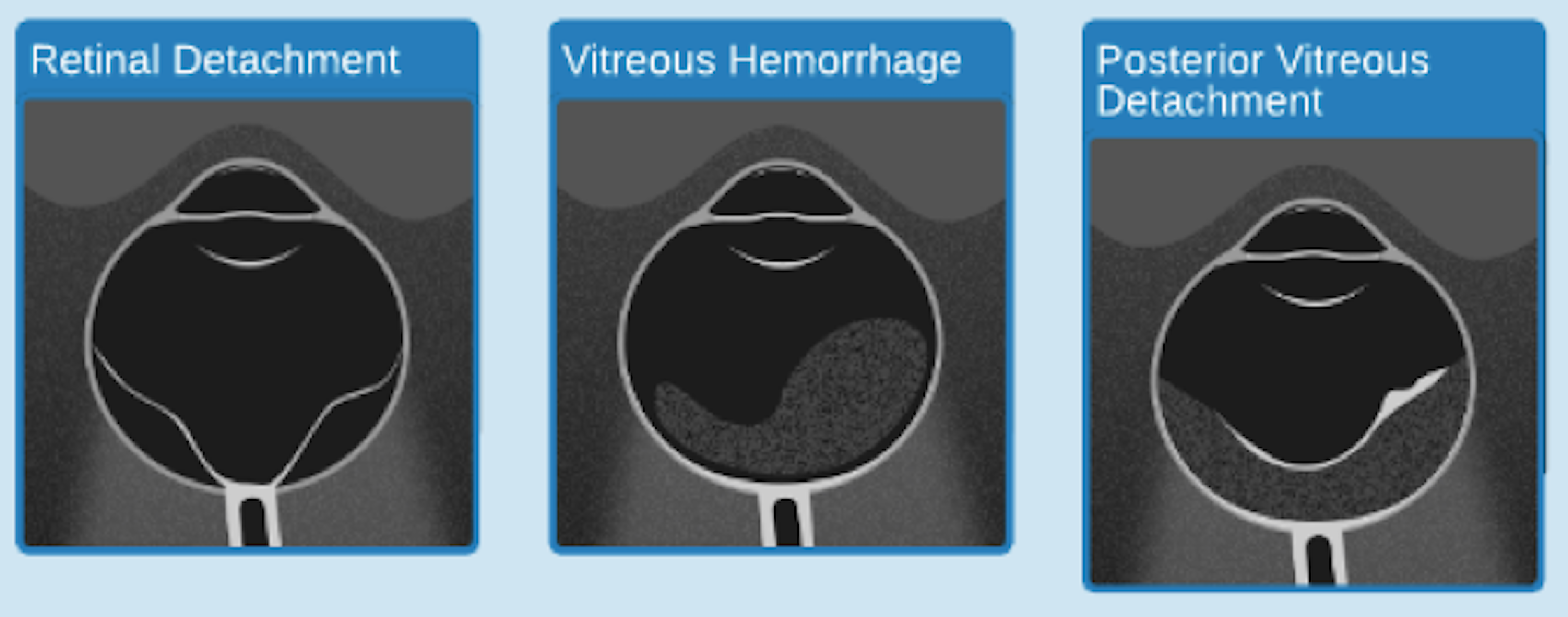 Posterior Vitreous Detachment
800
List three causes (each) for a falsely low and falsely high BNP
Low:
- Patient obesity
- Flash pulmonary edema (too early to detect significant BNP elevation)
- Constrictive pericarditis or restrictive cardiomyopathy
High:
- Renal dysfunction
- Older age
- Female
- Pregnancy
- Atrial fibrillation
- Inflammatory conditions
800
Please list and describe the three clinical stages of Pertussis
Catarrhal Phase - 1 to 2 weeks. Mild URT symptoms and cough
Paroxysmal Phase - 2 to 4 weeks. Disease progresses to staccato cough followed by posttussive emesis. May have episodes of cyanosis and apnea in infants < 6 months. Fever generally absent.
Convalescent Phase - 6 to 10 weeks. Symptoms gradually wane.
800
A specific risk to consider when applying positive pressure ventilation in patient’s who has drown?
Gastric dilation and aspiration of fluid that was swallowed during drowning
800
Indications for hemodialysis in the setting of acute salicylate poisoning (at least 5)
- Altered mental status, coma, seizure
- Renal failure
- Hepatic failure
- Pulmonary edema or resp failure
- Acidemia (pH < 7.1 to 7.2)
- Deterioration in condition
- Need for intubation
- Rapidly rising salicylate level
- Acute ingestion with a serum level > 5.6 mmol/L
- Chronic ingestion with a serum level > 2.2 mmol/L
800
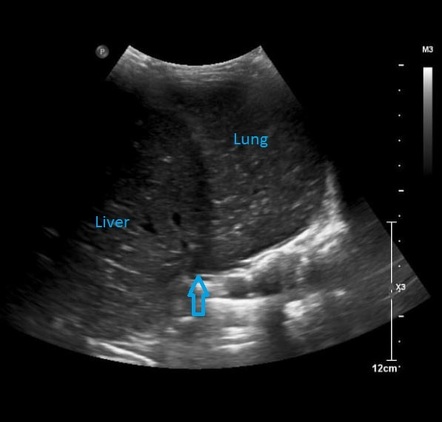 Describe the phenomenon occurring in this scan and why it occurs
Lung hepatization
As the lung accumulates fluid with consolidation, it can appear echogenic and "live-like"
1000
List 4 risk factors for loop diuretic resistance
- CKD
- Hypoalbuminemia
- Past history of loop diuretic resistance
- Extremely low cardiac output
- More severe AHF presentation
- High home dose of loop diuretic
- Urine output 1 hr after loop diuretic < 480 ml
- Total urine sodium in 1st hour after loop diuretic < 35.4 mmol
- Diuretic efficiency at 3 hours < 3.5ml urine/mg IV furosemide
1000
Pneumonias caused by this pathogen are preceded by conjunctivitis in ~50% of cases
Chlamydia trachomatis
1000
The amount of fresh or salt water needed to aspirate to cause loss of surfactant
1 – 3 ml/kg
1000
Despite your best resuscitation efforts your massive ASA overdose patient continues to decompensate, and the decision is made to intubate. What specific concerns would you worry about, and how would you address them.
Very PHYSIOLOGICALLY difficult airway. As the patient’s respiratory alkalosis and hyperventilation is compensating for their metabolic acidosis, removing the patient’s respiratory drive can cause rapidly worsening acidemia.
- Apneic period: Premedication with 1-2 amps of NaHCO3 to temporarily compensate for the lack of respiratory drive on induction. This should be done regardless of pH to account for the lack of respiratory compensation.
- Matching their minute ventilation: In the setting of overdose, these patients have a very high respiratory drive, and compensation is likely not going to be achievable with a ventilator. Attempt to hyperventilate them as much as possible, but ultimately hemodialysis will be needed to prevent acidemia.
1000
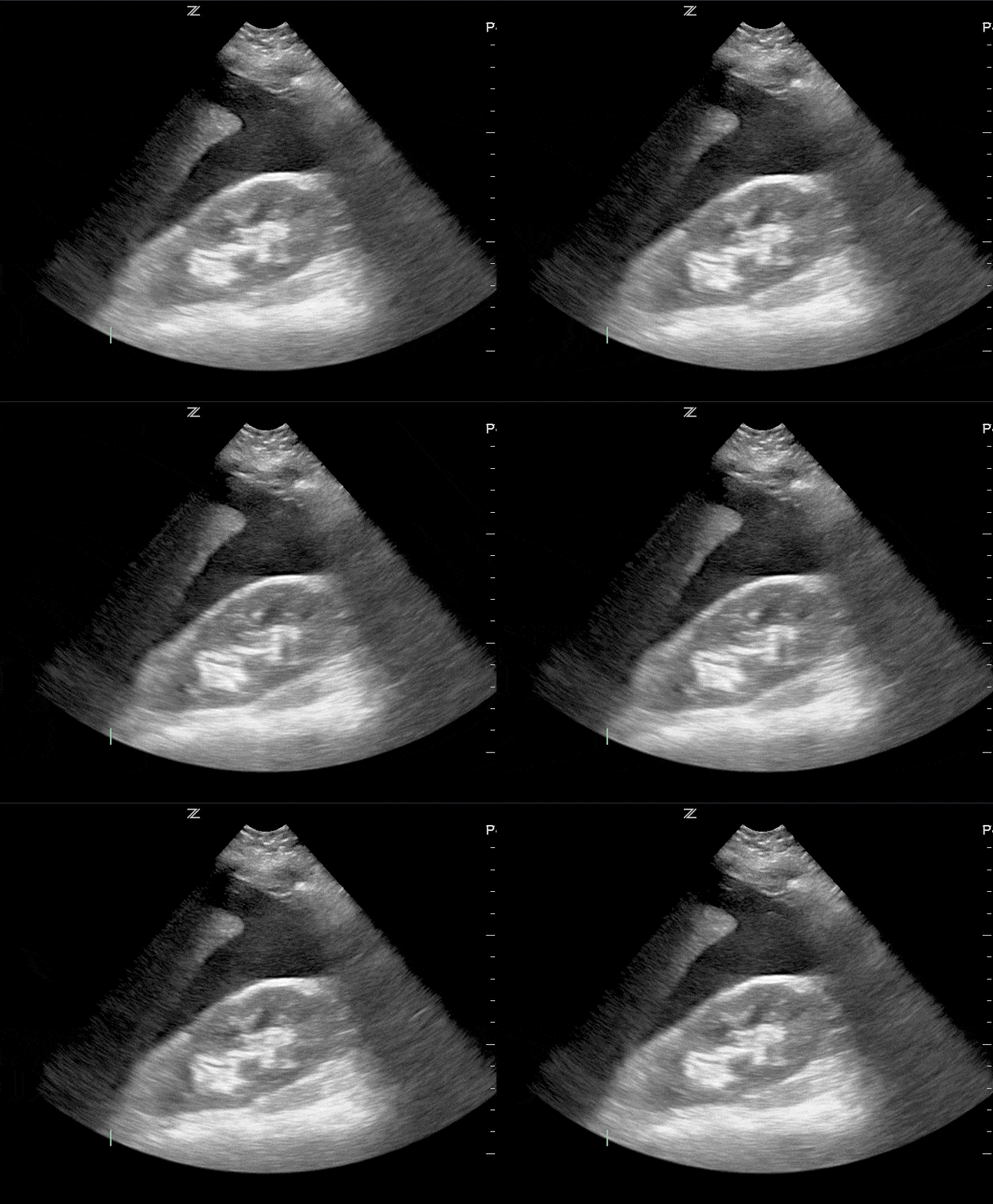 Approximately how much fluid is required for a positive upper quadrant fast scan?
600 mL