Birds of Prey
Water Birds
Song Birds
Tropical Birds
100
This bird of prey is the national bird of the United States of America. It's scientific name is Haliaeetus leucocephalus.
The American Bald Eagle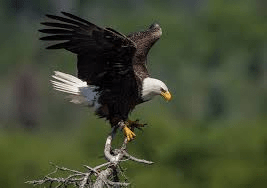
100
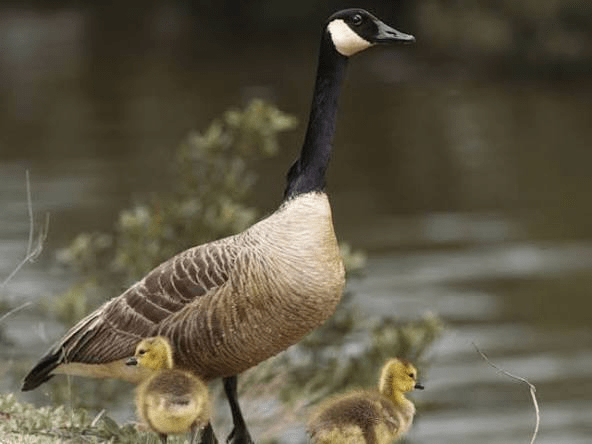
This water bird is from Canada and has a long neck. Is has a black and white head and a brown body. Its scientific name is Branta canadensis.
A Canadian goose:
100
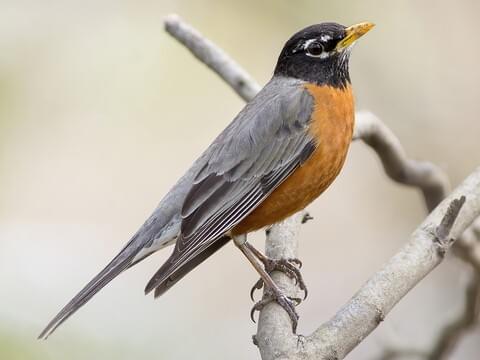
This bird is often seen in the spring. It has an orange belly and lays blue eggs. It's scientific name is Turdis migratorius.
A robin:
100
This small tropical bird is the most common bird kept as a pet. They can be white, blue, or green in color and often have striped heads and wings. They are also known as "budgies." Its scientific name is Melopsittacus undulatus.
A parakeet:
200
This bird of prey catches fish and is frequently seen near lakes and reservoirs. Its scientific name is Pandion haliaetus.
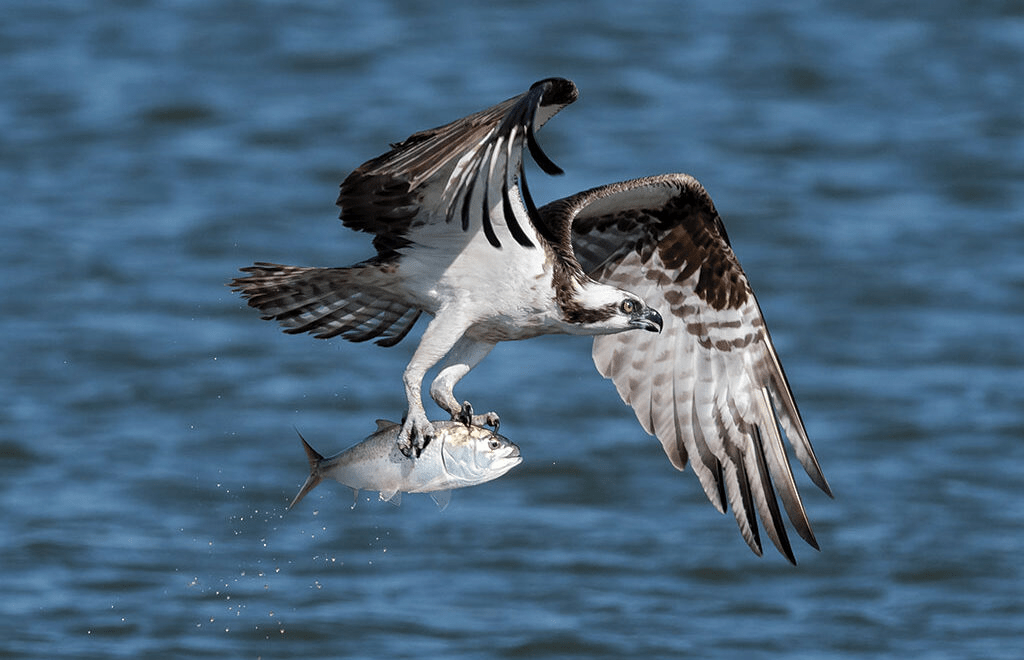 An osprey.
200
This very common water fowl quacks, and its babies are yellow and fuzzy. The males have a green head. Its scientific name is Anas platyrhynchos.
A mallard duck: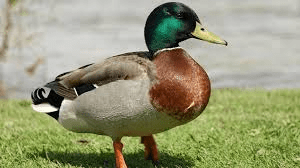
200
This bright red bird has a pointy head and appears on a lot of Christmas cards. Its scientific name is Cardinalis cardinalis.
A Northern cardinal:
200
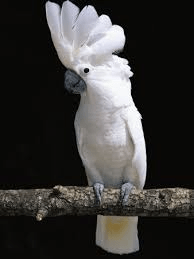
This white tropical bird has a large crest of feathers on. its head. They are the comedians of the bird world and can mimic many sounds, including a dog barking. They can be kept as pets. It's family name is Cacatuidae.
A cockatoo:
300
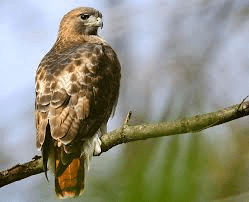
The most common, widespread, and adaptable large hawk in North America. It has a rust-colored tail. It's scientific name is Buteo jamaicensis.
A red-tailed hawk.
300
This is the largest heron in North America, standing up to 4 feet tall. It has blue-gray feathers and lives in wetlands. Its scientific name is Ardea herodias.
A great blue heron:

300
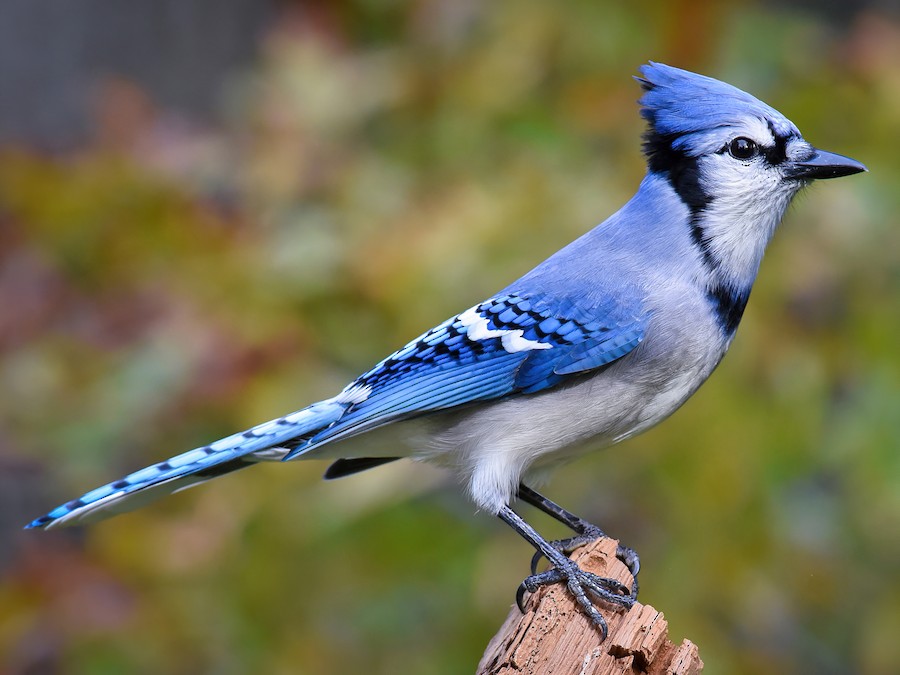
This bright blue bird has a long striped tail and a pointy head. Its scientific name is Cyanocitta cristata.
A blue jay:
300
This tropical bird is native to Madagascar and has an orange head and green body. It is associated with love because mated pairs stay together for a long time. They are often kept as pets. Its scientific name is Agapornis roseicollis.
A lovebird:
400
This bird of prey has a bald black head and eats carrion, small animals, and eggs. It lacks a voice box. Its scientific name is Coragyps atratus.
A black vulture.
400
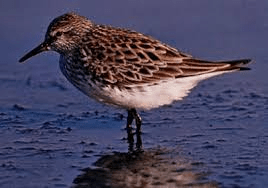
These small birds are often seen at the ocean shoreline, and hop along the beach to forage for food. It has a sharp beak. Its scientific name is Actitis hypoleucos.
A sandpiper:
400
This small songbird can imitate, or "mock," many different sounds. Its scientific name is Mimus polyglottos.
A mockingbird:
400
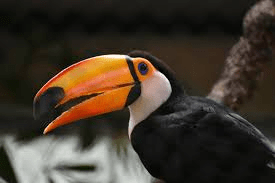
This tropical bird has a long, banana-shaped beak and is the mascot for the cereal brand Fruit Loops. Its scientific name is Ramphastos toco.
A toucan:
500
This bird of prey hunts at night. It can fly silently and usually catches mice and other rodents. They have very big, round eyes. Their scientific family name is Strigidae.
An owl.
500
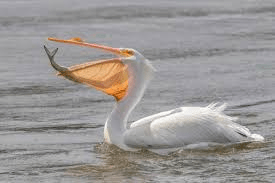
This larger bird is found near the ocean. It has an expandable throat pouch that allows it to swallow fish whole. Its scientific name is Pelecanus erythrorhynchos.
A pelican:
500
This songbird is the most spotted songbird in the state of Vermont. It has a round, black and white head and brown wings. Its scientific name is Poecile atricapillus.
A black-capped chickadee:
500
This large New World parrot is often kept as a pet. They can be trained to talk and are often red, blue, or green. Its scientific name is Ara macao.
A macaw: