Clinical Clues
Membrane Mayhem
Smears & Studies
Hemolysis Headquarters
Treatment & Trouble
100
his classic triad commonly appears in hereditary spherocytosis and reflects anemia, increased bilirubin production, and chronic splenic sequestration.
What are anemia, jaundice, and splenomegaly?
100
Most cases of hereditary spherocytosis follow this inheritance pattern.
What is autosomal dominant inheritance?
100
These small, round, dense red blood cells lacking central pallor are the characteristic peripheral-smear finding in hereditary spherocytosis. 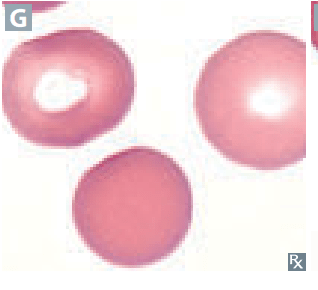
What are spherocytes?
100
Hereditary spherocytosis primarily causes this type of hemolysis in the spleen.
What is extravascular hemolysis?
100
This supplement supports the increased red blood cell production required in chronic hemolytic anemia.
What is folate?
200
The chronic breakdown of red blood cells in hereditary spherocytosis increases the risk of developing this type of gallstone.
What are pigment gallstones?
200
Spectrin, ankyrin, and band 3 are examples of these structures affected in hereditary spherocytosis.
What are red blood cell membrane proteins?
200
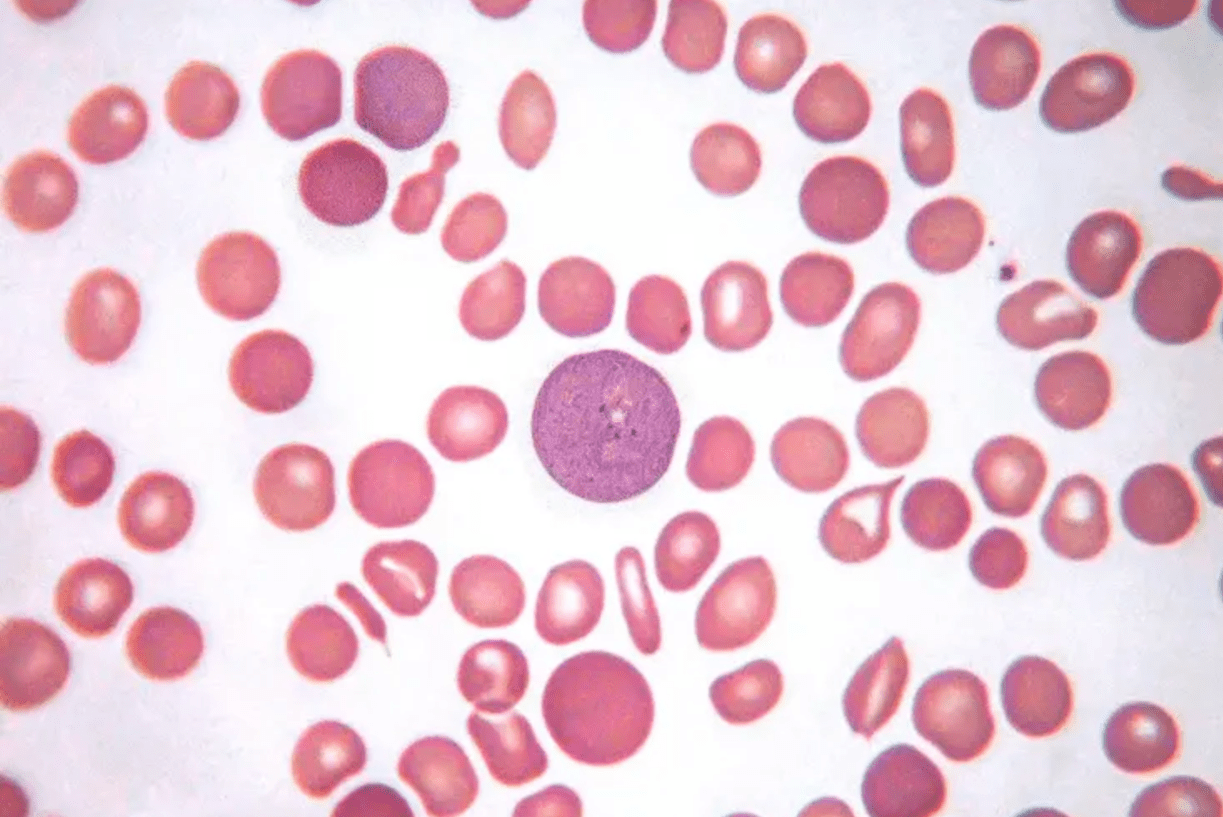 Clue: This image shows variation in red blood cell size along with bluish, immature red blood cells. Name both findings.
What are anisocytosis and polychromasia?
200
Increased breakdown of heme in hereditary spherocytosis raises this form of bilirubin.
What is indirect, or unconjugated, bilirubin?
200
This operation improves anemia by removing the major site of spherocyte destruction but does not correct the underlying membrane defect.
What is splenectomy?
300
These four findings strongly suggest hereditary spherocytosis: spherocytes, chronic hemolytic anemia, splenomegaly, and this negative test.
What is a negative direct Coombs test?
300
Defective vertical linkage between the cytoskeleton and lipid bilayer causes red blood cells to progressively lose this.
What is membrane surface area?
300
Bluish, slightly larger red blood cells on a peripheral smear represent young red blood cells and produce this smear finding.
What is polychromasia?
300
This red blood cell index is characteristically increased in hereditary spherocytosis because the cells are small and dense.
What is the mean corpuscular hemoglobin concentration, or MCHC?
300
Before and after splenectomy, these preventive measures are especially important because of the increased risk of serious infection.
What are vaccinations and prophylactic antibiotics?
400
In hereditary spherocytosis, the bone marrow normally compensates for chronic red blood cell destruction by increasing this laboratory value.
What is the reticulocyte count?
400
A side-by-side diagram or microscope image of normal biconcave red blood cells and spherocytes. The normal cell shown has a biconcave shape, while the abnormal cell is spherical. Name the important ratio that is reduced in the abnormal cell.
What is the surface area-to-volume ratio?
400
In this diagnostic test, hereditary spherocytosis red blood cells lyse at higher sodium chloride concentrations because they cannot swell normally.
What is the osmotic fragility test?
400
Calculate the corrected reticulocyte count for a patient with a reticulocyte count of 9%, a hematocrit of 30%, and a normal hematocrit of 45%.
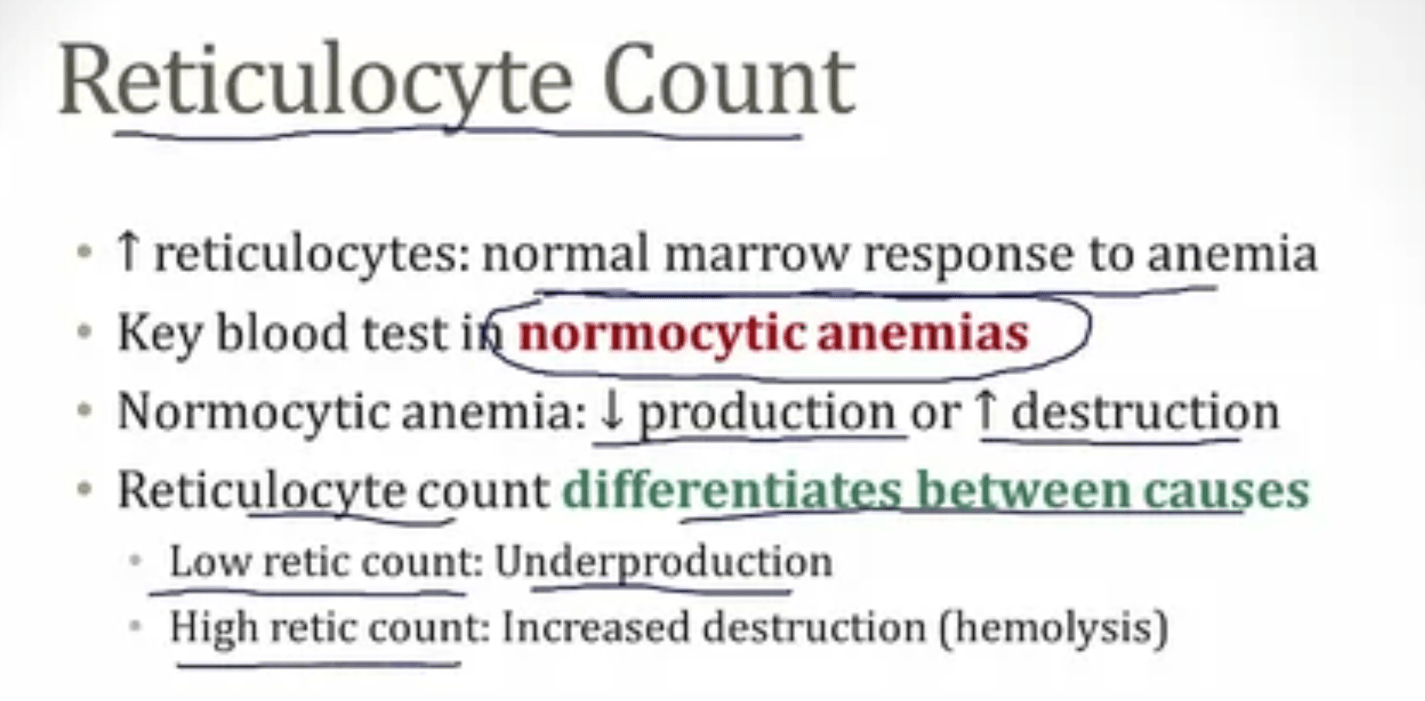
Correct response: What is 6%?
Calculation: 9% × (30 ÷ 45) = 6% 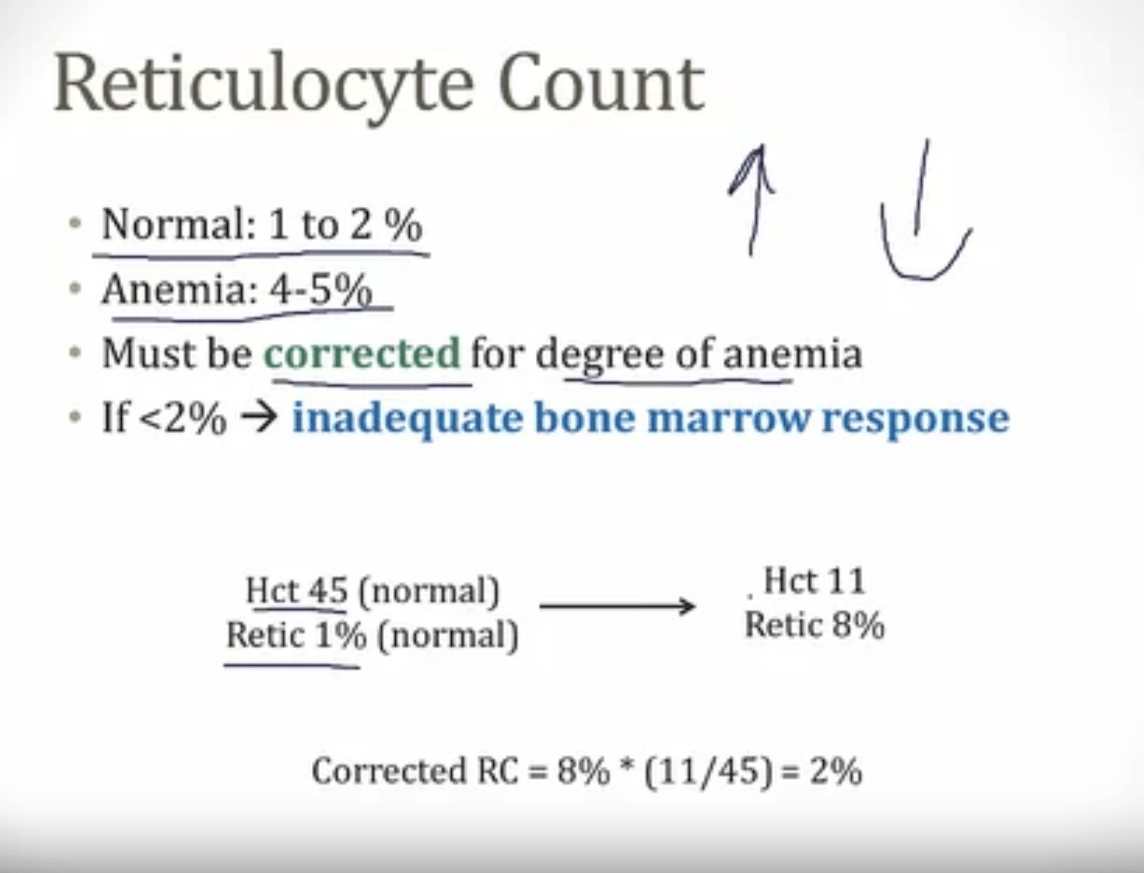
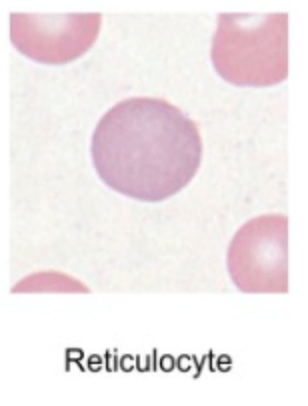
400
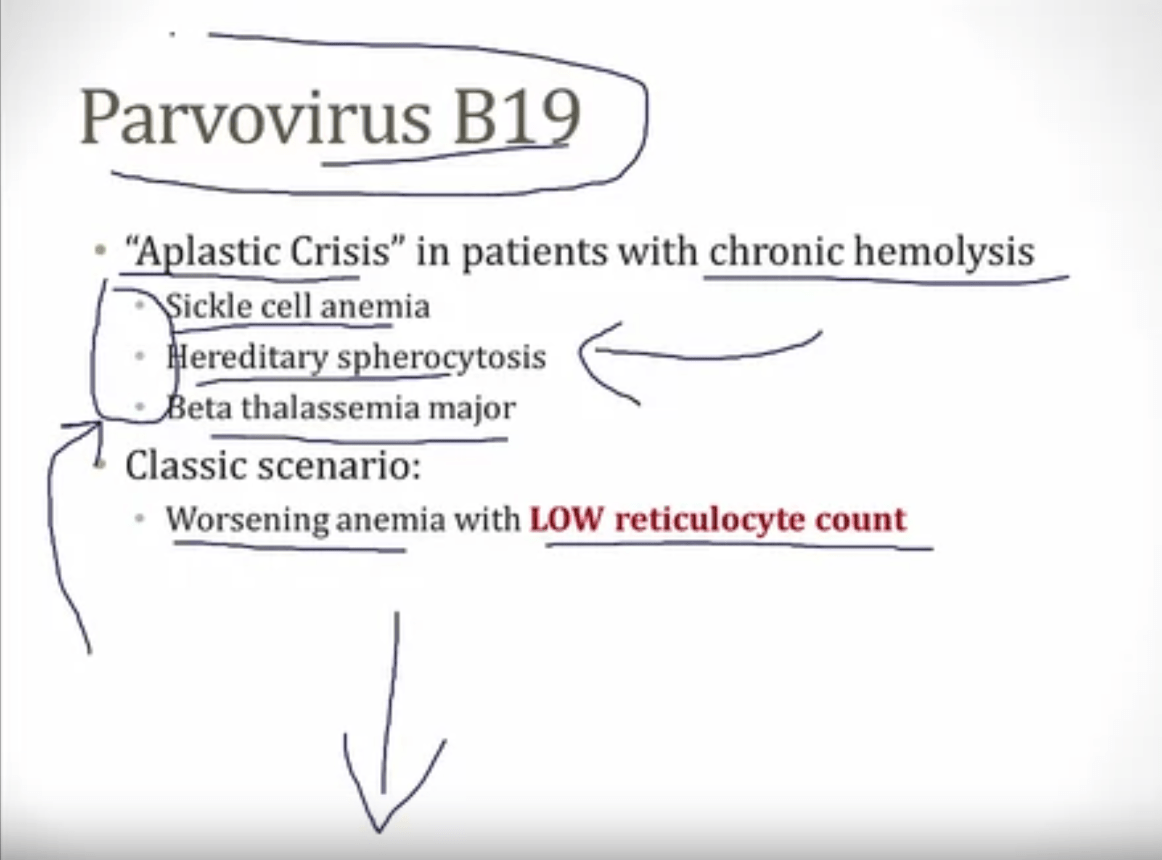
This virus selectively infects erythroid progenitor cells and can temporarily halt red blood cell production.
What is parvovirus B19?
500
A teenager has lifelong anemia, intermittent jaundice, splenomegaly, and pigment gallstones. Laboratory studies show reticulocytosis, increased indirect bilirubin, increased MCHC, and a negative direct antiglobulin test. The peripheral smear reveals spherocytes. Explain the molecular defect and the mechanism responsible for this patient’s anemia.
What is defective vertical attachment of the red blood cell cytoskeleton to the lipid bilayer, causing progressive membrane loss, a reduced surface area-to-volume ratio, spherocyte formation, impaired deformability, splenic trapping, and extravascular hemolysis?
500
A child inherits a mutation affecting ankyrin. His red blood cells progressively lose pieces of membrane, become round and dense, and are unable to squeeze through the splenic cords. Explain why these cells have a shortened lifespan.
What is reduced deformability causing splenic trapping and destruction by macrophages?
500
A patient with mild suspected hereditary spherocytosis has an inconclusive osmotic fragility test. Flow cytometry shows reduced binding of a fluorescent dye to band 3 and associated membrane proteins. Name this more sensitive and specific confirmatory study.
What is the eosin-5-maleimide, or EMA, binding assay?
500
A child with hereditary spherocytosis has a reticulocyte count of 12% and a hematocrit of 24%. Using a normal hematocrit of 45%, calculate the corrected reticulocyte count and state what it indicates.
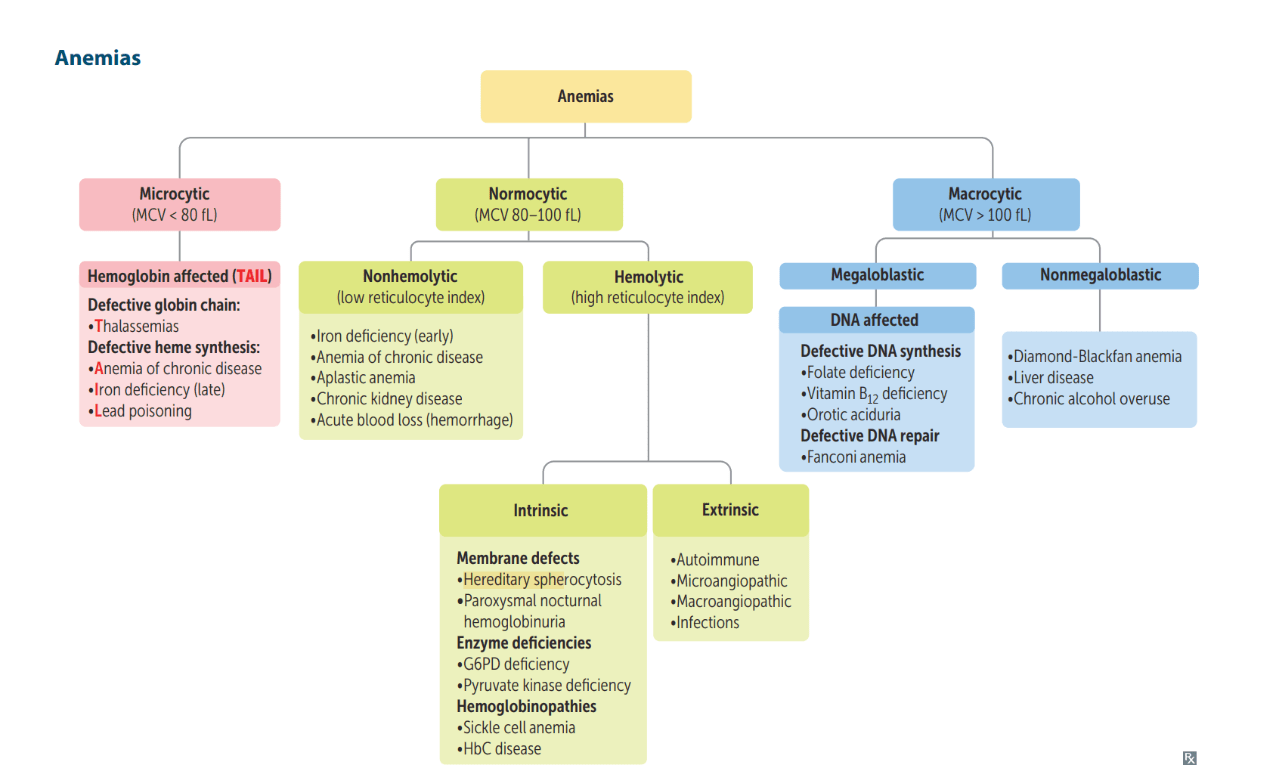
Correct response: What is approximately 6.4%, indicating an appropriate increased bone-marrow response to red blood cell destruction?
Calculation: 12% × (24 ÷ 45) = 6.4%
500
A child with hereditary spherocytosis suddenly develops profound fatigue, pallor, weakness, and a rapid drop in hemoglobin after a viral illness. Unlike the child’s usual laboratory pattern, the reticulocyte count is markedly decreased, and the jaundice may temporarily improve. Identify the complication and its cause.
What is an aplastic crisis caused by parvovirus B19 infection of erythroid progenitor cells?