Immune system
Nervous system
Cell transport
Body systems
Membranes and homeostasis
Fast facts
100
This type of medicine fights bacterial infections, not viruses.
What are antibiotics?
100
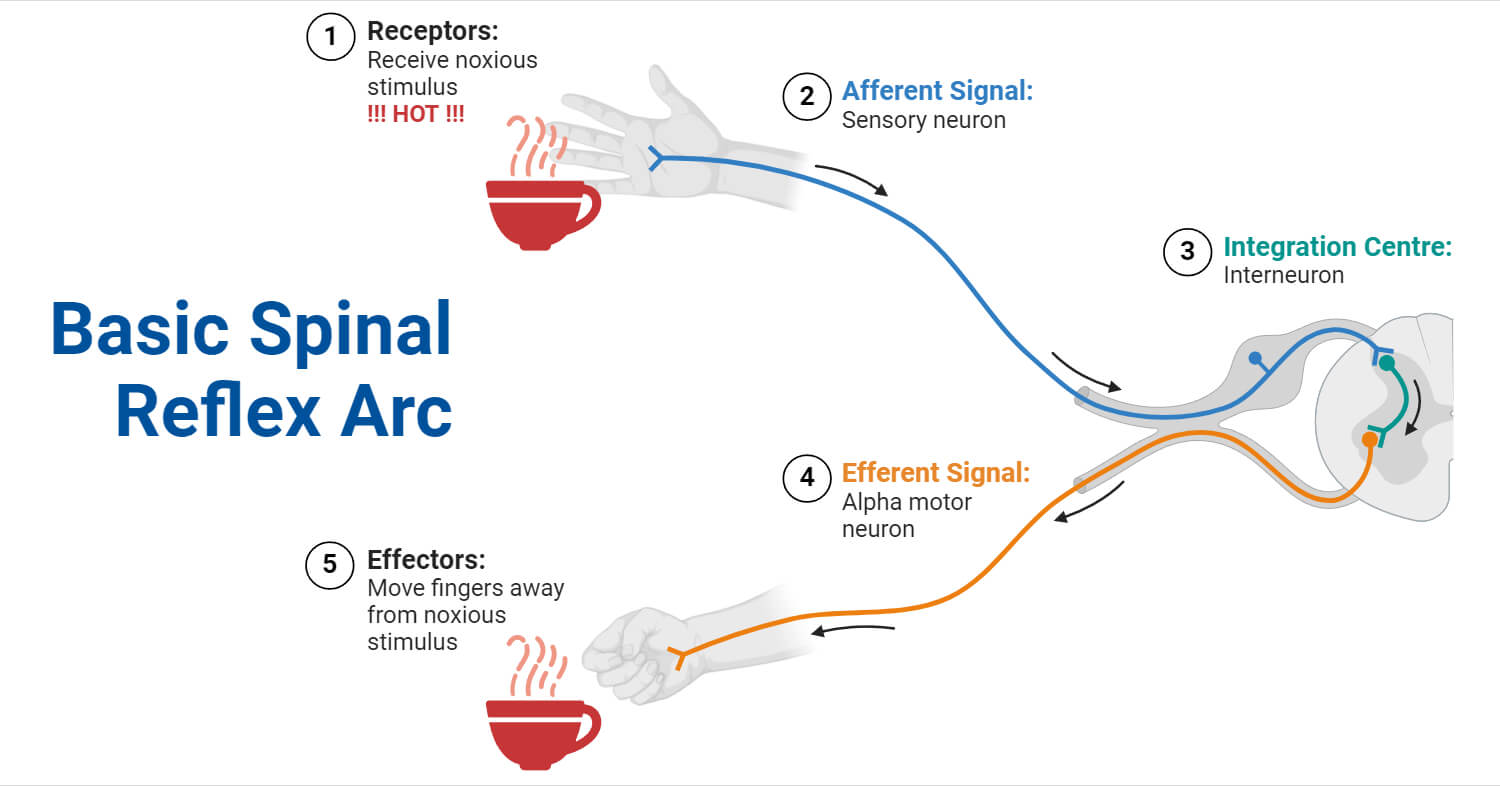
A quick automatic response to a stimulus is called this.
What is a reflex?
100
Movement of particles from high concentration to low concentration.
What is diffusion?
100
This system breaks food down into nutrients the body can use.
What is the digestive system?
100
The plasma membrane is mainly made of this double layer.
What is the phospholipid bilayer?
100
Viruses are NOT considered this.
What are living cells?
200
Your skin is considered this type of protection against disease.
What is the first line of defense?
200
These neuron parts receive incoming signals from other neurons.
What are dendrites?
200
The diffusion of water across a membrane is called this.
What is osmosis?
200
This body system transports oxygen and nutrients throughout the body.
What is the circulatory system?
200
The “fluid mosaic model” describes the membrane as flexible and filled with these.
What are proteins?
200
This part of the neuron carries signals away from the cell body.
What is the axon?
300
These special immune cells “remember” pathogens for faster future responses.
What are memory cells?
300
The gap between two neurons where signals are passed is called this.
What is a synapse?
300
This type of transport requires energy from the cell and moves objects from low concentration to high concentration
: What is active transport
300
This system removes carbon dioxide from the body.
What is the respiratory system?
300
Homeostasis means maintaining this kind of internal environment.
What is a stable internal environment?
300
Gray matter mainly contains neuron _____ while white matter mainly contains axons.
What are cell bodies?
400
This is a substance that triggers an immune response in the body.
What is an antigen?
400
This hormone and gland are linked to the fight-or-flight response.
What are adrenaline and the adrenal gland?
400
When molecules move through protein channels without using energy, it is called this.
What is facilitated diffusion?
400
The endocrine gland often called the “master gland.”
What is the pituitary gland?
400
If water moves into a cell and causes it to swell, the surrounding solution is likely this.
What is hypotonic?
400
Vaccines help the body prepare to make these protective proteins.
What are antibodies?
500
This disease weakens the immune system, making infections more dangerous.
What is AIDS?
500
These neurons carry messages from the brain and spinal cord to muscles.
What are motor neurons?
500
Draw where water will flow in hypertonic solution

500
These three systems work together closely to deliver nutrients and remove wastes.
What are the digestive, respiratory, and circulatory systems?
500
Water naturally moves toward the side with this.
What is a higher solute concentration?
500
Draw a reflex arc and include sensory neurons, motor neurons, interneurons and stimulus.