SKELETAL & MUSCULAR SYSTEMS
RESPIRATORY & CIRCULATORY SYSTEMS
NERVOUS & DIGESTIVE SYSTEMS
IMMUNE SYSTEM
BACTERIA & VIRUSES
100
The largest bone in the human body
femur
100
This is the tube in your throat that's also known as your windpipe.
trachea
100
The brain is the main organ of this system.
nervous system
100
These are the chemicals that act like soldiers to fight off disease
antibodies
100
Both bacteria and viruses are microscopic but this one is much smaller
virus
200
These muscles allow you to walk, talk and smile
voluntary muscles
200
Your circulatory system pumps blood through these two types of blood vessels.
veins and arteries
200
This is where digestion begins.
The mouth
200
Your body's first line of defense against germs is this.
skin
200
This is the treatment for an infection caused by a bacteria.
antibiotic
300
Cardiac muscles work automatically which make them this type of muscle.
involuntary
300
This is the main muscle of the respiratory system.
diaphragm
300
This is the process of breaking down food and absorbing its nutrients.
digestion
300
This nurse discovered that keeping things clean caused people to stay healthy.
Florence Nightingale

300
This was the first antibiotic
penicillin
400
This mineral makes bones strong.
calcium
400
Although it is a liquid, this is considered to be a main organ of the circulatory system.
blood
400
This tube connects your mouth to your stomach.
esophagus
400
Your doctor will tell you to get lots of rest and drink lots of fluids if you have this type of infection.
viral infection (virus)
400
Although there is no cure for a virus this will prevent you from getting one.
vaccine
500
Skeletal muscles always work in _______.
pairs
500
Veins carry blood into the heart while these blood vessels carries blood AWAY from the heart.
arteries
500
As a main organ of the nervous system, this is where your nerves are bundled together and run along your back.
spinal cord
500
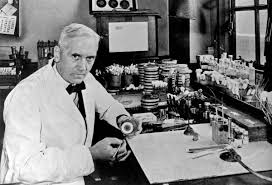
He discovered the first antibiotic.
Alexander Fleming
500
Bacteria and viruses are both types of germs or ________________.
pathogens
600
This is the number of bones in the adult human skeleton.
206
600
The trachea splits into two of these tubes that lead to the lungs.
bronchial tubes
600
Neurons send messages from the brain to the rest of the body in the form of this.
electrical signals
600
These are the two main jobs of antibodies.
Attack/kill germs and remember viruses to develop immunity
600
Only this type of microscope will allow you to see a virus.
an electron microscope
