Categories
Mechanism of action
Nursing Considerations
Pot Luck 1
Pot Luck 2
100
This medication ends in -lol.
Beta Blockers
Harding, p. 806
100
This medication inhibits movement of calcium across cell membranes, resulting in vasodilation.
Calcium channel blockers.
Harding, page 807
100
With this medication you will monitor an apical heart rate prior to administration.
Beta blockers.
Harding, page 806
100
What labs do you evaluate related to kidney function?
BUN/Creatinine.
Harding, page 803
100
It occurs when a patient moves from supine to standing position, and their is a decrease of 20 mm Hg or more in SBP, a drecrease of 10 mm Hg or more in DBP, and/or an increase in the HR of 20 beats/min.
Orthostatic Hypotension.
Harding, page 810
200
This medication will hold onto potassium
Potassium sparing diruetic.
Harding, p. 808
200
Name a medication that holds onto potassium and also helps with acne.
Spironolactone
Harding, page 808
200
A nurse will measure this in order to prevent falls in their client.
Orthostatic blood pressures.
Harding, page 810
200
Are there aspects of HTN that are modifiable?
Yes, stress, diet, weight, activity, sugar levels, salt intake, smoking, and alcohol intake.
Harding, page 801
200
Name complications of HTN.
Coronary artery disease, left ventricular hypertrophy, heart failure, cerebrovascular disease (stroke), peripheral vascular disease, nephrosclerosis, retinal damage.
Harding, page 803300
These medications have kidney protective qualities, but should not be taken at the same time.
Angiotensisin-Converting Enzyme (ACE) Inhibitors and Angiotensin II Receptor Blockers (ARBs)
Harding, pages 806-807
300
This medication block the Beta adrenergic effects and decreases CO.
Beta Blockers: labetolol, atenolol metroprolol, carvedilol
Harding, page 806
300
When clonidine is stopped abruptly your patient may have?
Rebound hypertension.
Harding, page 806
300
3.5 - 5.0 mEq/L
Reference range for Potassium
Harding, p. 1740 (Appendix C)
300
Which medications are used as first line therapy after non pharmacological treatment?
Thiazide diuretics, a CCB, and an ACE inhibitor or ARB.
Harding, page. 808
400
With these medications you need to monitor for electrolyte abnormalities especially potassium.
Loop diuretics and Thiazide diuretics.
Harding, page 808
400
This medication works by blocking both alpha and beta adrenergic receptors and causes peripheral vasodilation, and decreases heart rate. Reduces CO, SVR, and BP
Labetolol or carvedolol
Harding, page 806
400
What is the goal of medication therapy for a hypertensive patient?
Maintaining goal BP and reducing cardiovascular risk and target organ disease (decreasing complications), have minial side effects of therapy, and manage and cope with this chronic condition.
Harding, page 809
400
74 - 106 mg/dL
Reference range for Glucose level.
Harding, p. 1739 (Appendix C)400
What was the year that drug therapy for HTN first became available?
1950's
(ganglionic blocking drugs=block transmission of sympathetic and parasympathic ganclia in the autonomic nervous system)
Lilley, page 336
500
Hydralazine is what type of category of medication?
Vasodilator
Harding, page 807
500
Causes smooth muscle relaxation.
Calcium Channel Blockers.
Harding, page 807
500
Your client is taking a loop diuretic for heart failure. What lab is most important to monitor?
Potassium level.
Harding, page 808
500
What are focused assessments that a nurse may perform?
Neurological, cardiovascular, and gastrointestinal (BMI>=30 kg/m2.
Harding, page 811
500
Which medication was spurred by the discovery of the venom of a South American viper?
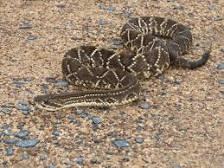
ACE inhibitors.
Lilley, page 342