Bones/Muscles/Movements
Heart/Lungs/Transport
Energy Systems & Fueling
Training Programs & Health
Random
100
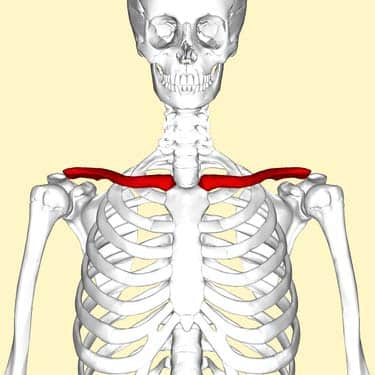 Is the highlighted bone appendicular or axial skeleton?
Appendicular
100
How does tidal volume change with exercise?
Increases- as you need more oxygen you take deeper breathes to meet energy demands and oxygen demands from muscles
100
List the 4 macronutrients - which one provides the most energy per gram?
Fats -lipids ---most energy per gram
Carbohydrates
Protein
Water
100
Which two countries have the longest shared international border?
US & Canada
100
What do tendons connect?
Muscle to bone
200
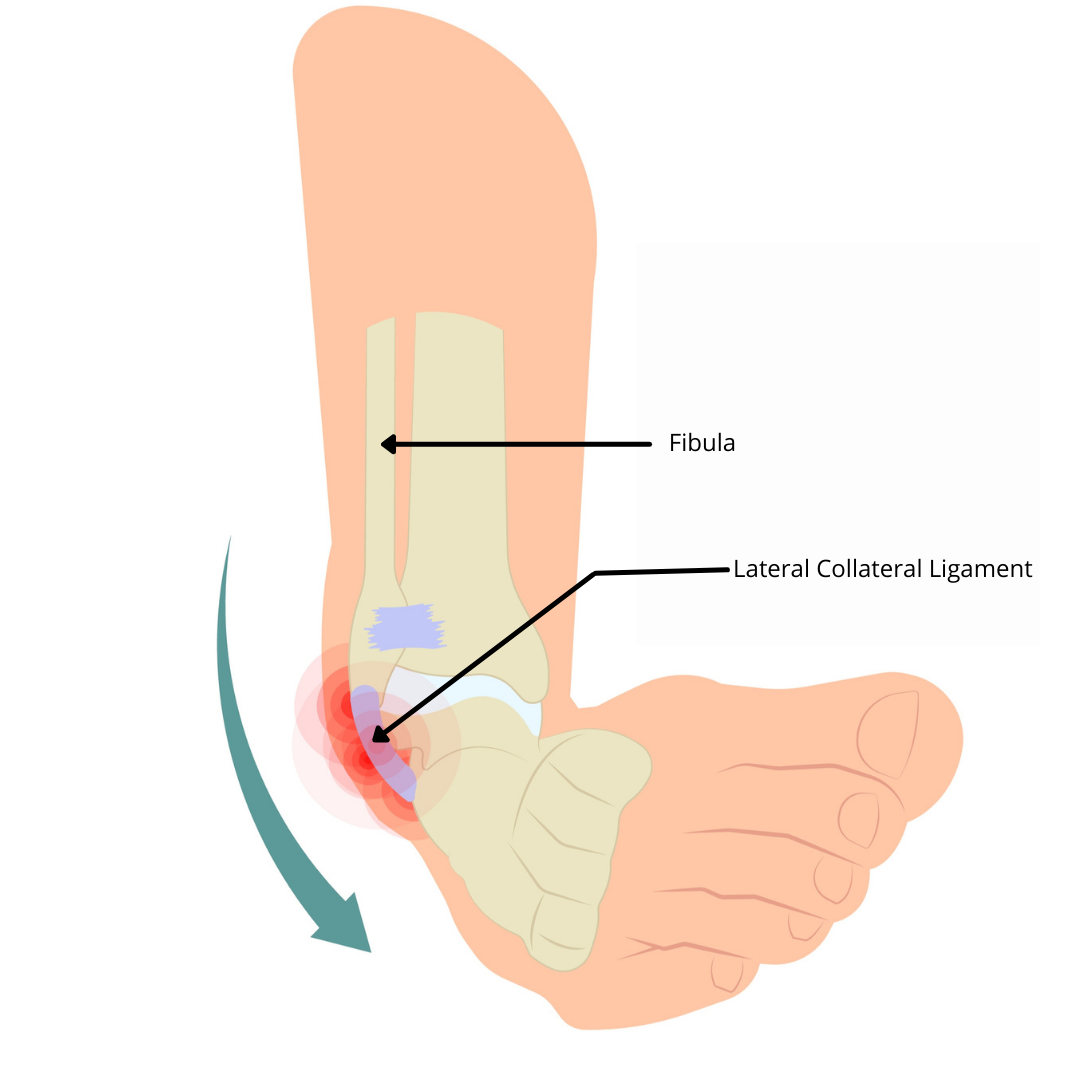
Ankle inversion
200
Explain what cardiac output is
The amount of blood pumped through the left ventricle to the entire body each minute - measured in liters
200
Which US President is on the $2 bill?
Thomas Jefferson
200
What is the principle of reversibility?
Use it or lose it - typically takes months to happen
200
What is a mesocycle and roughly how long does it last?
A section of training with a specific goal to meet needs of athletes- typically around 3 months
300
Use distal in a sentence
Varies
300
Which mammal has no vocal cords?
Giraffe
300
What is hyponatremia - what are 2 symptoms
Hyponatremia is a medical condition defined by a low concentration of sodium in the blood—specifically below 135 mEq/L—which causes excess water to enter cells, resulting in swelling.
Nausea, vomiting, swelling, muscle cramps, confusion
300
What is atherosclerosis- what are 2 ways to prevent it?
Narrowing of artery walls which results in restricted blood flow - Healthy diet, exercise, avoid smoking, manage cholesterol
300
What U.S. fast food chain is credited with introducing the first drive-through window to the masses?
In-N-Out
400
What is the insertion point as a weightlifter performs an isotonic concentric contraction during a pullup?
Humerus
400
Explain the differences between the following proprioceptors, chemoreceptors, baroreceptors
Proprioceptors: detect changes in body position - tells your brain where your limbs are positioned
Baroreceptors: sense changes in pressure - specifically blood pressure
Chemoreceptors: monitor chemical changes in the blood - trigger responses if more oxygen is needed
400
List the energy systems used during exercise and in what order
1-ATP in muscle 2-4 seconds
2-Creatine phosphate system - 4-20 seconds
3-Lactic acid system - 20 seconds-2/3 minutes
4- Oxidative system - 2/3 minutes - as needed
400
Explain the difference between type 1 and type 2 diabetes:
Type 1 diabetes is an autoimmune condition where the pancreas produces little to no insulin, typically diagnosed in youth, requiring lifelong insulin therapy.
Type 2 diabetes is a metabolic condition involving insulin resistance, where cells don't respond to insulin, often managed with lifestyle changes and medication.
Type 2 is more common, accounting for 90-95% of cases
400
What was the first—and only—horror movie to win the Oscar for Best Picture?
Silence of the Lambs
500
A weightlifter is performing a standard shoulder press movement. What is the agonist muscle and type of contraction is happening as he lowers the weight back down towards his head?
Deltoid, eccentric
500
Describe the pathway of blood through the left side of the heart
Pulmonary vein, left atrium, bicuspid (mitral) valve, left ventricle, aortic valve, aorta, to body
500
Explain the role of insulin and muscle contraction in glucose uptake during exercise
While insulin stimulates glucose uptake via receptor signaling, exercise allows muscle cells to take up glucose and use it as fuel regardless of insulin level
Insulin is used to regulate blood sugar as needed
500
In 1945 scientists witness the detonation of the worlds first atomic bomb in which US state?
New Mexico
500
Outline the differences between the CNS & PNS, what each one does& how hormones differ from reflexes
CNS - brain and spinal cord- processes information, initiates responses and controls thoughts and memories
PNS- everything that connects to brain and spinal cord -relays sensory information and motor commands to CNS
Hormones - slow to react, reflexes immediate reaction