CNS
Thorax
GI
GU
Skin & Soft tissue
Antibiotics
100
Most common organism causing vertebral osteomyelitis
S.Aureus
100
Most likely diagnosis
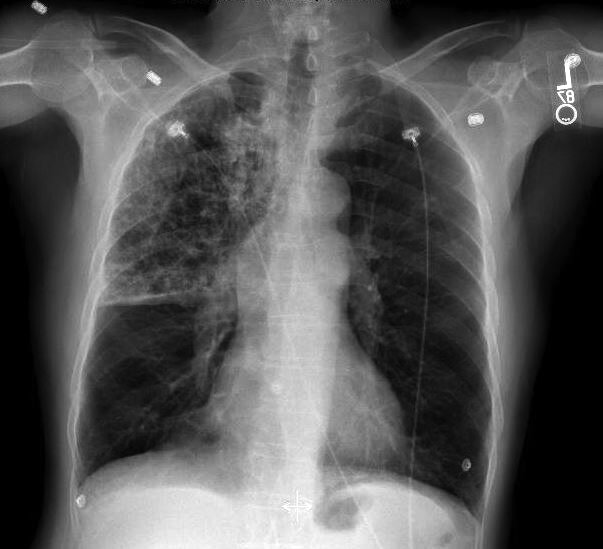
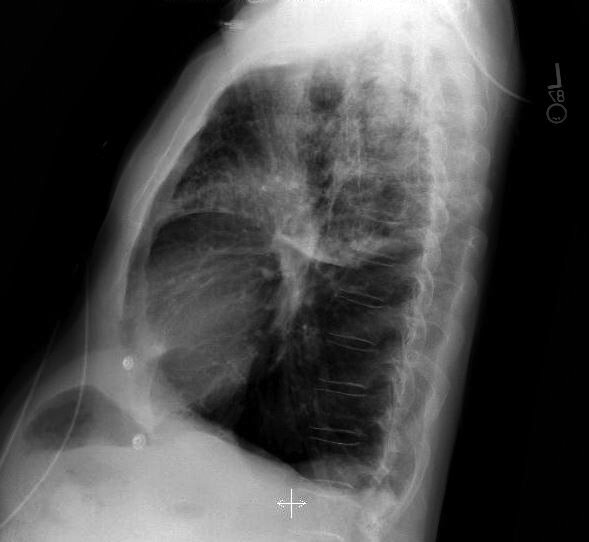
Right upper lobe pneumonia
100
Rapid sensitive and specific test for C.diff colitis
NAAT for C.diff TOXIN genes
100
Treatment of asymptomatic catheter-associated bacteriuria
None
100
Imaging for all new diabetic foot infections
Plain radiography
100
This class of drugs has a black box warning for tendon rupture
Fluorquinolones
200
Most likely diagnosis in a 25 yo F with AMS, fevers, new-onset seizures and this brain MRI
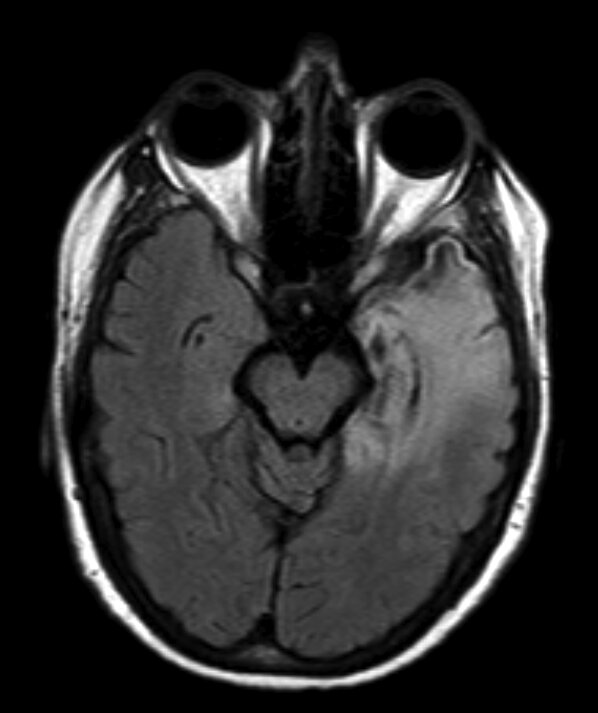
Herpes simplex encephalitis
Temporal lobe lesions are suggestive of HSV, predominantly unilateral and may have associated mass effects.
200
Treatment duration for uncomplicated CAP with rapid clinical improvement
5 days
200
Two treatment options for severe C.diff colitis
Oral fidaxomicin or oral vancomycin
200
Painless, indurated genital ulcer
Chancre of primary syphylis
200
Two vaccination assessments following an animal bite
Rabies + Tetanus
200
Tetracyclines are contraindicated in pregnant women due to this side effect
Abnormal growth of bone and teeth
300
Antibiotics for bacterial meningitis in adults > 50 years old
Ampicillin plus ceftriaxone plus vancomycin
300
Most likely diagnosis in a 66 yo F presenting with high fevers, cough, sputum production, and pulmonary infiltrate following a recent diagnosis of influenza
S.aureus pneumonia
300
Treatment of H.Pylori
Triple therapy with clarithromycin, amoxicillin (or flagyl for pen allergies), PPI
Quadruple therapy with bismuth for those with macrolide resistance risk factors (prior exposure to macrolide therapy, high local clarithromycin resistance rates > 15%)
300
This antibiotic is used for infections of the lower urinary tract but is not adequate if upper urinary tract involvement is suspected
Nitrofurantoin
Nitrofurantoin only achieves antibiotic concentration in the urine with low circulating blood levels and poor tissue penetration making it unsuitable for the treatment of upper urinary tract infections
300
Nonimaging test for all patients with vertebral osteomyelolitis
Blood cultures
300
Linezolid increases the risk of this side effect
Serotonin syndrome
400
Most common cause of recurrent viral meningitis
HSV-2
400
Most likely diagnosis in a 56 yo M with PMH of previously treated cavitary TB who is being evaluated for hemoptysis

Aspergilloma
A fungus ball typically appears to be separated from the wall of the surrounding cavity and may move when the patient is imaged in a different position. Fungus balls form in cavitary lesions of the lung, most often present owing to conditions such as tuberculosis, bronchiectasis, carcinoma, or lung abscesses.

400
This bacteria causes invasive gastroenteritis 1-3 days after exposure with symptoms of fever, abdominal pain, and diarrhea initially characterized as watery before becoming bloody with pus
Shigella dysenteriae
400
A 45 yo M evaluated for dysuria and urethral discharge
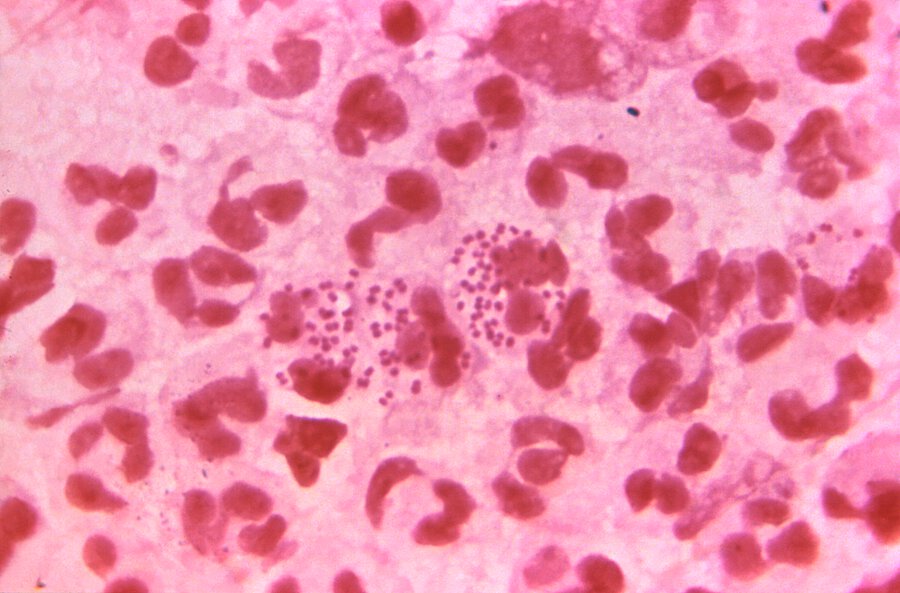
Neisseria gonorrhea
Image demonstrates gram-negative, intracellular diplococci
400
21 yo M develops an acute, painful skin lesion on L lateral thigh as shown below
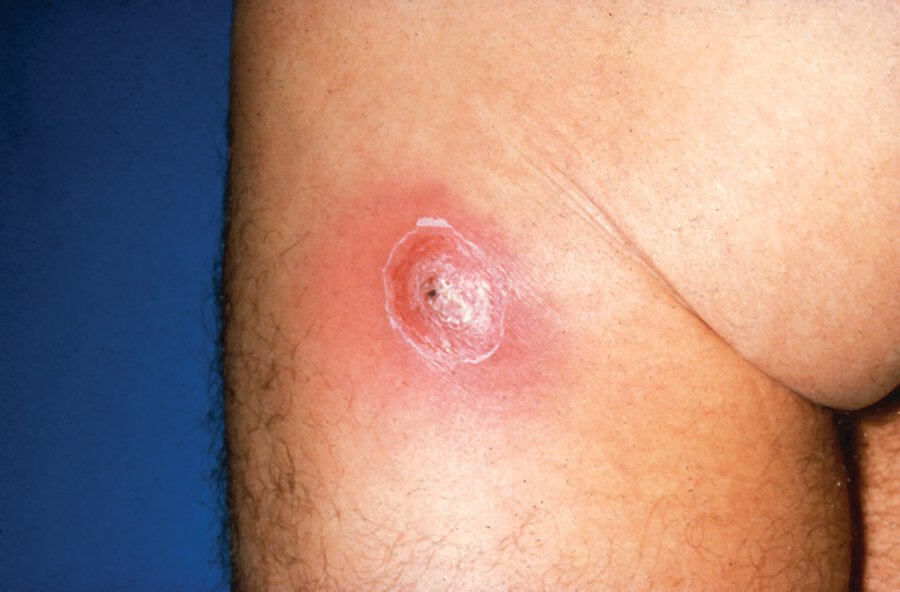
Staphylococcal abscess
400
Why should azithromycin not be used in a patient who takes amiodarone?
Risk of QT prolongation (Macrolides)
Amiodarone is a QT-prolonging antiarrhythmic
500
Most likely cause of 41 yo F evaluated for fever, headache and meningismus with CSF gram stain shown below
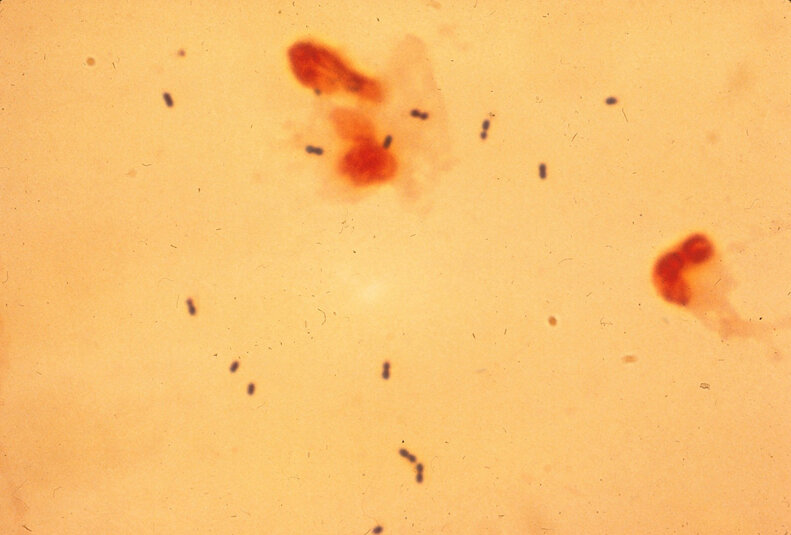
Streptococcus pneumoniae
most likely organism causing this patient's symptoms is Streptococcus pneumoniae. The cerebrospinal fluid shows gram-positive, lancet-shaped diplococci, which is characteristic of S. pneumoniae (pneumococcus)
500
Most likely organism seen on the following lung biopsy in a 40 yo F being evaluated for fever, cough and new pulmonary infiltrate currently undergoing chemotherapy for AML
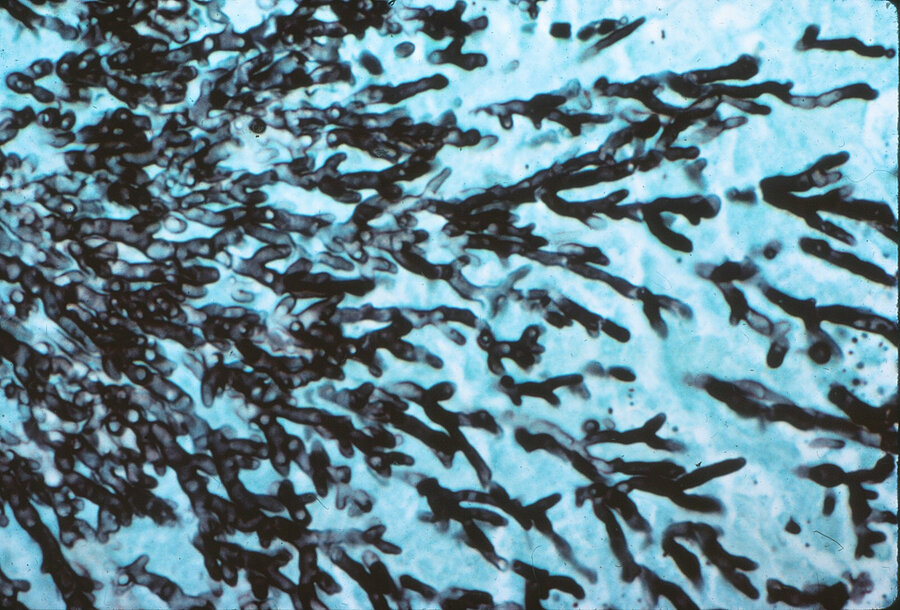
Aspergillus fumigatus
The image demonstrates hyphal forms with acute-angle (45-degree) branching, characteristic of an Aspergillus species. Invasive pulmonary aspergillosis, the most serious form of Aspergillus infection, most often occurs in immunosuppressed patients who have neutropenia or received a hematopoietic stem cell transplant. This type of aspergillosis usually begins in the respiratory tract and then enters the circulatory system (angioinvasion). This is followed by the formation of a fungus-septic emboli complex with subsequent hematogenous dissemination. The most common manifestation of angioinvasive disease is pulmonary aspergillosis, but sinusitis, brain abscess, endocarditis, disseminated infection, and osteomyelitis also may occur.
500
GI infection that can mimic appendicitis
Yersinia enterocolitica
500
Two treatment options for uncomplicated pyelonephritis
(Antibiotic + duration)
7 days of ciprofloxacin or 5 days of levofloxacin
500
Treatment duration for uncomplicated non-s.aureus CLASBI
7-14 days
500
Despite having MRSA coverage, daptomycin does not cover this type of infection
MRSA pneumonia
Inactivated by lung surfactant
600
52 yo F evaluated for fevers and severe headaches with MRI brain with contrast shown below
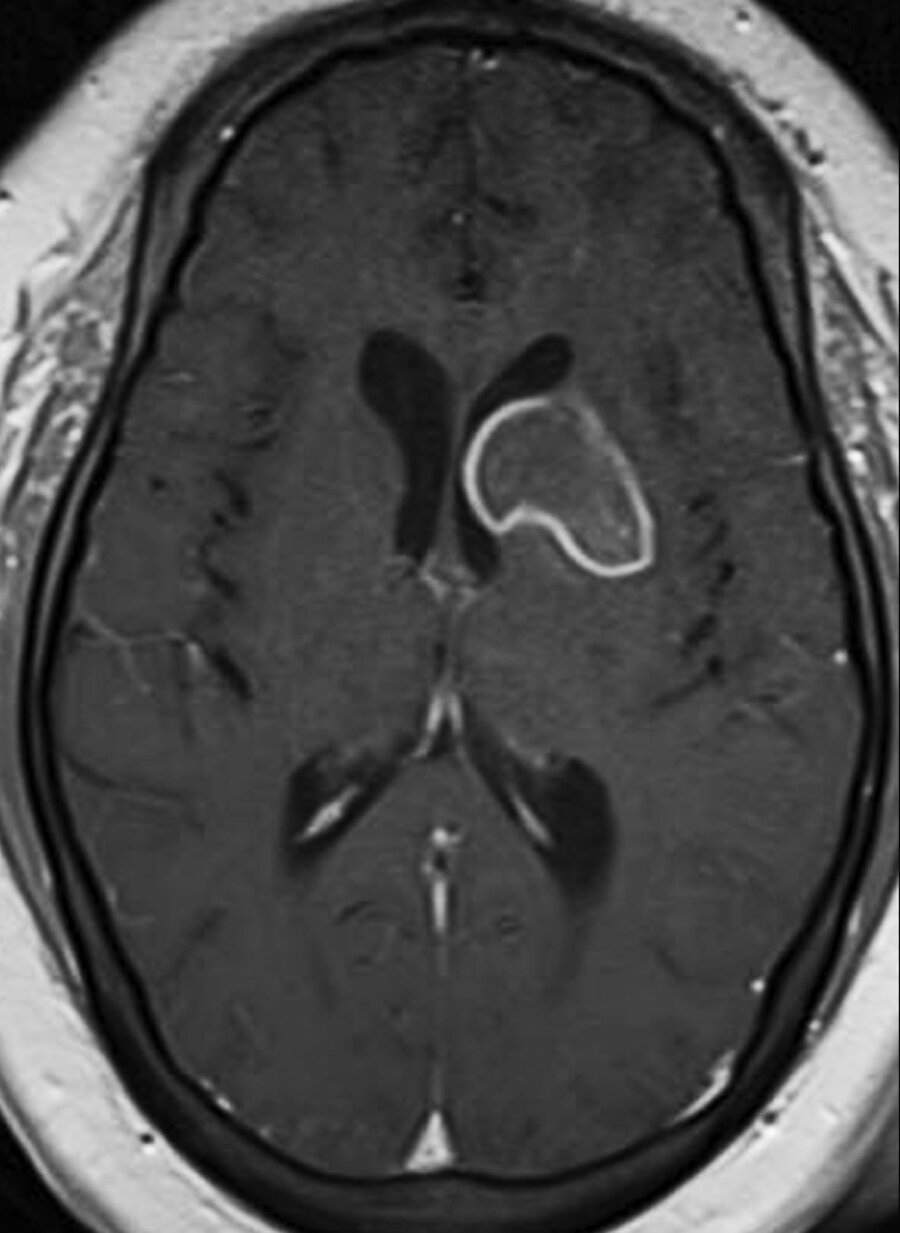
Brain Abscess
On MRI, early cerebritis appears as an irregular area of low density that does not enhance after contrast injection. As cerebritis evolves, the lesion enlarges with thick and diffuse ring enhancement after contrast injection, as seen in this patient. The ring of contrast enhancement represents a breakdown of the blood-brain barrier and the development of an inflammatory capsule. Aspiration of the brain abscess for culture is preferred for definitive diagnosis; surgical or stereotactic drainage should be performed if the abscess is large (>2.5 cm)
600
This CXR finding is characteristic of inhalational anthrax
Widened mediastinum
600
GI illness from reptiles and amphibians
Nontyphoidal salmonella
600
Painful genital ulcers associated with tender inguinal LAD
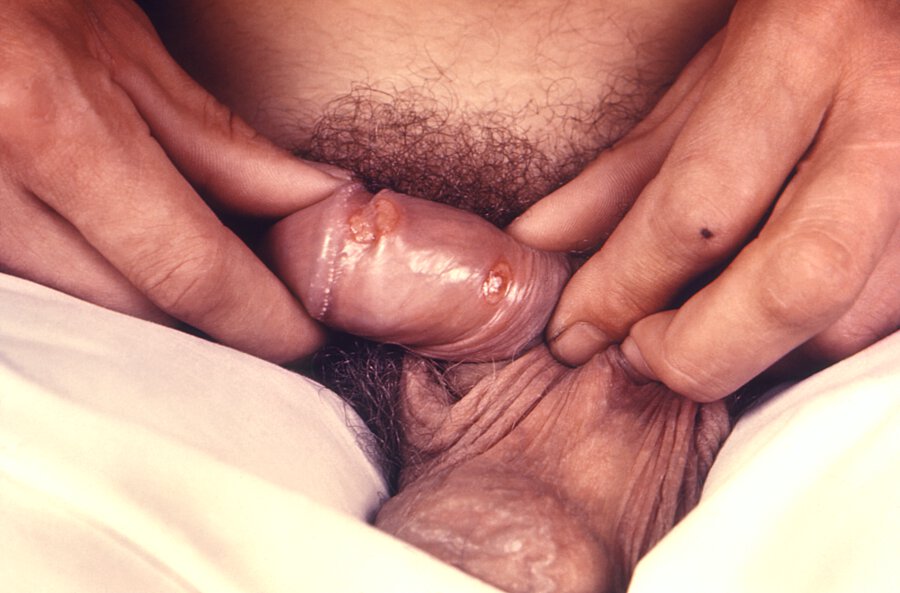
Chancroid
chancroid, a sexually transmitted infection caused by Haemophilus ducreyi. Chancroid is characterized by the presence of deep, undermined, exudative, painful genital ulcers; tender inguinal lymph nodes, which often suppurate, are typically present. Chancroid is rarely seen in the United States.
600
Most likely diagnosis in 23 yo F with 4-day history of fevers, headaches and myalgias with rash that appeared today.

Rocky Mountain Spotted Fever
macular eruption around the ankles or wrists, with central spread and progression to petechiae or purpura; the rash may not appear until 2 to 4 days after symptoms begin.
600
Irreversible side effect of gentamicin
Ototoxicity