Soil
Earth's Surface
Weather
Natural Resources
Miscellaneous
100
At the beach you are most likely find which kind of soil?
Sand
100
Name a rapid change to Earth’s surface...
Earthquakes, volcanoes, etc.
100
Students used thermometers to compare temperatures around their school. Which of these is MOST likely the reason it was colder under a tree than on the playground?
The tree blocked the sunlight
100
Students used plastic 2-liter soda bottles as planters for seeds. An adult cut off the tops of the bottles and the class filled the bottoms with soil. Plastic is a product made from petroleum (oil), one of Earth’s natural resources
By using the soda bottles as planters, the class was –
conserving resources
wasting resources
polluting the Earth
reducing resources
1. Conserving resources
100
What is the temperature in Celsius?
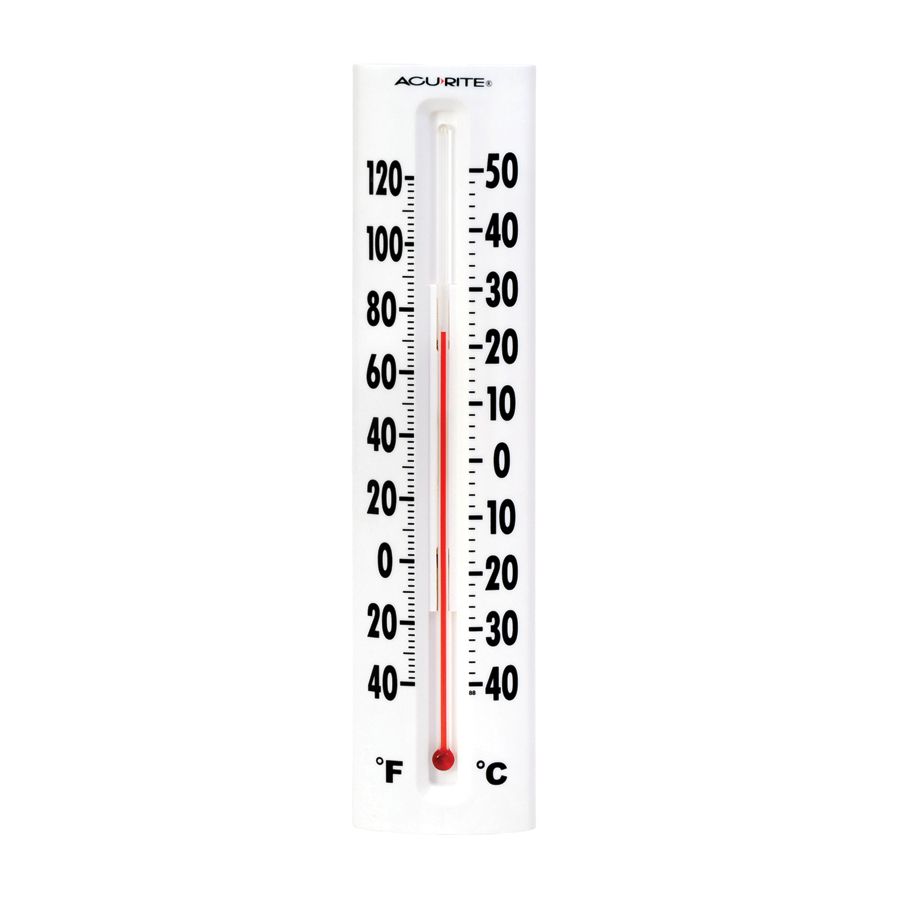
22 degrees Celsius
200
Which layer of soil is on top or the first layer?
Topsoil
200
How are volcanic eruptions, earthquakes, and landslides related to each other?
all are part of the water cycle
all have changes that occur slowly
all have changes that occur rapidly
all have changes because of gravity
3. All have changes that occur rapidly
200
A thermometer measures temperature, where a rain gauge measures ____________.
Precipitation
200
Third graders conducted a study and found that 75% of the students in the class bring lunches in paper or plastic bags. The students are concerned about conserving natural resources. Which behavior changes will help conserve natural resources?
1. Spend lunchtime watching movies about conservation.
2. Brought lunches in reusable containers.
3. Brought lunches in paper bags.
4. Brought lunches in plastic bags.
Students could bring their lunch in a reusable lunch bag.
200
Which sport(s) did 3rd grade like the most?

Soccer and Baseball
300
A very important factor, even though it makes up a small amount of the total material in soil, is humus (organic matter). Humus is made of –
water and nutrients
solids and gases
air and water
decomposed plants and animals
4. Decomposed plants and animals
300
Landslides make changes to Earth’s surface by -
jolting and shaking Earth’s crust
creating tornadoes
eroding the surface
ejecting lava and ash
3. Eroding the surface
300
When the state of matter changes from solid, liquid, to gas what is happening to the heat?
It is increasing
300
What do we use cotton for a natural resource?
Fabric/Clothes
300
Which animal was owned by the most people?
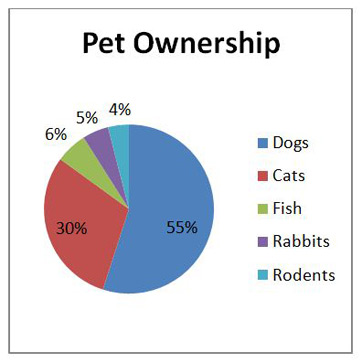
Dogs
400
A group of students wants to start a classroom garden.
Which of the following could they try to add to the garden to increase soil formation?
Soda cans and plastic bottles
Sand
Larger rocks
Dead leaves and earthworms
4. Dead leaves and earthworms
400
Lava from a volcanic eruption can change the Earth’s surface by -
forming new land
making oceans boil
carving deep valleys
pushing aside hills
1. forming new land
400
How did the temperatures in the cities we researched compare to one another?
Answers will vary
400
What is a natural resource?
Something found in nature that people use to help them.
400
What is a landslide?
When land or mud is pushed down a mountain.
500
Soil does not form overnight. In fact, it may take up to thousands of years for soil to form. Which process helps break rocks down into smaller pieces?
Weathering
500
Where is one of the most likely places to find rocks that have become smooth and rounded?
A fast moving river
500
What is weather?
The state of the atmosphere at a given place and time.
500
What does it mean to conserve a natural resource?
To save it by reusing, reducing, or recycling the object.
500
A boy changed his position by riding his bicycle up a ramp. What type of energy was used to pedal the bicycle up the ramp?
Mechanical Energy